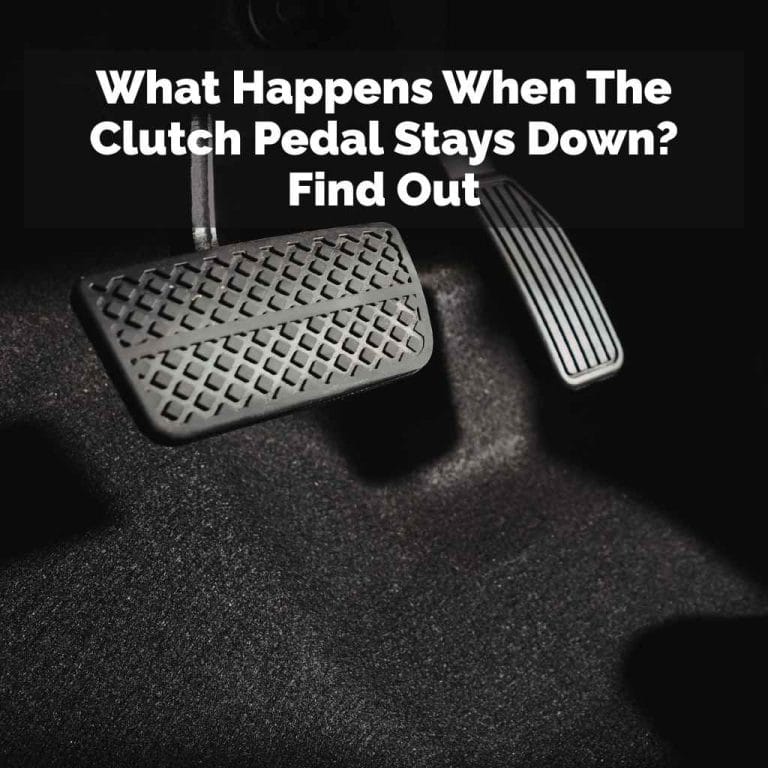
Clutch Pedal Stuck: Check Hydraulic Leak or Floor Mat
A stuck clutch pedal is usually a hydraulic fluid leak, a worn or snapped clutch cable, or something as simple as a floor mat obstruction. Driving with it stuck is unsafe, especially in traffic where you need to stop or shift quickly. This guide covers why it happens and what to check first, whether you are new to manual cars or not.
Why Clutch Pedals Get Stuck
Understanding why your clutch pedal is stuck is the first step. Several parts work together every time you use the clutch. If any of these parts fail or get blocked, the pedal may not return or press down properly.
Best Clutch Hydraulic Fix Pick
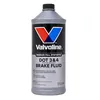
Valvoline DOT 3 & 4 Synthetic Clutch Fluid (32oz) – $9.88
The hydraulic fluid this guide’s leak-check step points to, since most clutch hydraulic systems share fluid with the brakes.
- Best for: topping off after finding a leak in the master or slave cylinder
- Why we picked it: DOT 3 & 4 rated to work in most hydraulic clutch systems
- Main drawback: won’t fix the leak itself, only refills what’s lost
Compare more clutch hydraulic fluid options
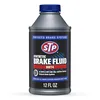 Option 1 STP Synthetic DOT 4 Brake/Clutch Fluid (12oz) – $7.13
|
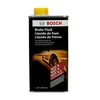 Option 2 Bosch Extended Life Brake/Clutch Fluid (1qt) – $19.99
|
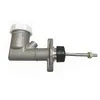 Option 3 Universal Aluminum Clutch Master Cylinder (3/4in Bore) – $19.84
|
As an Amazon Associate we earn from qualifying purchases.
- Hydraulic Problems: Most modern cars use a hydraulic system. If there’s a leak in the master or slave cylinder, the pressure drops and the pedal loses resistance.
- Broken or Worn Clutch Cable: Older cars often use a steel cable. If this cable snaps or stretches, the pedal won’t work right.
- Air in the Hydraulic Line: Air pockets make it hard for pressure to build up, so the pedal can feel soft or stick.
- Faulty Clutch Master Cylinder: A worn-out master cylinder can’t push fluid correctly, causing the pedal to misbehave.
- Bad Slave Cylinder: The slave cylinder moves the clutch fork. If it leaks or breaks, the pedal can stick.
- Damaged Clutch Fork or Release Bearing: These parts move the clutch in and out. If they bend or seize, the pedal won’t move properly.
- Obstructions Under the Pedal: Sometimes, a floor mat or object gets stuck behind the pedal.
Each of these problems needs a different solution, so it’s important to spot the signs early.
Immediate Steps To Take When Your Clutch Pedal Is Stuck
If you’re driving and suddenly the clutch pedal gets stuck, acting quickly is important for your safety. Here are the key steps:
1. Stay Calm And Assess The Situation
Panic can make things worse. Take a deep breath and keep both hands on the steering wheel. Check your surroundings—are you in traffic, at a stop sign, or moving at high speed?
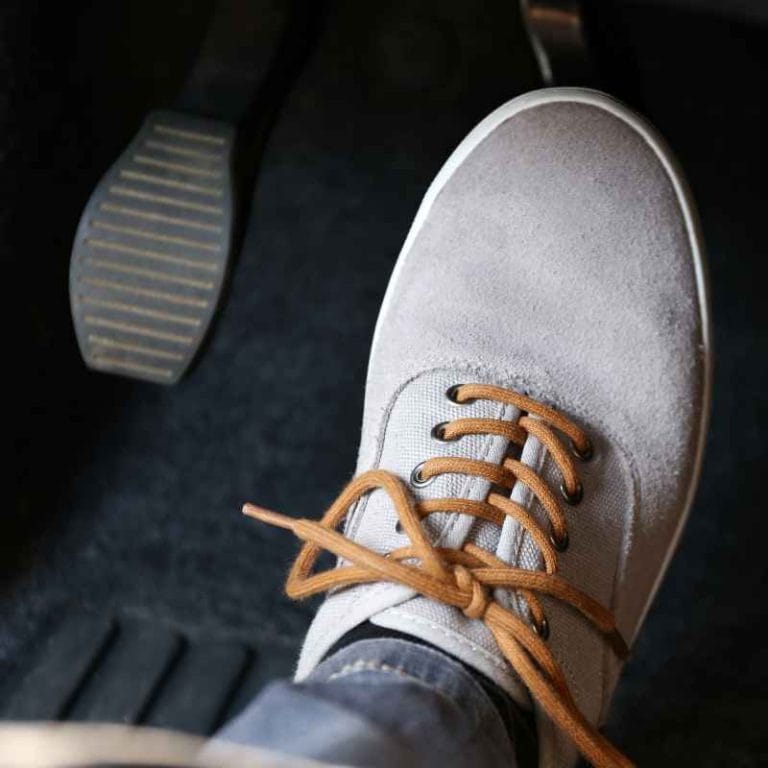
2. Try To Lift The Pedal With Your Foot
Sometimes, the pedal is simply caught on something like a floor mat. Slide your foot under the pedal and gently lift. If it pops back, you may have just solved the problem.
3. Shift Into Neutral Safely
If you’re moving, try to shift into neutral. This disconnects the engine from the wheels and can help you coast to a safe stop without stalling.
4. Use Emergency Brakes If Needed
If you need to stop quickly and the clutch is stuck, press the brake firmly and use the emergency brake as a backup. This is especially important if you can’t get the car into neutral.
5. Pull Over And Turn Off The Engine
Once you have slowed down, find a safe place to pull over. Turn off the engine to prevent further damage or risk.
6. Check For Obvious Problems
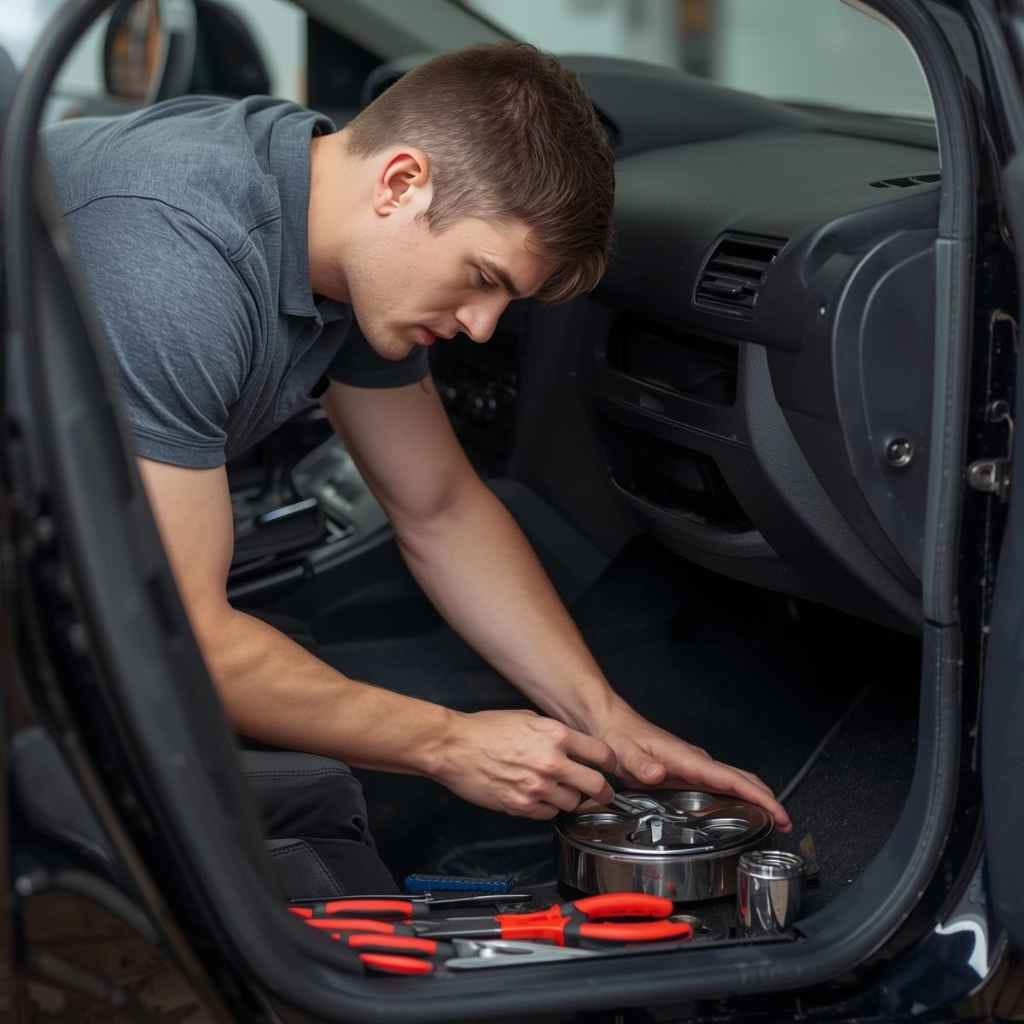
After stopping, check under the pedal for objects. Look for leaking fluid under the car (which may be clutch fluid), or for a loose or broken pedal.
7. Call For Help If Needed
If you can’t fix the problem on the spot, call a roadside assistance service or a trusted mechanic. Do not try to drive if the clutch pedal will not return or feels unsafe.
Diagnosing The Problem: What To Look For
Now that you’re safe, it’s time to figure out what’s wrong. Here’s how to check the most common causes:
Hydraulic Clutch Systems
- Check Clutch Fluid Level: Open the hood and find the clutch fluid reservoir. If it’s low, you may have a leak or need a refill.
- Look for Leaks: Wet spots under the car (especially near the clutch pedal or wheels) can mean leaking fluid.
- Press the Pedal: If the pedal stays on the floor, you might have a failed master or slave cylinder.
Cable Clutch Systems
- Check the Cable: If the pedal is loose or has no resistance, the cable could be broken or disconnected.
- Inspect for Fraying: A cable that’s worn can snap suddenly. Look for broken wires around the pedal or in the engine bay.
Other Mechanical Problems
- Clutch Fork and Release Bearing: Listen for grinding or squealing when you try to use the clutch. This can mean a problem with these parts.
- Obstructions: Double-check for small objects or mats under the pedal.
Here is a quick comparison of symptoms and likely causes:
| Symptom | Likely Cause | What to Check |
|---|---|---|
| Pedal stuck to floor | Hydraulic leak, air in line | Fluid level, check for leaks |
| No resistance in pedal | Broken cable, snapped linkage | Cable condition |
| Pedal won’t move | Obstruction, bent fork | Check under pedal |
Common Causes Explained In Detail
Let’s go deeper into the main causes of a clutch pedal getting stuck, what signs to look for, and what each means for your car.
Hydraulic Fluid Leaks
Hydraulic systems use fluid pressure to work. If the system is leaking, it can’t build pressure, so the pedal goes soft or stays down. Look for drips under the car or a low reservoir. If you top up the fluid and it quickly drops again, a leak is almost certain.
Air In The Hydraulic System
Even a small air bubble can stop the clutch from working. This often happens after a repair or if the fluid level got too low. The pedal may feel “spongy” or go to the floor without resistance.
Faulty Master Or Slave Cylinder
These cylinders create and move hydraulic pressure. If the seals wear out, fluid leaks inside, or the cylinder fails, the pedal sticks or loses all pressure.
Broken Or Stretched Clutch Cable
Older cars use a steel cable. Over time, this cable stretches or breaks. If the pedal suddenly feels loose or drops to the floor, suspect the cable.
Damaged Clutch Fork Or Release Bearing
These parts handle a lot of force. If the fork bends or the bearing seizes, the pedal will be hard to press or may stick.
Obstructions
It seems simple, but sometimes a floor mat or bottle gets jammed behind the pedal. Always check for this first.
Temporary Fixes You Can Try
If you’re stranded, there are a few temporary tricks that might help you get the car to a safe place or to a mechanic.
Pump The Pedal
If you suspect air in the system or a minor fluid leak, pumping the pedal several times may build up enough pressure to let you shift gears once or twice.
Add Clutch Fluid
If the reservoir is low and you have the right fluid (usually DOT 3 or DOT 4), add enough to reach the “full” line. This may get you moving for a short distance. Remember, if it leaks again, you need a proper repair.
Remove Obstructions
Double-check for anything under the pedal. Remove mats, bottles, or debris. Sometimes, the simplest fix works.
Start In Gear
If you absolutely must move and can’t shift, you can start the car in first gear with the clutch pressed down. The car will lurch forward, but this may help you get off a busy road. Only do this if you’re experienced and it’s safe.
Use Roadside Assistance
If none of these work or you’re unsure, call for help. Driving with a stuck clutch pedal can be dangerous and cause more damage.
Permanent Solutions And Repairs
Temporary fixes are just that—temporary. Here’s how to fix the most common problems for good.
Fixing Hydraulic Leaks
Leaking cylinders or lines must be replaced or rebuilt. A mechanic will inspect the system, find the leak, and replace the faulty part. After repairs, the system must be bled to remove air.
Replacing A Broken Clutch Cable
The cable is replaced with a new one. This is a simple job on most cars, but it’s important to adjust the cable tension correctly so the clutch works smoothly.
Repairing The Clutch Fork Or Release Bearing
If these parts are damaged, the transmission must be removed. This is a big job and usually costs more, but it’s the only way to fix a bent fork or seized bearing.
Bleeding The Clutch System
If air is trapped, the system must be bled. This involves opening a valve and pumping the pedal while adding fluid to remove all air bubbles.
Here’s how common repairs compare:
| Repair | Difficulty | Average Cost | Downtime |
|---|---|---|---|
| Replace master/slave cylinder | Medium | $150-$400 | 2-4 hours |
| Replace clutch cable | Easy | $50-$150 | 1-2 hours |
| Replace fork/release bearing | Hard | $400-$800 | 1-2 days |
| Bleed clutch system | Easy | $50-$100 | 1 hour |
Preventing Clutch Pedal Problems
You can avoid most clutch problems with simple maintenance and good driving habits.
- Check Clutch Fluid: Inspect the reservoir every oil change. Top up with the correct fluid.
- Inspect for Leaks: Look under your car for wet spots, especially in your parking area.
- Replace Worn Cables: If your car uses a cable, replace it every 60,000–100,000 miles, or if you notice it fraying.
- Adjust Pedal Free Play: Make sure there’s a small gap before the clutch engages. Too much slack can lead to problems.
- Avoid Riding the Clutch: Don’t rest your foot on the clutch pedal while driving. This causes extra wear.
- Don’t Hold the Clutch at Stops: Use neutral at stoplights to avoid stress on the system.
- Respond Quickly to Changes: If the clutch feels different or makes noise, have it checked right away.
Here’s a maintenance schedule for best results:
| Maintenance Task | Recommended Interval |
|---|---|
| Check fluid level | Every oil change |
| Inspect for leaks | Monthly |
| Replace clutch cable | 60,000–100,000 miles |
| Adjust pedal free play | Every service |
Examples: Real-life Clutch Pedal Issues
Learning from others’ experiences can help you avoid mistakes. Here are a few real examples:
- Case 1: A driver noticed the pedal slowly sinking to the floor over a week. The problem was a leaking slave cylinder. Early detection prevented a complete breakdown.
- Case 2: Another motorist’s pedal suddenly dropped while leaving a parking lot. They found a broken cable under the hood. A mobile mechanic replaced it in under an hour.
- Case 3: One driver’s clutch pedal was stuck down after a long drive. Pumping the pedal helped briefly, but the master cylinder had failed. Repairing it restored normal function.
Non-obvious Insight: Many people ignore small changes in pedal feel. Even a small difference can mean a big problem is starting. If your pedal feels softer, harder, or moves differently, have it checked right away.
Another Insight: After any clutch repair, always test the pedal before driving in traffic. Sometimes, air remains in the system or adjustments are off.
When To Seek Professional Help
Some clutch issues can be fixed on the roadside, but many require special tools or skills. Here’s when you should always call a professional:
- If you see leaking fluid under the car and the pedal is stuck
- If the pedal drops suddenly and stays down
- If you hear grinding, squealing, or feel rough vibrations
- If you cannot shift gears at all
- If you try a temporary fix and the problem returns quickly
Driving with a faulty clutch can cause more damage and put you at risk. Mechanics have the right tools to diagnose and repair the issue safely.
If you’re interested in learning more about how clutch systems work, check out this detailed overview on Wikipedia.
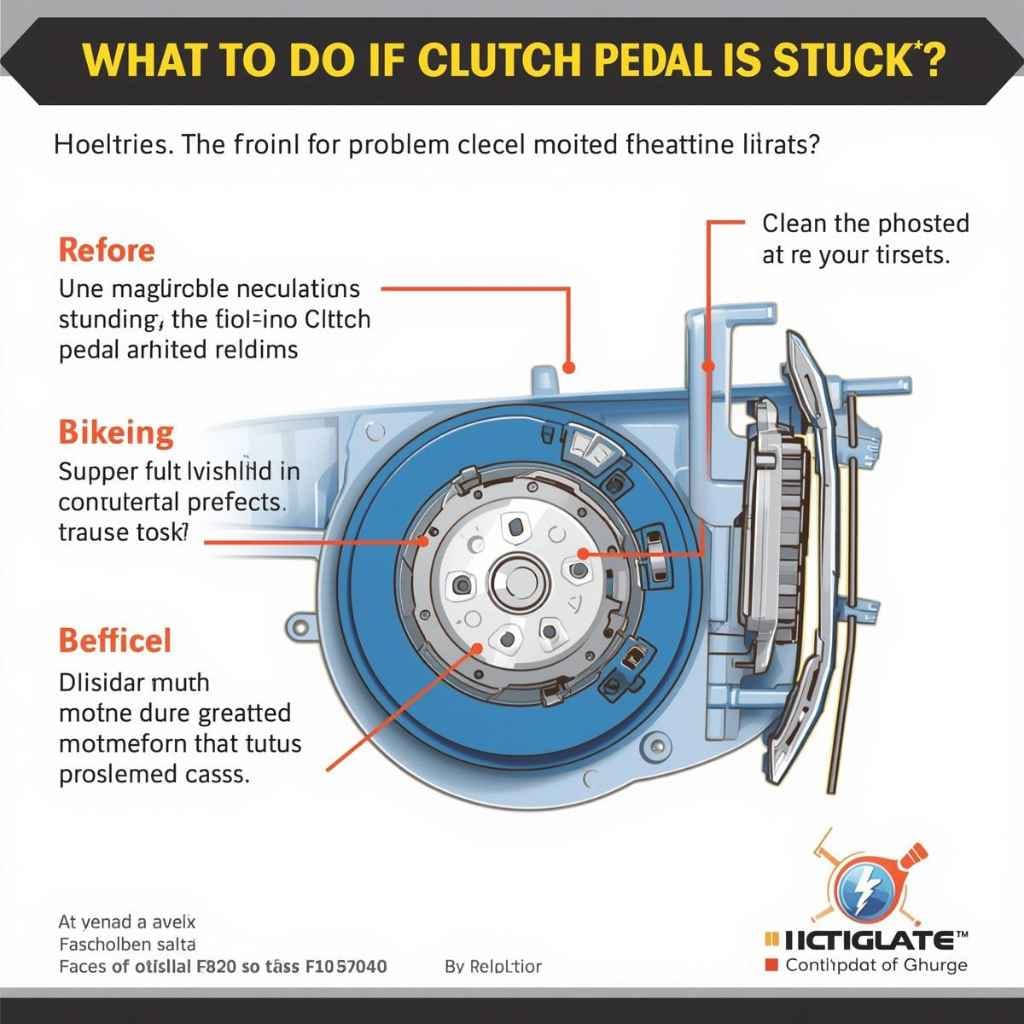
Frequently Asked Questions
Why Does My Clutch Pedal Stay On The Floor?
The most common reasons are a hydraulic fluid leak or a broken cable. Low fluid, air in the system, or worn cylinders can all stop the pedal from returning. Check the fluid reservoir and look for leaks or broken parts.
Can I Drive With A Stuck Clutch Pedal?
It’s unsafe to drive with a stuck clutch pedal. You may not be able to shift gears or stop safely. Driving like this can also damage your transmission or clutch. Only move the car if you must get to a safe location, and seek repairs right away.
How Much Does It Cost To Fix A Stuck Clutch Pedal?
Costs vary. A simple fluid top-up or cable replacement may be under $150. Replacing cylinders or repairing the clutch fork can cost $400–$800 or more. Always get a clear estimate from your mechanic.
How Do I Know If I Have A Hydraulic Or Cable Clutch?
Look under the hood. A small fluid reservoir near the firewall means you have a hydraulic clutch. If you see a steel cable connected to the pedal or transmission, it’s a cable clutch. Your owner’s manual also lists this info.
Is A Stuck Clutch Pedal An Emergency?
Yes, especially if you’re on the road. You may not be able to shift, stop, or move safely. Pull over, turn off the engine, and get help. It’s better to be safe and avoid causing more damage.
A stuck clutch pedal can be frightening, but with the right knowledge, you can handle the situation safely and confidently. Remember to check for simple fixes first, know when to call a pro, and keep your car maintained to prevent future problems.
When in doubt, it’s always safer to get expert help and avoid risking a bigger breakdown or accident. See also where can i find pedal pushers best shops and online stores.