Why Your Car Heater Gets Cold at Stoplights
If heat fades only at stoplights, suspect reduced coolant flow at idle or a fan/control fault; if the engine also runs warm or the temperature needle climbs, treat it as a cooling-system problem, not a normal quirk. Ignoring it can mean overheats, weak defrost, and a repair that gets costlier fast. This guide shows the fast checks that separate normal idle heat loss from a circulation or airflow fault.
Why heat fades at stoplights


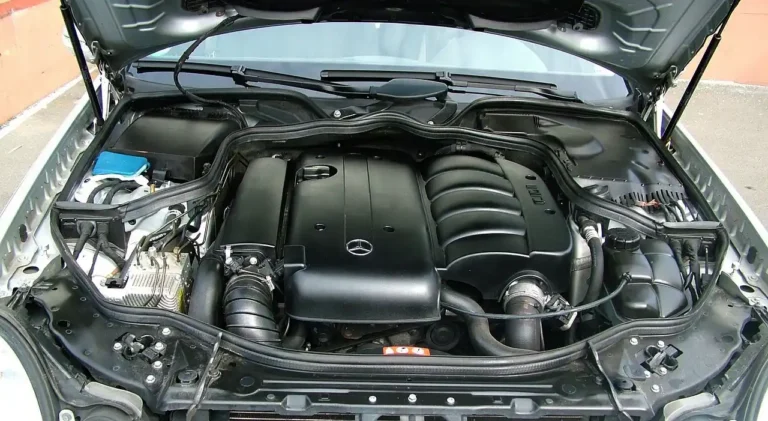
The heater depends on engine heat that warms coolant, then warm coolant flows through the heater core and heats cabin air. At idle, the engine makes less heat than it does while driving, and coolant flow is slower because the water pump runs slower. Some heat loss at idle is normal and expected.
Traffic makes the pattern easier to notice. Long idling, stop-and-go congestion, and cold weather can all reduce cabin output enough that the air feels cooler at a light and warmer again once you pull away. That does not automatically mean a failed part.
What changes between driving and idling
Driving raises engine load and pump speed, so the cooling system circulates more hot coolant through the heater core. That extra flow can make a marginal system feel fine on the road and weak at a stop. A heater that only drops output at idle can still be normal if the engine stays at a stable temperature and the airflow is strong.
Picture a car that blows warm air at 35 mph, then cooler air at a long light, then warm air again as soon as you accelerate. That pattern points first to idle heat loss or airflow change, not automatically to a blocked heater core.
How the heater system actually works
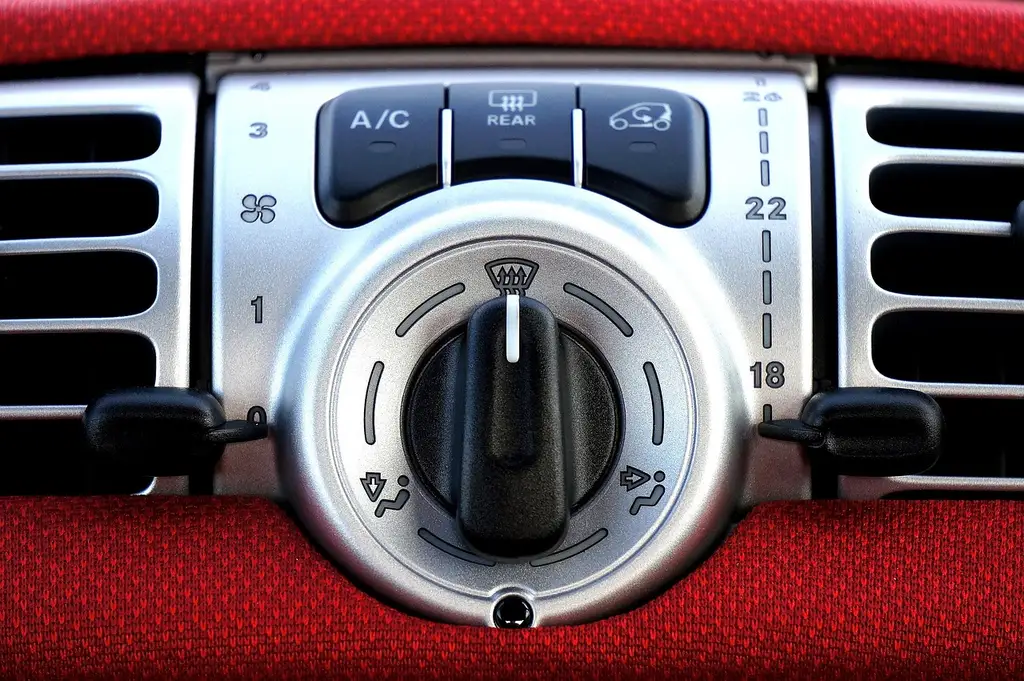
The heater uses engine heat that warms coolant before cabin air is heated. Warm coolant flows through the heater core, which acts like a small radiator. A blower pushes air across that core, and the warmed air enters the cabin.
That means three parts have to cooperate: hot coolant, enough coolant flow, and enough air movement across the core. If any one of those drops off, cabin heat can fall even if the other two are fine.
Role of coolant flow, thermostat, and water pump
The thermostat regulates coolant flow and helps the engine reach operating temperature. A thermostat stuck open can keep the heater cold even while driving. A thermostat stuck closed can cause overheating with no cabin heat.
The water pump moves coolant through the system. At idle, flow is slower because the pump runs slower, so a weak pump or a restriction can show up first at a stoplight. If the flow cannot carry enough hot coolant through the heater core, cabin heat drops before the engine always shows a clear warning.
How airflow from the blower affects cabin heat
Weak blower performance can make the cabin feel like it has no heat even when the coolant is warm. A blower motor resistor fault can reduce fan strength, and that can make one speed work poorly or leave the fan weak across several settings.
That is why low airflow and low coolant temperature must be separated. A warm heater core with weak fan output can feel the same as a cold heater core from the driver seat.
Why car heater works decision table
| Symptom pattern | Likely causes | Quick checks | Drive vs repair now |
|---|---|---|---|
| Heat is fine while moving, then cools at long idle, and the temperature gauge stays normal | Normal idle heat loss, reduced coolant circulation at idle, weak blower output | Check fan strength on every speed, confirm engine temp is steady, and note whether heat returns under throttle | Usually okay to drive short term, but schedule diagnosis if the pattern gets worse or defrost performance drops |
| Heat fades at idle and the engine also runs warm, with a rising gauge or warning light | Low coolant, trapped air, thermostat fault, water pump problem, leak | Check coolant level only when safe and cool, look for leaks, inspect for recent coolant work, watch for steam | Repair now. Stop driving if the gauge climbs, steam appears, or the coolant warning comes on |
| Heat is uneven, comes back with higher RPM, or changes after a coolant refill | Air trapped in the cooling system, partially blocked heater core, circulation issue | Ask whether the system was recently opened, check for bleeding history, feel for a big difference between upper and lower hose temperatures only with proper safety limits | Drive cautiously only if temperature stays normal. Bleeding or repair is likely needed soon |
| Heat is weak at idle in a hybrid or EV, but the cabin fan seems normal | Different heating architecture, electric heater issue, auxiliary heater limitation, service fault in high-voltage equipment | Check the owner’s guidance for the heating system type, note any service messages, and avoid touching high-voltage components | Repair now if heat loss is total, warning lights appear, or the vehicle limits power or charging |
Can low coolant cause cold heat at idle?
Yes. Low coolant can reduce cabin heat at idle because there may not be enough hot coolant available to pass through the heater core. A leak or a bleeding issue should be checked before replacing parts, since both can mimic a bad heater core or thermostat.
What a low level does first
When coolant level drops, the heater core may see less flow or get pockets of air instead of a solid stream of hot coolant. That often shows up first as weak heat at stoplights, weak defrost, or heat that comes and goes with engine speed. If the level keeps falling, look for a leak.
Leak clues and bleed issues to check first
Check for coolant stains, sweet odor, damp hoses, a wet radiator area, or a warning message. If the system was recently serviced, trapped air may be part of the problem. Bleeding the cooling system is a common fix for air pockets.
- Check the coolant level. Do this only when the engine is cool enough to open the reservoir safely. A low level points more toward a leak or bleeding problem than a thermostat-only fault.
- Inspect for visible leaks. Look around hoses, clamps, the radiator, the water pump area, and the heater hoses. Fresh wetness or crusty residue means the leak may be active.
- Note any recent service. If coolant was replaced, flushed, or topped off recently, trapped air becomes more likely. Air can block coolant flow in the heater core and imitate a bad part.
Could the thermostat or water pump be the cause?
Yes. A thermostat stuck open can keep the heater cold even while driving, because the engine may take too long to warm up or never fully retain heat. A thermostat stuck closed can cause overheating with no cabin heat. The water pump can also be part of the problem if circulation is too weak to move hot coolant through the heater core.
Why thermostat faults change cabin heat
A thermostat that sticks open lets coolant circulate too early, so the engine warms slowly and the heater never gets strong heat. A thermostat that sticks closed traps heat in the engine, which can push the gauge upward while the cabin stays cold. That is a cooling-system fault, not a comfort issue.
When weak circulation points beyond the heater core
If heat returns when you raise engine speed, the system may be short on circulation at idle. That can happen with a weak water pump, trapped air, or a restriction. Do not assume the heater core is clogged just because the cabin heat changes with RPM.
Say your sedan blows lukewarm air in traffic, then turns hot as soon as you rev to 2,000 rpm. That pattern fits low circulation or air in the system more than a dead blower, because the airflow is already present and the heat source changes with engine speed.
Is the heater core or blower at fault?
A clogged heater core can reduce heat, and dirt, rust, or debris can restrict its flow. A weak blower can also make the cabin seem cold even when the core is hot. The difference matters: one is a coolant-flow problem, the other is an air-delivery problem.
Clogged heater core signs
A restricted heater core often causes weak, uneven, or one-sided heat. The cabin may warm a little at higher engine speed and then fade again at idle. Dirt, rust, or debris inside the core can reduce heat without affecting every other cooling-system part.
Weak blower, resistor, or control faults
If fan speed is low on some settings or the air barely moves from the vents, the heater may be working but the cabin still feels cold. A blower motor resistor fault can reduce fan strength. Control problems can do the same thing by limiting fan output.
A common first-timer mistake is replacing a heater core when the real issue is weak airflow. If the vents barely move air on higher settings, solve that first.
What to check before you replace parts
Start with the simplest checks. Coolant level, warning lights, gauge behavior, and recent cooling-system work give more useful clues than guesswork. If the engine is overheating, if steam appears, or if coolant disappears quickly, stop driving and seek help.
- Check coolant and leaks first. Confirm the reservoir level is within the marked range when the engine is cool. Look for active leaks before assuming the heater core or thermostat failed.
- Watch the temperature gauge. If the gauge climbs above normal or a warning light appears, treat the problem as urgent. Weak cabin heat plus overheating is a cooling-system warning, not a comfort complaint.
- Confirm airflow and settings. Run the fan through every speed, switch between modes, and check whether the air volume changes as expected. Weak blower performance can imitate no-heat symptoms.
- Review recent cooling work. If the system was flushed, drained, or repaired recently, air pockets may be present. Bleeding the cooling system may be needed before any part replacement.
Overheating red flags
Stop driving if you see steam, smell coolant strongly, get a rapid temp rise, or notice a sudden coolant loss. Those signs can mean the engine is running hot enough to damage gaskets, hoses, or the radiator. Weak heat becomes secondary at that point.
Hybrids and EVs need a different diagnosis
Hybrids and electric vehicles may use different heating systems, so the same stoplight symptom does not always point to the same parts. Some hybrids and EVs may use electric heaters, auxiliary heat sources, or a different coolant layout than a conventional gas engine. High-voltage components require caution, and diagnosis changes with the platform.
Electric heaters and auxiliary heat sources
In these vehicles, cabin heat may not depend on engine waste heat in the same way. That means weak heat at idle can come from control logic, electric heater faults, or system limits rather than a thermostat or traditional water pump. The service path is different from a standard engine cooling system.
High-voltage caution and service limits
Do not open or probe high-voltage components without proper service procedures. If the vehicle shows heating faults, reduced power, or a system warning, use the manufacturer’s fault path rather than a conventional cooling-system assumption.
Frequently asked questions
Why does my car heater get cold when I stop at a light?
Heat can drop at a light because the engine makes less heat at idle and the water pump moves coolant more slowly. Some heat loss at idle is normal and expected. If the engine also runs warm or the gauge rises, treat it as a cooling-system fault.
Is it normal for heat to work better while driving?
Yes, often it is. Driving raises engine load and coolant circulation, so the heater core gets hotter coolant and the blower can deliver warmer air. Normal idle heat loss is common, but a large drop or repeated cold air at stops deserves a check.
Can low coolant make the heater blow cold at idle?
Yes. Low coolant can leave the heater core short on hot coolant or allow air pockets to block flow. Check the level before replacing parts, and look for leaks or a recent bleed issue. If the level keeps dropping, the leak needs attention.
Could a bad thermostat cause heat only while driving?
Yes. A thermostat stuck open can keep the heater cold even while driving because the engine warms slowly. A thermostat stuck closed can cause overheating with no cabin heat. Either fault changes warm-up time and cabin output in a way that can resemble other problems.
How do I tell if the heater core is clogged or the thermostat is stuck?
A clogged heater core more often causes weak or uneven heat, while a thermostat fault changes engine warm-up and can affect the whole cooling system. If heat changes with RPM, air may be trapped or circulation may be weak. If the engine stays too cool or too hot, the thermostat moves up the list.
Do hybrids and EVs use a different heating system?
Yes. Many hybrids and EVs use different heating hardware from gas cars, including electric heaters or auxiliary heat sources. That changes the diagnosis. High-voltage parts need caution, and a stoplight heat complaint may point to a control or electric-heater issue instead of a conventional coolant-flow problem.
Products related to this article
Sponsored / affiliate links. As an Amazon Associate I earn from qualifying purchases. I may earn additional commission from eligible campaigns.