How To Stop Pedals From Sliding On Carpet (Quick Fixes)
Pedals can slide on carpet because of friction. Carpet fibers can get caught under the pedal. This can make it move.
When you press down, the pedal wants to go somewhere. If it’s not anchored, it slides. This guide gives you simple ways to stop that movement.
Understanding Why Pedals Slide on Carpet
Pedals are often used on smooth floors. Think of a stage or a studio. They might have rubber feet.
These work well on wood or tile. But carpet is different. It’s soft.
It has texture. Your pedals can sink in a bit. Or the carpet can grip them unevenly.
When you use a pedal, you press it. This creates force. The force pushes the pedal down.
It also pushes it forward or backward. On a hard floor, the pedal might stay still. The rubber feet grip hard.
On carpet, the carpet fibers can bend or move. This lets the pedal shift. It’s like trying to stand on a rug that’s bunched up.
It’s hard to keep your balance.
Some pedals are lighter. These move more easily. Heavier pedals might stay put a bit better.
But even heavy ones can slide. It depends on the carpet. Some carpets are very thick.
Others have a tight weave. The type of carpet matters. The amount of use matters too.
Lots of pressing and moving makes them more likely to slide.
It’s not just about the pedal. It’s about the carpet too. Think about a shag carpet.
Your pedals will sink deep. They will move a lot. A low-pile carpet might be better.
But even then, friction can be an issue. The bottom of your pedal can get caught on fibers.
My Own Pedal Sliding Nightmare
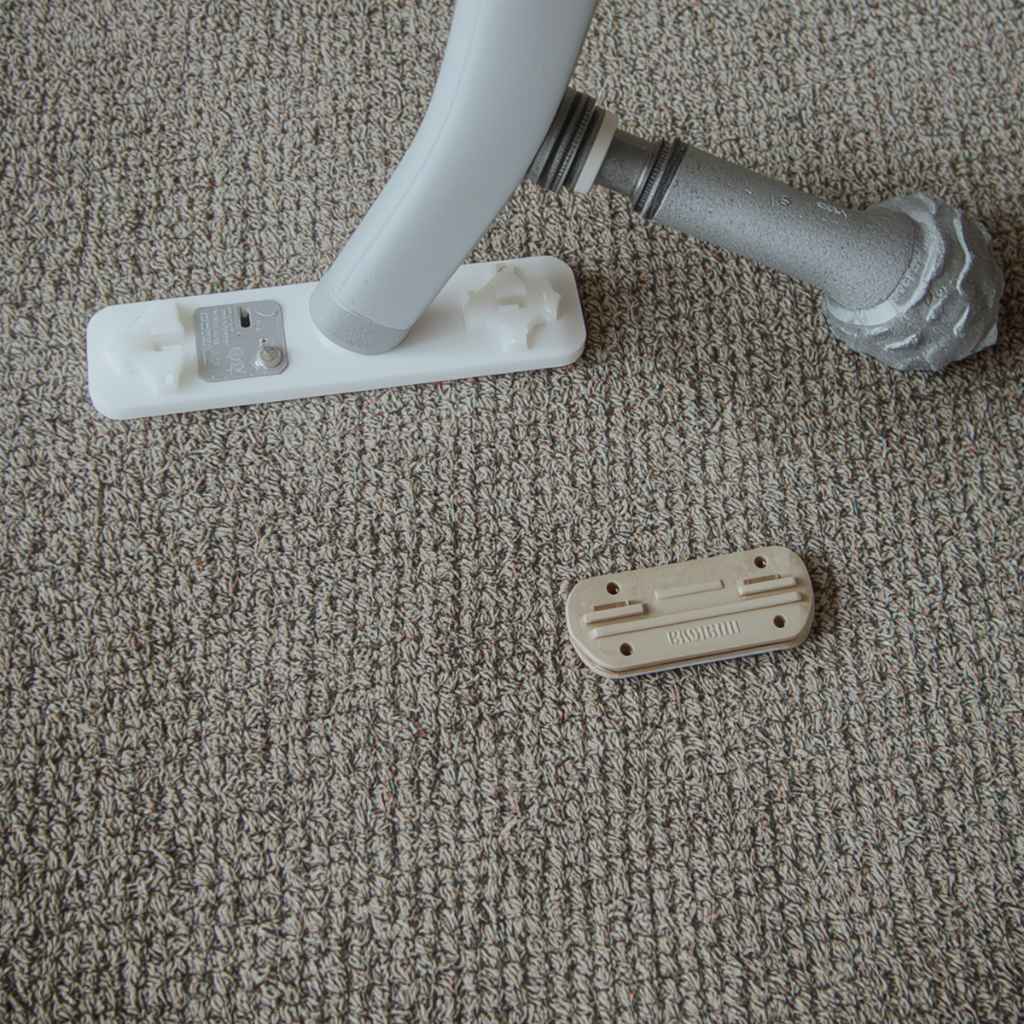
I remember one time. I was setting up for a small gig at a friend’s house. It was a nice living room.
But it had this super plush carpet. It felt like walking on clouds. I brought my keyboard and my sustain pedal.
I set it up. I plugged it in. Everything seemed fine.
Then I started playing.
The very first chord I hit. The sustain pedal slid forward. My foot missed it.
The note cut off. I tried again. This time, it slid to the side.
It was like the pedal had a mind of its own. I was getting so frustrated. I could hear the music stop and start.
It was ruining the feel. I felt a little panic rising. I looked down.
My foot was trying to find the pedal. But it kept moving away.
I tried to tuck it against a table leg. That helped a little. But it wasn’t ideal.
The whole time I was playing, I was thinking about the pedal. Not the music. It was a real distraction.
I wished I had brought some kind of mat. Or something to keep it from sliding. That night taught me a lesson.
Always be ready for different surfaces. Especially carpet.
Quick Grip Boosters
Rubber Bands: Wrap a few thick rubber bands around the bottom of your pedal. This adds instant grip.
Non-Slip Shelf Liner: Cut a piece to fit under your pedal. It’s cheap and works well.
Double-Sided Tape: A small piece can hold your pedal in place. Use tape meant for carpets.
Simple Solutions for Slipping Pedals
Okay, so we know why they slide. Now, what can we do? Luckily, there are easy ways to fix this.
You don’t need special tools. Most of these use things you might already have at home.
One of the simplest ideas is adding more grip to the bottom of the pedal. Think about what makes things stick. Rubber is good.
Rough textures are good. Anything that can grab onto the carpet fibers will help.
You can also create a barrier. Something that the pedal sits on. This barrier then sits on the carpet.
It’s like a little anchor. It stops the pedal from moving freely. We will look at different ways to do this.
Adding Grip to Your Pedal
Let’s start with what you can do directly to the pedal itself. This is often the quickest fix.
Using Rubber Bands
This is super easy. Grab some thick rubber bands. The kind you might use for mail or vegetables.
Wrap them around the base of your pedal. Go around a few times. You want them to create a band of rubber on the bottom.
When the pedal sits on the carpet, these rubber bands will dig in a bit. They will help hold it steady.
Make sure the rubber bands are not too thin. Thin ones might just get mashed. Thick, sturdy bands work best.
They give you a good amount of rubber contact. This stops the pedal from sliding easily. It’s a temporary fix.
But it’s great for when you need it fast.
Non-Slip Drawer Liner or Rug Gripper
You know that bumpy, grippy stuff you put in drawers? Or under rugs? That works wonders here.
Cut a piece of this material. Make it big enough to go under your pedal. Place the liner on the carpet.
Then put your pedal on top of the liner. The bumpy texture will grab the carpet. The pedal’s bottom will grip the liner.
This creates a nice buffer. It stops the pedal from moving too much. It also protects your carpet from scuff marks.
You can buy this stuff at most home stores. It’s not expensive. You can cut it to any shape you need.
A small rectangle or circle will do the job.
The key is that it has texture. It’s designed to stop things from sliding. So, it’s perfect for this job.
You can even use a piece of an old non-slip rug pad. Just cut off a small section. It’s all about giving the pedal something firm to grip.
Velcro Power
Hook-and-Loop Fasteners: Attach one side of heavy-duty Velcro to the bottom of your pedal. Stick the other side to a piece of carpet or a rug. This anchors it well.
Double-Sided Carpet Tape
This is a more permanent solution. But it’s very effective. Get some strong double-sided tape.
Make sure it’s meant for carpets or heavy-duty use. Stick a few strips to the bottom of your pedal. Or, stick one big piece.
Then, carefully place your pedal on the carpet. Press down firmly. The tape will stick to the carpet fibers.
Be careful with this one. This tape is strong. It might be hard to remove later.
It could also damage some delicate carpets. It’s best to test it in a small, hidden area first. If you’re using it for a temporary event, this might be too much.
But for a pedal that stays in one spot, it’s a great way to keep it from moving.
Some people also use a small piece of Velcro. Attach the loop side to the pedal. Then attach the hook side to a small mat.
Place the mat on the carpet. The Velcro will hold the pedal in place on the mat. The mat itself will resist sliding on the carpet.
Creating a Pedal Anchor or Mat
Sometimes, you need more than just adding grip to the pedal. You need something to keep the whole setup steady. This is where mats and anchors come in handy.
Using a Small Doormat or Rug
A small, flat doormat can be a game-changer. Especially those made of rubber or with a rough backing. Place the doormat on the carpet.
Then place your pedal on top of the doormat. The doormat’s bottom will grip the carpet. The pedal’s bottom will grip the doormat.
This creates a stable platform. It’s like giving your pedal its own little stage. Choose a mat that doesn’t have too much pile.
A flat surface is best. Rubber-backed mats are ideal. They are designed to stay put.
You can often find these at discount stores or home improvement centers.
This is also a good option if you move your setup around a lot. You can just pick up the mat with the pedal on it. It’s easy to transport.
And it ensures your pedal will stay put wherever you set it up. Even on the plushest carpets.
DIY Stability Mats
Foam Mat: Cut a piece of craft foam or a thin yoga mat. This adds a bit of cushion and grip.
Cardboard Base: A sturdy piece of cardboard can act as a rigid base. Cover it with grip tape or fabric.
Old Mousepad: The rubber backing on an old mousepad can offer surprising grip.
DIY Weighted Base
Want something more substantial? You can make your own weighted base. Get a piece of wood or sturdy plastic.
Make it a bit bigger than your pedal. Attach some weights to the bottom. Like small metal plates or even heavy washers.
Then, attach some non-slip material to the top surface. Where the pedal will sit.
This creates a heavy anchor. It’s much harder for the carpet to move it. The weight keeps it grounded.
The non-slip top keeps the pedal from sliding on the base. This is a bit more involved. But it offers maximum stability.
It’s great for pedals that are used very often.
You could even attach the pedal directly to this base. Using Velcro or strong adhesive. Then the whole unit is anchored.
It becomes one solid piece. This is probably overkill for most people. But for serious musicians or those with very slippery setups, it’s an option.
Securing the Pedal in Place
These methods focus on physically holding the pedal down. So it can’t slide around.
Using Velcro Straps or Ties
If your pedal has holes or loops on the side, you might be able to use Velcro straps. Like the kind you use to organize cables. You can strap the pedal down to something heavy.
Or to a nearby piece of furniture. This isn’t always practical. But it’s a thought.
Another idea is to use Velcro strips. Attach one side of Velcro to the bottom of your pedal. Attach the other side of Velcro to a carpet mat.
Or to a rug that you don’t mind attaching things to. This creates a strong bond. The pedal won’t slide on the mat.
And the mat itself will resist sliding on the main carpet.
This is a good compromise. It’s not as permanent as glue. But it’s much more secure than just rubber bands.
You can easily peel the pedal off the mat. And peel the Velcro off the pedal if needed. Just use strong, industrial-strength Velcro for the best hold.
Weighty Solutions
Heavy Books: Place a few heavy books around the pedal on a mat. This adds weight.
Sandbags (Small): Small, decorative sandbags can be placed on a mat to weigh it down.
Using a Cable Tie System
This is a bit more of a hack. But it can work. If your pedal has a sturdy frame, you might be able to use zip ties.
Or strong cable ties. You could loop them through the pedal frame. And then anchor them to something sturdy.
Like the legs of a table or chair. This might look a bit messy. But it would keep the pedal from moving.
This is more for a fixed setup. Like in a home studio. Where the pedal stays in one place.
You wouldn’t want to do this for a portable setup. It takes too long to set up and take down. But for a permanent spot, it can offer great security.
Just make sure the ties are strong and don’t damage the pedal.
Considering Carpet Type and Pedal Design
It’s worth thinking about your specific situation. Not all carpets are the same. And not all pedals are the same.
What works for one person might not work for another.
Thick Pile vs. Low Pile Carpet
On a thick, plush carpet, pedals tend to sink in. This makes them very prone to sliding. You need something that provides a solid base.
A thicker mat or a more aggressive grip enhancer will be needed. Rubber bands might just get lost in the pile.
On a low-pile carpet, the fibers are shorter. The pedal might not sink as much. But the tight weave can still create friction.
Non-slip liners and double-sided tape can work very well here. They can really grab onto the carpet fibers.
Think about the texture of your carpet. Is it smooth? Is it fuzzy?
Does it have loops? The more texture your carpet has, the more likely your pedal is to catch and move.
Pedal Weight and Size
Lighter pedals are more likely to slide. A small, lightweight footswitch won’t have much weight to hold it down. Heavier pedals, like a full-size sustain pedal for a digital piano, will have more mass.
This mass helps keep them in place.
If you have a very light pedal, you might need to add weight. Or use a very strong anchoring method. If you have a heavy pedal, simple rubber bands or a non-slip mat might be enough.
What To Avoid
Super Glue: Too permanent. Hard to remove. Can damage pedals and carpet.
Masking Tape: Not strong enough. Will peel off easily.
Placing on a Slippery Mat: Ensure the mat itself doesn’t slide on the carpet.
When to Seek Professional Help (Or Just Buy a New Pedal)
For most people, the simple fixes are enough. But what if you’ve tried everything? And your pedals still slide?
It might be time to look at your equipment. Some pedals are just designed poorly for carpet. Others might have worn-out feet.
You could consider buying a new pedal. Look for pedals that are known to have good grip. Or ones that come with a rubberized base.
You could also look into specialized anti-slip mats designed for musical equipment. These are often made of dense rubber. They are designed to stay put on any surface.
They offer excellent stability for pedals.
If you’re using your pedals for professional work, investing in a good anti-slip solution is wise. It will save you a lot of hassle and embarrassment. Think about how much time and frustration you can save.
Sometimes, a small investment pays off big.
Real-World Scenarios
Let’s imagine some situations where pedals might slide on carpet.
Home Studio Setup
You have a home studio. Your keyboard is set up. You have a few pedals.
They sit on a carpeted floor. You’re recording a track. You need that sustain.
But the pedal keeps sliding. This is where a good anti-slip mat is perfect. Or maybe some strong Velcro strips attached to a rug.
Living Room Jam Session
You’re having friends over. You bring out your guitar and pedals. You plug into an amp.
You set the pedals on the living room carpet. It’s a casual setup. You don’t want anything too permanent.
Rubber bands or a non-slip drawer liner would be ideal here.
Stage Performance on Carpet
Some small venues might have carpeted stages. This can be a nightmare. You need your pedals to stay put.
This is where a secure method is crucial. Double-sided carpet tape or a dedicated stage mat might be the best bet. You don’t want your foot slipping at a key moment.
Pedal Placement Tips
Against a Wall: Place the pedal against a wall or furniture leg. This limits movement.
In a Row: If you have multiple pedals, place them in a line. The edges can help hold each other in place.
Angled Approach: Sometimes angling the pedal slightly can help it dig into the carpet.
When is Pedal Sliding Normal?
It’s normal for pedals to move a little. Especially if you’re playing very dynamically. Or if the carpet is particularly soft.
A slight shift isn’t usually a big deal. It becomes a problem when it interferes with your playing.
If you have to constantly readjust the pedal. Or if your foot misses it often. Then it’s a problem.
If the pedal slides several inches with just a normal press. That’s not normal. It means the grip is poor.
When Should You Worry?
You don’t usually need to worry about safety with pedal sliding. Unless it’s causing you to trip. Or if it’s in a high-traffic area.
The main concern is performance. It’s about being able to play without interruption.
If you’ve tried a few simple solutions and they don’t work. Then you might need a more robust fix. Or consider if the pedal itself is the issue.
Does it have rubber feet? Are they worn out?
Quick Checks You Can Do
Before you try any fixes, check a few things:
- Look at the bottom of your pedal. Are the rubber feet intact? Are they worn down?
- Feel the carpet. Is it very thick? Is it very slippery?
- Try pressing the pedal gently. Does it move right away?
- Press the pedal firmly. How much does it move?
These checks will help you decide the best fix.
Quick Fixes and Tips
Here’s a recap of the best quick fixes:
- Rubber Bands: Wrap several around the pedal base.
- Drawer Liner: Cut a piece and place it under the pedal.
- Small Rug: Use a flat, rubber-backed rug as a base.
- Carpet Tape: A small piece can secure the pedal. (Use with caution).
These are all things you can do in minutes. They require minimal effort. And they can make a big difference.
Frequently Asked Questions
What is the easiest way to stop pedals from sliding on carpet?
The easiest way is often to wrap thick rubber bands around the base of the pedal. This adds instant grip and usually works well for light to moderate sliding.
Will double-sided tape damage my carpet?
Some double-sided tapes are very strong and can potentially damage delicate carpet fibers or backing when removed. It’s always best to test a small, inconspicuous area first. Tapes specifically designed for carpets are usually safer.
Can I use an old mousepad to stop my pedal from sliding?
Yes, absolutely! The rubber backing on many old mousepads provides excellent grip. Cut it to size and place it under your pedal.
It’s a great way to repurpose an old item.
Is it okay if my pedal moves just a little bit?
A small amount of movement is often normal, especially on soft carpets. It only becomes a problem if it consistently interferes with your playing, causing missed notes or awkward foot adjustments.
What kind of carpet is worst for pedal sliding?
Thick, plush carpets (like shag) and very tightly woven carpets tend to be the worst. Plush carpets allow pedals to sink, while tight weaves can offer less purchase for grip solutions.
Do heavier pedals slide less on carpet?
Generally, yes. Heavier pedals have more weight to help hold them in place. However, even heavy pedals can slide on certain types of carpet, especially if they have smooth feet.
Final Thoughts
Dealing with sliding pedals on carpet is a common issue. But it’s an easy one to fix. With a few simple tricks, you can keep your pedals right where you want them.
This means smoother playing. And less frustration. Experiment with these ideas.
Find what works best for you and your setup. Happy playing!
See also how many pedals does a first cycle have answered simply. See also how to use the gas pedal properly for smooth driving.
Products related to this article
Sponsored / affiliate links. As an Amazon Associate I earn from qualifying purchases. I may earn additional commission from eligible campaigns.