Where Do You Take Your Car for an Oil Change Near You?
Regular oil changes are the foundation of a healthy, long-lasting vehicle. Whether you drive a high-performance sports car or a reliable family sedan, knowing where to take your car for an oil change near you is crucial for maintaining peak performance and avoiding costly repairs. Despite the ubiquity of quick lube shops and dealership service centers, finding the right fit for your needs, balancing convenience, quality, and price, can be surprisingly complex. With the average American driving over 13,000 miles annually (Federal Highway Administration), oil changes are a recurring necessity, not a one-time chore.
When your dashboard light flickers or your mileage creeps up, the decision isn’t just about location, it’s about expertise, trust, and value. This guide will equip you with actionable insights, real-world data, and practical tips to help you confidently select the ideal oil change provider.
From comparing local mechanics to national chains, we’ll examine service quality, cost, speed, warranty coverage, and more. Read on to learn how to make the right choice for your car and your schedule.
Key Takeaways
- Oil changes are essential for vehicle health and longevity; neglecting them can lead to expensive repairs.
- You can choose between dealerships, independent mechanics, quick lube chains, tire shops, and DIY for an oil change.
- Factors like cost, convenience, expertise, and warranty coverage should guide your decision.
- National chains often offer speed and low prices, while dealerships deliver manufacturer expertise.
- Real-world examples and comparison tables help clarify pros and cons of each option.
- Always verify service provider certifications and read customer reviews before booking.
The Importance Of Regular Oil Changes
Changing your car’s oil isn’t just routine maintenance, it’s a preventative measure that directly impacts engine performance and lifespan. Engine oil lubricates moving parts, reduces friction, cools the engine, and removes contaminants. According to the Car Care Council, neglecting oil changes can cause sludge buildup, overheating, and even engine failure.
Engine Longevity And Performance
Fresh oil ensures that your engine runs smoothly and efficiently. A well-lubricated engine minimizes wear on critical components, which is why manufacturers recommend oil changes every 5,000 to 7,500 miles for most vehicles (consult your owner’s manual for specifics). High-mileage or performance vehicles may require more frequent changes.
Cost Implications Of Neglect
Skipping oil changes can be expensive. Engine replacements can cost $4,000 to $10,000 depending on make and model. Regular oil changes, averaging $40, $70 at most shops, are a minor investment compared to major repairs. Example: A 2012 Honda Accord owner who skipped oil changes saw engine failure at 80,000 miles, resulting in a $5,000 repair bill, much higher than the cumulative cost of regular maintenance.
Warranty And Service Records
Maintaining regular oil changes is often a prerequisite for keeping your car’s warranty valid. Manufacturer warranties may be voided if service records don’t show timely oil changes. Always keep receipts and service logs, digital or paper, as proof.
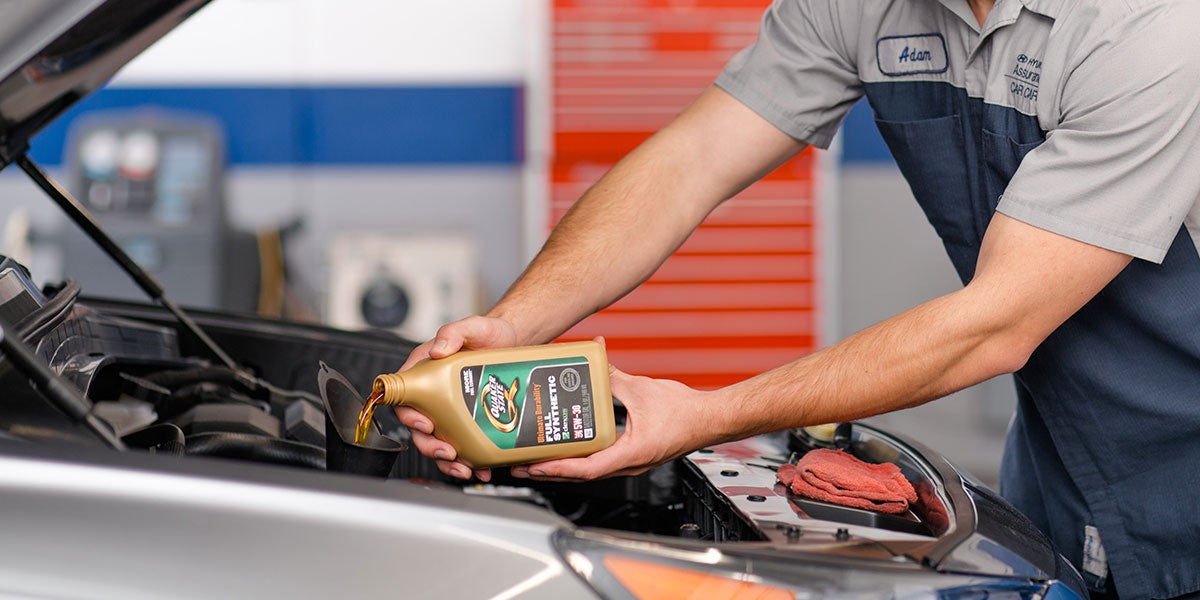
Credit: www.hollerhyundai.com
Types Of Oil Change Providers
The landscape of oil change providers is diverse. Each offers unique advantages and trade-offs. Let’s examine the main categories:
| Provider Type | Average Price | Service Speed | Expertise | Warranty |
|---|---|---|---|---|
| Dealership | $60, $120 | 1, 2 hours | Manufacturer certified | OEM warranty |
| Quick Lube Chain | $40, $75 | 20, 30 minutes | General | Limited |
| Independent Mechanic | $50, $80 | 1 hour | Varies | Shop warranty |
| Tire Shop | $45, $80 | 45, 60 minutes | General | Limited |
| DIY | $25, $50 (parts only) | 60, 90 minutes | Self | None |
Dealership Service Centers
Dealerships are ideal for newer vehicles still under warranty. Technicians are manufacturer-certified and use OEM parts. Expect higher prices, but you benefit from precise expertise and warranty protection. Scheduling may require more lead time, and service is typically slower than quick lube shops.
Quick Lube Chains
Brands like Jiffy Lube and Valvoline Instant Oil Change are ubiquitous and specialize in speed. These shops often offer drive-through service, completing oil changes in 20, 30 minutes. Prices are competitive, but technicians may not be manufacturer-certified, and upselling of additional services is common.
Independent Mechanics
Local mechanics offer personalized service and can often address broader maintenance needs alongside oil changes. Prices vary, and expertise depends on certifications (ASE, manufacturer training). For older vehicles or those out of warranty, independent shops can provide excellent value.
Tire Shops
National tire chains like Discount Tire or Pep Boys often provide oil changes as part of broader automotive services. Quality and speed are comparable to independent mechanics, and you can bundle services (e.g., tire rotation, brake inspection) for convenience.
Diy Oil Changes
If you have the tools and know-how, DIY oil changes offer maximum control and savings. You’ll need to purchase oil, a filter, and disposal supplies. While cost is low, there’s no warranty, and improper technique can lead to engine damage.

Credit: www.sansonestoyota.com
How To Choose The Best Oil Change Provider Near You
Selecting the right provider involves more than just searching “oil change near me.” Consider these criteria:
Proximity And Convenience
Location matters, especially if you have a tight schedule. Use tools like Google Maps or Yelp to find nearby shops. Many chains offer online booking and real-time availability.
- Pro Tip: Look for shops within a 5-mile radius to minimize travel time.
Price Transparency
Compare prices before you book. Some providers offer online estimates or menu pricing. Watch for hidden fees, such as disposal charges or upcharges for synthetic oil.
Technician Credentials
Ask about certifications. ASE-certified technicians demonstrate advanced skills and knowledge. Dealerships typically employ manufacturer-trained staff, while independent shops may vary.
Warranty And Service Guarantees
Check if the oil change includes a warranty. Dealerships offer OEM coverage, while chains may provide limited guarantees. Always ask for details before authorizing work.
Customer Reviews
Read recent reviews on platforms like Yelp and Google. Pay attention to comments about service speed, staff professionalism, and transparency.
| Criteria | Dealership | Quick Lube | Independent Mechanic | Tire Shop |
|---|---|---|---|---|
| Proximity | May require travel | Widespread | Local | Widespread |
| Price Transparency | Clear, but higher | Menu pricing | Varies | Menu pricing |
| Credentials | Manufacturer-trained | General | Varies | General |
| Warranty | OEM | Limited | Shop warranty | Limited |
| Reviews | Mixed | Mixed | Often positive | Mixed |
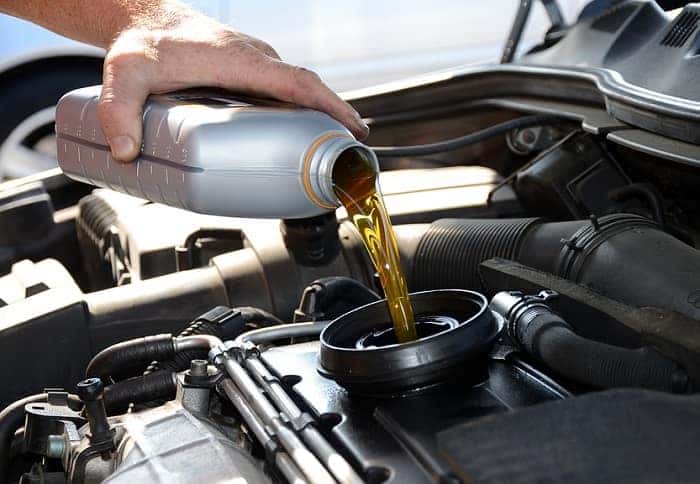
Credit: www.drivedavid.com
Comparing Popular Oil Change Chains And Local Options
When weighing national chains against local mechanics, consider these factors:
Speed And Efficiency
Quick lube chains excel in speed, with many offering drive-through service. Local mechanics may require appointments and longer wait times, but often provide more thorough inspections.
Example: Jiffy Lube typically completes oil changes in 20, 30 minutes, while a local mechanic may take 45, 60 minutes but checks fluid levels, brakes, and tires as part of the service.
Price Differences
Chains offer competitive prices due to volume. Local shops may charge more but can tailor services to your car’s needs.
Quality Of Service
Dealerships and reputable independent mechanics deliver higher-quality service, using OEM parts and following manufacturer protocols. Chains may use generic parts and focus on speed.
Customer Experience
Local shops often provide a more personalized touch. You can speak directly to the technician and ask questions. Chains may have less time for one-on-one interaction.
Real-world Case Study
A 2026 survey by Consumer Reports found that customers rated independent shops highest for satisfaction, especially for transparency and trustworthiness. Chains scored well for speed but lower for upselling and attentiveness.
What Happens During An Oil Change?
Understanding the process helps you evaluate service quality and avoid unnecessary upsells.
Step-by-step Breakdown
- Vehicle inspection: Technician checks for leaks, fluid levels, and tire pressure.
- Drain old oil: Engine oil is drained from the pan.
- Replace oil filter: Old filter is removed, new one installed.
- Add new oil: Correct type and quantity of oil added.
- Check other fluids: Coolant, brake, transmission, and power steering fluids checked.
- Reset maintenance light: For newer cars, dashboard indicator is reset.
- Final inspection: Technician checks for leaks and ensures proper oil level.
Types Of Oil
The type of oil used impacts performance and price:
- Conventional oil: Standard for most vehicles; lower cost.
- Synthetic oil: Engineered for better performance, longevity, and high temperatures.
- Synthetic blend: Mix of synthetic and conventional; balances performance and cost.
- High-mileage oil: Formulated for older engines with over 75,000 miles.
Additional Services
Many providers offer add-ons, such as tire rotation, air filter replacement, or fluid top-offs. Evaluate whether these are necessary based on your car’s maintenance schedule.
Warning: Upselling is common at quick lube chains. Always consult your owner’s manual or mechanic before authorizing extra services.
Real-world Examples And Case Studies
Concrete examples illuminate the differences between oil change providers.
Example 1: Dealership Service Experience
A Toyota Camry owner under warranty chose a dealership for oil changes. The service included a multi-point inspection, OEM oil and filter, and a digital record for warranty validation. Cost was higher ($90), but peace of mind was worth it.
Example 2: Quick Lube Chain Efficiency
A Ford F-150 owner used Valvoline Instant Oil Change. The process took 22 minutes with no appointment. Standard synthetic oil was used, and a coupon reduced the price to $55. Upselling was present but easy to decline.
Example 3: Independent Mechanic Value
A Subaru Outback owner visited a local ASE-certified mechanic. The oil change cost $70 and included a brake inspection and fluid top-off. The mechanic explained every step, and the customer received a 90-day service guarantee.
Factors That Influence Oil Change Cost And Quality
Several variables determine how much you pay and the quality you receive:
Vehicle Type
Luxury or performance vehicles often require synthetic oil and specialized filters, increasing cost. For example, a BMW may need a $120 oil change, while a Honda Civic averages $50, $60.
Oil Type
Synthetic oil costs more but lasts longer (up to 10,000 miles). Conventional oil is cheaper but requires more frequent changes.
Location
Urban areas typically have higher prices due to labor and overhead. Rural shops may offer lower rates.
Promotions And Coupons
Chains frequently run discounts, especially for first-time customers. Always check provider websites or apps for coupons.
Service Bundles
Some shops offer bundled services (e. g. , oil change + tire rotation) for a reduced rate. Evaluate bundle value based on your maintenance needs.
How To Find Reliable Oil Change Providers Near You
Research and due diligence are key to finding a trustworthy provider.
Online Search Tools
Platforms like Google Maps, Yelp, and Angie’s List help locate and compare nearby providers. Filter by rating, distance, and price.
Certification Verification
Look for ASE certification or manufacturer training. Shops often display credentials in waiting areas or on websites.
Review Analysis
Read recent reviews for insights on speed, pricing, and professionalism. Look for patterns, multiple complaints about upselling or sloppy work are red flags.
Local Recommendations
Ask friends, family, or coworkers for referrals. Word-of-mouth is a powerful indicator of service quality.
Example: Personal Experience
In my experience, a local ASE-certified shop outperformed a quick lube chain in both thoroughness and transparency. The mechanic explained every step and provided a clear estimate before starting work.
Diy Oil Change: Pros, Cons, And How-to
Changing your own oil is an option for those with basic mechanical skills.
Advantages
- Cost savings: No labor charge; only pay for oil and filter.
- Control: Choose oil type and filter brand.
- Learning: Gain mechanical skills.
Disadvantages
- Time-consuming: 60, 90 minutes for most cars.
- No warranty: Mistakes can lead to engine damage.
- Waste disposal: Must handle used oil responsibly.
Basic Steps
- Gather tools: Wrench, oil pan, funnel, gloves, jack, and stands.
- Warm up car: Run engine briefly to loosen oil.
- Drain oil: Remove drain plug, let oil flow into pan.
- Replace filter: Remove old, install new.
- Add new oil: Use funnel, check level.
- Dispose of oil: Take to a recycling center (never pour down drain).
Pro Tip: Always use oil and filters that meet your vehicle’s specifications.
When To Opt For Diy
DIY is ideal for older vehicles or those out of warranty, and for car enthusiasts comfortable with maintenance. For newer or complex vehicles, professional service is safer.
The Role Of Oil Change In Overall Vehicle Maintenance
Oil changes are just one piece of the maintenance puzzle.
Maintenance Schedules
Manufacturers publish maintenance schedules specifying oil change intervals and other services (e. g. , brake, coolant, transmission fluid). Following these schedules preserves vehicle performance and resale value.
Integrating Services
Combining oil changes with tire rotations, brake inspections, or air filter replacements saves time and money. Many shops offer package deals.
Service Records
Keep detailed records of all maintenance. Digital apps like MyCarFax help track service history and remind you of upcoming oil changes.
Impact On Resale Value
A well-maintained vehicle with documented oil changes commands higher resale value. Buyers and dealers look for maintenance logs as proof of care.
Frequently Asked Questions
How Often Should I Change My Car’s Oil?
Most experts recommend changing oil every 5,000 to 7,500 miles for modern vehicles using synthetic oil. Older cars or those using conventional oil may require changes every 3,000 to 5,000 miles. Always consult your owner’s manual for manufacturer recommendations.
Is Synthetic Oil Worth The Extra Cost?
Synthetic oil offers better performance, longer intervals, and improved protection, especially in extreme temperatures or high-mileage engines. While it costs more, its durability and engine benefits often justify the expense for most drivers.
Can I Switch From Conventional To Synthetic Oil?
Yes, you can switch, but ensure your car is compatible. Most modern vehicles accept synthetic oil without issue. If your car is older, consult a mechanic to avoid potential leaks caused by the switch.
What Happens If I Skip Oil Changes?
Skipping oil changes can cause engine sludge, overheating, and eventual engine failure. Long-term neglect may void warranties and require expensive repairs or replacements. Regular maintenance saves money and preserves vehicle health.
How Do I Dispose Of Used Oil After A Diy Oil Change?
Used oil must be disposed of at a certified recycling center or auto parts store. Many retailers accept used oil for free. Never pour oil down drains or onto the ground, improper disposal is illegal and environmentally harmful. For further guidance, see EPA’s Used Oil Recycling Guidelines.
Choosing the right place for an oil change near you is about more than convenience, it’s about ensuring your vehicle gets quality care at a fair price. By weighing factors like cost, expertise, warranty, and customer reviews, you can make an informed decision that protects your investment. Whether you opt for a dealership, quick lube chain, independent mechanic, or DIY, regular oil changes are the cornerstone of reliable vehicle performance. For additional data and resources, consult the Oil Change Wikipedia page. Remember, proactive maintenance pays off in longevity, efficiency, and peace of mind.