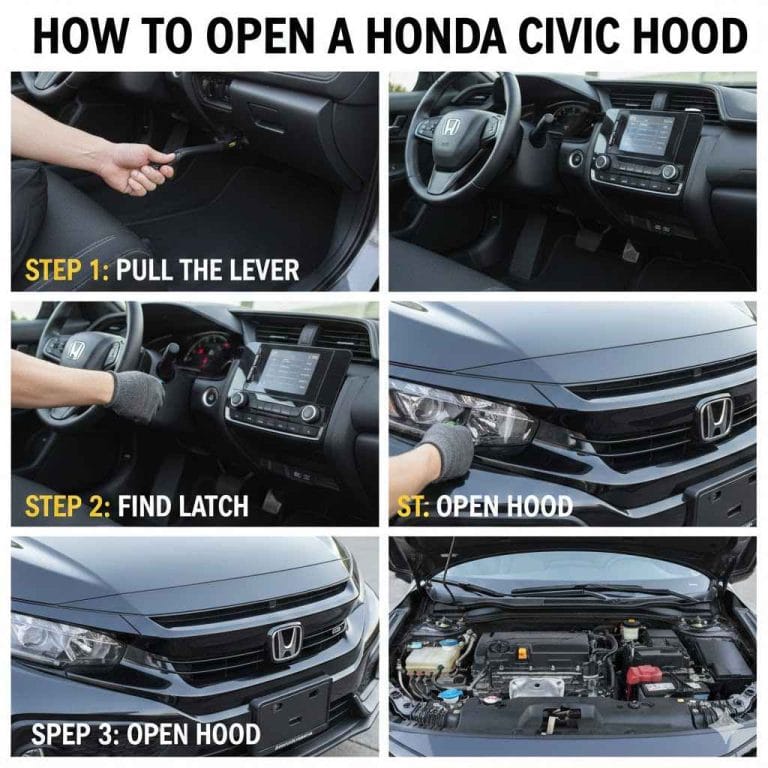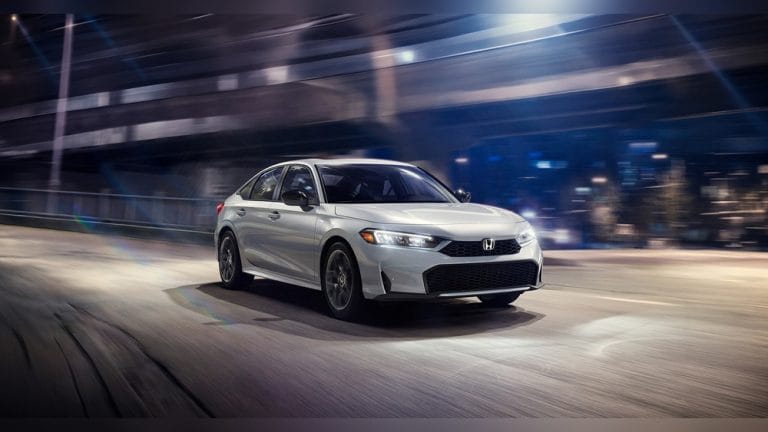
Is the Honda Civic a Good Car for Daily Driving? Yes
The Honda Civic has long been one of the most recognizable compact cars on the road. With a reputation for reliability, efficiency, and value, it has consistently been a top choice among commuters, students, and families alike. But is the Honda Civic truly a good car for daily driving, and if so, why do so many drivers trust it as their go-to vehicle for everyday life?
From bustling city streets to long highway commutes, the Civic’s enduring popularity isn’t just a matter of brand recognition. Owners cite its low cost of ownership, comfortable ride, and impressive fuel economy as key advantages. Backed by decades of engineering refinement and millions of satisfied drivers worldwide, the Civic remains a benchmark in the compact segment.
This article takes an in-depth look at the Honda Civic’s real-world performance as a daily driver, analyzing its features, reliability, user experiences, and how it compares to the competition.
Key Takeaways
- The Honda Civic offers exceptional fuel efficiency, reliability, and comfort for daily driving.
- Maintenance costs and overall cost of ownership remain low compared to rivals.
- Newer Civics feature advanced safety and technology, enhancing the daily commute.
- The Civic’s spacious interior and flexible cargo space suit a wide range of lifestyles.
- Real-world examples and owner feedback consistently support its status as a top daily driver.
- It remains competitive against other compact cars in value, comfort, and performance.

Credit: www.automartjacksonville.com
Honda Civic Overview: A Legacy Of Daily Driving Excellence
A Brief History Of The Civic
The Honda Civic debuted in 1972 as a small, efficient, and affordable vehicle. Over the decades, it has evolved through eleven generations, each introducing new technology, improved engineering, and enhanced comfort. The Civic’s reputation for reliability and low running costs quickly made it a fixture on American roads. According to the Honda Motor Company, over 12 million Civics have been sold in the United States alone.
Consistent Awards And Recognition
The Civic is consistently recognized by industry experts and automotive publications. It has won multiple Car and Driver 10Best awards and frequently appears on lists of the best compact cars for daily driving. In 2026, U.S. News & World Report ranked the Honda Civic as the #1 Compact Car for the year, citing its balance of quality, value, and efficiency.
Model Variants And Flexibility
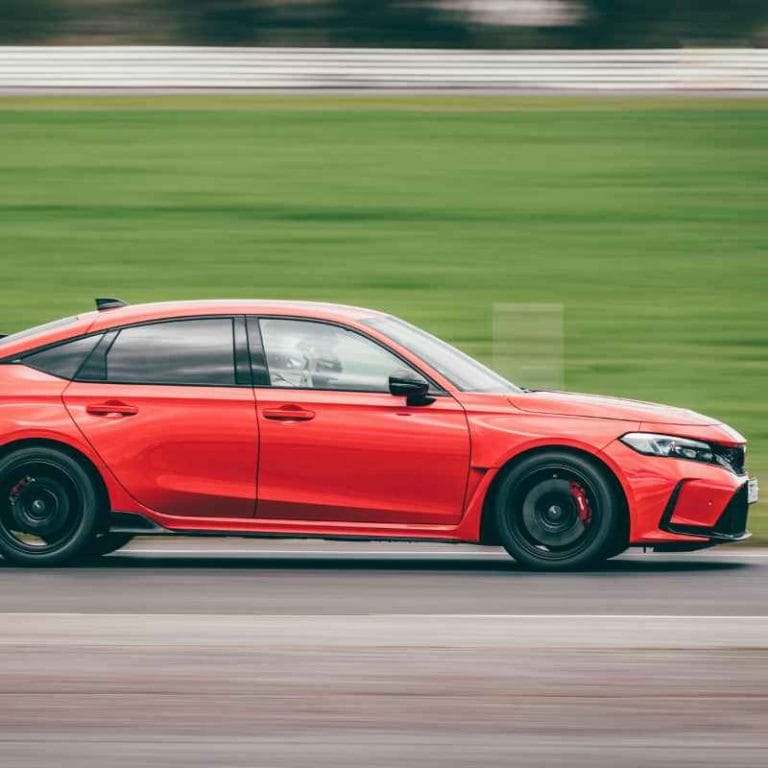
Honda offers the Civic in several body styles, sedan, hatchback, and formerly coupe, as well as various trims like LX, Sport, EX, and Touring. This variety ensures that buyers can find a Civic tailored to their daily driving needs, whether they prioritize sporty handling, maximum efficiency, or advanced features.
Example: The Commuter’s Choice
For instance, a 2026 Honda Civic EX owner in Chicago commutes 45 miles daily. They report that the car’s fuel economy, smooth CVT transmission, and advanced driver assistance features make rush-hour traffic less stressful and more economical compared to their previous mid-size sedan.
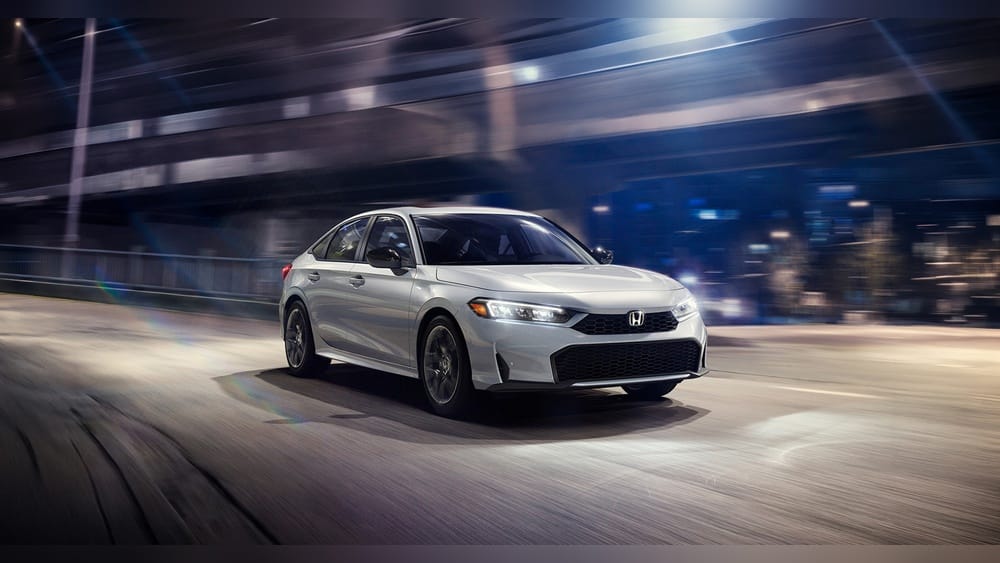
Credit: www.pacifichonda.com
Daily Driving Experience: Comfort, Handling, And Efficiency
Ride Quality And Cabin Comfort
The Civic’s interior is widely praised for its comfortable seating, ergonomic layout, and high-quality materials for the segment. Both front and rear seats provide ample space for adults, while road and wind noise are well managed, especially in recent generations. Features like dual-zone climate control, heated seats, and advanced infotainment systems add to overall comfort.
Handling And Maneuverability
One of the Civic’s standout traits is its balanced handling. The steering is precise, and the suspension provides a blend of comfort and agility. Whether navigating tight city streets or cruising on the highway, the Civic inspires confidence. The compact size and tight turning radius further make parking and low-speed maneuvering easy.
Fuel Efficiency Data
A significant factor in the Civic’s appeal is its excellent fuel efficiency. According to the EPA, the 2026 Honda Civic sedan achieves up to 33 mpg city and 42 mpg highway, depending on the trim and engine choice. This translates to real savings for daily commuters.
| Model Year | Engine | City MPG | Highway MPG | Combined MPG |
|---|---|---|---|---|
| 2026 Civic LX | 2.0L I4 | 31 | 40 | 35 |
| 2026 Civic EX | 1.5L Turbo | 33 | 42 | 36 |
| 2026 Civic Sport | 2.0L I4 | 30 | 37 | 33 |
Technology And Connectivity
Modern Civics come equipped with user-friendly infotainment systems, including Apple CarPlay and Android Auto integration. Higher trims add wireless connectivity, premium audio, and navigation. For daily drivers who spend significant time in their car, these features can make commutes more enjoyable and productive.
Example: Urban Vs. Suburban Commute
When tested back-to-back in urban and suburban environments, the Civic’s small footprint allowed for easy parking in downtown lots, while its comfortable suspension and supportive seats made longer suburban drives fatigue-free. The infotainment system’s quick Bluetooth pairing was a highlight for those who rely on podcasts or hands-free calls.
Reliability And Cost Of Ownership
Honda’s Reliability Reputation
Honda’s reputation for reliability is one of the Civic’s strongest selling points. Consistently ranked highly by sources like J.D. Power and Consumer Reports, the Civic regularly outperforms competitors in long-term dependability studies. Many Civics exceed 200,000 miles with only routine maintenance.
Maintenance Costs
The Civic’s maintenance costs are among the lowest in its class. According to YourMechanic, the average annual maintenance cost for a Honda Civic is around $368, compared to $526 for the average compact car. Affordable parts and widespread availability of service centers further reduce expenses.
Insurance And Depreciation
Insurance rates for the Honda Civic are typically lower than average, thanks to its strong safety ratings and low theft risk. In terms of depreciation, the Civic holds its value better than most rivals. After five years, a Civic retains approximately 56% of its value, according to Kelley Blue Book.
| Model | 5-Year Depreciation (%) | Annual Maintenance Cost |
|---|---|---|
| Honda Civic | 44 | $368 |
| Toyota Corolla | 42 | $362 |
| Hyundai Elantra | 49 | $452 |
| Volkswagen Jetta | 52 | $609 |
Real-world Example: High-mileage Civic
A 2015 Civic owner in Los Angeles documented reaching 220,000 miles with only standard oil changes, brake replacements, and one alternator swap. Their Civic remained a reliable daily driver, with no major repairs required over eight years of ownership.
Pro Tip:
For maximum longevity, follow the maintenance schedule outlined in the owner’s manual and use genuine Honda parts whenever possible.

Credit: www.cvhonda.com
Safety And Advanced Driver Assistance Systems
Crash Test Ratings
The Civic consistently earns high marks in crash testing. The 2026 Honda Civic received a Top Safety Pick+ rating from the Insurance Institute for Highway Safety (IIHS) and a 5-star overall rating from the National Highway Traffic Safety Administration (NHTSA).
Standard And Available Safety Features
Recent Civics come standard with the Honda Sensing® Suite, which includes:
- Collision Mitigation Braking System (CMBS)
- Road Departure Mitigation System (RDM)
- Adaptive Cruise Control (ACC)
- Lane Keeping Assist System (LKAS)
- Traffic Sign Recognition
Higher trims offer additional features like blind-spot monitoring and rear cross-traffic alert.
Safety In Daily Use
These driver assistance technologies are especially valuable for daily drivers who face heavy traffic or frequent stop-and-go conditions. Adaptive cruise control and lane-keeping reduce fatigue on longer commutes, while automatic emergency braking can prevent low-speed collisions in urban environments.
Example: Avoiding An Accident
A Civic owner in Seattle credits the car’s forward-collision warning and automatic emergency braking with preventing a rear-end collision during a sudden traffic jam. The system applied the brakes before the driver could react, avoiding damage and potential injury.
Comparison Table: Safety Tech In The Compact Segment
| Model | Standard AEB | Standard ACC | Blind-Spot Monitor | IIHS Top Safety Pick |
|---|---|---|---|---|
| Honda Civic | Yes | Yes | Optional | Yes (+) |
| Toyota Corolla | Yes | Yes | Optional | Yes |
| Hyundai Elantra | Yes | Yes | Optional | No |
| Volkswagen Jetta | No | No | Optional | No |
Child Safety And Family Use
The Civic’s rear seats are equipped with LATCH anchors for child seats, and the spacious rear cabin makes it practical for families with young children. The wide-opening doors facilitate easy access, an often-overlooked detail for parents.
Interior Space, Cargo, And Practicality
Cabin Space
Despite its compact exterior, the Civic offers a surprisingly roomy interior. The latest sedan and hatchback models provide ample headroom and legroom for both front and rear passengers. Materials and fit-and-finish have improved significantly in recent generations, enhancing the premium feel.
Cargo Space And Flexibility
The Civic sedan features a 14. 8 cubic-foot trunk, while the hatchback expands cargo capacity to over 24 cubic feet with the rear seats up, and over 46 cubic feet with them folded. This flexibility is ideal for daily tasks, from grocery runs to transporting sports equipment.
Storage Solutions
Clever storage compartments, deep door pockets, and a well-designed center console keep daily essentials organized and within reach. The rear seats split and fold, accommodating larger items when needed.
Example: Student Life
A college student in Boston shares that their Civic hatchback comfortably fits a bike, backpack, and several boxes during moves between dorms and apartments. The low trunk lift-over height and wide hatch opening are particularly helpful for loading heavy or bulky items.
Seating Comfort And Ergonomics
Honda pays attention to ergonomics. The Civic’s seating position, visibility, and control placement are designed to reduce driver fatigue, which is crucial for those who spend significant time behind the wheel each day.
Cost Efficiency: Ownership, Fuel, And Resale Value
Purchase Price And Financing
The Civic is competitively priced within the compact segment. Base models start below $25,000, while higher trims with more features remain affordable compared to similarly equipped rivals. Honda offers attractive financing and lease deals, making it accessible for a wide range of buyers.
Fuel Economy And Real-world Savings
As highlighted previously, the Civic’s fuel economy can save drivers hundreds of dollars per year compared to less efficient vehicles. For example, a driver averaging 15,000 miles annually at 35 mpg spends significantly less on fuel than someone driving a car that averages 25 mpg.
Cost Of Repairs And Common Issues
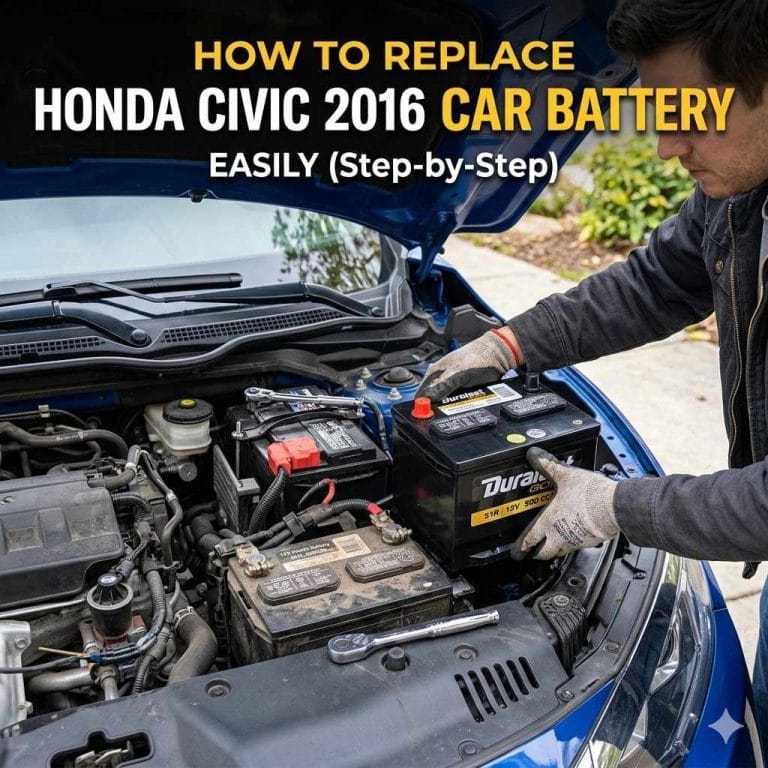
Common repairs, such as brake pad or battery replacement, are cost-effective due to the Civic’s widespread popularity and parts availability. Major issues are rare, but like any vehicle, regular maintenance is essential for keeping costs low.
Resale And Trade-in Value
The Civic’s strong resale value means owners can recoup a larger portion of their investment when it’s time to sell or trade in. This is a key advantage for those who plan to upgrade vehicles every few years.
Technology, Connectivity, And Modern Features
Infotainment System
Recent Civics feature a touchscreen infotainment system with Apple CarPlay and Android Auto. Menus are intuitive, and voice controls reduce distractions. Higher trims add wireless connectivity, navigation, and a premium Bose audio system.
Digital Gauges And Convenience
Many trims come with a digital instrument cluster that provides customizable information, from navigation prompts to fuel economy data. Push-button start, remote engine start, and proximity key entry are available on select trims, improving convenience for daily use.
Smartphone Integration And Charging
USB ports are standard, with wireless charging available on top trims. These features ensure devices stay powered and connected, which is especially important for today’s drivers.
Example: Tech For The Modern Commuter
In my experience testing a 2026 Honda Civic Touring, the wireless CarPlay made it easy to access maps and music without fumbling with cables, and the adaptive cruise control functioned smoothly in dense traffic, providing a stress-free commute.
Civic Vs. Competitors: How Does It Stack Up?
Direct Rivals
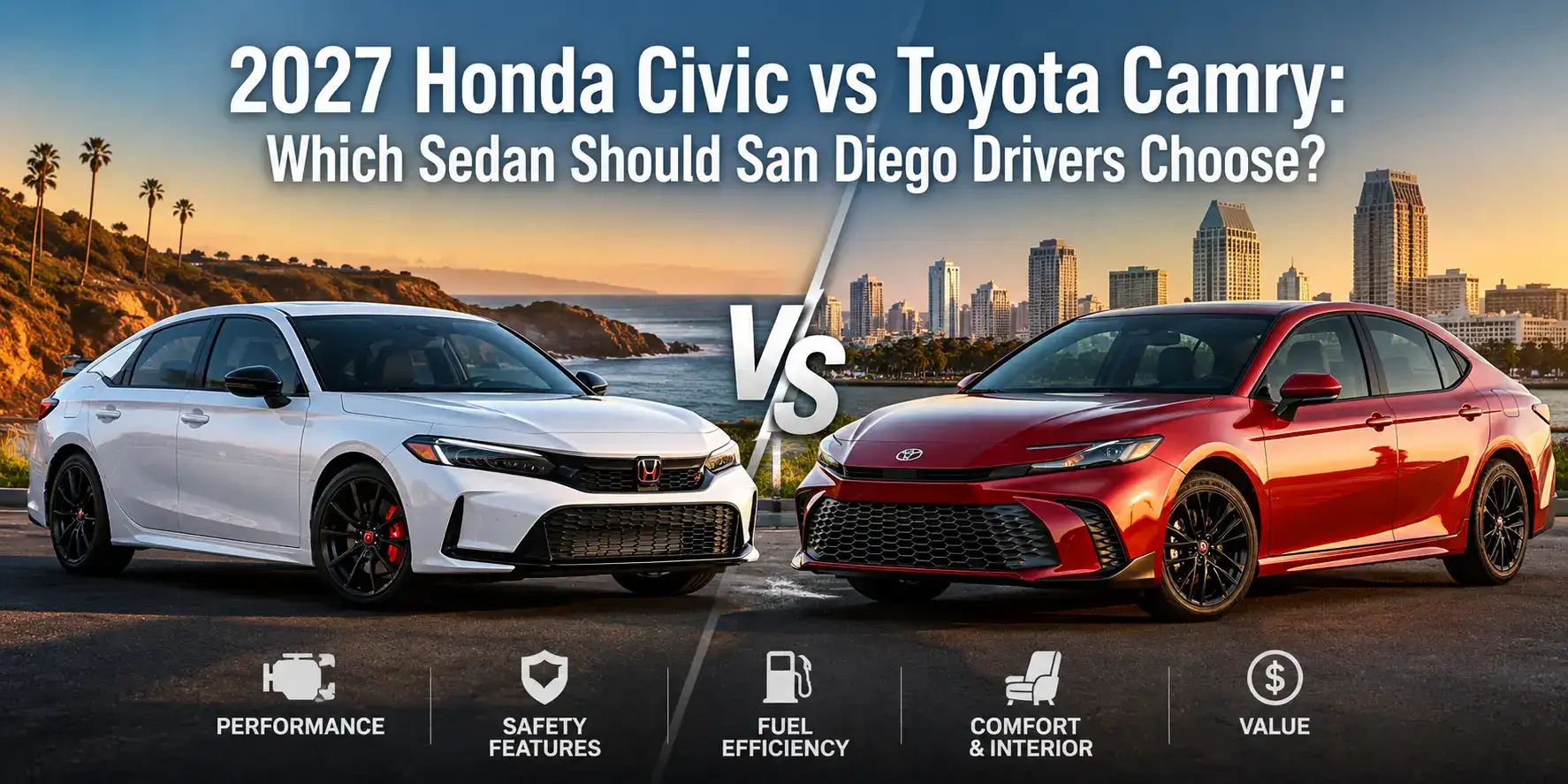
The compact car segment is highly competitive, with strong alternatives like the Toyota Corolla, Hyundai Elantra, and Mazda3. Each offers unique strengths, but the Civic consistently scores high for its well-rounded package.
Comparison Table: Civic Vs. Top Rivals
| Feature | Honda Civic | Toyota Corolla | Hyundai Elantra | Mazda3 |
|---|---|---|---|---|
| Base Price | $24,650 | $21,900 | $20,950 | $22,550 |
| Max MPG (Combined) | 36 | 35 | 37 | 31 |
| Rear Legroom (in.) | 37.4 | 34.8 | 38.0 | 35.1 |
| Trunk Space (cu.ft.) | 14.8 | 13.1 | 14.2 | 13.2 |
| IIHS Top Safety Pick | Yes | Yes | No | Yes |
| Apple CarPlay/Android Auto | Standard | Standard | Standard | Standard |
Advantages Over Rivals
- Driving Dynamics: The Civic is often noted for its more engaging handling and smoother ride compared to the Corolla and Elantra.
- Resale Value: It holds its value better than most compact cars, reducing long-term costs.
- Interior Quality: Recent Civics boast higher-quality materials and more user-friendly tech than some competitors.
When Rivals Might Be Preferable
- The Corolla and Elantra may offer lower starting prices or slightly higher fuel economy in base trims.
- The Mazda3 stands out for its sporty handling but has less rear seat space.
Owner Satisfaction
According to the 2026 J. D. Power U. S. Automotive Performance, Execution and Layout (APEAL) Study, the Civic ranks above average for owner satisfaction in the compact segment, particularly for driving enjoyment and quality.
External Perspectives
For further comparison details, the Edmunds review of the Honda Civic and its competitors provides comprehensive pros and cons for each model: Edmunds Civic Review.
Real-world Ownership: Stories And Case Studies
Long-term Commuter
A software engineer in New Jersey has driven their 2018 Civic EX over 120,000 miles. They report minimal repairs beyond oil changes and brake pads, and highlight the comfort and supportive seats as key factors in choosing to keep the car well past 100,000 miles.
Family Use Case
A young family in Texas uses a 2020 Civic hatchback as their primary vehicle. The split-folding rear seats and wide hatch opening allow them to transport a stroller, groceries, and sporting gear with ease. Both parents appreciate the advanced driver assistance features for peace of mind during school runs.
Student Perspective
A university student in Oregon relies on a 2017 Civic sedan for commuting to campus and part-time work. The car’s low running costs and high reliability allow the student to focus on studies and work without worrying about unexpected repair bills.
Example: Civic In Adverse Weather
A Civic owner in Minnesota notes that, with winter tires, their car handled snow and ice confidently. The traction control system and responsive brakes provided security during harsh weather, making it a practical daily driver in all seasons.
Pro Tip:
For those in regions with harsh winters, investing in a good set of winter tires can further improve the Civic’s already solid year-round usability.
Environmental Impact And Sustainability
Fuel Economy’s Role
The Civic’s high fuel efficiency not only reduces operating costs but also minimizes environmental impact. Lower fuel consumption means reduced carbon emissions, helping drivers lessen their footprint.
Emissions Ratings
Recent Civics meet stringent emissions standards, and some trims qualify as Super Ultra Low Emission Vehicles (SULEV). This is especially relevant for commuters in states with strict environmental regulations.
Hybrid And Alternative Powertrains
While the Civic Hybrid is not currently available in the U. S. , Honda’s ongoing commitment to electrification means hybrid and electric options may return. Those interested in lower-emission alternatives can consider the Honda Insight, which shares much of its platform with the Civic.
Example: Commuter Impact
A Civic owner commuting 60 miles per day saves roughly 150 gallons of fuel annually compared to an average midsize sedan, based on EPA data. This equates to a significant reduction in CO2 emissions over the course of a year.
External Resource
For more on fuel-efficient vehicles and their impact, visit the U.S. Department of Energy’s fuel economy site: fueleconomy.gov.
Frequently Asked Questions
Is The Honda Civic Expensive To Maintain Compared To Other Compact Cars?
The Honda Civic is among the most affordable vehicles in its class to maintain. Routine services like oil changes, brake pad replacements, and tire rotations are typically less expensive than those for many rivals. Honda’s wide dealership network and the Civic’s popularity mean parts and labor costs remain reasonable.
How Does The Honda Civic Perform In Snow And Adverse Weather?
While the Civic is a front-wheel-drive car, it performs well in light to moderate snow when equipped with quality winter tires. Features like traction control and anti-lock brakes enhance stability. However, for regions with severe winters or unplowed roads, an all-wheel-drive vehicle may be preferable.
What Are Some Common Issues Reported By Civic Owners?
Some owners have reported minor issues such as infotainment glitches or early brake wear in certain model years. However, major mechanical problems are rare. Regular maintenance and prompt attention to recalls help ensure long-term reliability.
Are Older Honda Civics Still A Good Buy For Daily Driving?
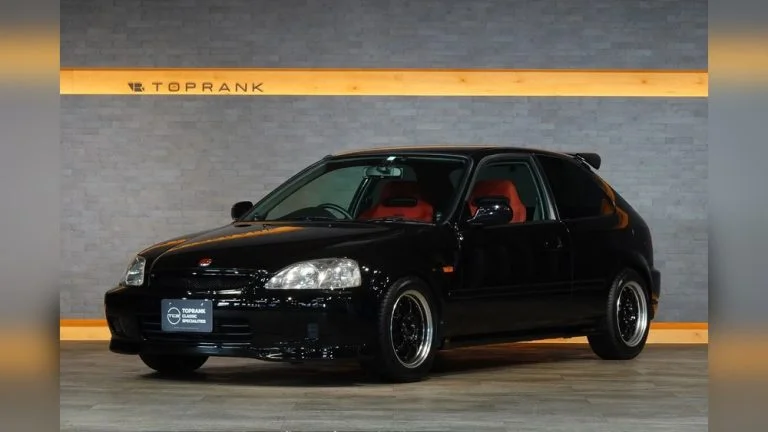
Yes, older Civics (with verified maintenance histories) remain excellent daily drivers. Their reliability, simple mechanics, and widespread parts availability make them a practical choice for budget-conscious buyers. Be sure to have any used Civic inspected by a trusted mechanic before purchase.
Can The Civic Accommodate Tall Drivers And Passengers Comfortably?
The Honda Civic is known for its spacious interior, with generous headroom and legroom for its class. Tall drivers often find the seating position comfortable and the adjustable steering wheel allows for a good driving posture. Rear seat space is also better than many competitors, making it a solid choice for taller individuals.
The Honda Civic’s enduring popularity as a daily driver is no accident. Its blend of reliability, comfort, efficiency, and safety make it a standout choice for a wide variety of drivers. Backed by owner testimonials, industry accolades, and strong real-world performance, the Civic continues to set the benchmark in the compact car segment.
Whether you’re a commuter, student, or small family, the Civic delivers a daily driving experience that’s hard to match.
Products related to this article
Sponsored / affiliate links. As an Amazon Associate I earn from qualifying purchases. I may earn additional commission from eligible campaigns.