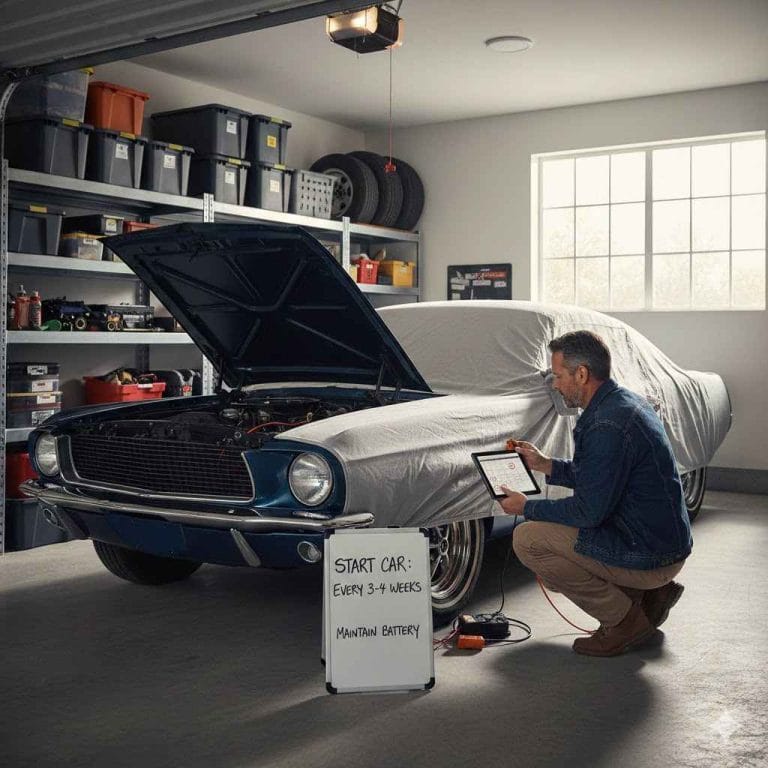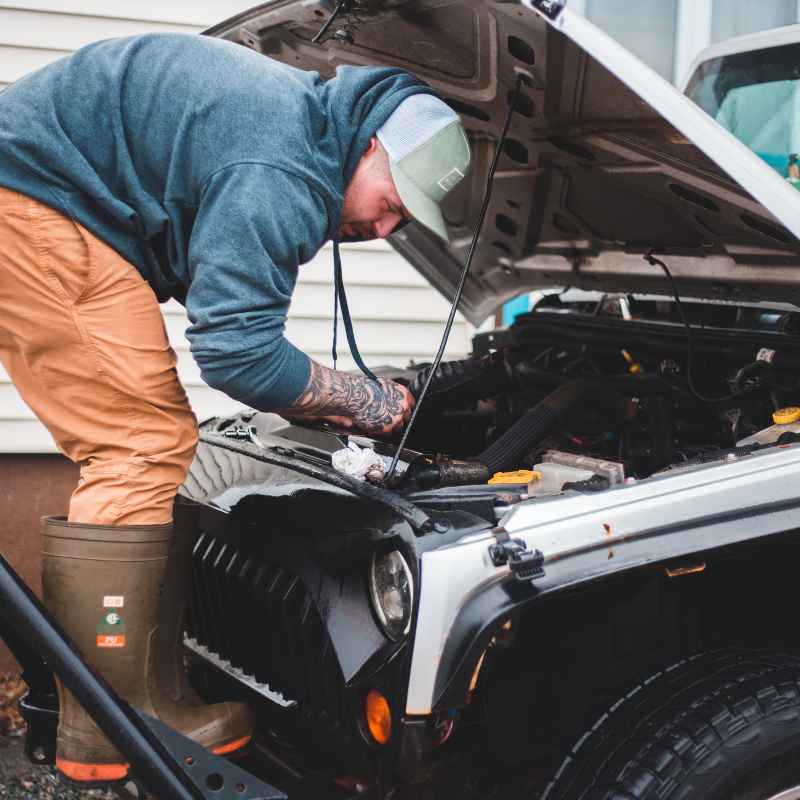
What To Do If Your Car Stops Working (Act Fast)
When your car stops working unexpectedly, the most important things to do are ensure your safety, assess the situation calmly, and know how to contact for assistance. This guide will help you understand common causes and what steps to take in an emergency.
When Your Car Suddenly Stops Working
It’s a jarring experience. One minute you’re driving, and the next, silence. Or maybe a loud noise.
Your car has decided it’s had enough for now. This can happen for so many reasons, from a simple dead battery to something more serious. It’s vital to know how to react so you can stay safe and get help.
The first thing to remember is to stay calm. Panicking won’t fix the car, but it can lead to bad decisions.
Think about where you are. Are you on a busy highway? On a quiet side street?
Your location greatly affects what you should do next. Safety is always the number one priority. You need to get yourself and your vehicle out of harm’s way if possible.
If you’re on a busy road, moving to the shoulder or a safer spot is critical.
What are the signs your car is about to give up? Sometimes, there are warnings. A strange smell, a warning light on the dashboard, or a weird sound can be your car’s way of saying “I need help.” Other times, it’s completely unexpected.
Either way, the steps to take are similar.
The core issue is that your car needs to operate, and when it doesn’t, it means a system has failed. This failure could be electrical, mechanical, or related to fuel. Understanding these broad categories helps in thinking about potential causes.
Even if you know nothing about cars, recognizing the general area of the problem can help when you talk to a mechanic.
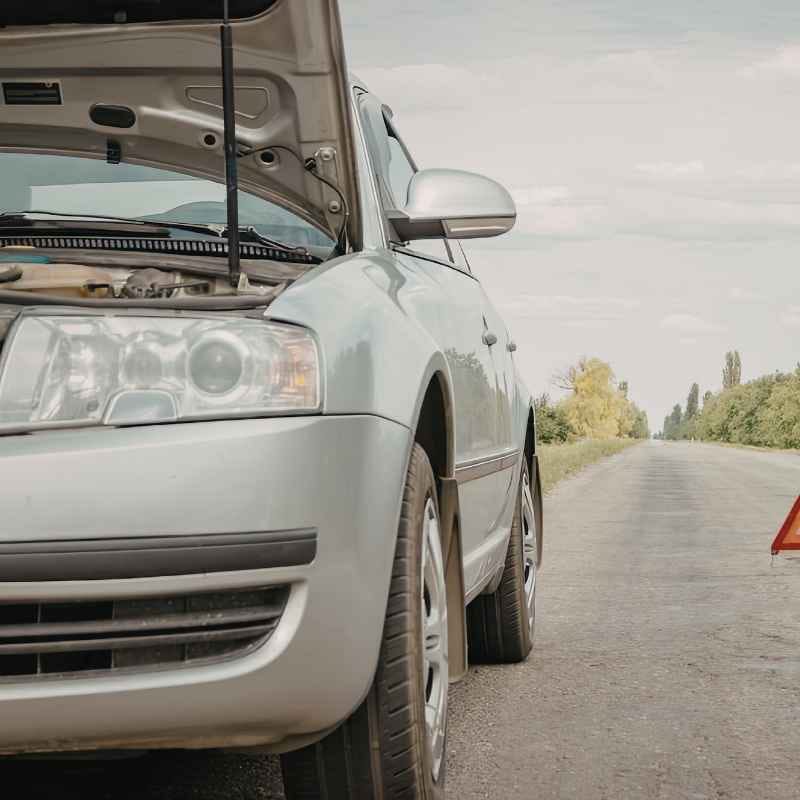
My Own Car Drama: A Time I Was Totally Stuck
I remember one sweltering summer afternoon. I was driving back from a client meeting, maybe an hour from home. The AC was blasting, and I was humming along to the radio.
Suddenly, the car sputtered. Just a little hiccup at first. I tapped the gas, and it sputtered again, worse this time.
Then, with a final, sad sigh, the engine died. The steering went heavy, and the car coasted to a stop on the shoulder of a two-lane country road. The sun beat down, and the heat was intense.
My phone had only 10% battery left. I felt a wave of pure panic. What was I going to do?
I didn’t know the area well at all. I just sat there for a minute, heart pounding, feeling completely helpless. It was a humbling moment that taught me the real importance of being prepared.
Immediate Steps When Your Car Stops Working
When your car stops working, your very first thought should be safety. This isn’t about fixing the car yet. It’s about you.
Here’s what to do, step-by-step:
Safety First Checklist
1. Stay Calm: Take a deep breath. You can handle this.
2. Turn on Hazard Lights: Make sure other drivers see you. This is crucial, especially in low light or bad weather.
3. Move to Safety: If your car is still rolling, steer it to the side of the road. Aim for the shoulder or a safe pull-off area.
Get as far away from traffic as you can. If you’re in a dangerous spot, like a blind curve, stay in your car with your seatbelt on until you can get help.
4. Assess Your Surroundings: Look around. Is it safe to exit the vehicle?
Are there other dangers?
5. Exit Safely (If Possible): If you can, exit the car on the side away from traffic. If you have reflective triangles or flares, place them behind your car to warn oncoming drivers.
Be very careful when exiting and re-entering your vehicle.
Once you’ve secured your immediate safety, it’s time to think about the next steps. This involves assessing the situation and getting help. You’ll want to try and figure out what might be wrong, but don’t overthink it.
Your knowledge of car mechanics might be limited, and that’s okay.
The goal here is to gather enough information to help someone else help you. This means noting any sounds, smells, or warning lights you saw before or when the car stopped. Even a vague description is better than nothing.
Assessing the Problem
Warning Lights: Did any lights come on the dashboard? The check engine light, oil light, battery light, or temperature light are common. Note which ones.
Sounds: Did you hear any strange noises before it stopped? Grinding, knocking, hissing, or sputtering?
Smells: Were there any unusual odors? Burning rubber, sweet coolant smell, or gas fumes?
Recent Events: Did you just fill up with gas? Did you hit a pothole? Did you recently have maintenance done?
Knowing these details can help a tow truck driver or mechanic understand the potential issue faster. It can also save you money by preventing unnecessary repairs.
Common Reasons Why Cars Stop Working
Cars are complex machines. Many things can go wrong. Some issues are simple fixes, while others are more involved.
Understanding the common culprits can help you feel more prepared.
1. Dead Battery: This is perhaps the most common reason a car won’t start or suddenly dies while driving. Your car’s battery powers the electrical system.
If it’s old or not getting a charge, it can fail. Symptoms include the engine not cranking, dim lights, or the car just clicking when you try to start it. Sometimes, a failing alternator can cause the battery not to charge, leading to this issue.
2. Fuel System Problems: Your car needs fuel to run. If the fuel pump fails, the fuel filter is clogged, or you’ve run out of gas (even if the gauge says you have some left!), the engine will stop.
A clogged fuel filter is like a traffic jam for gasoline. The engine starves for fuel and dies. Running on fumes too often can damage the fuel pump over time.
3. Overheating Engine: Cars generate a lot of heat when running. The cooling system (radiator, coolant, water pump) keeps the engine at a safe temperature.
If the coolant is low, there’s a leak, or the fan isn’t working, the engine can overheat. This is serious. If you see the temperature gauge climb into the red zone, pull over immediately.
Continued driving can cause severe engine damage.
4. Alternator Issues: The alternator is responsible for charging the battery and powering the car’s electrical systems while the engine is running. If the alternator fails, the car will run off battery power.
Eventually, the battery will die, and the car will stop. You might notice dimming headlights or other electrical problems before the car dies. A warning light on your dashboard shaped like a battery often indicates an alternator problem.
5. Spark Plug or Ignition System Problems: Spark plugs ignite the fuel-air mixture in your engine cylinders. If they are worn out, fouled, or if there’s an issue with the ignition coils or wires, the engine might misfire, run rough, or even stall.
You might hear a sputtering sound or feel the car shake.
6. Transmission Problems: While less common for a sudden stop while driving, serious transmission issues can cause a car to stop moving. If the transmission fluid is low or the transmission is failing, you might experience slipping gears, inability to shift, or a complete loss of power to the wheels.
You might hear grinding or whining noises.
7. Electrical System Failures: Beyond the battery and alternator, other electrical components can fail. A blown fuse, a faulty sensor, or a problem with the car’s computer (ECU) can cause all sorts of issues, including the engine shutting down.
Modern cars have many complex electrical systems working together.
8. Belts and Hoses: The serpentine belt drives many accessories like the alternator, water pump, and power steering pump. If this belt breaks, many critical systems will stop working.
Similarly, a burst radiator hose can cause rapid coolant loss and engine overheating.
Quick Glance: Common Causes & Signs
No Power, Clicking Sound: Likely a dead battery or loose battery cable.
Engine Sputters and Dies, Gauge Reads Empty: Could be out of gas or a fuel pump issue.
Temperature Gauge in Red, Steam from Hood: Engine overheating. Stop immediately.
Dimming Lights, Battery Warning Light: Alternator problem.
Rough Running, Shaking, Engine Stalls: Spark plugs, ignition coils, or fuel delivery issue.
Getting Help When You’re Stranded
Once you’re in a safe location and have a general idea of what might be happening (or even if you have no idea), it’s time to call for help. Who you call depends on your situation and what services you have.
1. Roadside Assistance: If you have a membership with a service like AAA, or if your car insurance policy includes roadside assistance, this is your first call. They can send a tow truck to take your car to a mechanic.
Be ready to give them your location, a description of the car, and the problem.
2. Tow Truck Service: If you don’t have roadside assistance, you’ll need to call a local tow truck company. You can find these by searching online on your phone if you have service.
Be sure to ask for an estimate for the tow before they come out. Some companies charge by the mile, others have a flat rate.
3. Calling a Friend or Family Member: If you’re close to home or someone you know, they might be able to come help you. They could bring jumper cables, some gas, or even just offer moral support while you wait for a tow.
However, be mindful of their safety and availability.
4. Police or Highway Patrol: If you are in a dangerous location (like a busy interstate shoulder where it’s unsafe to wait) or if you feel unsafe, you can call the non-emergency police line or highway patrol. They can often help secure your vehicle and call a tow truck for you, or provide a safe waiting spot.
When you call for help, have this information ready:
- Your exact location (street address, mile marker, nearest cross street).
- Your car’s make, model, and color.
- The license plate number.
- A description of the problem (e.g., “won’t start,” “overheating,” “engine died suddenly”).
- Your phone number.
- Your membership number (if applicable for roadside assistance).
It’s also a good idea to check your phone’s battery level before you make calls. If it’s low, try to conserve power by turning off unnecessary apps or features.
What Happens After You Get Towed?
Being towed is rarely the end of the journey, but the start of the next phase. Your car will likely go to a repair shop. If you have a trusted mechanic, let the tow company know where you want it taken.
If not, you might ask the tow truck driver for a recommendation, or you can research reputable shops in your area once you’re on your way.
At the repair shop, a mechanic will diagnose the problem. They will then give you an estimate for the repair costs. This is the time to ask questions.
What exactly is wrong? What parts need to be replaced? How long will it take?
If the repair costs are very high, you might need to consider if it’s worth fixing the car, especially if it’s an older vehicle. This is a tough decision many car owners face.
Talking to Your Mechanic
Be Clear: Explain the symptoms you experienced in detail.
Ask Questions: Don’t be afraid to ask “why” or “what does this mean.”
Get an Estimate: Always ask for a written estimate before authorizing repairs.
Understand the Parts: Ask if they are using new, used, or remanufactured parts and what the warranty is.
Get a Second Opinion: If the repair is costly, consider getting a quote from another shop.
Preventative Measures: Staying Ahead of Trouble
The best way to deal with your car stopping working is to prevent it from happening in the first place. Regular maintenance is key. Think of it like going to the doctor for check-ups.
Your car needs them too.
1. Regular Oil Changes: This is fundamental. Clean oil lubricates your engine and prevents wear and tear.
Skipping oil changes is a fast track to engine problems. Check your owner’s manual for the recommended schedule. Many manufacturers now recommend synthetic oil, which lasts longer.
2. Check Tire Pressure and Tread: Underinflated tires can cause poor fuel economy and affect handling. Worn tires can be dangerous, especially in wet conditions.
Check your tire pressure monthly and inspect the tread depth. Look for the wear bars between the treads.
3. Inspect Belts and Hoses: Your mechanic should check these during regular service. Look for cracks, fraying, or leaks.
A broken belt or hose can cause a breakdown.
4. Battery Care: Most modern batteries last about 3-5 years. If your car is getting older, or if you’ve had trouble starting it, get the battery tested.
Corrosion on the terminals can also be cleaned to ensure a good connection.
5. Brake Checks: Your brakes are critical for safety. Have them inspected regularly.
Signs of trouble include squealing noises, a spongy brake pedal, or the car pulling to one side when braking.
6. Fluid Levels: Besides oil, check other fluids like coolant, brake fluid, power steering fluid, and windshield washer fluid. Low levels can indicate leaks or other issues.
7. Listen to Your Car: Pay attention to any new sounds, smells, or changes in how your car drives. These are often early warnings that something needs attention.
Don’t ignore that strange rattle or the odd smell!
8. Keep Your Gas Tank Reasonably Full: While not directly causing a breakdown, running on fumes can put a strain on your fuel pump, especially in hot weather. It also means you have less flexibility if you encounter a problem far from a gas station.
Maintenance Schedule Snapshot
Every Oil Change: Check tire pressure, fluid levels, lights.
Every 6 Months or 6,000 Miles: Inspect belts, hoses, brakes, battery terminals.
Annually: Consider a more thorough inspection, including exhaust system and suspension.
As Recommended by Manual: Replace air filter, cabin filter, spark plugs, etc.
What This Means For You
When your car stops working, it’s a situation that demands a calm, systematic approach. It’s easy to feel overwhelmed, but breaking it down into manageable steps makes it less daunting. The most crucial takeaway is prioritizing safety above all else.
Getting yourself and your passengers out of immediate danger is the first and most important task.
Understanding the common reasons why cars fail can demystify the process. While you don’t need to be a mechanic, knowing that it could be the battery, fuel, or cooling system gives you a starting point. This knowledge is empowering when you need to explain the situation to roadside assistance or a tow truck driver.
For many of us, our cars are our lifeline. They get us to work, take kids to school, and allow us to visit family. When they stop working, it disrupts everything.
This is why having a plan and staying on top of maintenance is so important. It’s about peace of mind and avoiding costly, inconvenient breakdowns.
When is it Normal vs. When to Worry?
Not every car hiccup is a sign of a major failure. Sometimes, simple things happen. For instance, if your car has been sitting for a while, the battery might be a bit weak, and it might just need a jump start.
This is fairly normal.
A strange noise that goes away after a few minutes might just be the car adjusting to temperature changes. Many modern cars have sophisticated systems, and sometimes warning lights can come on due to a minor sensor issue that doesn’t immediately impact driving. These are things you can often get checked out at your convenience.
However, you should always worry and act immediately if:
- The engine overheats badly (temperature gauge in the red).
- You smell strong fumes (gasoline, burning oil, or a sweet antifreeze smell).
- There’s a sudden loss of braking power.
- You hear loud, grinding, or knocking noises from the engine.
- The car is in a dangerous location and you can’t move it.
- Your car simply won’t start and shows no signs of life.
If any of these critical signs appear, pulling over safely and calling for professional help is your best course of action. Don’t try to push through these kinds of issues; it can lead to much more expensive repairs or, worse, an accident.
Quick Tips for Car Breakdowns
Here are a few practical tips to keep in your back pocket:
Emergency Kit Essentials
Safety: Reflective triangles, bright vest, flares.
Tools: Jumper cables, basic toolkit, tire pressure gauge, flashlight with extra batteries.
Supplies: Water, snacks, blanket, first-aid kit, phone charger/power bank.
Documentation: Copies of insurance, registration, and roadside assistance card.
- Keep an emergency kit in your car. This could include jumper cables, a first-aid kit, water, non-perishable snacks, a flashlight, a blanket, and basic tools.
- Have important numbers saved in your phone. This includes your roadside assistance provider, your insurance company, and a trusted mechanic.
- Learn how to safely change a flat tire. While not a reason for the car stopping, it’s a common roadside issue. Practice in a safe place before you need it.
- Know your car’s basic systems. Where is the hood release? How do you check the oil? Simple knowledge can be very helpful.
- Don’t be afraid to ask for help. Most people are willing to assist someone in distress, especially if it’s a clear emergency.

Frequently Asked Questions
What should I do if my car engine dies while I’m driving?
First, stay calm and turn on your hazard lights. Try to steer your car to the side of the road or a safe location. If possible, exit the vehicle on the side away from traffic.
Then, call for roadside assistance or a tow truck. Note any warning lights or strange noises you heard.
My car won’t start, but the lights come on. What could be wrong?
This often indicates a weak or dead battery, or a problem with the alternator not charging the battery. It could also be a starter motor issue or a problem with the ignition system. Jumper cables might help, but if it persists, you’ll need a mechanic.
What does it mean if my car is overheating?
An overheating engine means the cooling system isn’t working properly. This can be due to low coolant, a leak, a faulty thermostat, or a problem with the water pump or cooling fan. You should pull over immediately and turn off the engine to prevent serious damage.
Do not try to open the radiator cap while the engine is hot.
How often should I get my car serviced?
Most manufacturers recommend oil changes every 5,000 to 7,500 miles, or every 6 months, whichever comes first. Other services, like checking belts, hoses, brakes, and fluid levels, should be done at similar intervals or as outlined in your owner’s manual. Regular checks are key to preventing breakdowns.
Can I drive my car if the check engine light is on?
It depends on the severity. If the light is steady and your car is driving normally, it might be a minor issue. However, if the light is flashing, or if you notice a significant change in how your car drives (like loss of power or rough idling), it’s best to pull over safely and get it checked as soon as possible.
A flashing light often indicates a serious problem that could damage your engine.
What’s the difference between roadside assistance and a tow truck service?
Roadside assistance is a service, often through a membership (like AAA) or your insurance, that provides help like towing, jump-starts, tire changes, or fuel delivery. A tow truck service is a company that specifically provides towing. You might use a tow truck service directly if you don’t have roadside assistance, or if your roadside assistance provider dispatches one for you.
Final Thoughts
A car breakdown is never planned. But by staying aware, maintaining your vehicle, and knowing the right steps to take, you can handle the situation with more confidence. Remember to prioritize your safety, gather key information, and call for reliable help.
Being prepared turns a potential crisis into a manageable event. Keep this guide handy for those unexpected moments.
See also ford cars not sold in the us what models are missing .
Products related to this article
Sponsored / affiliate links. As an Amazon Associate I earn from qualifying purchases. I may earn additional commission from eligible campaigns.