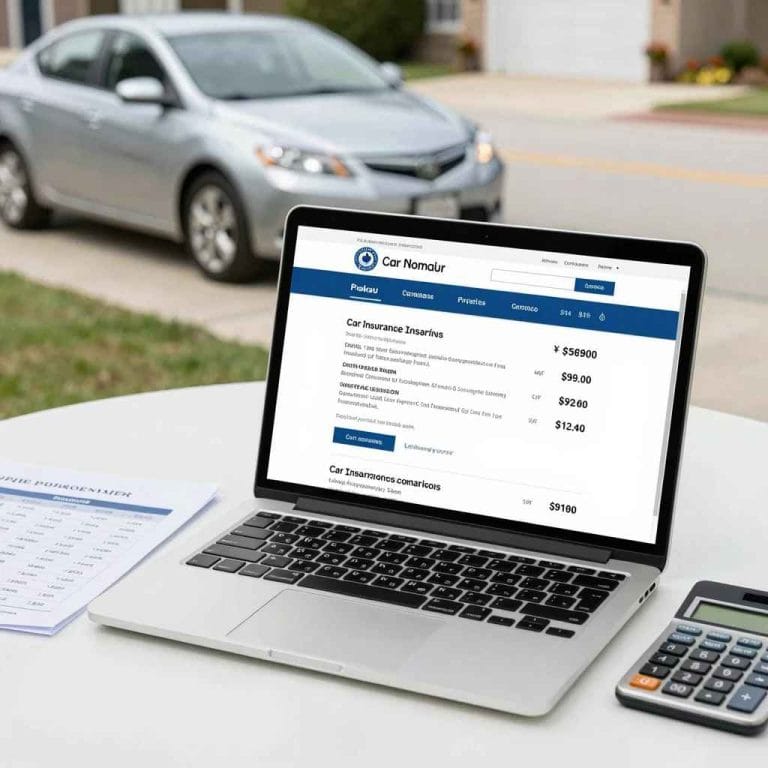
Best Car Comparison Tool for Smart Buyers in 2026
Buying a car in 2026 is different from how it was just five years ago. Today, the internet gives you more power than ever. You can compare dozens of cars, see specs, check reviews, and even get price offers—all from your phone. But with so many options, tools, and data, it’s easy to feel overwhelmed. That’s why smart buyers are turning to car comparison tools.
These tools help you see differences between vehicles, get honest information, and avoid common mistakes. If you want to make a confident, informed choice, choosing the best car comparison tool matters. Let’s explore how these tools work, what features you should look for, and which are the top picks for 2026.
Why Car Comparison Tools Matter
Buying a car is a big decision. For most people, it’s the second-largest purchase after a house. Mistakes can cost thousands of dollars or leave you stuck with a car you don’t like. Old methods—like visiting several dealers or relying on salespeople—are slow and risky. Car comparison tools solve this by giving you:

KITEVICH
4 Pack Telescoping Magnet Pick-up Tool Set…
- 【Quality material】These telescoping magnet sticks are made of telescopic stainless steel tubes, which are hard to break, and have…
- 【Telescoping Magnetic Pickup Tool Wand】The large magnet stick can extend from 7 to 30 inches, and the small magnetic pickup tool c…
- 【24 inch Bend-It Flexible Magnet Pick-Up Sweeper】Strong flex magnet 24 Inch overall length, comfortable handle control over the mo…
As an Amazon Associate I earn from qualifying purchases.
- Quick access to specs and prices
- Side-by-side comparisons for many cars
- Real user reviews and ratings
- Dealership offers and inventory
These tools help you see the real differences between cars. For example, you can find out which SUV has more cargo space, which sedan has better fuel economy, or which electric car charges fastest. Even experienced buyers often miss details—like hidden fees, maintenance costs, or resale values—that a good tool will highlight.

How Modern Car Comparison Tools Work
Today’s car comparison tools are more advanced than ever. They don’t just show basic specs; they use big data, AI, and real-time pricing. Some even pull data from manufacturer databases, dealership inventories, and consumer reports. Here’s what you can expect:
- Data Integration: Tools combine information from automakers, dealers, and review sites.
- Custom Filters: You set preferences for price, size, features, fuel type, and more.
- Instant Comparison: See multiple cars side-by-side, with differences highlighted.
- Market Analysis: Some tools show pricing trends, average discounts, and resale values.
- User Feedback: Read thousands of real owner reviews and reliability ratings.
A good tool will make confusing specs easy to understand. For example, horsepower, torque, and safety features are often shown in simple charts. Some tools even explain what those terms mean, which is helpful if you’re not a car expert.
Key Features To Look For In A Car Comparison Tool
Not all car comparison tools are equal. If you want to get the best value, avoid mistakes, and feel confident, focus on these features:
- Accurate, Updated Data: Make sure the tool pulls information from reliable sources and updates regularly. Outdated prices or specs can lead to wrong decisions.
- Comprehensive Specs: Look for tools that show more than just engine size and price. Good tools include safety ratings, fuel economy, cargo space, tech features, and warranty details.
- Side-by-Side Comparison: The tool should let you compare at least three cars at once. The best tools highlight differences automatically, saving you time.
- User Reviews and Ratings: Real feedback from owners is essential. It shows common problems, strengths, and real-world performance.
- Price Analysis: Some tools show what others paid for the same car, dealer discounts, and incentives. This helps you negotiate better.
- Dealer Inventory Search: Find cars that are actually available in your area.
- Interactive Filters: Adjust criteria like budget, body type, features, and see instant results.
- Clear Visuals: Look for charts, tables, and photos that make info easy to digest.
Two insights many buyers miss: First, tools with price history can show if a car’s price is rising or falling, helping you time your purchase. Second, some tools include cost of ownership calculators—these estimate insurance, fuel, and maintenance costs, not just the sticker price.
Top Car Comparison Tools For Smart Buyers In 2026
After testing and research, here are the most trusted tools for comparing cars in 2026. Each has strengths, so pick based on your needs.
1. Edmunds
Edmunds is a long-standing leader. It offers a deep database of specs, user reviews, and expert ratings. Its comparison tool is detailed, easy to use, and includes price analysis. You can compare up to four cars, see owner ratings, and get local dealer offers.
- Strengths: Accurate pricing, expert reviews, resale value estimates.
- Weaknesses: Interface feels a bit crowded; fewer electric car filters.
2. Kelley Blue Book (kbb)
Kelley Blue Book is famous for its price guides. Its comparison tool covers specs, features, and market prices. KBB shows average prices paid, helping you avoid overpaying.
- Strengths: Trusted price data, clear charts, wide range of cars.
- Weaknesses: Limited user reviews; less focus on new tech.
3. Cargurus
CarGurus uses AI to analyze millions of listings, showing you the best deals. Its comparison tool is strong, with real-time pricing and dealer inventory. It also rates cars on value and availability.
- Strengths: Best deal finder, real-time pricing, user ratings.
- Weaknesses: Sometimes too many ads; interface can be busy.
4. Cars.com
Cars.com is popular for its simple interface and large inventory. The comparison tool is easy, with filters for budget, features, and location. It shows real owner reviews and highlights pros/cons.
- Strengths: Easy to use, big database, honest reviews.
- Weaknesses: Price analysis less detailed; fewer advanced charts.
5. Autotrader
Autotrader focuses on dealer inventory and used cars. The comparison tool is good for finding cars near you. It shows specs, price history, and seller ratings.
- Strengths: Local inventory, price tracking, seller reviews.
- Weaknesses: Limited new car data; fewer custom filters.
6. U.s. News Best Cars
U.S. News Best Cars offers detailed rankings, reviews, and comparisons. Its tool is strong for safety and reliability ratings. It’s great for buyers who care about expert opinions.
- Strengths: Detailed reviews, safety ratings, easy comparisons.
- Weaknesses: Limited price analysis; fewer dealer links.
7. Consumer Reports
Consumer Reports is known for unbiased reviews and reliability scores. Its comparison tool is trusted by buyers wanting honest data.
- Strengths: Reliability scores, owner feedback, expert testing.
- Weaknesses: Some features require subscription; limited price info.
8. Truecar
TrueCar specializes in price analysis. Its tool shows what others paid, dealer offers, and incentives. You can compare specs and get instant price quotes.
- Strengths: Price transparency, dealer offers, easy interface.
- Weaknesses: Fewer detailed reviews; mostly focuses on price.
9. Carvana
Carvana is unique, focusing on used cars and online buying. Its comparison tool is strong for certified used vehicles and financing options.
- Strengths: Online buying, financing, quality used cars.
- Weaknesses: Limited new car data; less detailed specs.
10. Autotempest
AutoTempest aggregates listings from multiple sites. Its comparison tool helps find rare models and best deals across the web.
- Strengths: Wide search, rare cars, price analysis.
- Weaknesses: Interface is basic; less user feedback.
Here’s a quick overview of their strengths:
| Tool | Strength | Weakness |
|---|---|---|
| Edmunds | Accurate pricing, expert reviews | Crowded interface |
| Kelley Blue Book | Trusted price data | Limited user reviews |
| CarGurus | Best deal finder | Busy interface |
| Cars.com | Easy to use | Less detailed price analysis |
| Autotrader | Local inventory | Limited new car data |
| U.S. News Best Cars | Safety ratings | Limited price analysis |
| Consumer Reports | Reliability scores | Requires subscription |
| TrueCar | Price transparency | Fewer reviews |
| Carvana | Online buying, used cars | Limited new car data |
| AutoTempest | Wide search | Basic interface |
How To Use Car Comparison Tools Effectively
Even with the best tool, you need a smart approach. Here’s how experienced buyers get the most from car comparison tools:
Set Clear Priorities
Before you start, write down what matters most. Is it price, safety, fuel efficiency, or features? Many buyers waste time comparing too many cars. Narrow your search to the top three priorities.
Use Filters Wisely
Most tools let you filter by price, body style, fuel type, features, and more. Start broad, then narrow down. For example, if you want an SUV under $35,000 with all-wheel drive and advanced safety, set those filters.
Check Real Reviews
Specs are important, but owner reviews show real-world problems. Look for patterns—if many owners complain about the same issue, pay attention.
Compare Total Cost
Don’t focus only on sticker price. Use the tool’s cost of ownership features. These estimate insurance, fuel, maintenance, and even depreciation. Some cars are cheap to buy but expensive to own.
Review Price History
A tool with price history shows if prices are stable, rising, or dropping. This helps you decide when to buy.
Test Multiple Tools
No single tool is perfect. Try at least two—each may show different deals, reviews, or specs.
Comparing Popular Car Models In 2026: Example
Let’s look at a real-world comparison of three popular models for 2026: Toyota RAV4 Hybrid, Honda CR-V Hybrid, and Ford Escape Hybrid. Using a comparison tool, you can see important differences.
| Feature | Toyota RAV4 Hybrid | Honda CR-V Hybrid | Ford Escape Hybrid |
|---|---|---|---|
| MSRP | $32,000 | $33,000 | $32,500 |
| Fuel Economy (MPG) | 41/38 | 40/37 | 44/37 |
| Cargo Space (cu ft) | 37.6 | 39.2 | 34.4 |
| Safety Rating | 5 stars | 5 stars | 4 stars |
| Warranty | 3 yr/36k mi | 3 yr/36k mi | 3 yr/36k mi |
Even though the prices are close, cargo space and safety ratings differ. A smart buyer sees these differences instantly and can make a better choice.
Advanced Features: Ai, Customization, And Mobile Apps
2026’s best car comparison tools use AI and customization to give smarter results. Here’s what’s new:
- AI-Powered Recommendations: Some tools suggest cars based on your past searches, budget, and even driving habits.
- Personalization: You can set up alerts for price drops, new listings, or special deals.
- Mobile Apps: Top tools offer mobile apps with push notifications, instant quotes, and dealer chat.
One insight: Some tools track dealer incentives and rebates, which change frequently. Getting notified of a new incentive can save you hundreds or even thousands.
Common Mistakes When Using Car Comparison Tools
Even with great tools, buyers can make mistakes. Here are pitfalls to avoid:
- Ignoring Total Costs: Many buyers focus only on the sticker price. Always check insurance, fuel, maintenance, and depreciation.
- Overloading Comparisons: Comparing too many cars at once makes decisions harder. Focus on three to five top choices.
- Trusting Only Specs: Specs don’t show everything. Read owner reviews and reliability scores.
- Skipping Local Inventory: Some cars are not available in your area. Always check local dealer stock.
- Not Updating Filters: As you learn more, adjust your search filters. Don’t stick to old criteria if your needs change.
Smart Tips For Using Car Comparison Tools
Here are practical tips to get the most out of your tool:
- Set Alerts: Get notified of new deals, price drops, and inventory changes.
- Use Cost Calculators: Estimate ownership costs beyond price.
- Check Incentives: Look for manufacturer rebates, dealer discounts, and financing offers.
- Read Both Expert and User Reviews: Balance professional opinions with real-world experience.
- Save Your Comparisons: Some tools let you save your favorite cars for later review.
- Ask Questions: Many tools have live chat or Q&A features. Ask about warranty, financing, or hidden fees.
Data Table: Comparing Tool Features Side-by-side
To help you choose the right tool, here’s a direct comparison of key features:
| Tool | Side-by-Side Comparison | User Reviews | Price Analysis | Dealer Inventory | Cost Calculator |
|---|---|---|---|---|---|
| Edmunds | Yes | Yes | Yes | Yes | Yes |
| KBB | Yes | No | Yes | Yes | No |
| CarGurus | Yes | Yes | Yes | Yes | Yes |
| Cars.com | Yes | Yes | No | Yes | No |
| Autotrader | Yes | No | Yes | Yes | No |
| U.S. News Best Cars | Yes | No | No | No | Yes |
| Consumer Reports | Yes | Yes | No | No | Yes |
| TrueCar | Yes | No | Yes | Yes | Yes |
| Carvana | Yes | Yes | No | Yes | Yes |
| AutoTempest | Yes | No | Yes | Yes | No |
How To Choose The Right Car Comparison Tool For You
The best tool depends on your needs. Here’s a quick guide:
- If you want expert reviews and resale values: Try Edmunds or Consumer Reports.
- If you care most about price transparency: Use TrueCar or KBB.
- If you’re looking for the best deals: Go with CarGurus or AutoTempest.
- For local inventory and quick buying: Choose Autotrader or Cars.com.
- If you want to buy online or focus on used cars: Try Carvana.
One insight: Some tools offer free trials or limited features for free. Test them before committing to paid versions.
Real User Stories: How Smart Buyers Use Comparison Tools
Let’s look at a few examples of how buyers used these tools to make better choices:
- Maria, Atlanta: She wanted a safe, fuel-efficient SUV. Using Edmunds, she compared the Toyota RAV4 Hybrid, Honda CR-V Hybrid, and Ford Escape Hybrid. The side-by-side comparison highlighted cargo space differences she hadn’t considered. She chose the CR-V Hybrid, which fit her needs best.
- Jake, Chicago: He wanted the best deal on a used sedan. Using CarGurus, he found a Honda Accord with a price well below market average. The tool’s price analysis helped him negotiate a lower price at the dealership.
- Priya, San Francisco: She needed a car with low maintenance costs. Using Consumer Reports, she compared reliability scores and owner reviews. She avoided a model with frequent transmission issues, saving money in the long run.
The Impact Of Electric Cars And New Tech
2026 sees more electric cars, hybrids, and advanced tech features. Good comparison tools now include:
- Charging time and range for electric vehicles (EVs)
- Battery warranties
- Driver assistance features (lane keeping, adaptive cruise)
- Infotainment system reviews
Some tools, like Edmunds and CarGurus, have added filters for EVs, showing charging locations, incentives, and battery performance. This is critical as electric cars become more popular.
Privacy, Data, And Trust
When using car comparison tools, your data matters. Most tools ask for email, location, or phone number to show local inventory or send offers. Only use trusted, secure sites. Look for privacy policies and read reviews before sharing personal information. For extra confidence, you can check ratings on Consumer Reports.
What Makes The Best Car Comparison Tool Stand Out?
The best tool is more than just a database. It helps you:
- Save money by showing deals and incentives
- Avoid mistakes by highlighting hidden costs
- Make confident choices with clear, honest reviews
- Find the right car, not just the cheapest one
Most buyers don’t realize that the resale value and ownership cost calculators can save thousands over the life of the car. Smart buyers use these features to see beyond the sticker price.
Frequently Asked Questions
What Is A Car Comparison Tool?
A car comparison tool is an online platform that lets you compare specs, prices, reviews, and deals for multiple cars side-by-side. It helps you see differences and make smart decisions.
Are Car Comparison Tools Free To Use?
Most tools are free, but some advanced features—like detailed reliability scores or resale calculators—may require a subscription or account. Always check before signing up.
Can Car Comparison Tools Show Local Dealer Inventory?
Yes, most tools like Autotrader, Cars.com, and CarGurus show cars available at dealers near you. This helps you see what’s in stock and avoid wasted trips.
How Accurate Are Prices And Reviews On These Tools?
Top tools pull data from dealers, manufacturers, and real owners. Prices are usually accurate, but can change quickly. Reviews are honest, but check for patterns rather than single complaints.
Which Tool Is Best For Electric Car Comparisons?
For electric cars, tools like Edmunds and CarGurus offer special filters for EVs, showing charging range, battery info, and incentives. Look for tools with dedicated EV sections.
A great car comparison tool is your shortcut to a smarter, safer car purchase in 2026. It gives you honest information, saves you time, and helps you avoid costly mistakes. By using the right tool and following smart tips, you can find a car that fits your needs, budget, and lifestyle. Don’t rush—compare, read reviews, check local inventory, and use all the features. Smart buyers know: the best deals and best cars go to those who compare wisely. See also car sounds words how experts describe what you hear. See also compare car repairs which models cost less to maintain .
Related pick: Check today's price on Amazon
Products related to this article
Sponsored / affiliate links. As an Amazon Associate I earn from qualifying purchases. I may earn additional commission from eligible campaigns.