P0841 Code: Transmission Fluid Pressure Sensor Range
P0841 means the transmission fluid pressure sensor signal is out of expected range. Check the electrical circuit first, then confirm line pressure with a gauge or scan data before replacing the sensor or valve body. Ignoring it can cause harsh shifts, limp mode, and avoidable parts swaps. This article shows how to separate wiring faults, low fluid or pressure faults, and mechatronic failures with tests you can do in order.
What does P0841 mean on a transmission?


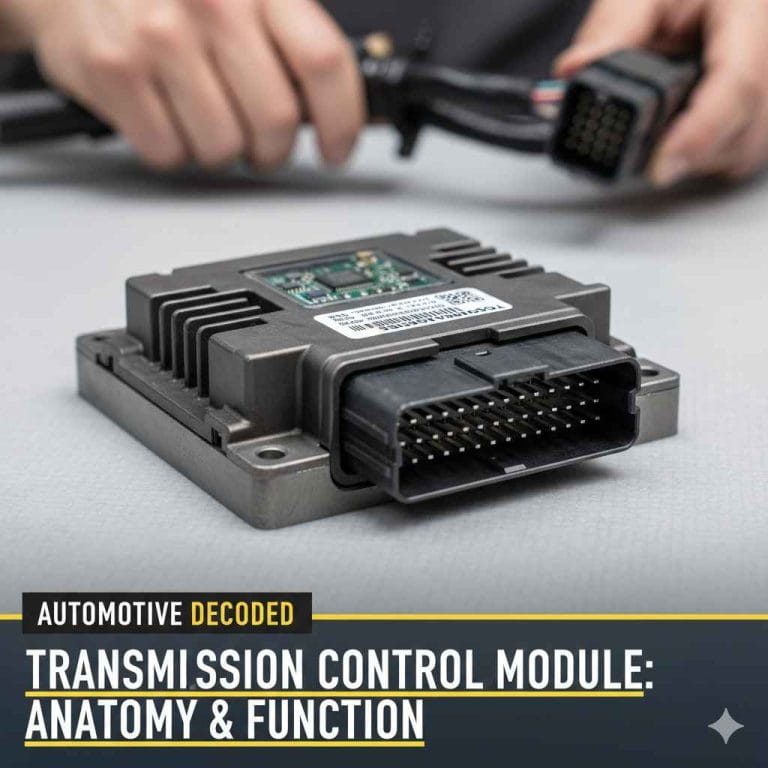
P0841 is a generic OBD-II trouble code for a transmission fluid pressure sensor range/performance fault (generic OBD-II code definition; service information varies by transmission). The sensor monitors hydraulic pressure inside the transmission and sends data to the control unit, so the TCM or TCU can adjust shift strategy and store the fault when the signal does not match expected pressure behavior.
This code is about plausibility, not only voltage. A sensor can fail intermittently or completely, but the same code can also appear when actual pressure is wrong because of fluid, hydraulic, or mechatronic problems. The first question is whether the signal is bad or the pressure really is outside range, and the answer depends on the transmission’s calibration and service data.
Range/performance faults differ from simple low-voltage or high-voltage faults. A low or high signal code often points more directly to circuit voltage, while P0841 usually means the control unit sees a value that is believable enough to measure, but not believable enough to trust (manufacturer diagnostic logic; expected values vary by transmission).
How the control module uses the signal
The TCM or TCU reads the pressure sensor signal, compares it with commanded behavior, and stores the fault when the numbers do not agree. Depending on the transmission and symptom pattern, it may enter a fail-safe strategy and hold gears, limit torque, or change shift timing. The exact threshold is OEM-dependent, so use the vehicle’s service information before drawing conclusions from one reading.
What symptoms should you expect?
The most common signs are a warning light, limp mode, hard shifting, and delayed shifting. Some vehicles also show gear refusal, harsh engagement, or a transmission that seems stuck in one range because the module no longer trusts the pressure signal.
Symptoms help separate a signal problem from a hydraulic one. A sudden dropout, impossible reading, or fault that comes and goes over bumps points more toward wiring or connector trouble. A symptom that tracks load, temperature, or a specific gear change pattern points more toward pressure or mechatronic trouble.
Signal loss versus hydraulic trouble
Say your scan tool shows pressure jumping from normal to zero for a split second while the vehicle hits a pothole. That pattern points first to wiring, connector fit, or an internal sensor fault. If the reading stays steady but actual pressure is low under load, the problem is farther inside the transmission. Back-probing and pressure testing should follow the manufacturer’s procedure because pin fit, probe style, and pressure test ports vary by transmission.
What causes P0841?
Common causes can include a faulty pressure sensor, wiring or connector faults, mechatronic faults, and fluid-related problems. Those four branches cover most diagnoses, but the correct fix depends on whether the electrical signal is wrong or the hydraulic system is wrong.
Sensor faults
The Transmission Fluid Pressure Sensor/Switch A can fail intermittently or completely. If the sensor output is erratic, flat-lined, or impossible compared with real pressure, replacement may be justified after the circuit checks pass. Do not replace the sensor before verifying reference voltage, ground integrity, and connector pin fit, because those faults can mimic a bad sensor.
Wiring and connector faults
Corrosion, loose fit, an open circuit, or a short circuit can distort the signal before it reaches the TCU. Continuity testing between the sensor and control unit matters because a clean-looking connector can still have a broken conductor under the insulation. Use OEM-approved back-probing methods where possible, because piercing terminals or forcing probe size can damage the connector and create a new fault.
Fluid and hydraulic faults
Transmission fluid level, condition, viscosity, and wrong specification can change pressure behavior. Low fluid, aerated fluid, burnt fluid, or the wrong fluid type can contribute to a range problem because the hydraulic system may not build or hold pressure as expected. Use the correct fluid specification for the transmission, because fluid type and fill procedure are transmission-specific and service data controls the verdict.
Mechatronic or valve body faults
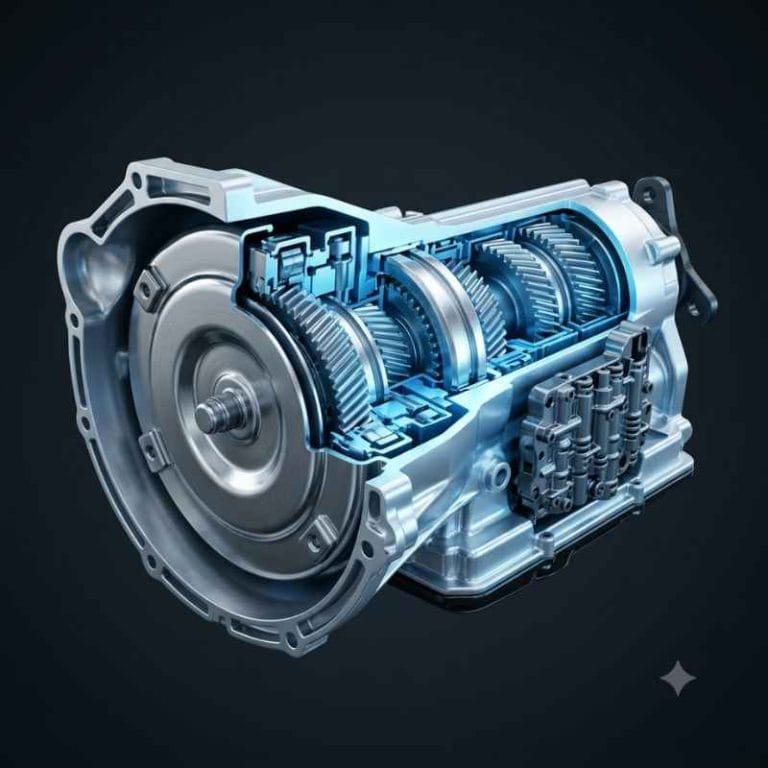
On DSG-style transmissions, a mechatronic unit combines hydraulic and electronic control. Internal valve faults or board faults can create a P0841 even when the sensor and harness are serviceable, which is why internal testing matters before major parts are replaced. Pressure testing on these units should follow the manufacturer’s cautions, since the wrong adapter, test point, or procedure can mislead diagnosis.
What should you check first?
Start with freeze frame data, related codes, and the fluid condition. Those three checks tell you whether the fault set during idle, acceleration, shift change, or hot operation, and they often point toward the correct branch before any parts are swapped.
-
Read freeze frame data.
Check the fault memory and save the operating conditions that were present when the code set. Speed, load, temperature, and gear state matter because intermittent faults often show up only under one set of conditions. -
Scan for related codes.
Look for P0842, P0843, and P0844 along with P0841. Those related codes help narrow whether the control unit saw low voltage, high voltage, or an intermittent signal, which changes the next test. -
Inspect fluid condition.
Check level, smell, color, and specification against the transmission’s required fluid. If the fluid is low, badly darkened, foamy, or the wrong type, service it before chasing deeper electrical or hydraulic faults.
A common mistake is replacing the transmission fluid pressure sensor without checking for a damaged connector, leaving the P0841 code to return. If the fault returns after a short drive, the freeze frame and related codes usually tell you more than the first warning light did.
Transmission fluid pressure test
Use live data, multimeter checks, and a hydraulic pressure comparison to separate signal faults from pressure faults. The order matters: first prove whether the sensor reading is believable, then prove whether actual pressure matches the commanded value. Expected voltage, resistance, and pressure values vary by transmission, so compare the reading only to the correct service data for that vehicle.
Live data and measuring blocks
Live data or measuring blocks can show whether the reading changes smoothly at idle and under load or drops out in a way that no hydraulic system would normally create. An impossible value, a flat line, or a sudden spike is a signal problem until proven otherwise. Use scan data in context, because some transmissions report commanded pressure, some report inferred pressure, and some display sensor output differently.
-
Compare idle and load data.
Watch the sensor reading at idle, during a light throttle tip-in, and during a shift event. A healthy signal should move in a way that matches the event, not jump randomly or stay frozen. -
Check for dropouts.
Wiggle the harness near the sensor and connector while watching live data. If the signal drops out, spikes, or changes when the harness moves, the circuit needs repair before any sensor replacement.
Multimeter checks
Step 3 includes an electrical test of the sensor and continuity testing between sensor and control unit. That means checking power, ground, signal integrity, and whether the circuit can carry a steady reading without open or shorted sections. Back-probing should follow the vehicle’s service procedure because some terminals are easily spread, and connector damage can create a false diagnosis.
-
Verify power and ground.
Back-probe the connector with the key on and confirm the sensor has the expected feed and a solid ground. A weak ground can create a misleading range fault even when the sensor itself is fine. -
Test signal continuity.
Check continuity from the sensor signal wire to the TCM or TCU. High resistance, intermittent continuity, or a short to power or ground means the harness must be repaired before the fault can be trusted.
Hydraulic pressure comparison
Step 4 says to compare actual hydraulic pressure with scan-tool values or a pressure gauge. This is the branch that separates an electrical issue from a true mechanical or mechatronic issue. Use the correct port, adapter, and test method for the transmission, and follow pressure-testing cautions because some units can be damaged by improper test setup or prolonged restriction.
-
Measure actual pressure.
Use a manometer or a pressure gauge where the service information allows it, then compare the reading with commanded or scan-tool pressure. If actual pressure is low but the sensor signal is clean, the fault is hydraulic. -
Match pressure to symptom.
Test at idle and under the load that reproduces the fault. A pressure drop only during shifts, clutch fill, or certain gears points toward internal control hardware rather than a simple sensor wiring problem.
| Symptom | Likely subsystem | Confirming test | Stop / continue decision |
|---|---|---|---|
| Warning light, no drivability change, live data jumps or drops out | Wiring or connector | Wiggle test, continuity test, inspect for corrosion or loose fit | Stop at wiring repair if the signal fails continuity or moves when the cable shifts |
| Hard shifting after low or wrong fluid service history | Fluid level, condition, or specification | Verify level, fluid type, condition, and air in fluid; clear and road test after service | Continue to pressure testing if the code returns after correct fluid service |
| Clean electrical signal, low actual pressure under load | Hydraulic or mechatronic | Gauge reading versus commanded pressure, clutch or valve response check | Continue to internal hydraulic testing and valve body or mechatronic diagnosis |
| Intermittent fault plus related P0842, P0843, or P0844 | Sensor circuit or TCU input path | Freeze frame review, harness inspection, multimeter test, live data comparison | Stop at sensor or wiring repair if the circuit proves faulty |
| DSG-style shift faults with pressure mismatch and repeated return after electrical checks | Mechatronic unit or valve body | Hydraulic pressure comparison and internal control testing | Continue to mechatronic or valve body repair if pressure control is not meeting command |
When does the fault point to a mechatronic unit?
A mechatronic unit becomes more likely when the electrical circuit checks out, the fluid is correct, and live data still disagrees with actual hydraulic behavior. That pattern is common on DSG-style transmissions, where the control electronics and hydraulic valves work as one unit.
If the pressure signal is clean but the transmission still shows shift refusal, harsh engagement, or repeat range faults under load, the valve body or mechatronic board may be at fault. Do not jump there first; prove the sensor circuit and fluid condition before opening the unit.
When to stop at simpler tests
If continuity fails, the connector is corroded, or the pressure reading obviously drops out with harness movement, stop at the electrical repair branch. If fluid is low, contaminated, or wrong-spec, service that first and retest before considering internal teardown. That avoids unnecessary replacement of parts that only looked suspicious because the base checks were skipped.
Can you drive with P0841?
You can sometimes move the vehicle a short distance, but continued driving is risky if the transmission has entered limp mode or the shifts have become harsh or delayed. P0841 can trigger limp mode depending on the transmission and fault symptoms, and fail-safe strategy is there to limit damage, not to guarantee normal operation.
If the transmission is stuck in one gear, flares on shifts, or bangs into gear, avoid extended driving. A short trip to a safe repair location is one thing; repeated driving with shifting faults can turn a sensor-level problem into a larger hydraulic one.
Suppose the code appears after a fluid service and the vehicle still shifts normally for a few miles before going into limp mode. That pattern can still be a pressure-control issue, because the control module may need one load event to recognize the mismatch. Do not assume the fluid change fixed it until the code stays away.
Frequently asked questions
Can I drive with a P0841 code?
Short-distance driving may be possible if the vehicle still shifts normally, but limp mode, hard shifting, or delayed shifting means the answer changes fast. If the module has already entered fail-safe strategy, continued driving can worsen the fault or create additional clutch and hydraulic wear. Stop if the transmission starts slipping, banging, or refusing gears.
What causes transmission fluid pressure sensor range/performance codes?
Common causes include a bad pressure sensor, wiring or connector faults, mechatronic faults, and oil problems. The correct branch depends on whether the signal is implausible, the circuit is damaged, or actual pressure does not match what the control unit is commanding. Check the circuit before condemning the sensor.
How do I test the transmission fluid pressure sensor with a multimeter?
Check power, ground, and signal integrity at the connector, then test continuity between the sensor and control unit. A good sensor on a bad circuit still fails the code test, so do not replace it until the feed, ground, and signal path have passed. Use the manufacturer’s back-probing guidance and expected values for that transmission.
Is P0841 the same as P0846 or P0847?
No. P0841 is a range/performance fault, while a related code is often described as a transmission fluid pressure sensor B range fault. Neighboring codes can point to different sensor channels or different signal behavior, so the exact code matters during diagnosis. Use the stored code set and freeze frame to decide which branch to test first.
Will a transmission fluid change fix P0841?
Sometimes, but only when the fluid level, condition, viscosity, or specification is part of the problem. If the code is caused by wiring damage, a bad sensor, or an internal mechatronic fault, a fluid change alone usually will not solve it. Confirm the correct fluid type and fill procedure before assuming the service caused or cured the code.
What other codes usually appear with P0841?
Those related codes help narrow whether the issue is a low signal, a high signal, or an intermittent signal, which makes the next test sequence more efficient and reduces parts swapping. Related codes should be read with freeze frame and live data, not in isolation.
When does a P0841 code require a mechatronic or valve body repair?
That branch becomes likely when the wiring and sensor circuit check out, the fluid is correct, and hydraulic pressure still does not match commanded data. On DSG-style units, internal valve faults or board faults can create repeat faults that do not clear with sensor replacement alone. Verify the basics first, then move to internal repair only when the data points there.
Products related to this article
Sponsored / affiliate links. As an Amazon Associate I earn from qualifying purchases. I may earn additional commission from eligible campaigns.