Why Is My Oil Cap Sludged Up? What It Means
A sludged oil cap often points to short-trip condensation, but if the dipstick oil looks milky, the coolant is dropping, or the engine runs hot, treat it as a coolant leak or ventilation problem. Ignore the wrong cause and you can waste time on a cheap cap cleaning while the engine needs repairs that protect bearings, gaskets, and head sealing. Use this guide to read the residue, check the PCV system, and decide when to keep driving, service it, or stop.
Oil cap sludge triage matrix

Use the cap as a first clue, not a verdict. A deposit there may be harmless condensation, an oil condition problem, or a coolant issue that needs faster action.
| Residue color | Texture | Smell | Coolant level change | Likely cause | Next action |
|---|---|---|---|---|---|
| Clean amber film | Thin, oily, wipes away easily | Normal oil smell | Stable | Light oil mist and normal cap staining | DIY-safe: wipe clean, then monitor at the next service check |
| Light tan film | Soft, slightly sticky, paste-like | Weak oily smell | Stable | Moisture from short trips, heat cycling, overdue oil changes, and restricted PCV flow | Monitor: confirm oil level, review service interval, and watch for recurrence |
| Black sticky sludge | Thick, tar-like, sticky | Burnt oil smell | Stable or unknown | Oil oxidation, overdue service, or restricted PCV flow | Service soon: inspect PCV, change oil and filter, check the dipstick and records |
| Creamy beige residue | Emulsified, mayonnaise-like | Sweet coolant odor may be present | Dropping | Coolant contamination, often from a head gasket or intake gasket issue | Stop-driving if the coolant is falling or the engine overheats; diagnose the leak |
| Chunked deposits | Pieces, flakes, or hardened clumps | Heavy burnt oil smell | Unclear or low | Severe sludge with possible oil passage restriction | Stop-driving: inspect for oil pressure loss, pan sludge, and pickup screen blockage |
What is oil sludge?
Engine oil sludge is degraded oil that turns thick, sticky, and paste-like. It forms from oxidation and contamination, and it can block oil passages and cause major engine damage. It is different from varnish, which is a harder coating, and from simple dirty oil that still flows normally.
How sludge differs from varnish and dirty oil
Dirty oil is dark oil that still moves freely. Sludge is thicker and sticks to surfaces in clumps or paste. Varnish is usually a thin amber-to-brown coating on metal parts. Sludge is the more serious problem because it can collect in the valve cover, oil pan, and pickup screen.
Why sludge can block passages and screens
Once sludge builds up, it can narrow oil passages and restrict flow to the valvetrain, bearings, and other lubricated parts. Severe deposits can reach the oil pickup screen and drop oil pressure. That is why a cap deposit deserves a closer look instead of a shrug.
Why is the oil cap the first place it shows up?
The oil filler cap is a quick inspection point, but it can understate the problem. It is a cool surface that collects condensation, so residue there may look worse or better than what is happening under the valve cover, in the oil pan, or in the pickup screen.
The cap is a condensation point
The cap sits at the top of the engine and cools down quickly. Moisture in the crankcase can condense there, especially on engines that do not stay fully warm for long. That is why a small tan film under the cap is common on some vehicles, especially in cold weather.
Why the cap can understate top-end sludge
One cap inspection does not prove the whole engine is clean or dirty. A deposit under the filler cap does not prove the whole engine’s condition. Heavy sludge may collect deeper in the valve cover, around oil return paths, or in the pan where you cannot see it from above.
What to inspect beside the cap
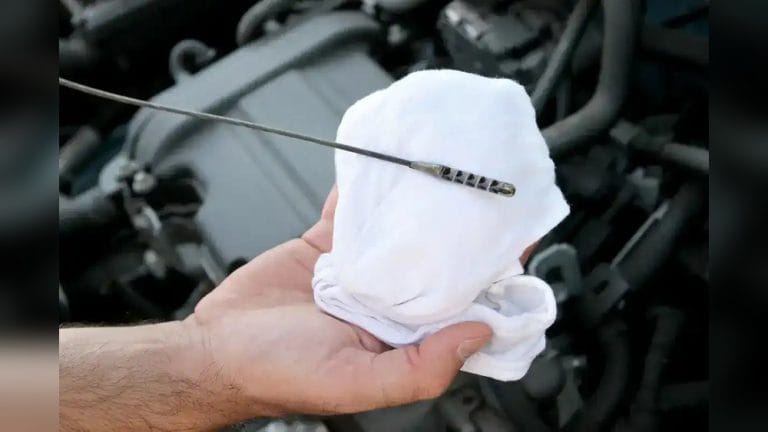
Check the dipstick, the filler neck, and any visible valve cover area. Look at coolant level in the reservoir, and note whether the engine has a burnt oil smell or runs hotter than normal. Those clues matter more than cap residue alone.
- Pull the dipstick and note color, thickness, and smell.
- Check the coolant reservoir level against its marks.
- Look for residue under the cap and inside the filler neck.
- Review the oil change history against the owner’s manual.
- Watch for oil pressure warnings, overheating, or metal in the oil.
What causes sludge in engine oil?
Short trips, heat cycling, overdue oil changes, and restricted PCV flow are the main causes. Oil oxidation thickens the oil and depletes additives, while moisture and combustion byproducts stay in the crankcase longer on engines that never reach full operating temperature.
Short trips and incomplete warm-up
Frequent trips under full operating temperature are hard on oil. Water and combustion byproducts remain in the crankcase longer, which speeds up sludge formation. This is common in cold climates, school-run use, and stop-start driving where the engine rarely gets a long hot run.
Suppose a commute lasts about 10 minutes and happens twice a day in winter. The engine warms a little, then cools again before moisture leaves the crankcase. Over time, that cycle leaves a tan film at the cap and can move toward thicker sludge if the oil stays in service too long.
Oil oxidation from heat cycling
Consumer Reports says prolonged high heat can oxidize and break down oil into sludge. Heat cycling thickens the oil and depletes additives, so the oil loses some of its ability to keep soot and moisture suspended. That process is a major sludge driver in hot-running or neglected engines. (Consumerreports)
Overdue oil changes and depleted additives
The manufacturer schedule matters. Overdue service is a major sludge driver, and severe-service schedules apply to short trips, harsh use, cold weather, and stop-and-go traffic. Keep records and receipts so you can compare actual service to the interval in the manual.
PCV restriction and trapped moisture
The PCV system is the crankcase ventilation path. It moves moisture and vapors out of the crankcase through a valve and passages. If the valve or passages clog, sludge risk rises because moisture stays in the engine longer. A clogged PCV system is a cheap part that can cause expensive damage.
Why is my oil cap creamy?
Creamy beige residue can come from normal condensation, but it can also mean coolant contamination. The difference matters. Ordinary moisture usually stays limited to a light film, while coolant can create a milkier deposit and may point to a head gasket or intake gasket issue.
Normal condensation versus coolant contamination
Light beige or tan residue under the cap can come from short trips and cold weather. Creamy beige residue is more concerning when it appears with a falling coolant level, overheating, or milkiness on the dipstick. The Wizard Group says a creamy deposit under the cap can indicate a different problem from sludge.
How to check coolant level and dipstick condition
Check the coolant reservoir when the engine is cool and compare it to the marks. Then pull the dipstick and look for a milky film, foamy oil, or oil that appears thin and contaminated. If both the cap and dipstick look creamy, treat coolant intrusion as the likely path until proved otherwise.
When creamy residue points to gasket trouble
If the coolant keeps dropping and the engine runs hot, do not assume the cap residue is harmless. Coolant contamination is a different diagnosis from ordinary sludge, and it can damage bearings quickly. A leak at the head gasket or intake gasket needs diagnosis before the engine is pushed hard again.
What the rest of the engine can tell you
Look beyond the cap. The dipstick, valve cover area, coolant reservoir, and oil pressure behavior tell you whether you are dealing with light condensation, general sludge, or a deeper mechanical problem. A cap check alone can miss the bigger picture.
Dipstick, valve cover, and filler neck clues
If the dipstick shows thick black oil or a milky film, the problem is larger than a light cap stain. Sludge may also appear around the filler neck or visible under the valve cover. Black sticky sludge points more toward oil degradation and ventilation issues than normal condensation.
Low oil level, low coolant level, and smell checks
Low oil level with sludge suggests consumption, leaks, or long service intervals. Low coolant level with creamy residue suggests coolant intrusion. A burnt oil smell often fits overheating or oxidized oil, while a sweet smell may point toward coolant.
A common first-timer mistake is to wipe the cap clean and stop there. Picture a turbocharged sedan with 118,000 miles, a low coolant bottle, and a burnt smell from the dipstick. Cleaning the cap does nothing if the real issue is a coolant leak or a restricted PCV system.
Why severe sludge can reach the oil pickup screen
Severe sludge can collect in the pan and clog the oil pickup screen. That restriction can drop oil pressure and starve the engine of oil. In those cases, a pan-drop inspection matters more than repeated top-side cleaning. Severe sludge may need mechanical cleaning instead of a flush.
What to do next
Start with the cheapest checks. Then match the action to the residue, the coolant level, and the service history. Light residue can be monitored. Black sticky sludge calls for service. Creamy beige residue with coolant loss needs diagnosis. Chunked deposits or low oil pressure need immediate attention.
- Monitor: clean amber film or light tan film, stable oil level, stable coolant level.
- Service soon: black sticky sludge, overdue oil service, or suspected PCV restriction.
- Stop driving: creamy beige residue with falling coolant, overheating, metal in the oil, or low oil pressure.
When an oil and filter change may be enough
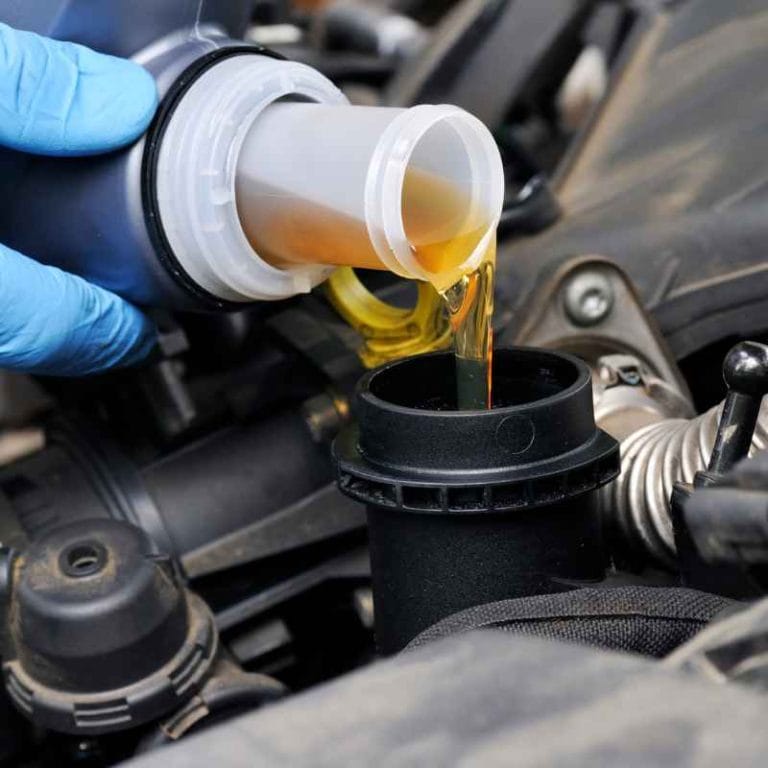
Light sludge can sometimes improve with two or three short-interval oil changes, according to The Wizard Group. That is most reasonable when the oil level is stable, the coolant is stable, and the residue is mild. A fresh filter matters here because it removes suspended debris while the oil is changed.
When PCV service makes sense
If the cap keeps collecting sludge and the PCV valve or passages are restricted, replacement is a sensible step. The PCV system is inexpensive compared with the damage that can follow if moisture and vapors stay trapped. Clean passages also help a new oil change do its job.
When severe sludge needs mechanical cleaning
Heavy sludge should not be flushed chemically. A flush can loosen debris faster than the engine can safely pass it, and the debris may clog oil passages or the pickup screen. In severe cases, the safer path is mechanical cleaning, pan-drop inspection, and targeted repair.
Frequently asked questions
What causes oil sludge?
Oil sludge usually comes from oxidation, moisture, contamination, and depleted additives. Overdue oil changes, short trips, and heat cycling make the oil break down faster. A clogged PCV system can make the problem worse by trapping vapor and moisture in the crankcase.
What causes engine oil sludge?
The main causes are the same: incomplete warm-up, extended oil change intervals, heat, and poor crankcase ventilation. The same source says prolonged high heat can oxidize and break down oil into sludge. Some engines are also prone to sludge buildup even without obvious neglect.
Can short trips cause oil sludge?
Yes. Short trips keep the engine from fully evaporating moisture and fuel vapors out of the oil. That leaves contamination in the crankcase and speeds sludge formation. Cold-climate stop-start driving is a classic pattern for this problem.
Can a clogged PCV valve cause sludge?
Yes. The PCV system moves moisture and vapors out of the crankcase, so a clogged valve or passage raises sludge risk. The Wizard Group notes that a clogged PCV system is a cheap part that can cause expensive damage. It is one of the first things to inspect.
Can coolant contamination look like sludge?
Yes, but it is a different diagnosis. Coolant contamination can create creamy beige deposits that resemble sludge under the cap. If the coolant level is dropping, the engine overheats, or the dipstick looks milky, treat it as a coolant leak until diagnostics prove otherwise.
Products related to this article
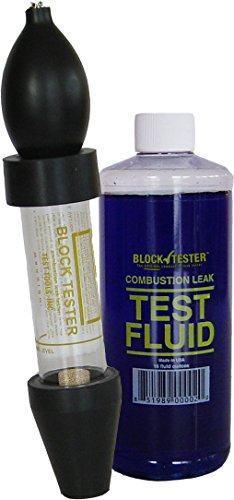
Sponsored / affiliate links. As an Amazon Associate I earn from qualifying purchases. I may earn additional commission from eligible campaigns.