Why Is My Car Battery Light On? Causes You Shouldn’T Ignore
A glowing battery light on your car’s dashboard can spark immediate concern for even the most experienced drivers. While some warning lights are easy to overlook, the battery indicator demands your attention, signaling that your vehicle’s electrical system is experiencing an issue that could leave you stranded.
Ignoring this alert isn’t just risky; it can lead to costly repairs, lost time, or even unsafe driving conditions.
This guide will help you understand what triggers your car battery light, why these causes matter, and what you should do next. We’ll explore the most common culprits behind a battery warning, how to troubleshoot effectively, and what proactive steps you can take to avoid emergencies.
With clear data, real-world examples, and authoritative references, you’ll be equipped to handle this problem decisively and safely.
Key Takeaways
- The battery light indicates an issue with your car’s charging system, not just the battery itself.
- Common causes include alternator failure, battery issues, loose belts, and wiring faults.
- Ignoring the warning can lead to a dead battery, vehicle stalling, or expensive repairs.
- Simple checks and routine maintenance can prevent most battery light incidents.
- Seek professional help if DIY fixes don’t resolve the issue or if multiple warning lights appear.

Credit: www.fairwayautomotive.com
Understanding The Car Battery Light
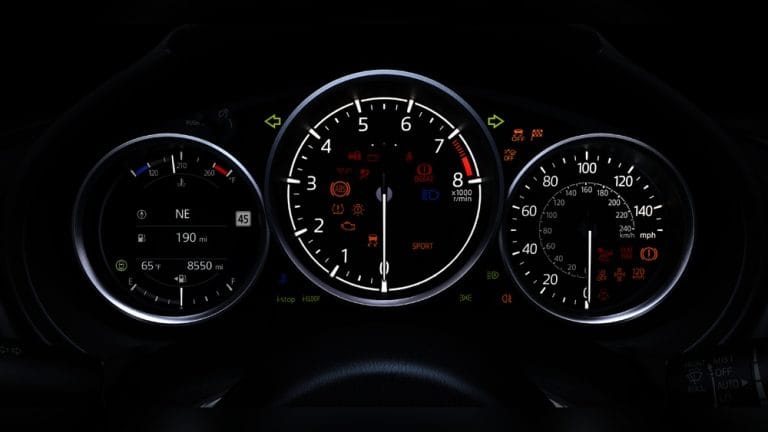
The battery light, often depicted as a small battery symbol or “ALT” or “GEN” indicator, is integral to your vehicle’s dashboard warning system. Its illumination means the charging system isn’t functioning correctly, and your car may be running solely on battery power.
What The Battery Light Really Means
Unlike what the name suggests, the battery light does not only signify a weak or dead battery. Instead, it points to a deeper issue within the charging system, a network that includes the alternator, voltage regulator, wiring, and the battery itself. When this system cannot supply sufficient voltage, the light triggers, alerting you to a problem that needs attention.
How The Charging System Works
Your car’s alternator is responsible for generating electricity and keeping the battery charged while the engine is running. The voltage regulator ensures the output remains at a safe level, while the battery stores and delivers power as needed. If any part of this cycle fails, your car will eventually lose electrical power, leading to a stall.
Dashboard Warning Light Sequence
It’s common for the battery light to briefly illuminate when you start your car. This is a system check and should turn off within a few seconds. If it stays on or comes on while driving, it’s a true warning.
Warning: Never ignore a battery light that appears while driving. Continued operation can result in loss of critical systems like power steering and brakes.
Common Causes Of A Car Battery Light
Understanding the root causes of the battery light is crucial for prompt and effective action. Below are the most frequent issues, their symptoms, and why you shouldn’t ignore them.
Alternator Failure
The alternator converts engine power into electrical energy. If it fails, your car runs solely on battery power, which can deplete quickly.
- Symptoms: Dimming headlights, slow accessories, whining noises.
- Risks: Complete vehicle shutdown if not addressed.
Example: A 2018 Honda Civic’s battery light illuminated on a highway. The alternator had failed, and the vehicle stalled within 15 minutes, requiring a tow.
Bad Or Weak Battery
A battery at the end of its service life can trigger the warning light, particularly if it struggles to hold a charge.
- Symptoms: Slow engine cranking, frequent jump starts required.
- Risks: May mask deeper issues if not tested properly.
Faulty Voltage Regulator
The voltage regulator manages the alternator’s output. If it malfunctions, the system may overcharge or undercharge the battery.
- Symptoms: Flickering lights, burning smells, battery swelling.
- Risks: Potential damage to sensitive electronics.
Loose Or Damaged Drive Belt
The drive belt (or serpentine belt) spins the alternator. If it’s loose, cracked, or broken, the alternator cannot generate power.
- Symptoms: Squealing noises, visible belt damage, multiple warning lights.
- Risks: Loss of power steering or AC if the belt drives other accessories.
Corroded Or Loose Battery Connections
Battery terminals and cables must be clean and tight. Corrosion or looseness creates resistance, reducing charging efficiency.
- Symptoms: White or blue buildup on terminals, intermittent power loss.
- Risks: Inconsistent electrical performance, hard starting.
Wiring Or Fusible Link Faults
Damaged or frayed wiring, blown fuses, or failed fusible links can disrupt the charging system.
- Symptoms: Electrical shorts, burning smells, random warning lights.
- Risks: Fire hazards, unpredictable electrical failures.
Parasitic Electrical Drain
Aftermarket devices or faulty components may draw excessive current from the battery even when the vehicle is off.
- Symptoms: Battery dies overnight, light remains on after repairs.
- Risks: Shortened battery life, recurring electrical issues.
Comparison Table: Common Battery Light Causes
| Cause | Key Symptoms | Immediate Risk | Repair Complexity |
|---|---|---|---|
| Alternator Failure | Dimming lights, stalling | High | Moderate to High |
| Weak Battery | Slow cranking, frequent jumps | Medium | Low |
| Drive Belt Issues | Squealing, loss of power steering | High | Low to Moderate |
| Corroded Connections | White/blue deposits, intermittent loss | Low to Medium | Low |
| Wiring/Fuse Faults | Short circuits, burning smell | High | High |

Credit: www.tbirdauto.com
Diagnosing The Battery Light: Step-by-step
A methodical approach can help you pinpoint the cause and determine if it’s safe to drive or if immediate action is required.
Step 1: Visual Inspection
- With the engine off, open the hood and examine the battery terminals for corrosion or looseness.
- Inspect the drive belt for cracks, fraying, or slack.
Pro Tip: Use gloves and eye protection when working near the battery.
Step 2: Check Electrical Accessories
- Turn on headlights, radio, and AC. Dimming or nonfunctional accessories may signal a charging issue.
Step 3: Test Battery Voltage
- Use a multimeter across battery terminals; a healthy battery should read 12.6V with the engine off and 13.7-14.7V running.
- Lower readings indicate alternator or battery trouble.
Step 4: Scan For Error Codes
- Modern cars can store diagnostic codes related to charging problems.
- Many auto parts stores offer free code scans.
Step 5: Assess Driveability
- If the battery light is on but the car runs normally, minimize electrical load and drive to a repair facility.
- If multiple warning lights or erratic behavior occurs, pull over safely and call for assistance.
Warning: Driving with a failing charging system can quickly drain the battery, disabling safety features like airbags and ABS.

Credit: ericscarcare.com
Real-world Examples And Case Studies
Understanding how the battery light issue unfolds in real situations helps illustrate the importance of swift action.
Example: Alternator Failure On The Highway
A driver in a 2016 Toyota Camry noticed the battery light and ignored it, assuming it was a sensor error. Within 20 minutes, the dashboard lit up with additional warnings, headlights dimmed, and the car stalled in the left lane. A dead alternator left the battery unable to power critical systems, resulting in a dangerous breakdown.
Example: Corroded Terminals Causing Intermittent Light
In my experience with a 2012 Ford Focus, the battery light would flicker on rough roads. Upon inspection, the positive terminal was coated in corrosion, causing poor contact. Cleaning the terminals resolved the issue, and the warning light disappeared.
Example: Aftermarket Audio System Draining Battery
A 2019 Chevrolet Malibu owner installed an aftermarket subwoofer without proper wiring. The added load caused the battery light to illuminate and the battery to drain overnight. Relocating the power wire to the correct fuse and upgrading the alternator solved the problem.
Impact Of Ignoring The Battery Light
The consequences of driving with the battery light on extend beyond inconvenience. Here’s what’s at stake if you delay action.
Risk Of Stalling In Traffic
A depleted battery will eventually be unable to power ignition, fuel injection, and essential electronics. Stalling in traffic can be both hazardous and costly.
Permanent Damage To Electrical Components
Fluctuating voltage or overcharging can damage expensive parts such as the ECU, sensors, and infotainment system.
Additional Repair Costs
Neglecting a simple issue like a loose belt or corroded connection can escalate to major repairs, such as:
- Replacing the alternator ($400, $1,000)
- Electrical system diagnostics and rewiring ($100, $500+)
- ECU or module replacement ($500+)
Reduced Battery Lifespan
Frequent deep discharges from an unresolved charging issue can permanently shorten battery life, requiring early replacement.
Preventive Maintenance And Proactive Solutions
Regular maintenance is the best defense against unexpected battery light warnings. These steps can help you avoid trouble:
Routine Battery Checks
- Inspect and clean terminals every oil change.
- Test battery health annually, especially before winter.
Alternator And Belt Inspections
- Request a charging system test during scheduled service.
- Replace drive belts every 60,000, 100,000 miles or as advised by your car’s manual.
Careful Installation Of Aftermarket Electronics
- Use professional installers who understand vehicle electrical loads.
- Upgrade alternators or wiring as needed for high-demand accessories.
Addressing Electrical Accessories
- Turn off non-essential accessories if the battery light comes on.
- Avoid jump-starting repeatedly without finding the root cause.
Table: Maintenance Schedule And Benefits
| Task | Recommended Frequency | Benefit |
|---|---|---|
| Clean Battery Terminals | Every oil change (3,000, 5,000 miles) | Prevents voltage drop, ensures good contact |
| Test Battery Health | Annually or before long trips | Detects early failure, avoids surprise breakdowns |
| Inspect Drive Belt | Every 15,000 miles | Prevents alternator issues, loss of power accessories |
| Charging System Check | Every 30,000 miles or as symptoms appear | Ensures alternator and regulator are working |
Diy Fixes Vs. Professional Help
Knowing when to attempt a repair yourself and when to seek professional assistance can save time and money, while preventing further damage.
Safe Diy Checks
You can confidently address these items at home:
- Cleaning and tightening battery terminals
- Inspecting and replacing visible drive belts
- Testing battery voltage with a multimeter
When To Call A Mechanic
Seek expert help if:
- The battery light stays on after basic checks
- You notice burning smells or smoke
- There is a persistent electrical short or multiple warning lights
- The alternator, regulator, or wiring needs replacement
Table: Diy Vs. Professional Repairs
| Repair Type | DIY Friendly | Mechanic Required |
|---|---|---|
| Clean Battery Terminals | Yes | No |
| Replace Drive Belt | Yes (basic tools) | No |
| Test Battery Voltage | Yes | No |
| Alternator Replacement | No | Yes |
| Wiring Repairs | No | Yes |
Finding A Qualified Technician
Look for ASE-certified mechanics or dealerships with positive reviews. Many offer free charging system checks with service visits.
For additional expert guidance, visit the National Institute for Automotive Service Excellence.
Cost Analysis: Battery Light Repairs
Financial implications vary widely depending on the root cause and your vehicle’s make and model.
Average Repair Costs
- Battery replacement: $100, $250
- Alternator replacement: $400, $1,000
- Drive belt replacement: $75, $200
- Terminal cleaning/cable replacement: $20, $100
- Electrical diagnostics: $50, $150
Value Of Early Action
Timely repairs prevent secondary damage and larger expenses. For instance, a $100 belt replacement can prevent a $1,000 alternator or ECU failure.
Insurance And Warranty Coverage
Some repairs may be covered under a powertrain warranty or extended service contract. Check your policy or with your dealership for details.
Example: Warranty-supported Alternator Repair
A 2020 Subaru Outback driver had the alternator replaced under a 60,000-mile warranty, saving nearly $900 in out-of-pocket costs.
For more information on average repair costs, refer to Consumer Reports.
Frequently Asked Questions
Why Does My Battery Light Come On Only When It’s Cold Outside?
Cold weather increases battery internal resistance and thickens engine oil, making the battery and alternator work harder. If the battery is weak or the alternator is aging, the light may come on only during cold starts. It’s a signal to have the charging system checked before more severe winter weather.
Can I Keep Driving With The Battery Light On If My Car Seems Fine?
While your car may run normally for a short time, you’re at risk for sudden stalling and loss of critical systems. The battery is not being recharged, and once depleted, your car will stop running. It’s wise to minimize driving and head directly to a repair facility.
Is A New Battery Likely To Fix The Battery Light?
Not always. The battery light usually indicates a problem with the charging system, not just the battery itself. While a new battery may temporarily mask the problem, unresolved alternator, belt, or wiring faults will cause the warning to return. Testing the entire system is recommended.
What Should I Do If The Battery Light And Other Warning Lights Come On Together?
Multiple warning lights can indicate a severe electrical or charging failure, possibly affecting the power steering, brakes, and engine management. Safely pull over, turn off unnecessary electronics, and seek immediate professional help to prevent further damage or unsafe driving conditions.
How Often Should I Test My Car’s Charging System?
It’s good practice to test your vehicle’s charging system at least once a year, ideally before winter or long road trips. More frequent testing is recommended if you notice slow starts, dimming lights, or after installing new electrical accessories.
If you have concerns about your vehicle’s health, always consult a certified automotive technician for diagnosis and repair.
A battery light is your car’s way of alerting you to a potentially serious issue in the charging system. By recognizing the most common causes, performing basic checks, and seeking professional help when needed, you can avoid breakdowns and costly repairs.
Stay proactive with regular maintenance, and your vehicle will reward you with dependable performance and peace of mind.
Products related to this article
Sponsored / affiliate links. As an Amazon Associate I earn from qualifying purchases. I may earn additional commission from eligible campaigns.