Why Do People Tilt Their Car Tires? The Real Reason Why
Why do people tilt their car tires is a common question among car enthusiasts and everyday drivers who notice vehicles with wheels angled inward or outward at the top. This practice, known as camber adjustment, serves specific performance and aesthetic purposes that go far beyond simple optical appeal. In this article, you will discover the real reasons behind tire tilting, how it affects handling and tire wear, and whether it makes sense for your driving needs.
Simply put, people tilt their car tires to adjust the camber angle for improved cornering performance, better traction during racing or off-road driving, or to achieve a specific stance or look. However, extreme tilting can lead to uneven tire wear and reduced straight-line stability, so the decision involves trade-offs between handling, longevity, and appearance.
Key Takeaways
- Tire tilting (camber adjustment) modifies how the tire contacts the road, influencing grip and cornering ability.
- Negative camber (top of tire tilted inward) is most common for performance driving, while positive camber helps with heavy loads or off-road stability.
- Excessive camber causes rapid inner or outer edge wear and can reduce braking performance on normal roads.
- Most passenger vehicles have fixed camber from the factory; aftermarket kits are needed to alter it.
- Understanding your driving habits and vehicle purpose is essential before deciding to tilt your tires.
What Is Tire Tilt and Camber?
Tire tilt refers to the angle of the wheel relative to the vertical axis when viewed from the front of the vehicle. In automotive terms, this angle is called camber. When the top of the tire leans inward toward the center of the car, it is negative camber; when it leans outward, it is positive camber.
Zero camber means the tire is perfectly perpendicular to the road.
Camber is one of three key alignment angles — the others being caster and toe. While caster influences steering feel and toe affects straight-line tracking, camber has the most direct impact on the tire’s contact patch during cornering. Manufacturers set camber within a narrow range for daily driving to balance tire wear and handling.
- Negative camber: Top tilts inward; common in sports cars and race setups.
- Positive camber: Top tilts outward; seen on some trucks and off-road vehicles.
- Zero camber: Wheel is upright; typical for most passenger cars.
- Camber is measured in degrees; even half a degree can change handling characteristics.
- Adjustable camber kits use control arms, camber plates, or eccentric bolts to change the angle.
| Camber Type | Visual Cue | Typical Use |
|---|---|---|
| Negative | Wheels slant inward at top | Performance, racing, stance |
| Positive | Wheels slant outward at top | Off-road, heavy loads, some trucks |
| Zero | Wheel vertical | Standard daily drivers |
Understanding these basics helps you grasp why drivers intentionally tilt their tires rather than leave them at factory settings.
Why Do Drivers Tilt Their Car Tires?
The primary reason people tilt their tires is to improve cornering performance. When a car turns, the body rolls, causing the suspension to compress on the outer side. With negative camber, the tire leans into the turn, keeping more of the tread in contact with the road.
This maximizes grip and allows higher cornering speeds. Formula 1 cars, for example, run significant negative camber on the front wheels to handle high-speed turns.
Another popular reason is the “stance” or “hellaflush” car culture. Enthusiasts tilt their tires to extreme negative angles to create an aggressive, lowered look. While this reduces handling benefits and accelerates tire wear, it is a deliberate style choice.
According to a 2022 survey by StanceNation, approximately 40% of stance car owners prioritize aesthetics over performance.
- Racing and track days: Drivers use -2° to -4° camber for maximum cornering grip.
- Off-road vehicles: Positive camber can help tires bite into loose terrain and improve stability on uneven surfaces.
- Heavy loads: Positive camber compensates for weight sag, keeping tires upright when carrying cargo.
- Stance modification: Extreme negative camber (often -8° or more) for visual impact.
- Drifting: Moderate negative camber on front tires for turn-in response; often more aggressive on rear.
Tip: If you want to improve cornering on your daily driver, consider a modest -0.5° to -1.0° of negative camber. This keeps tire wear reasonable while noticeably sharpening turn-in response.
Each of these use cases involves trade-offs. Knowing why people tilt their car tires helps you align your goals with the right setup.
How Does Tire Tilt Affect Tire Wear and Vehicle Dynamics?
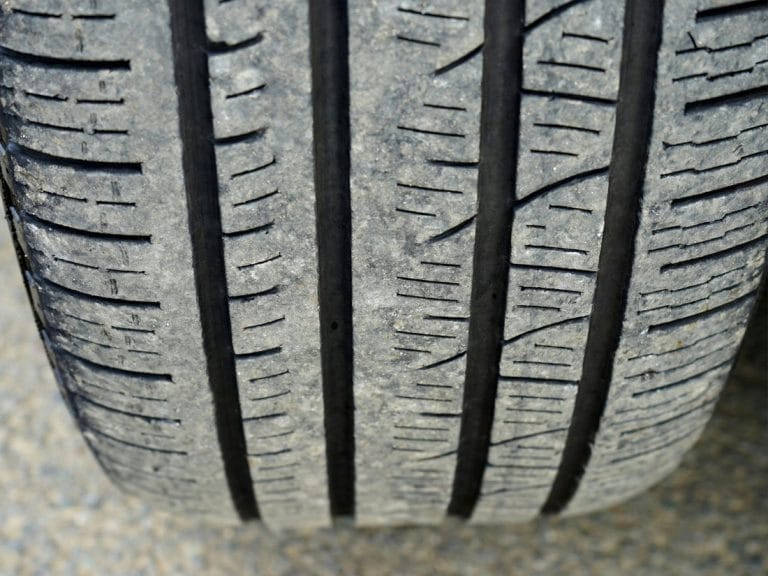
Camber directly changes how the tire contacts the road. With negative camber, the inner edge of the tire bears more load during straight-line driving. Over time, this wears the inside shoulder faster.
A study by Tire Rack showed that a daily driver with -2° of camber can see inner edge wear life reduced by 30–50% compared to zero camber. Conversely, positive camber wears the outer edge more.
Vehicle dynamics also change. Negative camber increases lateral grip during corners but reduces straight-line braking effectiveness because the contact patch is smaller. The vehicle may pull slightly to one side if camber is not equal on both sides.
For racing, these trade-offs are acceptable; for commuting, they can be problematic.
- Increased cornering grip at the expense of straight-line tire life.
- Reduced braking performance on flat roads due to altered contact patch.
- Potential for uneven tread wear requiring more frequent tire rotations.
- Change in steering feel — heavier or more sensitive depending on camber amount.
- Alignment complications — toe settings often need adjustment alongside camber.
| Camber Degree | Cornering Grip Change | Tire Life Impact |
|---|---|---|
| -0.5° to -1° | Noticeable improvement | Minor inner wear |
| -2° to -3° | Large improvement for track use | 30-50% reduction in tread life |
| -4° or more | Marginal additional gain | Rapid inner wear; unsafe for daily |
The key is balancing your priorities. If you mostly drive on highways, minimal camber is best. If you autocross on weekends, moderate negative camber is worthwhile.
Warning: Driving with extreme negative camber (over -3°) on public roads is dangerous in wet conditions. The reduced contact patch significantly increases the risk of hydroplaning.
What Are the Different Types of Camber Adjustments?
Camber adjustments fall into two categories: factory fixed and aftermarket adjustable. Most passenger vehicles have a fixed camber that is set during assembly and cannot be changed without aftermarket parts. On these cars, the only way to alter camber is to replace control arms, install camber bolts, or add adjustable top mounts.
Vehicles built for performance often come with adjustable camber from the factory. For example, the Mazda MX-5 Miata and many BMW models have eccentric bolts or slotted strut mounts that allow a small range of adjustment. Track-oriented cars sometimes include dual-adjustable camber plates for both street and track settings.
- Camber bolts: Replace one of the factory bolts with an eccentric design that shifts the wheel position. Typical range: ±1.5°.
- Adjustable control arms: Replace the upper or lower arm with one that has a threaded or slotted adjustment mechanism. Common for lowered cars.
- Camber plates: Installed on top of the strut tower; allow quick adjustment. Used in racing and high-performance street cars.
- Shim kits: Thin metal plates placed between the spindle and control arm to tilt the wheel. More common on older cars.
- Full custom suspension: Coilovers with adjustable top mounts and lower brackets offer wide camber range.
Choosing the right method depends on your budget, desired range, and vehicle type. For a daily driver that only needs a small adjustment, camber bolts are cost-effective. For a dedicated track car, camber plates are preferable for their adjustability and precision.
Who Needs Tilted Tires and Who Should Avoid Them?
Tire tilt is not for everyone. Drivers who benefit most are those who demand maximum grip during corners — autox competitors, track day enthusiasts, and drifters. Off-road drivers may use positive camber to improve stability on rocky trails.
Commercial vehicles hauling heavy loads sometimes apply positive camber to counteract suspension sag.
On the other hand, the average commuter, long-distance cruiser, or someone who prioritizes tire longevity should keep camber at or near zero. According to the National Highway Traffic Safety Administration (NHTSA), improper alignment is a factor in 12% of tire-related crashes. Extreme camber alignment can reduce dry braking distances but increase stopping distance on wet pavement by up to 15%.
- Do consider tilting if: You compete in motorsports, drive aggressively on curvy roads, or need to accommodate heavy loads.
- Do not tilt if: You commute on highways, want maximum tire life, or drive in snowy/rainy conditions frequently.
- Always get a professional alignment after any camber change to set toe correctly.
- Check local laws — some regions have restrictions on extreme camber modifications.
Important: Before modifying your camber, inspect your suspension components for wear. Worn bushings or ball joints can exaggerate camber effects and lead to unsafe handling.
Common Misconceptions About Tire Tilt
One myth is that extreme negative camber always improves cornering. In reality, beyond about -3°, the benefits plateau and disadvantages — such as reduced braking grip and increased tire wear — dominate. Another misconception is that positive camber is always bad.
For off-road driving, a slight positive camber can help the tire’s shoulder dig into loose dirt for better traction.
Some believe that tilting tires is only for show cars. While stance culture has popularized extreme camber, the technique originates from motorsports and remains a practical tool for performance tuning. The key is understanding the purpose behind the tilt.
- Myth: Camber alone fixes understeer. Fact: Toe alignment and spring rates also play major roles.
- Myth: All race cars use huge negative camber. Fact: Oval track racers often use positive camber on the right front to deal with banking.
- Myth: You can eyeball camber adjustment. Fact: A precise alignment machine is required to set it accurately.
- Myth: Tilted tires always look cool. Fact: Excessive camber can make a car difficult to drive and may attract unwanted attention from law enforcement.
How to Tell If Your Tires Are Tilted
If you suspect your car’s tires have excessive camber, look for these signs: uneven tread wear on the inner or outer edges, the car pulling to one side when driving straight, or a drifting sensation during braking. You can visually inspect by standing in front of the car and comparing the wheel angle to the body line.
A more accurate method is to take your car to an alignment shop. Technicians use a computerized alignment rack to measure camber, caster, and toe to within 0.1 degrees. Many shops offer a free initial inspection.
If the camber is outside the manufacturer’s specification, you will be advised on correction options.
- Inner edge feathering or smooth wear patterns indicate negative camber.
- Outer edge wear suggests positive camber.
- Check the tire pressure first — under-inflation can mimic camber wear.
- Feel for vibration on straight roads, which may indicate alignment issues beyond camber.
Frequently Asked Questions
Is it legal to tilt your car tires?
Laws vary by state and country. Many jurisdictions require that all modifications comply with the vehicle’s original safety standards. Extreme camber that reduces tire contact patch or obscures headlights may be considered illegal.
Check your local vehicle code before making drastic changes.
Does tilting tires affect gas mileage?
Yes. Excessive camber increases rolling resistance because the tire scrubs against the road. Tests show that a car with -3° camber can see fuel economy drop by 5% to 10% compared to zero camber, due to additional friction and alignment drag.
Can I tilt my tires without a lift kit?
For many cars, no.
Lowering the car changes the suspension geometry and naturally introduces negative camber. However, you can add camber bolts or adjustable arms without a lift. A lift kit is not required unless you want to raise the vehicle and maintain positive camber.
How much does it cost to adjust camber?
A basic camber bolt set costs $20–$50 plus installation labor (1–2 hours).
Adjustable control arms range from $200 to $600 per pair. A full professional alignment typically adds $100–$200. For extreme setups with custom suspension, costs can exceed $2,000.
Can I drive with tilted tires on snow?
Not recommended.
Negative camber significantly reduces the tire’s contact patch, which is critical for traction on snow and ice. Even positive camber can be unstable. For winter driving, keep camber at factory spec and use winter tires.
Final Thoughts
People tilt their car tires for performance, style, or load management, but the decision should be based on your specific driving needs.
Negative camber boosts cornering grip at the cost of tire life and wet-weather safety, while positive camber helps off-road and heavy-load stability. If you choose to adjust your camber, start modestly and always get a professional alignment. With the right setup, you can enjoy the benefits of tire tilt without compromising safety and longevity.