Why Does My Clutch Pedal Vibrate When Released?
Clutch pedal vibration on release usually comes from the pedal box, hydraulics, mounts, or clutch assembly. If the shake starts as the pedal comes up, those systems matter more than the pedal pad itself. Ignoring it can make shifting harder, hide the real fault, and turn a small repair into a more expensive clutch or transmission job. This guide shows how timing, feel, and noise narrow the source fast.
How symptom location and timing point to the fault
- Compatible with brake system rubber components
- Helps prevent seal hardening or softening
- Protects against rust and corrosion
Clutch pedal vibration that appears as you let the pedal up usually points to a moving part that changes load during engagement. The key question is where the shake is felt: in the pedal alone, through the floor, or as shudder in the car. That split separates pedal-box wear from hydraulic, mount, and clutch assembly faults.
Pedal feel versus clutch chatter
A vibrating pedal is a tactile symptom at the clutch pedal arm, pivot, or hydraulic linkage. Clutch chatter is different: the car shudders or hops during takeoff while the pedal itself may feel normal. If the vibration is only in your foot, start with the pedal box and hydraulics. If the whole car shakes at the bite point, inspect the clutch disc, pressure plate, flywheel, and mounts.
When the vibration happens matters
Symptoms that appear only at the bite point often track with release bearing, pressure plate, flywheel, or contamination issues. Vibration that shows up only cold can point to a stiff hydraulic seal, a return spring that binds, or a mount that changes behavior with temperature. If it is intermittent, gear-specific, or tied to engine load, mounts and driveline movement move higher on the list.
What other symptoms change the answer
Noise matters. A squeal, chirp, or growl during pedal release can point toward the release bearing, pilot bearing, or pedal pivot. Hard shifting suggests incomplete clutch release, often from low fluid, air in the lines, or a hydraulic leak. Slipping under throttle points more toward clutch disc or pressure plate wear than a pedal-box issue.
Clutch vibration decision table
| Where the vibration is felt | When it happens | Other signs | Most likely cause | Next inspection step |
|---|---|---|---|---|
| Only in the pedal, near the top of travel | As the pedal starts to rise | Little or no noise; shifting may still be normal | Pedal pivot, bushing, hinge wear, or return spring drag | Inspect pedal box, free play, and spring action with a flashlight |
| Pedal pulses every stroke | At release and return | Fluid loss, damp carpet, or soft pedal | Master cylinder or slave cylinder wear, air in lines, leak | Check reservoir level, line fittings, and slave cylinder boot |
| Pedal shakes at the bite point | Only as clutch starts to engage | Shudder on takeoff, possible odor, possible slipping | Clutch disc, pressure plate, flywheel, or contamination | Look for oil leaks and check for engagement judder under light load |
| Pedal and cabin both vibrate | More noticeable under load or in one gear | Engine movement, clunk on throttle changes | Engine mount or transmission mount movement | Inspect mounts for cracks, collapse, or excess driveline motion |
| Pedal vibration with hard shifting | During release and gear selection | Low fluid, air, or delayed disengagement | Hydraulic fault or misadjusted free play | Bleed system if specified; verify free play and travel |
What in the pedal box can shake the pedal?
The pedal box can create a buzz or pulse when the pivot, bushings, hinge, or return spring wears. On cable clutches, a frayed cable or rough sheath routing can add a rough feel. On hydraulic systems, the pedal still has a pivot and spring, so those parts remain a possible source even when the clutch actuation is not cable-based.
Pedal pivot, bushings, and hinge wear
Loose pivot hardware lets the pedal arm move sideways or bind as load changes. That can feel like a small vibration, a click, or a rough spot near the top of pedal travel. A dry bushing or worn hinge often shows the same symptom with and without the engine running, which helps separate it from clutch-pack faults.
Return spring problems
A weak or crooked return spring can make the pedal pulse as it comes up because the spring changes tension through the stroke. If the pedal returns slowly, sticks, or feels uneven near the top, check the spring attachment points and the pedal stop. A damaged spring can also change free play, which can confuse the diagnosis.
Free play and misadjustment
Free play is the small amount of pedal movement before the clutch starts to release. Too little free play can keep the release bearing loaded and make vibration or noise more noticeable. Too much can delay disengagement and make the pedal feel vague. If a cable system is out of adjustment, the clutch may engage too high or too low and create a false vibration complaint.
Can the hydraulic system make the pedal pulse?
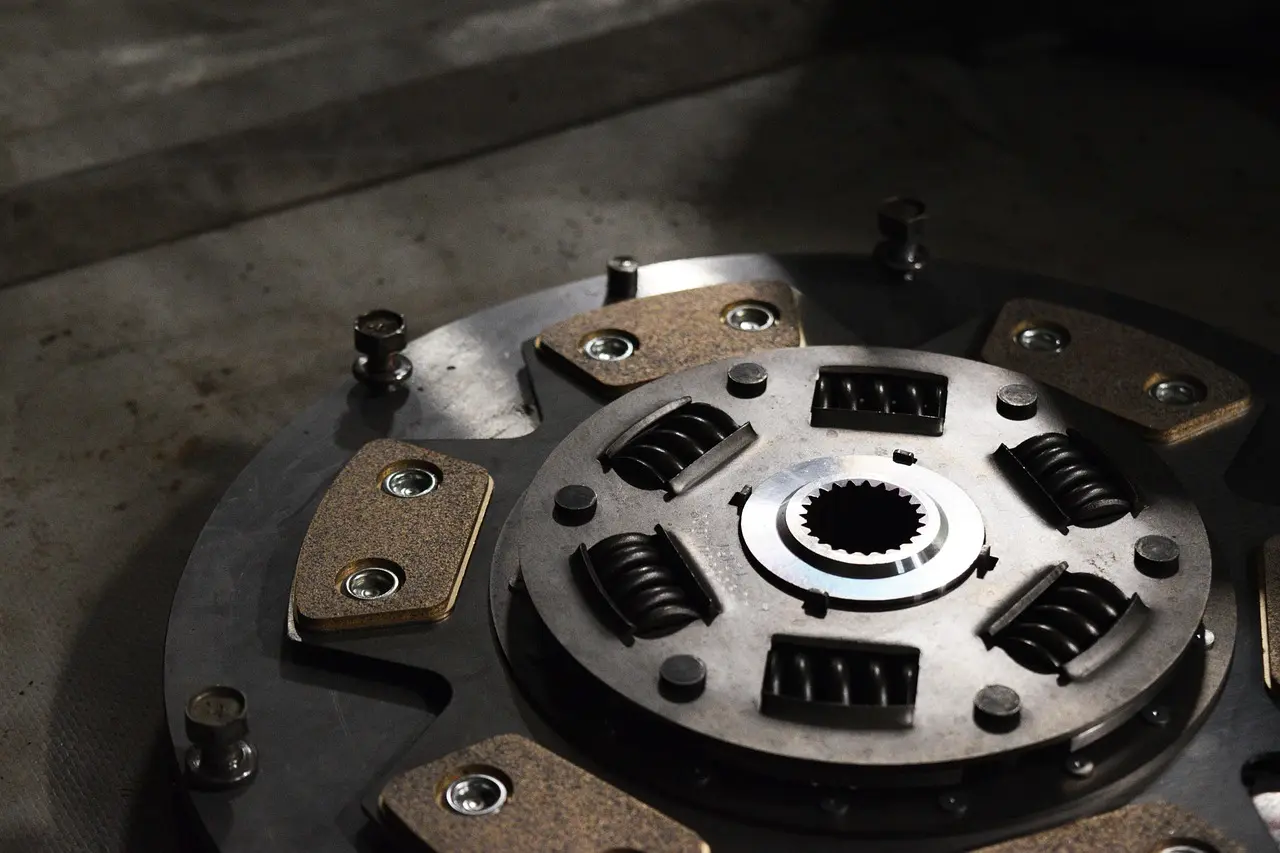
Yes. Low fluid, air in the lines, or wear in the master or slave cylinder can make the pedal pulse, change height, or feel uneven on release. Hydraulic faults usually change pedal feel more than they create true clutch chatter, and they often come with leaking fluid, a soft pedal, or trouble selecting gears.
Low fluid and external leaks
Check the clutch reservoir level first if the vehicle uses a shared or dedicated hydraulic reservoir. Low fluid by itself is not the whole diagnosis, but it is a strong clue when paired with a soft pedal or external dampness. Look for wet fittings, damp firewall area, or fluid around the slave cylinder boot.
Air in the lines
Air in the lines can make the pedal feel spongy, pulse, or change height as it is released. This is most common after a leak, component replacement, or improper bleeding. If the pedal feels inconsistent stroke to stroke and gear changes improve after pumping the pedal once or twice, air in the system moves up the list.
Master and slave cylinder wear
Internal seal wear can let fluid bypass the piston, which reduces holding pressure and changes pedal feedback. That often shows up as a sinking pedal, incomplete release, or a pedal that varies with temperature. A failing slave cylinder may also leave trace fluid near the bellhousing or transmission case.
-
Check the reservoir.
With the engine off and the car parked level, inspect the clutch or shared brake-clutch reservoir at the marked minimum and maximum lines. Low fluid, a soft pedal, or external dampness can point toward a hydraulic leak rather than a pedal-box issue.
-
Look for leak traces.
Use a flashlight to inspect the master cylinder pushrod area, hydraulic line fittings, firewall, and slave cylinder. Wet paint, fluid streaks, or swollen dust boots matter because they show where pressure is being lost.
-
Test pedal consistency.
Press and release the pedal several times. A pedal that improves after pumping often points to air in the line, while a pedal that sinks slowly can indicate seal wear in the master or slave cylinder.
Can worn clutch parts send vibration back through the pedal?
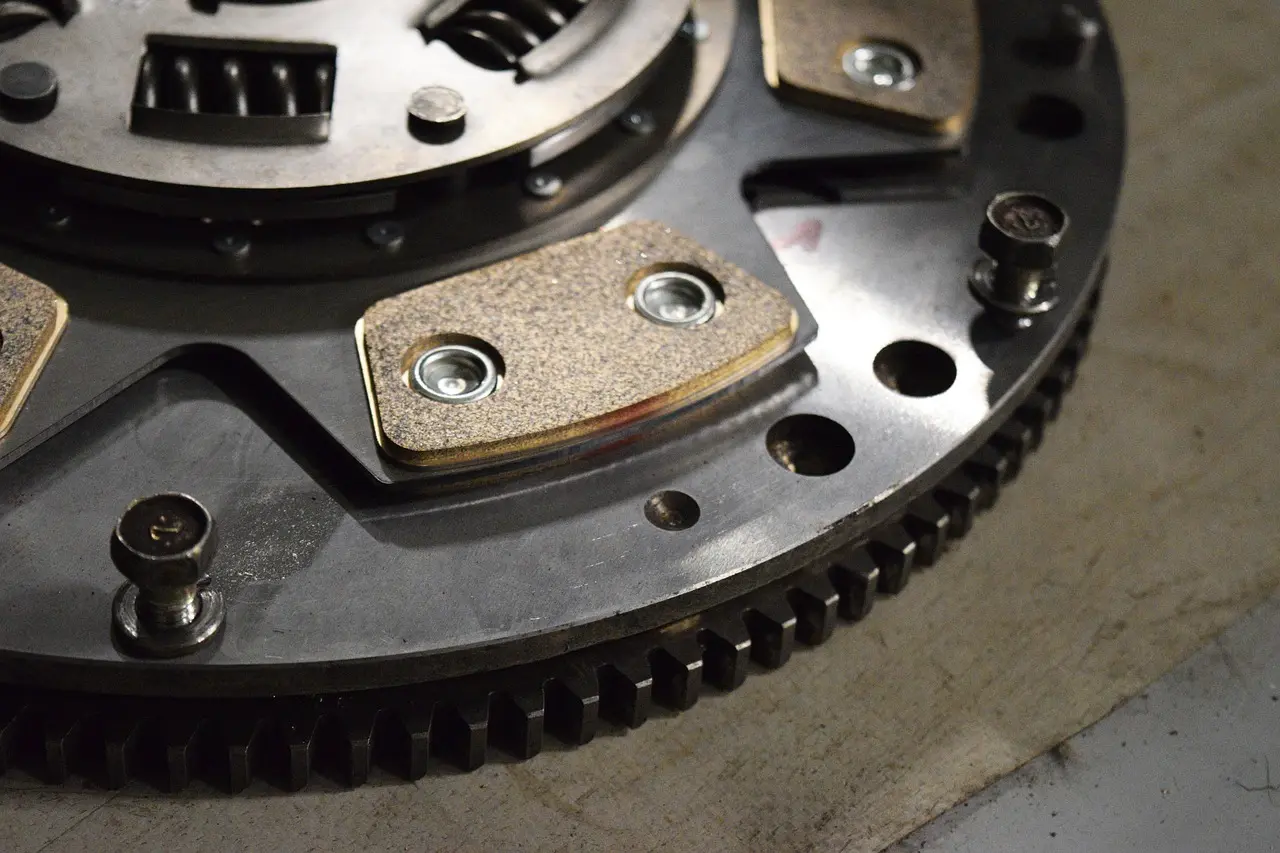
Yes. A worn release bearing, pilot bearing, pressure plate, flywheel, or clutch disc can send vibration back through the pedal as the clutch loads and unloads. These faults are more likely when the symptom appears at the bite point, comes with noise, or causes shudder on takeoff and hard shifting.
Release bearing and pilot bearing faults
A failing throwout bearing can cause vibration, rumble, or chirp during pedal movement because it spins under load as the pedal comes up. A worn pilot bearing can add drag between the engine and transmission shafts, which may show up as noise when the clutch is pressed or released. Either fault can change with engine speed.
Pressure plate and flywheel problems
Uneven pressure plate fingers, heat spots on the flywheel, or a warped flywheel can make clutch engagement feel uneven. The pedal may pulse at a specific point, while the car shudders during takeoff. If the shake gets worse as the clutch heats up in traffic, the friction surfaces deserve close attention.
Contamination from oil or grease
Oil on the clutch disc or grease contamination from a leaking rear main seal or transmission input seal can cause grabby engagement and shudder. That contamination usually shows itself as chatter on takeoff, a burnt smell, or uneven engagement rather than pedal-only vibration. Fluid stains inside the bellhousing or on inspection surfaces matter here.
Can mounts cause clutch pedal vibration?
Yes. Engine and transmission mounts can transfer movement into the pedal box when the drivetrain rocks during clutch release. Mount problems often show up under load, on hill starts, or in one gear more than another. They are common when the pedal vibrates along with the cabin or shifter, not by itself.
Engine mount movement
A cracked or collapsed engine mount can let the engine shift as torque changes. That movement can feed vibration into the firewall, pedal bracket, and steering column area. If the symptom gets worse when you blip the throttle with the car stationary, mount movement becomes more likely.
Transmission mount movement
A weak transmission mount can allow the gearbox to move as the clutch starts to bite. The driver may feel a thump, a shake, or a brief pedal pulse during engagement. A hydraulic mount may leak or collapse internally and still look acceptable from above, so visual inspection alone is not enough.
Why the symptom can change with load or gear
Mount-related vibration often changes with load because the engine twists more when torque rises. It may show up in first gear, reverse, or on steep starts, then fade in higher gears. That pattern helps separate mount movement from a pedal-box issue that appears even at idle with no load.
Say your clutch pedal trembles only in first gear when pulling away uphill, and the whole car shudders for two seconds before it grabs. That pattern points more toward clutch chatter, contamination, or a mount problem than a worn pedal hinge.
How do you narrow the cause without guessing?
Start by separating pedal-only vibration from shudder through the car. Then check the pedal box, hydraulic system, mounts, and clutch release behavior in that order. A flashlight, a helper, and a careful under-car look often sort the common causes before any parts are removed.
-
Observe the pedal path.
With the engine off, move the pedal slowly through its full travel. Feel for rough spots, side play, or a change in resistance at the same point every time. That pattern often points to pivot wear or a return spring issue.
-
Watch the engine bay.
Have a helper press and release the clutch while you observe the engine and transmission from above. Excess movement, a hop, or a clunk suggests a mount issue or a driveline load transfer problem.
-
Scan for engine faults.
If the vehicle has idle roughness, misfire, or load-related vibration, use a scan tool to check for codes and live misfire data. Engine misfire can be mistaken for clutch vibration because it adds shake exactly when the drivetrain loads up.
-
Inspect under the car.
Use a floor jack and stands on level ground, and follow the vehicle support points in the service information. Look for fluid around the slave cylinder, wetness near the bellhousing, cracked mount rubber, and damaged exhaust or heat shield contact that can mimic clutch noise.
A common first-timer mistake is assuming low fluid explains every symptom. It does not. A reservoir that is full can still hide a worn master cylinder, a bad slave cylinder, or a clutch assembly problem that only appears at the bite point.
For cable-operated clutches, inspect the cable routing, sheath condition, and adjustment. For hydraulic clutches, inspect fluid level, leaks, and pedal consistency. The checks are different because the actuation parts are different, even though the driver feels the symptom in the same place.
Frequently asked questions
Why does my clutch pedal vibrate when released?
That usually means something in the pedal box, hydraulic circuit, mount system, or clutch assembly is changing load as the pedal comes up. The most useful clue is where the vibration is felt. Pedal-only shake points first to the pedal hardware or hydraulics, while shudder through the car points more toward the clutch disc, flywheel, or mounts.
Is a vibrating clutch pedal dangerous to keep driving with?
It can be, depending on what else is happening. A brief, mild pulse with no slipping or shifting trouble is less urgent than a growing vibration, hard gear selection, or a sinking pedal. If the symptom is worsening, get it checked soon; if it will not disengage cleanly, towing is the safer move.
Can low clutch fluid make the pedal vibrate or shake?
Yes, but low fluid is usually a clue rather than the full answer. It can allow air into the system or signal a leak, which changes pedal feel and release quality. If the pedal is soft, inconsistent, or the reservoir keeps dropping, inspect the master cylinder, slave cylinder, and fittings next.
Can worn clutch components cause vibration on pedal release?
Yes. A worn release bearing, pilot bearing, pressure plate, flywheel, or contaminated clutch disc can feed vibration back through the pedal as the clutch loads and unloads. These faults often come with noise, shudder on takeoff, slipping, or a bite point that feels uneven from one stop to the next.
Can engine or transmission mounts cause clutch pedal vibration?
Yes. Bad mounts let the drivetrain move as torque changes, and that motion can reach the pedal box. The symptom often changes with gear, load, or engine speed, which is why mount issues are more likely when the pedal vibration comes with cabin shake, clunks, or visible engine movement.
What does clutch chatter feel like compared with pedal vibration?
Clutch chatter is a shudder or hop felt through the car during takeoff, often right as the clutch starts to grab. Pedal vibration is felt in your foot or the pedal arm itself. If the car shakes but the pedal does not, look at the clutch disc, flywheel, contamination, and mounts before the pedal box.
Products related to this article
Sponsored / affiliate links. As an Amazon Associate I earn from qualifying purchases. I may earn additional commission from eligible campaigns.