How Much Does a Brake Pedal Replacement Cost in 2026?
As drivers increasingly demand safer, more reliable vehicles in 2026, the importance of maintaining every component of the braking system has never been higher. One often-overlooked but critical part is the brake pedal, which serves as the direct interface between driver and vehicle. Whether you’ve experienced a pedal that feels loose, sticky, or completely unresponsive, a brake pedal replacement is a repair that can’t wait. But how much does this service actually cost in 2026—and what factors influence its price?
With rising labor rates, shifting auto part supply chains, and evolving vehicle technologies, the cost of brake pedal replacement has changed significantly in recent years. This comprehensive guide will break down the current price landscape, explain the variables that affect your bill, compare costs across vehicle types, and offer actionable advice for getting the best value. Whether you drive a compact sedan, a luxury SUV, or an electric vehicle, understanding these costs can help you make informed decisions, avoid overpaying, and ensure your safety on the road.
Key Takeaways
- Brake pedal replacement costs in 2026 range from $150 to $900+, depending on vehicle type and complexity.
- Labor rates, part prices, and vehicle technology (including electric/hybrid systems) are key factors influencing overall cost.
- Some repairs may require additional components or calibration, especially with advanced driver-assistance systems (ADAS).
- DIY brake pedal replacement is possible for certain vehicles, but professional installation is recommended for safety and warranty reasons.
- Comparing estimates from multiple repair shops can save you up to 40% on total costs.
- Regular maintenance and early detection of brake pedal issues can prevent costly repairs and ensure vehicle safety.
Understanding Brake Pedal Replacement
What Is A Brake Pedal Replacement?
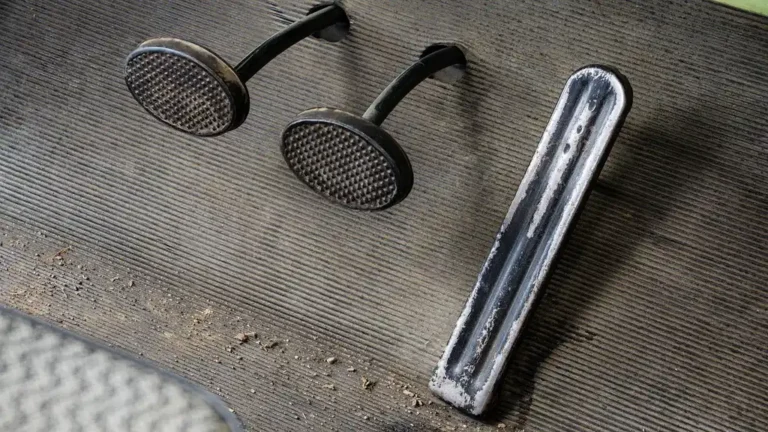
A brake pedal replacement involves removing the existing pedal assembly and installing a new one, either due to mechanical failure, excessive wear, or a safety recall. The brake pedal is not just a metal lever; it often includes sensors, bushings, springs, and electronic connections—especially in modern vehicles with electronic brake systems.
The replacement process can range from straightforward in older vehicles to highly complex in modern cars. In many recent models, the brake pedal assembly may also be integrated with the master cylinder, brake light switch, and even computer modules that monitor pedal position and force.
This integration is crucial for vehicles equipped with advanced safety features such as automatic emergency braking and adaptive cruise control. For these cars, improper installation or calibration can result in dangerous system malfunctions.
In addition, the brake pedal assembly’s design and placement can vary significantly between manufacturers and models. Some vehicles use a floor-mounted pedal, while others use a suspended pedal setup. The materials used—ranging from stamped steel to lightweight alloys or composite plastics—also influence durability, feel, and ultimately, the replacement procedure.
Why Brake Pedal Failure Occurs
Common reasons for brake pedal failure include:
- Mechanical wear: Over time, the pivot points, bushings, and return springs within the pedal mechanism can wear out, leading to a sloppy or imprecise pedal feel. This is especially common in vehicles subjected to heavy urban driving or frequent stop-and-go traffic.
- Sensor malfunction: Newer vehicles integrate various sensors (such as pedal position sensors and brake light switches) directly into the pedal assembly. A failure in these electronic components can cause erratic braking performance, delayed brake light activation, or even trigger warning lights on the dashboard.
- Physical damage: Accidents, dropping heavy objects inside the cabin, or improper repairs can result in a bent or broken pedal assembly. Even a minor misalignment can cause the pedal to stick or fail to return properly.
- Corrosion: Moisture from wet shoes, spilled drinks, or high humidity can lead to rust and corrosion of the pedal mechanism, particularly in the pivot points or mounting brackets. Over time, this weakens the structure and can eventually lead to failure.
In rare cases, manufacturing defects or material fatigue can also be factors, leading to recalls or technical service bulletins.
Signs You Need A Replacement
Recognizing brake pedal issues early is vital. Watch for:
- Spongy or loose pedal feel: This can indicate worn bushings or a failing pivot, causing the pedal to move excessively before engaging the brakes.
- Unusual noises when pressing the pedal: Squeaks, creaks, or grinding noises may point to a lack of lubrication, worn bushings, or metal-on-metal contact.
- Difficulty engaging brakes: If you have to press the pedal unusually hard or far to achieve normal braking force, the pedal assembly may be damaged or misaligned.
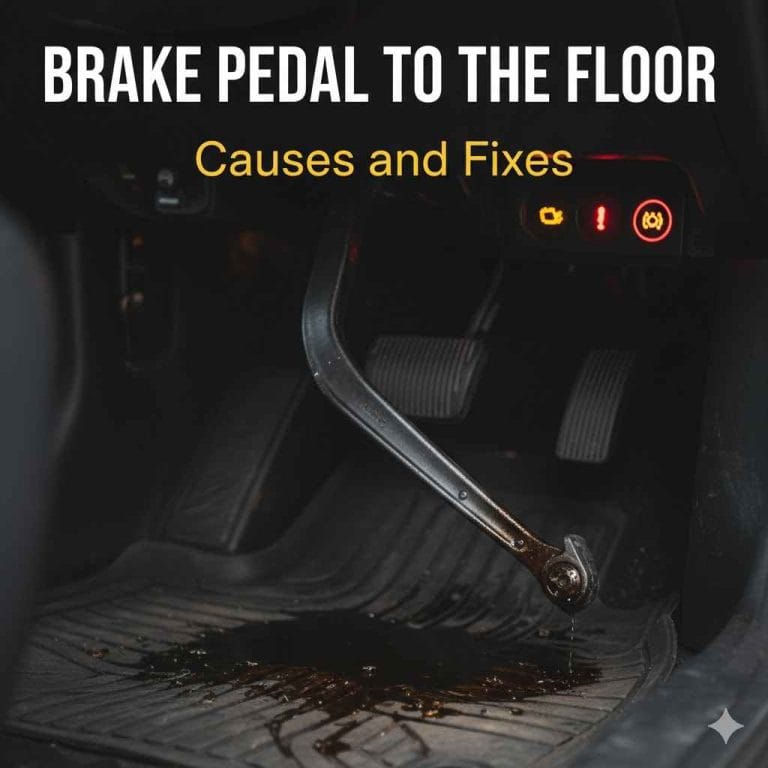
- Pedal sticking or failing to return: A pedal that does not spring back promptly or feels “sticky” can indicate corrosion, a broken spring, or an obstructed mechanism.
- Warning lights (brake system alerts): Modern vehicles will often illuminate a brake warning light or display a “brake pedal sensor error” if electronic components are malfunctioning.
Additionally, drivers may notice the brake lights do not activate or remain on after releasing the pedal, which can be a sign of a failed brake light switch integrated into the pedal assembly. If any of these symptoms appear, immediate inspection is recommended. For more on brake pedal mechanics, see Wikipedia: Brake Pedal.

Credit: www.go-parts.com
Factors Affecting Brake Pedal Replacement Cost In 2026
Vehicle Type And Model
Different vehicles mean different brake pedal assemblies:
- Compact cars: Tend to have simpler, less expensive pedal units, often constructed from basic stamped steel without extensive electronic integration.
- SUVs and trucks: Require heavier-duty components to withstand increased braking forces due to higher vehicle weights. These assemblies may also have larger or reinforced mounting brackets, increasing both material and labor costs.
- Luxury and performance vehicles: Feature advanced materials like aluminum alloys or carbon composites, and integrate electronics for enhanced safety and performance. These pedal assemblies may also be designed to accommodate adjustable pedal positions for improved driver ergonomics, adding complexity and cost.
- Electric and hybrid vehicles: May need specialized pedals with regenerative braking sensors. These sensors communicate with the vehicle’s control systems to balance traditional and regenerative braking, requiring precise calibration.
For example, a 2026 Honda Civic brake pedal replacement may cost $220, while a Tesla Model Y could exceed $700 due to electronic integration. Vehicle age also matters—parts for discontinued or rare models often cost more due to limited availability.
Labor Rates And Location
Labor rates have risen steadily in the US, averaging $100–$150 per hour in urban areas. In metro regions like New York or San Francisco, rates can reach $180–$200 per hour, reflecting higher overhead and technician expertise. Rural shops may charge less, but specialty shops in cities often command premium prices.
The complexity of the replacement (removing dashboards, calibrating sensors) also impacts labor time. For example, a straightforward mechanical pedal swap in an older car might take just an hour, while a newer vehicle with electronic integration could require up to three hours of labor, especially if the technician needs to remove interior trim or perform computer diagnostics.
Additionally, labor costs may increase if the repair shop needs to coordinate with the vehicle manufacturer for specialized parts or software updates.
Parts Availability And Brand
OEM (Original Equipment Manufacturer) parts are more expensive than aftermarket alternatives. In 2026, supply chain disruptions have made some brake pedal assemblies harder to source, particularly for European and electric vehicles. If a part is on backorder, repair shops might charge a premium for expedited shipping or use more expensive local inventory.
Aftermarket parts can save 20–40%, but may lack warranty coverage. Additionally, the quality and fitment of aftermarket parts can vary widely between brands. Some reputable aftermarket manufacturers even offer upgraded pedal assemblies with improved durability or ergonomics, but these may also come at a higher price point.
When comparing brands, it’s important to verify certifications and read reviews to avoid subpar components that could compromise safety.
Technology Integration
Modern pedals often include:
- Electronic sensors (brake-by-wire, adaptive cruise control): These sensors monitor pedal position, force, and travel, relaying data to the braking system’s computer.
- Integrated bushings and springs: Designed to provide a consistent pedal feel and return action, these components can wear out or become damaged, necessitating replacement of the entire assembly.
- Regenerative braking interfaces (EVs and hybrids): Pedals in electric vehicles are often equipped with sensors that precisely control the transition between regenerative and friction braking, requiring specialized parts and calibration.
Replacing these is more complex—and costly—than swapping a basic metal lever. Technicians may also need to reprogram or recalibrate the vehicle’s control modules after installation to ensure all systems function correctly.
Additional Repairs And Calibration
Brake pedal replacement may require:
- Brake light switch replacement: The switch, often located on or near the pedal, activates the brake lights. A faulty switch can be hazardous and may cause the lights to malfunction.
- Sensor recalibration: Essential for vehicles with electronic pedals or ADAS integration. Some manufacturers require a diagnostic scan and recalibration after any brake pedal work.
- Adjustment of pedal position for driver comfort: Some vehicles allow for pedal height and reach adjustments, which must be reset during replacement.
These add-ons can increase the final bill by $50–$250, particularly if advanced diagnostic equipment or special tools are needed.
Warranty Coverage
Some newer vehicles may have pedal replacement covered under warranty or recall. Always check with your manufacturer before authorizing repairs. Recalls for pedal assemblies are not uncommon, especially in cases involving faulty sensors or design defects that affect safety.
If your car is still within its basic or powertrain warranty, you may be entitled to a free replacement, particularly if the issue is determined to be a manufacturing defect. Keep thorough records of all repairs and communications with the dealership or manufacturer.

Credit: www.go-parts.com
Typical Brake Pedal Replacement Costs: 2026 Data
To provide a clear picture, here’s a data-driven comparison of brake pedal replacement costs across vehicle types in 2026:
| Vehicle Type | Part Cost | Labor Cost | Total Estimated Cost | Example Model |
|---|---|---|---|---|
| Compact Sedan | $60–$120 | $90–$180 | $150–$300 | Honda Civic |
| Mid-size SUV | $90–$200 | $120–$220 | $210–$420 | Ford Explorer |
| Luxury Vehicle | $200–$350 | $220–$350 | $420–$700 | BMW X5 |
| Electric Vehicle | $300–$500 | $250–$400 | $550–$900 | Tesla Model Y |
| Pickup Truck | $120–$220 | $150–$260 | $270–$480 | Chevrolet Silverado |
Real-world Examples
Example 1: 2026 Honda Civic
A driver in Dallas experienced a sticking brake pedal. After a diagnosis, the shop quoted $220 for parts and labor, completed within two hours. No sensor recalibration was needed. The mechanic attributed the issue to worn bushings and a slightly bent pedal arm from years of city driving.
The customer received a 12-month warranty on both parts and labor.
Example 2: 2026 Tesla Model Y
A San Francisco Tesla owner required replacement due to a malfunctioning sensor. The total bill reached $800, including pedal assembly, labor, and sensor calibration. The repair required specialized tools and software to recalibrate the brake-by-wire system, which took an additional hour compared to a mechanical pedal swap.
Example 3: 2026 Ford Explorer
A family SUV in Chicago needed a new pedal and brake light switch. The total cost was $370, split between $150 parts and $220 labor. The shop also performed a quick diagnostic check to ensure the vehicle’s ABS and traction control systems were unaffected by the pedal issue.
These examples illustrate how both vehicle type and specific repair needs influence the final price.

Credit: www.autowerkes.com
Comparing Oem Vs Aftermarket Brake Pedal Assemblies
Oem (original Equipment Manufacturer) Parts
OEM parts are made by the vehicle manufacturer or its authorized suppliers. They guarantee compatibility and quality, but are often pricier.
- Advantages:
- Guaranteed fit and function: OEM pedal assemblies are designed to match the original specifications of your vehicle, ensuring seamless operation with integrated electronics and safety systems.
- Often covered by warranty: Many automakers extend warranties to include OEM replacement parts installed by certified technicians.
- Higher resale value: Vehicles repaired with OEM parts may retain more value, as buyers and inspectors recognize the quality and proper fitment.
- Disadvantages:
- Higher cost ($250–$900): OEM assemblies can be several times more expensive than aftermarket equivalents, especially for luxury or imported vehicles.
- Limited availability for older models: For discontinued vehicles, OEM parts may be difficult to source, leading to long wait times or premium pricing.
Aftermarket Parts
Aftermarket parts are produced by third-party manufacturers. They can offer savings but may vary in quality.
- Advantages:
- Lower cost ($80–$350): Aftermarket pedal assemblies are usually less expensive, making them attractive for out-of-warranty vehicles or budget-conscious repairs.
- Wide availability: Many aftermarket manufacturers produce parts compatible with a broad range of models, reducing wait times for repairs.
- Customization options: Some aftermarket pedals feature enhanced ergonomics, materials, or colors, allowing for personalization beyond OEM offerings.
- Disadvantages:
- Quality varies by brand: While some aftermarket parts meet or exceed OEM standards, others may lack the durability, fit, or finish required for long-term safety.
- May void vehicle warranty: Installing non-OEM parts can affect remaining warranty coverage, particularly on newer vehicles.
- Potential for fitment issues: Slight differences in design or manufacturing tolerances may result in improper installation or a less precise pedal feel.
Cost Comparison Table
| Type | Average Part Price | Warranty Coverage | Availability | Quality Assurance |
|---|---|---|---|---|
| OEM | $200–$900 | Full | Moderate | High |
| Aftermarket | $80–$350 | Limited | High | Variable |
For detailed OEM vs aftermarket insights, visit Consumer Reports.
Labor Costs And Shop Selection
Typical Labor Rates In 2026
US labor rates in 2026 average between $100 and $150 per hour, with premium shops in major cities sometimes charging up to $200. The complexity of brake pedal replacement determines the labor time—typically 1 to 3 hours. If electronic systems require recalibration, some shops may charge an additional flat fee or hourly rate.
Shop Types
- Dealerships: Highest labor rates, but guaranteed OEM parts and certified technicians. Dealerships are best for newer vehicles or cars still under factory warranty, as they have access to the latest service bulletins and diagnostic equipment.
- Independent shops: Lower rates, more flexible on part sourcing. These shops can often install either OEM or high-quality aftermarket components, and may be more willing to negotiate on labor costs.
- Specialty brake shops: Focused expertise, mid-range pricing. These shops are particularly knowledgeable about braking systems and can often perform repairs more efficiently.
How To Choose A Repair Shop
- Ask for written estimates from multiple shops. Detailed, itemized quotes help you compare costs and avoid hidden fees.
- Check certifications (ASE, manufacturer training). Certified technicians are more likely to perform quality work, especially on complex systems.
- Read reviews on sites like RepairPal and Better Business Bureau. Consistently high ratings and positive customer feedback indicate trustworthy service.
- Confirm warranty on parts and labor. Reputable shops will stand behind their work, offering written warranties for added peace of mind.
- Avoid lowest-bid shops without proper credentials. Unqualified shops may use inferior parts or perform substandard repairs, risking your safety.
Many shops also offer shuttle or loaner car services for longer repairs. Consider these conveniences when making your choice.
Case Study: Saving Money By Comparing Shops
A 2026 Toyota Camry owner in Los Angeles received three quotes:
- Dealership: $450
- Independent shop: $320
- Brake specialist: $290
By choosing the brake specialist, the owner saved $160 and received a 12-month warranty. The repair included a new pedal assembly, installation, and a post-repair safety inspection, illustrating the value of shopping around.
Diy Vs Professional Brake Pedal Replacement
Diy Brake Pedal Replacement
Experienced DIYers can replace brake pedals in select vehicles, especially older models with mechanical assemblies. Tools required include:
- Socket set and wrenches: To remove bolts securing the pedal assembly.
- Screwdrivers: For interior trim or electrical connectors.
- Torque wrench: To ensure bolts are tightened to manufacturer specifications.
- Safety gloves: To protect your hands during removal and installation.
Steps:
- Disconnect battery (for vehicles with electronic sensors). This prevents accidental airbag deployment and protects sensitive electronics.
- Remove dashboard panels as needed. Accessing the pedal assembly may require taking off lower dash panels or trim pieces.
- Unbolt pedal assembly. Carefully disconnect all mechanical and electrical connections, noting their positions for reassembly.
- Install new pedal, reconnect components. Align the new assembly properly and tighten all fasteners to specified torque.
- Test for proper operation. Ensure the pedal moves smoothly, returns fully, and that brake lights function correctly.
Risks:
- Incorrect installation can compromise safety. A misaligned pedal may stick, fail to engage, or interfere with other controls.
- Sensor calibration requires specialized tools. Modern vehicles may require a diagnostic scan tool to reset system parameters after installation.
- May void warranty. DIY repairs on vehicles under warranty can lead to coverage denial if issues arise later.
DIY replacement is generally not recommended for vehicles with electronic brake systems, ADAS, or integrated sensors, as improper repairs can affect critical safety functions.
Professional Installation
For most modern vehicles, professional installation is strongly recommended. Mechanics can:
- Properly calibrate sensors and pedal position. This ensures that electronic systems function as designed.
- Ensure compliance with safety standards. Certified technicians follow manufacturer procedures, reducing the risk of errors.
- Provide warranty coverage. Most professional repairs include written guarantees on both parts and labor.
Professional shops also have access to factory service manuals and diagnostic tools, enabling them to efficiently address any issues that arise during or after installation.
Cost Comparison Table
| Method | Estimated Cost | Time Required | Risk Level | Warranty |
|---|---|---|---|---|
| DIY | $60–$350 | 2–4 hours | High | None |
| Professional | $150–$900 | 1–3 hours | Low | Full |
For additional guidance, see AutoZone Brake Pedal Replacement Guide.
Advanced Brake Pedal Systems And Their Impact On Cost
Electronic Brake Pedals
Many 2026 vehicles use brake-by-wire systems, where pedal input is transmitted electronically. These systems require:
- Integrated sensors: To measure pedal position and force.
- Electronic control units (ECUs): To interpret signals and modulate braking force.
- Calibration tools: Specialized diagnostic equipment to program and verify system operation.
Replacement costs are significantly higher, often $500–$900, due to the price of the assembly and the need for post-installation calibration. Technicians must also verify that the system’s fail-safes and redundancies are functioning, as brake-by-wire systems lack the direct mechanical link found in older designs.
Regenerative Braking Pedals (evs/hybrids)
EVs and hybrids feature pedals with sensors for regenerative braking. These assemblies are complex and require precise calibration, increasing labor and parts costs. The integration of regenerative braking means the pedal must seamlessly communicate with both the electric motor and hydraulic braking systems, making installation and testing more involved.
In some models, the brake pedal assembly also provides feedback to the driver, simulating traditional pedal feel despite the underlying electronic controls.
Adaptive Driver Assistance Systems (adas)
ADAS-equipped vehicles may have pedals with feedback mechanisms, haptic alerts, or other advanced features. Replacement may require system recalibration, adding $150–$300 to the bill. For example, systems such as automatic emergency braking, collision avoidance, or adaptive cruise control rely on accurate pedal position data.
Post-repair calibration is essential to ensure these features function as intended.
Case Study: 2026 Bmw X5 With Adas
A BMW X5 owner faced a $700 brake pedal replacement, including $350 for part, $300 for labor, and $50 for ADAS recalibration. The dealership used factory diagnostic equipment to ensure all safety systems were operational post-repair. The owner received a two-year warranty on the work, reflecting the complexity and importance of these advanced systems. For further reading on advanced brake systems, visit SAE International.
How To Reduce Brake Pedal Replacement Costs
Regular Maintenance And Early Detection
- Inspect the pedal assembly during routine brake checks. Look for signs of wear, rust, or unusual movement.
- Lubricate pivot points to prevent wear. Proper lubrication reduces friction and extends the life of bushings and springs.
- Replace bushings before they fail. Worn bushings can lead to excessive pedal play and damage other components.
By proactively addressing minor issues, you can often avoid more expensive repairs down the road.
Shop Around For Quotes
- Request detailed estimates from multiple shops. Compare labor rates, part prices, and additional fees.
- Compare part prices and labor rates. Some shops may allow you to supply your own parts, reducing markup costs.
- Negotiate when possible, especially for labor. Many independent shops are willing to match competitors’ quotes or offer discounts for bundled services.
Consider Aftermarket Parts
- Choose reputable brands with positive reviews. Look for manufacturer certifications or endorsements from automotive associations.
- Ask about warranty coverage. Some aftermarket parts offer limited warranties, providing added protection.
- Ensure compatibility with your vehicle. Double-check fitment guides and part numbers before purchasing.
Leverage Warranty And Recall Programs
- Check your vehicle’s warranty status. If the pedal failure is due to a defect or premature wear, you may qualify for a free replacement.
- Look up recalls at NHTSA. Safety recalls are typically performed at no cost to the owner.
- Manufacturers may cover replacement costs for known issues. Stay informed by registering your vehicle with the manufacturer for recall notifications.
Diy For Older Vehicles
If you have a mechanical brake pedal, DIY replacement can save hundreds. Only attempt if you have proper tools and experience. Always test the vehicle thoroughly before returning it to regular use.
Preventative Tips
- Avoid excessive force on the pedal. Slamming the pedal or resting your foot on it can accelerate wear.
- Keep interior dry to prevent rust. Use floor mats and promptly clean up spills.
- Address brake system alerts immediately. Early intervention can prevent cascading failures throughout the system.
By following these strategies, drivers can keep repair costs manageable and extend the life of their vehicle’s braking system.
Frequently Asked Questions
What Is The Average Cost To Replace A Brake Pedal In 2026?
Most drivers pay $150–$900 in 2026, depending on vehicle type, labor rates, and part complexity. Compact sedans are at the lower end; luxury and electric vehicles are at the higher end. Additional repairs or calibrations can push costs above $1,000 in rare cases.
How Long Does Brake Pedal Replacement Take?
Professional shops typically require 1–3 hours for brake pedal replacement. DIY may take longer, especially if dashboard removal is needed. Additional time may be necessary for vehicles requiring electronic calibration or system resets.
Can I Drive With A Faulty Brake Pedal?
Driving with a compromised brake pedal is extremely dangerous and not recommended. Immediate inspection and repair are necessary for safety. Even minor pedal issues can escalate quickly, leading to total brake failure.
Is Brake Pedal Replacement Covered By Warranty?
If your vehicle is under manufacturer warranty or affected by a recall, brake pedal replacement may be covered. Always check with your dealer or manufacturer. Warranty terms can vary, so review your coverage details carefully.
Are Aftermarket Brake Pedal Assemblies Safe?
High-quality aftermarket assemblies from reputable brands are generally safe, but inferior parts can pose risks. Ensure compatibility and check reviews before purchasing. Ask your mechanic or consult online forums for recommendations.
As vehicle technology advances and labor rates climb, understanding the true cost of brake pedal replacement in 2026 is crucial for every driver. By staying informed, comparing quotes, and prioritizing regular maintenance, you can minimize expenses and keep your vehicle safe.
Whether you choose OEM or aftermarket parts, DIY or professional installation, the key is to act promptly when issues arise and make decisions based on quality and value. Safe driving starts with a reliable brake pedal—make sure yours is up to the task.
Products related to this article
Sponsored / affiliate links. As an Amazon Associate I earn from qualifying purchases. I may earn additional commission from eligible campaigns.