Why Does My Clutch Pedal Engage So High?
A clutch that engages near the top can be normal, but if the bite point suddenly moves higher, the pedal feels soft, or reverse gets hard to select, suspect wear or a hydraulic fault. Ignoring a changing engagement point can lead to slipping, difficult shifting, or a no-drive condition. This guide shows how to sort a normal high bite point from clutch wear, air in the hydraulics, cable stretch, and release-system problems, then decide what to check next.
What a high clutch engagement point means
A high engagement point means the clutch starts to transmit power late in pedal travel, close to the top of the stroke. That can be normal on some cars, but it can also mean the release system has less travel than it should, the disc is worn thin, or the hydraulics are losing pressure.
A normal high engagement point usually feels about the same from one drive to the next. If the pedal starts to bite high, then keeps moving higher over days or weeks, that change matters more than the absolute height.
Normal top-of-travel engagement versus abnormal engagement
Some vehicles are designed to engage high. The key point is consistency. A normal system usually has a predictable bite point, a stable pedal return, and no slip under load.
An abnormal high point often comes with one or more of these: a soft pedal, delayed return, fluid loss, difficulty selecting reverse, or slip during hard acceleration or hill starts. Those signs point away from “just a high pedal” and toward a fault.
How engagement height feels during a shift
At a healthy bite point, the clutch takes up smoothly as the pedal comes up. If the bite happens very close to full release, the driver may notice the car begins to move only after the pedal is almost all the way out.
That feel alone does not name the cause. You still need to check free play, fluid level, return speed, and slip under load.
Why some vehicles engage higher by design
Pedal geometry, slave cylinder travel, and pressure plate design all shape where the bite point sits. Some cars and light trucks are set up with a high release point from new, especially where the master and slave cylinder ratio or pedal stop leaves most usable travel near the upper part of the stroke.
Is a high clutch pedal always a problem?
No. A high clutch pedal is only a problem when it changes, feels wrong, or comes with slip, noise, stiffness, or hydraulic symptoms. A steady high bite point with correct free play and no slip can be normal for that vehicle.
What matters is the pattern. A car that always engaged high may be fine. A car that used to engage mid-stroke and now bites at the top may need closer inspection.
Signs the pedal position is still normal
Look for stable pedal height, normal free play if the system has an adjuster, clean fluid in the reservoir, no visible leaks, and no slipping in higher gears. Reverse should engage without crunching or grinding when the clutch is fully down.
Red flags that point to wear or failure
Warning signs include a bite point that rises over time, pedal sink, slow return, a soft or spongy feel, fluid on the firewall or transmission case, or a clutch that slips when accelerating in a high gear. Noise when pressing the pedal can point to release bearing wear.
When a change in pedal height matters
A sudden change is more important than a gradual one. If the pedal feel changes after a fluid loss, after clutch work, or after a leak appears, do not treat it as normal wear until the hydraulic system and release parts are checked.
Clutch pedal free play and pedal stop
Clutch pedal free play is the small amount of pedal movement at the top before the release mechanism begins to act. It matters because too little free play can hold the clutch slightly released, while too much free play can reduce release travel and make the bite point feel high.
If the car has an adjustable cable or pedal, the usual free-play range is often around 10 to 20 mm at the pedal pad, but the exact value belongs to the service data for that vehicle.
What free play is and why it matters
Free play confirms the release bearing is not loading the pressure plate all the time. Without enough free play, the clutch can ride partially released and wear quickly. With too much free play, the pedal may travel too far before the clutch starts to disengage.
Too much free play versus too little free play
Too much free play usually gives a delayed bite point, difficult gear engagement, and a pedal that feels ineffective near the top. Too little free play can cause slip, heat, and a smell of overheated friction material because the clutch never fully clamps.
How pedal stop adjustment can mimic a fault
The pedal stop limits how far the pedal can return. If it is set too high or has shifted, the clutch may not get full release travel and the bite point can feel wrong even when the disc and hydraulics are fine. A misset stop can also change the apparent free play.
Why does my clutch pedal engage so high?
A high bite point usually comes from one of three paths: the clutch disc is worn thin, the hydraulic system is not moving the release parts through full travel, or a cable system has stretched or gone out of adjustment. The symptom set around the pedal tells you which path is more likely.
Start with the pedal feel, then check fluid level and leaks, then decide whether the vehicle uses hydraulic or cable actuation. That order keeps you from guessing at the wrong part.
Hydraulic causes: fluid, air, seals, and leaks
In a hydraulic system, the master cylinder sends fluid through a line to the slave cylinder. Low fluid, air in the system, worn seals, or a leak can reduce travel or make the pedal soft. A leaking master cylinder can also let the pedal sink or return slowly.
Cable causes: stretch, binding, and adjuster wear
In a cable system, the cable links the pedal to the release arm. Stretch, fraying, or a worn adjuster can change the bite point and reduce release travel. Binding in the cable sheath can make the pedal feel heavy and slow to return. Cable systems are common on older compact cars, small pickups, and some economy vehicles.
Wear causes: disc, pressure plate, and release bearing
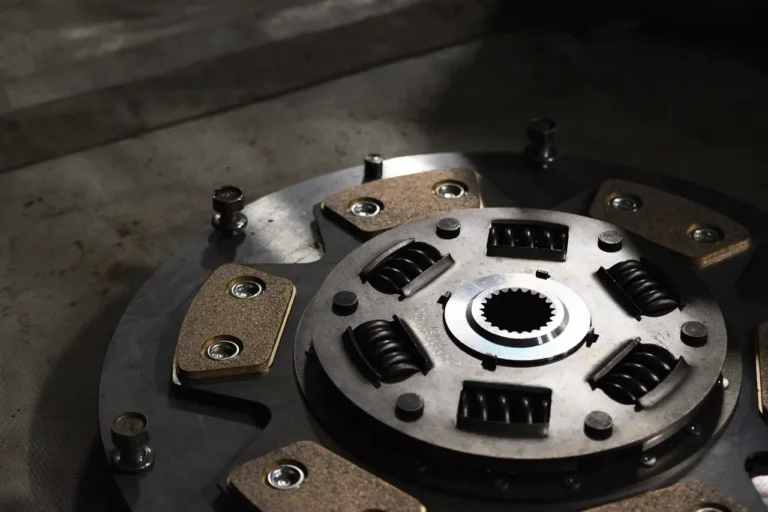
A thin clutch disc often raises the bite point because the release system must move farther before the friction material clamps properly. A tired pressure plate may lose clamping force or feel uneven after heat damage. A worn release bearing often adds noise when the pedal is pressed, though it can also change the way the pedal feels on the way up and down.
Say your sedan starts biting at the top after a year of city traffic, and it slips in fourth gear when you climb a hill. That points more toward clutch wear than a simple adjustment issue, because the high bite point comes with load-related slip.
Hydraulic clutch faults to check first
On a hydraulic clutch, check fluid level, leakage, and pedal return before assuming the disc is worn. A high bite point with a soft pedal or delayed return often points to the master cylinder, slave cylinder, air in the line, or contaminated fluid.
Master cylinder failure signs
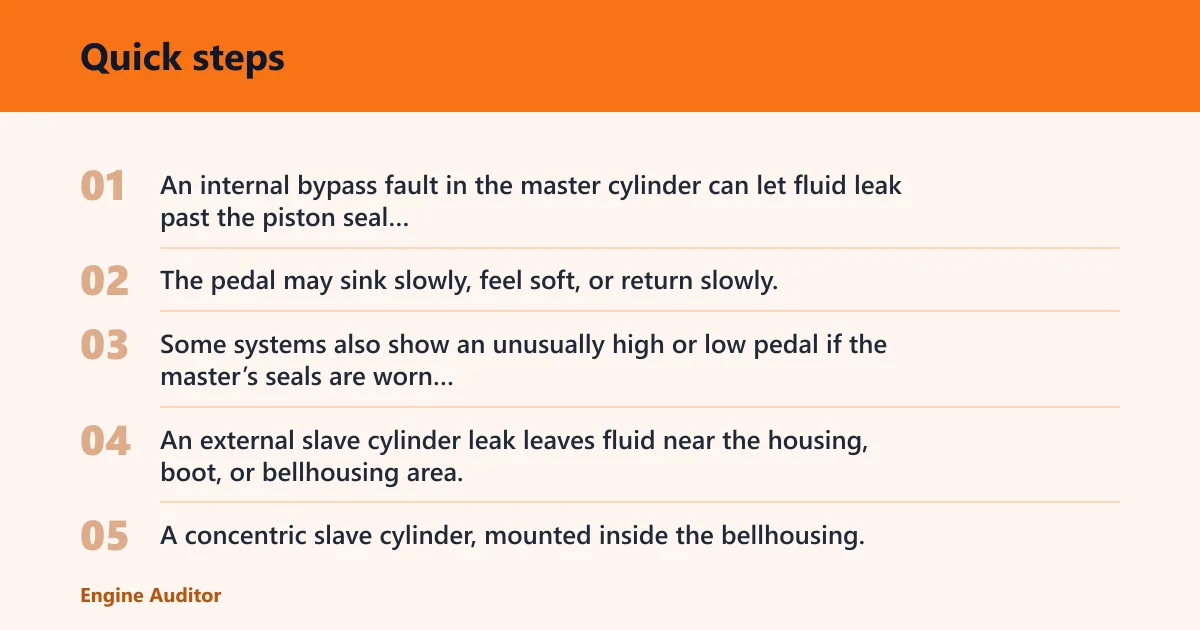
An internal bypass fault in the master cylinder can let fluid leak past the piston seal instead of moving the slave cylinder. The pedal may sink slowly, feel soft, or return slowly. Some systems also show an unusually high or low pedal if the master’s seals are worn enough to disturb stroke control.
Slave cylinder failure signs
An external slave cylinder leak leaves fluid near the housing, boot, or bellhousing area. A concentric slave cylinder, mounted inside the bellhousing, may leak into the transmission area and leave fewer external clues. If slave movement is reduced, the clutch may not disengage fully and the bite point can shift.
Fluid level, contamination, and air in the system
Most clutch systems use brake fluid specified by the manufacturer, often DOT 3, DOT 4, or a fluid listed in the owner’s manual. A low fluid level can point to a leak or seal loss, not just a worn disc. Dark fluid, moisture contamination, or debris can hurt seal life and pedal feel.
Bleeding when the pedal feel changes
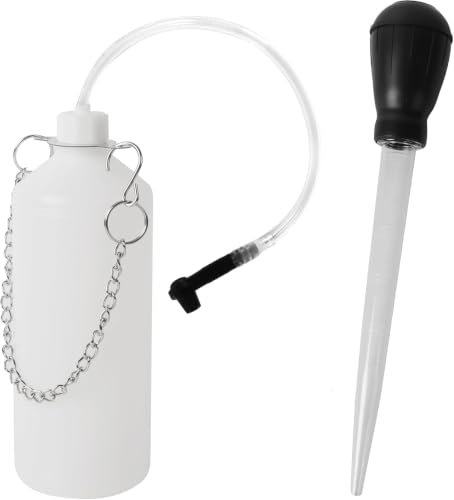
Bleeding removes trapped air that compresses under pedal pressure. Air often causes a soft pedal, a spongy feel, or inconsistent disengagement. Bleeding is needed after component replacement, line opening, or fluid loss. Typical tools include the correct fluid, a clear hose, a catch bottle, and the proper bleeder wrench.
Cable-operated clutch faults
Cable systems do not use a master and slave cylinder, so diagnosis changes. If the car uses a cable, check the adjuster, cable path, and pedal return before looking for clutch wear. A stretched or binding cable can raise the engagement point and make the pedal feel heavy.
How cable stretch changes engagement height
As a cable stretches, the pedal may need more travel before it starts to release the clutch. That can move the engagement point higher or make the clutch hard to disengage fully. An adjuster can correct some of this, but only within the manufacturer’s range.
Fraying, binding, and poor return
Frayed strands, corrosion, or a tight bend in the cable sheath can make the pedal return slowly or stick partway down. A cable that feels rough or inconsistent should be replaced, not tightened until the pedal feels normal.
Which vehicles still use cable actuation?
Cable clutches are more common on older vehicles, some compact cars, light trucks, and lower-complexity drivetrains. If the release system uses a visible cable from the pedal area to the transmission or release arm, the pedal checks and adjustment steps differ from a hydraulic setup.
Clutch wear and release parts
Wear in the friction pack can make the bite point climb. Release parts can add noise or change pedal feel at the same time, so the pedal symptom should be read alongside slip, sound, and shift quality.
Thin clutch disc material and slipping under load
A worn disc often has less friction material left, so the release point may rise as the clutch nears the end of its service life. A common clue is slip under load: rising engine speed without matching road speed, especially in a higher gear or during hard acceleration.
Pressure plate spring fatigue and heat damage
Spring fatigue lowers clamping force and can make the engagement feel vague or inconsistent. Heat damage from repeated slip can glaze the surfaces and worsen the problem. When that happens, a higher bite point may come with smell, chatter, or obvious slip.
Release bearing noise and pedal feel changes
A release bearing usually announces itself with noise when the pedal is pressed. A squeal, growl, or rumble on pedal press is a strong clue. Bearing wear does not always raise the bite point by itself, but it often appears with other release-system problems that change pedal feel.
Clutch pedal fault matrix
This matrix helps you match the symptom set to the likely fault. Use it as a decision aid, not a final diagnosis. If more than one row fits, check the hydraulic or cable system first, then inspect for slip under load.
| Engagement height | Free play | Fluid level | Leak evidence | Slip under load | Return speed | Most likely fault | Next action |
|---|---|---|---|---|---|---|---|
| High, stable, present from the start | Within spec | Normal | No leak | No slip | Normal | Normal vehicle setup | Confirm service data before changing parts |
| High and getting higher | Too much | Normal | No leak | Possible slip | Normal | Wear, cable stretch, or misadjustment | Check free play and adjust if the system allows it |
| High with soft pedal | Variable | Low | May be present | Possible slip | Slow | Hydraulic leak, air, or master/slave seal fault | Inspect for leaks and bleed after repairs |
| High with pedal that sticks down | Unknown | May drop | Often present | May slip later | Slow or stuck | Master cylinder or cable binding | Park if shift quality worsens; inspect immediately |
| High with slip in higher gears | Can be normal | Normal or low | May be absent | Yes | Normal | Worn disc or weak pressure plate | Plan clutch replacement |
| High with noise on pedal press | May be normal | Normal | No leak | Maybe | Normal | Release bearing wear | Inspect release parts and bellhousing area |
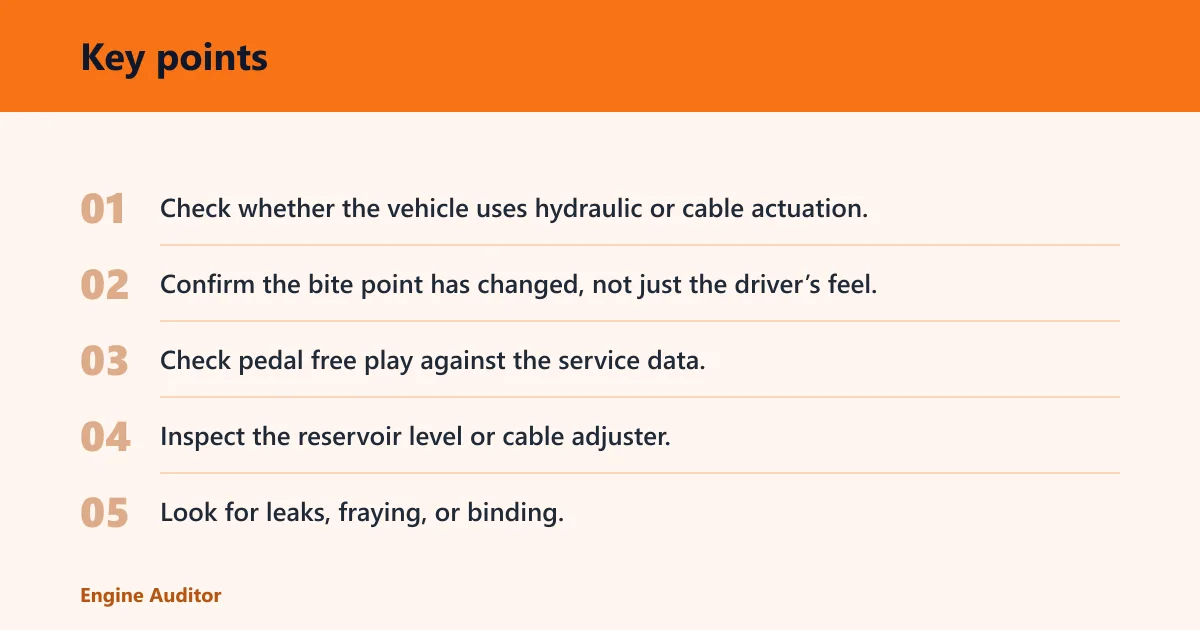
- Check whether the vehicle uses hydraulic or cable actuation.
- Confirm the bite point has changed, not just the driver’s feel.
- Check pedal free play against the service data.
- Inspect the reservoir level or cable adjuster.
- Look for leaks, fraying, or binding.
- Test for slip under load in a safe, legal setting.
- Do not keep driving if the pedal sticks, sinks, or the clutch starts slipping badly.
When should you stop driving and get the clutch inspected?
Stop driving if the pedal drops, sticks down, returns very slowly, or the clutch begins to slip badly under load. A sudden change after fluid loss, a visible leak, or a pedal that will not come back normally points to a fault that can leave the car stranded.
A high bite point alone does not always mean stop now. High engagement plus slip, soft feel, or poor return is the safer line to treat as urgent.
Pedal drops, sticks, or returns slowly
A pedal that sinks to the floor, stays down, or comes back sluggishly may point to master cylinder bypass, slave cylinder loss, cable binding, or a pedal stop problem. That is a stronger warning than height alone.
Slip gets worse under load
Slip under load means the clutch cannot hold torque. If engine speed rises faster than road speed in a higher gear, the friction pack is likely worn or heat damaged. Adjustment will not fix that condition.
Sudden changes after fluid loss or a leak
If the reservoir drops or fluid appears around the master, line, slave, or bellhousing, treat the symptom as a hydraulic fault until proven otherwise. Bleeding may restore feel only after the leak is fixed.
Frequently asked questions
Where should the clutch pedal engage?
There is no single normal height for every car. Many vehicles engage somewhere in the middle of the stroke, but some are designed to bite near the top. What matters is whether the point is stable, free play matches the spec, and the clutch does not slip or drag.
What causes a clutch pedal to stick down?
A pedal that sticks down often points to a master cylinder that is bypassing internally, a slave cylinder fault, air in the hydraulics, or a cable that is binding. If the pedal returns slowly and the clutch feels soft, inspect the hydraulic system first. A misset pedal stop can also contribute.
Why is my clutch pedal soft?
A soft pedal usually means the system is losing hydraulic pressure or contains air. Low fluid, a leak, worn seals in the master or slave cylinder, or recent work without proper bleeding are common causes. A soft pedal is not the same as a high bite point, but the two can appear together.
What causes a heavy clutch pedal?
A heavy pedal can come from a binding cable, a dry or damaged release mechanism, a stiff pressure plate, or a release bearing that is failing. If the pedal is both heavy and slow to return, the cable path or hydraulic components need closer inspection before you assume the clutch disc is worn.
Products related to this article
Sponsored / affiliate links. As an Amazon Associate I earn from qualifying purchases. I may earn additional commission from eligible campaigns.