Brake Pedal Goes to the Floor: 4 Causes and What to Do
A brake pedal that sinks to the floor means the hydraulic pressure in your braking system has failed — most often from a fluid leak, air in the brake lines, or a failing master cylinder. Do not drive the car.
This guide covers all four causes, how to identify which one you have in minutes, and what to do right now if your pedal just went to the floor.
Understanding Brake System Failure
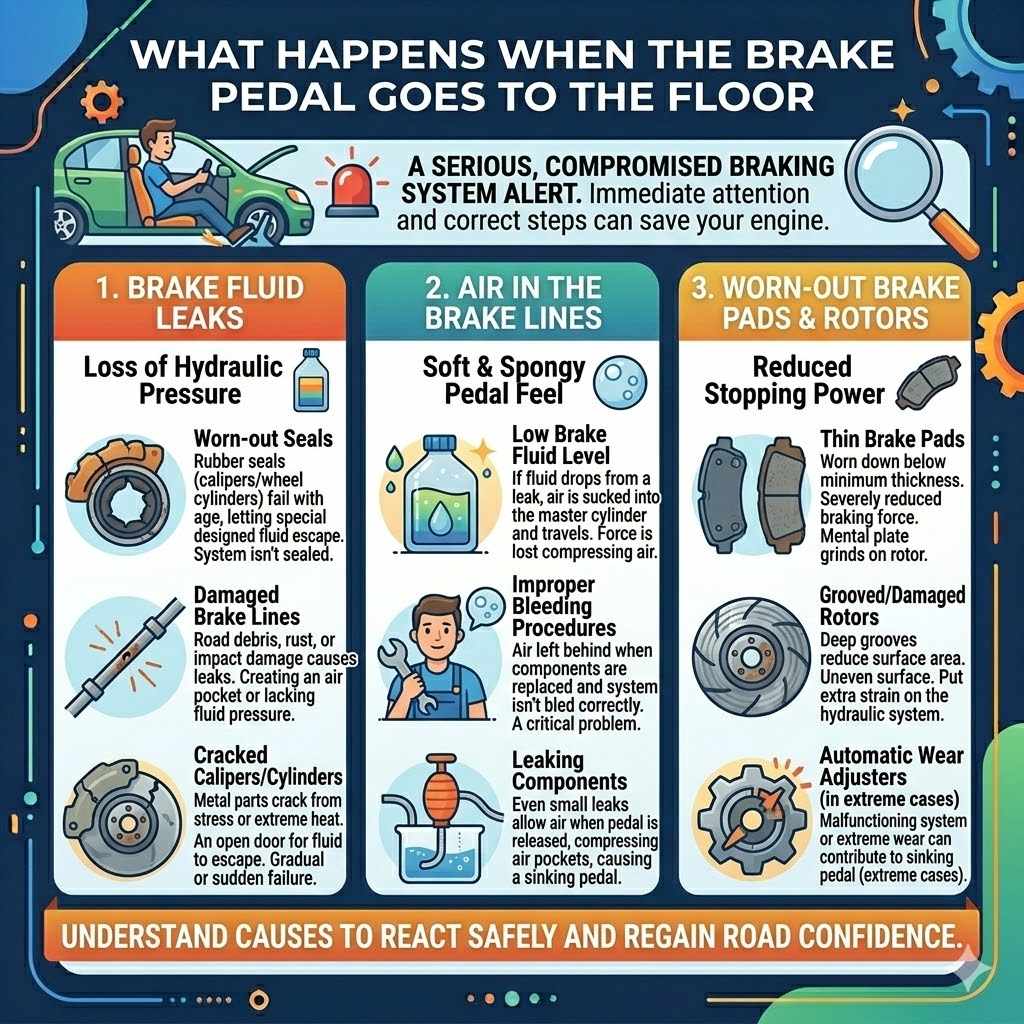
What Happens When the Brake Pedal Goes to the Floor
This section talks about why your brake pedal might feel like it’s sinking. It’s a serious issue that needs your attention. We will explore the main reasons this happens and why it’s a sign that something is wrong with your car’s braking system.
Prestone DOT 3 Brake Fluid (32 oz) — $8.47
The first diagnostic step when your brake pedal goes to the floor is checking the reservoir. This DOT 3 fluid is compatible with most domestic and import vehicles and meets FMVSS 116 standards.
- Best for: Topping off the reservoir while waiting for a mechanic when the pedal sinks unexpectedly
- Why picked: DOT 3 covers most brake systems; checking and topping the reservoir is the first step in every diagnosis covered in this guide
- Main drawback: Topping up is a temporary measure only — if the level dropped, there is a leak that must be repaired before the car is driven
Understanding these causes helps you know what to look for and how to react safely if it ever occurs.
Brake Fluid Leaks
Brake fluid is like the blood of your braking system. It pushes the brake pads against the rotors to stop your car. If there’s a leak, the fluid level drops, and there isn’t enough pressure to make the brakes work properly.
This is a very common reason why the brake pedal goes to the floor. The fluid can leak from many places, like the brake lines, wheel cylinders, or calipers.
Brake fluid is a special type of liquid designed to handle heat and pressure. It’s also important that it doesn’t absorb moisture from the air, which can lower its boiling point. When brake fluid leaks, it means the system isn’t sealed tightly anymore.
This creates an air pocket or simply a lack of fluid pressure.
Why Brake Fluid Leaks Happen
- Worn-out Seals: Over time, the rubber seals in parts like brake calipers or wheel cylinders can crack or become brittle. This allows the fluid to escape. Think of them like old rubber bands that lose their stretch and break.
- Damaged Brake Lines: The metal or rubber lines that carry brake fluid can get damaged. This can happen from rust, road debris hitting them, or even a fender bender. A small pinhole can cause a significant loss of fluid.
- Cracked Calipers or Wheel Cylinders: These metal parts can sometimes crack due to stress or age, especially if they get very hot repeatedly. A crack is an open door for the brake fluid to get out.
When these seals or lines fail, the fluid escapes the closed system. This directly impacts the hydraulic pressure needed to engage the brakes. It’s a gradual process sometimes, but it can also happen suddenly if a line bursts.
Air in the Brake Lines
Brakes work using hydraulic pressure. This means they use a liquid to transfer force. If air gets into the brake lines, it acts differently than liquid.
Air can be compressed, while brake fluid cannot. When you press the brake pedal, the air gets squeezed instead of the fluid pushing the brake pads.
This makes the pedal feel soft and spongy, and eventually, it will go all the way down without the brakes engaging fully. Air can enter the system if the brake fluid level gets too low, like from a leak, or when brake components are replaced and the system isn’t bled properly afterward.
How Air Enters the System
- Low Brake Fluid Level: If your brake fluid is low, air can get sucked into the master cylinder. This is the main component that creates pressure. Once air is in the master cylinder, it can travel throughout the lines.
- Improper Bleeding Procedures: When mechanics work on your brakes, they need to remove any air from the lines. This process is called bleeding the brakes. If it’s not done correctly, air can be left behind.
- Leaking Components: Even small leaks can allow air to enter the system when the pedal is released. Think of it like a straw with a tiny hole; when you suck, air can get in along with the liquid.
Air in the brake lines is a critical problem. It means the hydraulic system is compromised. The force you apply to the pedal is lost compressing the air pockets instead of activating the brakes.
This leads to a significant loss of stopping power.
Worn-Out Brake Pads and Rotors
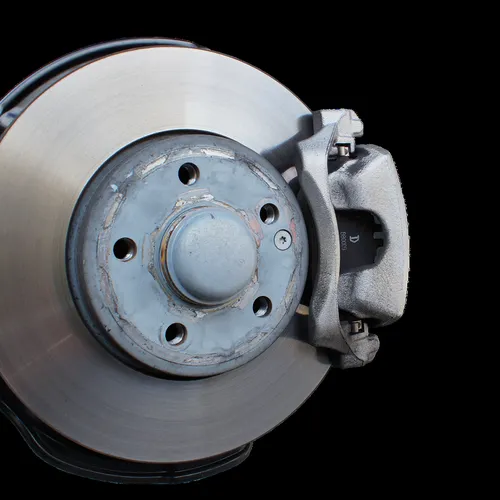
Your brake pads and rotors are the parts that actually create friction to slow your car down. Brake pads are like tough pads that press against metal discs called rotors. When these parts wear down too much, they can’t grip effectively anymore.
While this usually causes squealing or grinding noises first, in extreme cases, it can contribute to a sinking pedal.
If the brake pads are worn completely away, the metal backing plate of the pad will start grinding directly against the rotor. This not only damages the rotor but also reduces the surface area for braking. In some cars, there’s a system that automatically adjusts for minor pad wear.
If this system malfunctions, or if the wear is extreme, it can affect pedal feel.
Signs of Severely Worn Brakes
- Thin Brake Pads: Brake pads have a minimum thickness recommended by manufacturers. If they are worn down to almost nothing, the braking force is severely reduced. Visual inspection is key here.
- Grooved or Damaged Rotors: When pads are gone, the metal backing grinds into the rotor. This creates deep grooves and can make the rotor surface uneven, making it hard for new pads to work well.
- Reduced Stopping Power: The most obvious sign is that your car takes much longer to stop. The pedal might not go all the way to the floor, but it will feel weak and require more force.
While worn pads and rotors are a direct cause of poor braking, they typically don’t cause a pedal that sinks to the floor unless combined with other issues. However, severely worn components can put extra strain on the hydraulic system, making other potential problems more noticeable.
Diagnosing the Problem
What Happens When the Brake Pedal Goes to the Floor Causes
Figuring out why your brake pedal is sinking is the first step to fixing it. It’s like being a detective for your car. We’ll look at how you can tell what might be going on, even if you’re not a mechanic.
This helps you understand the issue better before taking your car in for repairs or if you plan to do some fixes yourself.
Signs and Symptoms to Watch For
When your brake pedal goes to the floor, it’s a loud warning. But there are often other clues that give you hints about the problem. Paying attention to these small details can help pinpoint the cause quickly.
- Spongy Pedal Feel: Before the pedal sinks all the way, it might feel soft or spongy when you press it. This often indicates air in the brake lines. It feels like you’re pushing through thick jelly instead of a firm liquid.
- Brake Warning Light: Most cars have a brake warning light on the dashboard. If this light comes on, it’s a clear sign that there’s an issue with your braking system, possibly low fluid or a fault detected by the car’s sensors.
- Squealing or Grinding Noises: As mentioned, worn brake pads can make loud noises. This is a separate issue from the pedal sinking, but it often happens alongside other brake problems. These sounds are the metal parts rubbing together.
- Leaking Fluid Under the Car: If you notice small puddles of fluid (often amber or clear, but can be discolored from dirt) under your car, especially near the wheels or the engine area, it’s a strong sign of a leak.
These symptoms are your car’s way of telling you it needs help. Each one points to a different potential problem, and when they happen together, they can paint a clearer picture of the issue. For example, a spongy pedal with a brake warning light strongly suggests air or a leak.
Inspecting Brake Fluid Level and Condition
The brake fluid reservoir is usually a small, translucent plastic tank located in the engine compartment, near the firewall. Checking the fluid level is one of the easiest diagnostic steps you can take. You’ll see markings on the side of the reservoir indicating the “min” and “max” levels.
The condition of the fluid is also important. Fresh brake fluid is typically clear or slightly amber. Over time, it can become dark, cloudy, or even contain small particles.
This indicates that the fluid is old and may have absorbed moisture, reducing its effectiveness and potentially causing corrosion within the brake system components.
How to Check Your Brake Fluid
- Locate the Reservoir: Find the brake fluid reservoir in your engine bay. It’s usually a small, transparent container.
- Observe the Level: Check the fluid level against the markings on the side. If it’s below the minimum line, you have a low fluid issue, likely caused by a leak or worn pads.
- Examine the Color: Note the color and clarity of the fluid. Dark or murky fluid suggests it needs to be replaced.
If the fluid is very low, do not just top it up and assume the problem is solved. This indicates an underlying issue, most likely a leak. Adding fluid will temporarily restore some braking ability but won’t fix the root cause.
The fluid itself can also degrade over time, absorbing moisture which lowers its boiling point and can lead to internal corrosion.
Checking for Visible Leaks
Visually inspecting your car’s brake system for leaks is crucial. You’ll need to look closely at the different parts of the brake system. This includes the brake lines, hoses, calipers, and wheel cylinders.
Sometimes, a leak can be small and hard to spot, so a good flashlight is helpful.
If you see wet spots or dampness on any of these components, it’s a clear indication of a leak. The brake fluid itself is usually clear or light amber, but it can pick up dirt and grime, making it look darker. You might also see drips on the ground where your car is parked.
Where to Look for Leaks
- Brake Lines: These are the metal or rubber tubes that run from the master cylinder to the wheels. Check them for rust, corrosion, or cracks.
- Brake Hoses: These are flexible rubber hoses that connect the metal brake lines to the brake calipers at the wheels. They can crack or split over time.
- Brake Calipers and Wheel Cylinders: These are the components at each wheel that push the brake pads. Look around their seals for any signs of fluid seepage.
Finding a leak means you’ve found the source of your problem. This component will need to be replaced. It’s important to address leaks promptly because they compromise the entire braking system and can lead to a complete loss of braking power.
What To Do When Your Brakes Fail
When the Brake Pedal Goes to the Floor Safety
If you ever find yourself in the frightening situation where your brake pedal sinks to the floor, your immediate reaction is critical. Staying calm and knowing what to do can make a big difference in keeping yourself and others safe. This section gives you practical steps to take in that moment of crisis.
Stay Calm and Assess the Situation
The most important thing to do is to remain as calm as possible. Panic can lead to poor decisions. Take a deep breath and try to focus on what you need to do.
Your car is still moving, so you have some control, but that control is reduced.
First, quickly assess your surroundings. Where are you? What is around you?
Are there other cars, pedestrians, or obstacles? Understanding your environment will help you plan your next moves. This quick assessment allows you to react strategically rather than impulsively.
Use Engine Braking
Engine braking is a technique that uses the engine’s resistance to slow down your vehicle. It’s like downshifting on a manual car to slow your speed. On an automatic transmission, you can shift to a lower gear.
This uses the engine to help slow the car down.
If you have an automatic transmission, you can shift into a lower gear, like “3,” “2,” or “L” (Low). This will make your engine work harder and slow the car. For manual transmissions, gently downshift through the gears.
Each lower gear will provide more resistance and slow your speed.
How to Use Engine Braking
- Automatic Transmission: Move the gear selector from “D” (Drive) to a lower gear like “3” or “2.” If your car has a manual mode or paddle shifters, use those to select lower gears.
- Manual Transmission: Gently release the accelerator and shift into a lower gear. Do this gradually to avoid over-revving the engine or causing a jolt.
- Gradual Application: Apply engine braking gradually. Rapid downshifting can cause your tires to lose traction, especially on wet or slippery surfaces.
Engine braking is a safe way to reduce speed without relying on your brakes. It’s a valuable skill to have, especially in situations where your primary braking system is compromised. It allows you to maintain some control over your vehicle’s momentum.
Apply the Parking Brake Gradually
Your parking brake, also known as the emergency brake, is a separate braking system. It usually works on the rear wheels. You should use it, but do so carefully.
Pulling it too hard or too quickly can lock up the rear wheels, causing you to skid.
If you have an electronic parking brake, it might have an “auto-brake” or “emergency braking” function. Consult your car’s manual to understand how to use it in an emergency. For a manual parking brake, pull up slowly and steadily.
This will help slow the car down without losing control.
Using the Parking Brake Safely
- Slow and Steady Pull: Pull the parking brake lever up slowly. You should feel resistance as it engages.
- Listen and Feel: Pay attention to the sounds and feel of the car. If the rear wheels start to lock up, ease off the brake slightly.
- Combine with Engine Braking: Use the parking brake in conjunction with engine braking for the best effect. This provides a more controlled deceleration.
The parking brake is designed to hold your car when parked, but it can also be used to slow down in an emergency. It’s a mechanical system, so it works even if your hydraulic brakes fail. However, it’s not as powerful as your main brakes and requires careful application to avoid skids.
Find a Safe Place to Stop
As you are slowing down using engine braking and the parking brake, look for a safe place to pull over. This could be a shoulder on the road, a clear side street, or an empty parking lot. Your goal is to get off the main road as quickly and safely as possible.
Once you have found a safe spot, steer your car there and bring it to a complete stop. Turn on your hazard lights to warn other drivers that you have a problem. Do not attempt to continue driving your car.
It is not safe to do so.
Brake System Maintenance and Prevention
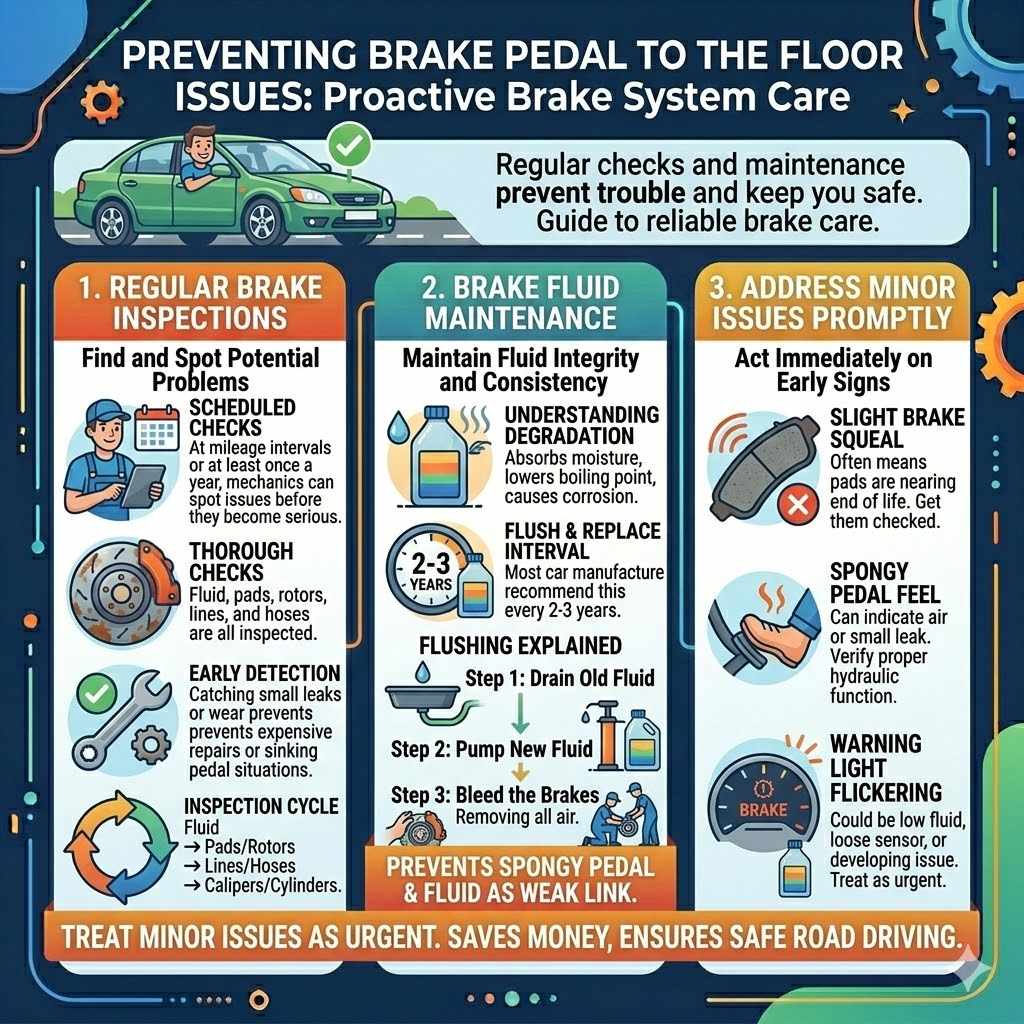
Preventing Brake Pedal to the Floor Issues
The best way to deal with brake problems is to prevent them from happening in the first place. Regular checks and maintenance can save you a lot of trouble and keep you safe. This section will guide you on how to take care of your brakes so they work reliably.
Regular Brake Inspections
Having your brakes inspected regularly is essential. Mechanics can spot potential problems before they become serious. They check the brake fluid, pads, rotors, lines, and hoses.
Most vehicle manufacturers recommend brake inspections at specific mileage intervals or at least once a year.
These inspections are not just about checking wear. They also look for any signs of leaks, corrosion, or damage to brake system components. Catching issues early can prevent them from leading to more expensive repairs or dangerous situations like a brake pedal sinking to the floor.
What Inspections Cover
- Brake Fluid Check: The mechanic will check the fluid level and condition. They may also test its boiling point and recommend a flush if it’s degraded.
- Pad and Rotor Wear: They measure the thickness of brake pads and rotors. If they are below the wear limit, they will recommend replacement.
- Line and Hose Condition: Inspectors check for any cracks, kinks, or leaks in the brake lines and hoses.
- Calipers and Wheel Cylinders: These are examined for leaks and proper function.
A thorough brake inspection gives you peace of mind. It ensures your braking system is in good working order. It’s a proactive step that can save you from unexpected brake failures.
Think of it as a health check-up for your car’s most important safety feature.
Brake Fluid Maintenance
Brake fluid needs to be maintained. Over time, it absorbs moisture from the air. This can lower its boiling point, making it less effective, especially in hot conditions or during heavy braking.
It can also lead to corrosion inside the brake system.
Most car manufacturers recommend flushing and replacing brake fluid every two to three years, or as specified in your owner’s manual. This process removes old fluid and
Brake Fluid Flush Explained
- Removing Old Fluid: The old brake fluid is drained from the system.
- Flushing the System: New fluid is pumped through the system to clear out any remaining old fluid and contaminants.
- Adding New Fluid: Fresh, high-quality brake fluid is added to the correct level.
- Bleeding the Brakes: The system is then bled to remove any air that may have entered during the process.
Proper brake fluid maintenance is crucial for ensuring consistent and reliable braking. It prevents the fluid from becoming a weak link in the system. This directly helps avoid issues like a spongy pedal or, in the worst case, a pedal that goes to the floor.
Addressing Minor Issues Promptly
Don’t ignore small warning signs related to your brakes. A slight squeal, a bit of a spongy feel, or a brake warning light that flashes on and off should be checked immediately. These are often early indicators of a problem that can be fixed easily and cheaply.
If you ignore these signs, they can quickly develop into bigger, more dangerous, and more expensive problems. A worn brake pad can damage a rotor. A small leak can turn into a major one.
Addressing these issues promptly ensures your brakes remain safe and effective.
Examples of Minor Issues to Address
- Slight Brake Squeal: This often means brake pads are nearing the end of their life. It’s a good time to get them checked before they wear down completely.
- Spongy Pedal Feel: Even a slightly soft pedal can indicate air or a small leak. Get it checked to ensure proper hydraulic function.
- Brake Warning Light Flickering: If the light comes on intermittently, it could be a low fluid level, a loose sensor, or a sign of a developing issue.
Treating minor brake issues as urgent can prevent major failures. It’s a matter of proactive care for your vehicle’s safety. It saves you money in the long run and, more importantly, keeps you safe on the road.
Frequently Asked Questions
Question: What should I do if my brake pedal goes to the floor while driving?
Answer: Stay calm, don’t panic. Shift to a lower gear to use engine braking. Gradually apply the parking brake.
Look for a safe place to pull over immediately and turn on your hazard lights.
Question: Is it safe to drive if my brake pedal feels soft?
Answer: No, a soft brake pedal indicates a problem. It means your braking system isn’t working at full capacity. You should get it checked by a mechanic as soon as possible before it worsens.
Question: How often should I check my brake fluid?
Answer: It’s good to check your brake fluid level monthly. However, a professional brake inspection is recommended at least once a year or according to your car’s maintenance schedule.
Question: Can I just add more brake fluid if the level is low?
Answer: Adding fluid might temporarily help, but a low fluid level usually means there’s a leak. You need to find and fix the leak first to ensure your brakes work safely. Simply topping it up won’t fix the underlying problem.
Question: What are the main causes of brake failure?
Answer: The most common causes include brake fluid leaks, air in the brake lines, worn brake pads and rotors, and problems with the master cylinder or brake lines themselves.
Summary
When your brake pedal sinks to the floor, it signals a critical issue. This usually happens due to brake fluid leaks or air trapped in the lines. If this occurs while driving, stay calm.
Use engine braking and the parking brake gradually to slow down. Find a safe spot to stop immediately and turn on your hazard lights. Regular brake inspections and fluid maintenance are key to preventing these scary moments and keeping your car safe. The opposite problem — a pedal that feels stiff and hard to press instead of sinking — points to a different cause. See what happens when your brake pedal is hard for that diagnosis.