When Are Car Tires Too Old to Drive On? Know the Signs
Every time you get behind the wheel, your car’s tires are your only connection to the road. Yet, millions of drivers unknowingly risk their safety by driving on tires that are simply too old. Age, not just tread depth, can turn even the best tires into hidden hazards, leading to blowouts, loss of control, and costly accidents.
Understanding when car tires are too old to drive on isn’t just about maintenance—it’s about protecting yourself, your passengers, and everyone else on the road.
Despite advances in tire technology, tires degrade over time due to exposure to sunlight, heat, and everyday driving stresses. Even if your tires look fine on the outside, unseen changes can compromise their integrity. This guide will help you recognize the signs of tire aging, decode manufacturer recommendations, and learn how to assess your tires’ safety.
Equipped with real-world examples, expert advice, and actionable checklists, you’ll be empowered to make informed decisions and maximize your vehicle’s safety.
Key Takeaways
- Car tires deteriorate with age—not just from tread wear, but from environmental exposure and chemical breakdown.
- Most manufacturers recommend replacing tires every 6-10 years regardless of tread condition.
- Visible signs like cracks, bulges, and dry rot indicate tires are no longer safe.
- Tires older than six years should be inspected annually by a professional.
- Proper storage and maintenance can extend tire lifespan, but age limits still apply.
- Driving on old tires increases the risk of blowouts, accidents, and liability.

Credit: www.reddit.com
Understanding Tire Aging
Tire aging is a complex process influenced by both external and internal factors. While tread depth is often the focus of tire checks, the chemical and structural integrity of the tire is equally crucial. Over time, rubber compounds break down, leading to reduced performance and increased safety risks.
Why Tire Age Matters
The rubber in tires is formulated to withstand heat, cold, and mechanical stress. However, exposure to UV rays, ozone, and fluctuating temperatures causes the rubber to harden and crack. Even unused tires age; a tire sitting in a garage is subject to the same deterioration as one on the road. This aging process compromises the tire’s ability to grip the road and absorb shocks.
The process of oxidation—the reaction of rubber compounds with oxygen in the air—occurs continuously, even when the tire is not in use. Over time, oxygen causes the rubber molecules to lose their flexibility, making the tire more prone to cracking and brittleness.
This is why tires that have been stored for years, such as spare tires or those on classic vehicles, can be just as dangerous as those that have logged thousands of miles.
Additionally, the adhesives and steel belts within the tire structure can degrade with time. As the internal bonds weaken, the risk of tread separation and catastrophic failure increases. This underscores the importance of considering age, not just appearance or tread depth, when evaluating tire safety.
Tire Manufacturer Recommendations
Most major tire manufacturers, including Michelin, Goodyear, and Bridgestone, recommend replacing tires every 6-10 years regardless of tread depth. According to the National Highway Traffic Safety Administration (NHTSA), tires older than six years should be regularly inspected for signs of aging (NHTSA). Some automakers, like Toyota and Ford, specifically advise replacing tires at the six-year mark.
Recommendations are based on extensive research, including accelerated aging tests, real-world fleet studies, and chemical analysis. These guidelines are not arbitrary—they reflect the point at which the risk of sudden failure increases sharply, even if the tire looks serviceable.
| Manufacturer | Recommended Maximum Age | Special Notes |
|---|---|---|
| Michelin | 10 years | Annual inspection after 5 years |
| Bridgestone | 10 years | Annual inspection after 5 years |
| Goodyear | 6 years | Replace regardless of tread |
| Toyota | 6 years | OEM guidance |
| NHTSA | 6 years | Regular professional inspection |
How Environment Accelerates Aging
- Sunlight (UV exposure): Ultraviolet light breaks down the chemical bonds in rubber, leading to surface cracks, fading, and hardening. Parking in direct sunlight or living in areas with high UV indexes can significantly reduce tire lifespan.
- Ozone: Airborne ozone, common near cities or industrial areas, reacts with rubber compounds, causing microcracks and loss of flexibility. Ozone damage can be especially severe in areas with frequent smog.
- Heat: Elevated temperatures accelerate the chemical aging of tires, especially when combined with heavy loads or under-inflation. In states like Arizona or Nevada, the road surface can reach temperatures above 150°F, compounding the effects of heat.
- Moisture: While rubber needs to retain some moisture to stay flexible, excessive dampness (such as storage in a damp basement) can encourage dry rot and fungal growth, further degrading the tire.
- Parking conditions: Tires stored outdoors, exposed to elements, or left stationary for long periods (such as on RVs or trailers) can develop flat spots and degrade more quickly than those in regular use.
Real-world Example: Florida Vs. Seattle
A tire in Florida (hot, humid, high UV exposure) may become unsafe in as little as five years, while the same model tire in Seattle (mild, less UV) could remain serviceable for up to ten years—if properly maintained. This difference highlights why local climate matters when assessing tire age.
For instance, a Florida-based delivery driver reported sidewall cracking and loss of traction after only five years, despite adhering to proper inflation and rotation schedules. In contrast, a Seattle commuter using the same tire brand and model noted no visible aging or performance decline at the eight-year mark, thanks to the region’s lower UV exposure and moderate temperatures.

Credit: oldoxtire.com
Signs Your Tires Are Too Old
Recognizing the signs of aging is essential for timely replacement. Tires can appear fine superficially but hide dangerous flaws beneath the surface.
Cracks And Dry Rot
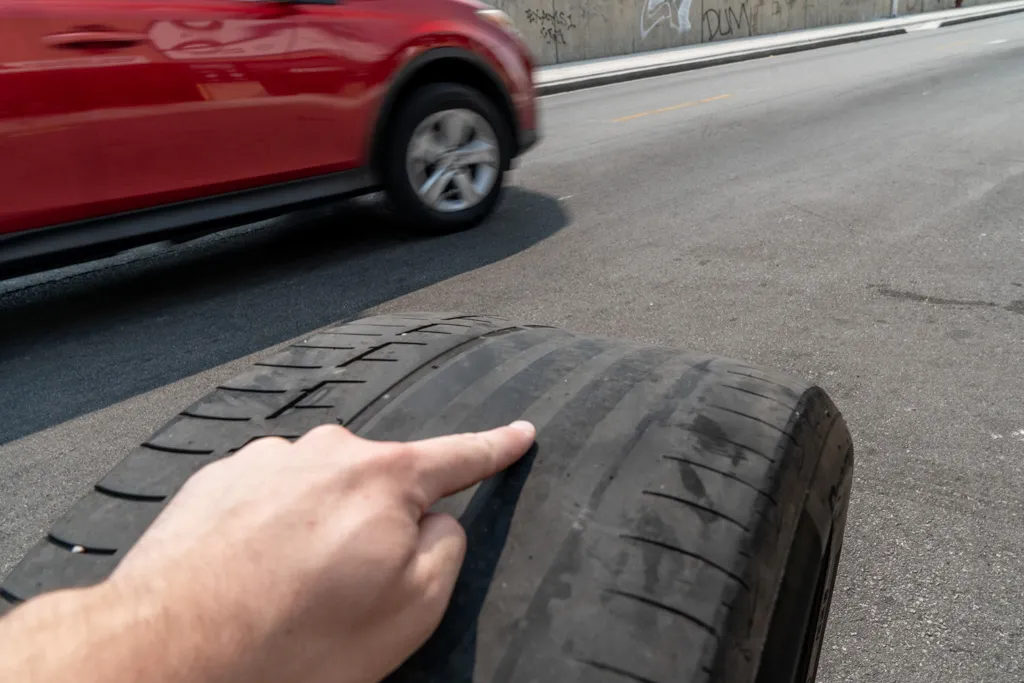
Cracks in the sidewall or tread are the most obvious sign of dry rot. Dry rot occurs when the rubber dries out, losing flexibility and strength. Deep cracks or widespread spiderwebbing indicate the tire is no longer safe.
Even small cracks should not be ignored, as they can quickly expand under the stress of driving. Dry rot can also cause the tread to harden, reducing grip and making the tires more susceptible to slipping on wet or icy roads.
If you notice a chalky appearance or small pieces of rubber flaking off, your tires are exhibiting advanced dry rot and should be replaced immediately.
Bulges, Blisters, And Deformities
A bulge or blister in the sidewall means the internal structure has failed, often from age or impact. This weak spot can rupture suddenly, causing a blowout.
Bulges are often caused by air or moisture infiltrating the inner layers of the tire due to microcracks, which are more common as tires age. Deformities may also develop after hitting potholes or curbs, but aged tires are less able to withstand these impacts.
Any bulge, regardless of size, is a sign of imminent tire failure.
Tread Separation
Older tires are prone to tread separation, where the tread detaches from the underlying casing. This is especially dangerous at highway speeds and often results in loss of control.
Tread separation is more likely in tires exposed to fluctuating temperatures or heavy loads. When the adhesives holding the tread to the casing degrade, the tread can peel off, particularly during high-speed driving or sudden maneuvers. Even if tread depth appears sufficient, this internal failure is a critical safety concern.
Loss Of Air Pressure
Aged tires may develop slow leaks due to deteriorating bead areas or microcracks. Frequent loss of air, despite no visible puncture, is a red flag.
Pay attention if you find yourself adding air to your tires more frequently, as this could indicate that the internal structure is no longer sealing properly. Leaks may originate from cracks around the valve stem or bead, and persistent under-inflation increases the risk of blowouts and poor handling.
Changes In Handling And Noise
If your car suddenly feels sluggish, vibrates, or pulls, and you hear new noises, it could be due to internal tire degradation. These symptoms often precede catastrophic failure.
Worn or aged tires may cause the steering wheel to vibrate, especially at certain speeds. You may also notice increased road noise or a “thumping” sound, indicating that the tire’s internal belts are separating. If your vehicle feels unstable or less responsive, have your tires inspected immediately.
Real-world Case Study: Tire Blowout Incident
In 2026, a family in Texas experienced a highway blowout in their 8-year-old tire, despite adequate tread. Investigation showed sidewall cracks and dry rot. The incident led to a multi-car accident, emphasizing the dangers of ignoring tire age (NHTSA).
The family had recently checked their tire pressure and tread but overlooked the importance of age. Insurance investigators determined that the blowout resulted from structural weakness caused by aging, not road debris or improper inflation. This tragic example underscores the need to consider both visible and invisible signs of tire health.
Checklist: Visual Signs Your Tires Are Too Old
- Cracks on sidewall or tread
- Bulges or blisters
- Exposed cords or fabric
- Tread separation
- Loss of air pressure
- Dry, brittle texture
- Discoloration (gray or chalky)
- Unusual noises or vibration during driving
Credit: www.utires.com
How To Determine Tire Age
Understanding how to read a tire’s age is crucial for making informed decisions. The DOT code on the tire sidewall reveals its manufacturing date.
Reading The Dot Code
Every tire sold in the US has a DOT (Department of Transportation) code stamped on the sidewall. The last four digits represent the week and year of manufacture.
- Example: DOT U2LL LMLR 2617
- 2617 = 26th week of 2017
Tires produced before the year 2000 use a three-digit code, but these are now well beyond any safe usage period and should be replaced immediately.
Locating The Dot Code
The DOT code is usually found on the outward-facing sidewall. If not visible, check the inward side by rotating the tire. Use a flashlight and clean the sidewall to ensure you read the code accurately.
On some vehicles, especially those with directional tires or deep wheel wells, you may need to jack up the car or remove the wheel to access the code. Many tire dealers will check the code for you during routine service.
Interpreting The Date
- Tires manufactured in 2017 are considered six years old in 2026.
- Any tire older than six years should be inspected annually.
For fleet managers or those responsible for multiple vehicles, maintaining a log of tire ages and inspection dates can help ensure timely replacements and reduce administrative errors.
Real-world Example: Used Car Purchase
A buyer in California purchased a used car in 2026. The tires appeared new, but the DOT code revealed they were manufactured in 2015. Despite low mileage, the tires were seven years old and needed replacement. This highlights why checking tire age is critical when buying used vehicles (Consumer Reports).
After replacing the tires, the buyer noticed improved handling and reduced road noise, confirming that even tires with excellent tread can be compromised by age.
Comparison Table: Tread Vs. Age
| Tire Condition | Tread Depth | Age (Years) | Safe to Use? |
|---|---|---|---|
| New tire | 10/32″ | 0 | Yes |
| Moderate tread | 6/32″ | 3 | Yes |
| Good tread, old tire | 7/32″ | 7 | No (replace) |
| Worn tread, new tire | 2/32″ | 1 | No (replace) |
| Cracked, aged tire | 5/32″ | 8 | No (replace) |
Risks Of Driving On Old Tires
Ignoring tire age is not just a maintenance issue—it’s a significant safety hazard. The risks multiply with every year beyond the recommended replacement interval.
Increased Risk Of Blowouts
Blowouts are sudden tire failures, often caused by weakened sidewalls or tread separation. According to the NHTSA, tire blowouts account for nearly 11,000 crashes and 200 fatalities annually in the US (Wikipedia).
Aged tires are more likely to fail without warning, especially during high-speed driving, long road trips, or in hot weather. Blowouts can cause loss of vehicle control, rollovers, and multi-car collisions.
Reduced Traction And Handling
Aged tires lose their grip on wet, snowy, or icy roads, increasing the risk of skidding and hydroplaning. Hard, cracked rubber cannot flex or channel water as effectively.
This reduction in performance is particularly evident during sudden maneuvers or emergency braking. Studies have shown that vehicles equipped with aged tires require longer stopping distances and are more prone to fishtailing or sliding.
Liability Issues
In the event of an accident, insurance companies may deny claims if tires are found to be past their recommended age. Legal liability increases for commercial vehicles and rideshare drivers.
Some states have begun to introduce legislation requiring regular tire inspections for commercial fleets and passenger vehicles. Companies and individuals who ignore age guidelines may face lawsuits or fines if aged tires are found to be a contributing factor in a crash.
Economic Costs
- Higher repair bills from accidents caused by tire failure
- Potential loss of insurance coverage
- Increased maintenance costs from damage to suspension and wheel components
- Downtime for vehicles, especially for businesses relying on fleet operations
Real-world Case Study: Commercial Fleet Replacement
A delivery company in New York replaced its fleet’s tires every 6 years, even if tread remained. They reported a 30% reduction in tire-related incidents compared to competitors who replaced only based on tread (Tire Rack).
The company also noted lower insurance premiums and improved driver retention, as employees felt safer behind the wheel. The up-front investment in timely tire replacement paid off in reduced accident costs and improved operational reliability.
Best Practices For Tire Inspection And Maintenance
Regular inspection and maintenance are your first line of defense against tire aging. Incorporate these best practices into your routine to maximize safety and lifespan.
Routine Visual Inspection
- Inspect tires monthly for cracks, bulges, and discoloration.
- Use a tread depth gauge to monitor wear.
- Check air pressure and look for slow leaks.
- Examine the area around the valve stem for signs of damage or cracking.
Set a reminder on your phone or calendar to conduct these checks regularly, and don’t forget to inspect the spare tire. Many breakdowns occur because drivers neglect to check the spare, which often sits unused for years.
Professional Inspection
- Have tires inspected by a certified technician annually after six years.
- Request a sidewall integrity check, not just tread depth.
- Ask your mechanic to check for internal belt separations or uneven wear patterns that could indicate structural problems.
A professional inspection may include removing the tire from the wheel for a thorough internal examination, especially if you notice any vibrations, noises, or visible defects.
Tire Rotation And Balancing
- Rotate tires every 6,000–8,000 miles to ensure even wear.
- Balance tires at each rotation to avoid excessive stress.
- Follow your vehicle manufacturer’s recommended rotation pattern, as some vehicles require specific front-to-back or side-to-side rotations.
Proper rotation and balancing not only extend tire life but also help spot issues like uneven wear, which can indicate alignment or suspension problems.
Proper Inflation
- Keep tires inflated to manufacturer specifications.
- Under- or over-inflation accelerates aging and increases blowout risk.
- Check tire pressure when tires are cold (before driving), and adjust for changes in temperature, as pressure drops in cold weather.
Consider investing in a high-quality digital tire gauge and a portable air compressor to make regular checks quick and convenient.
Storage Tips
- Store unused tires in cool, dry, dark environments.
- Avoid exposure to direct sunlight or ozone sources (e.g., electric motors).
- Place tires on racks to prevent flat spots.
- Cover tires with UV-resistant bags or tarps if stored outside, and never stack tires in a way that could deform their shape.
If storing tires for an extended period, inflate them to the recommended pressure and rotate their position periodically to prevent flat spots and uneven aging.
Checklist: Maintenance Actions
- Monthly visual check
- Annual professional inspection
- Regular rotation and balancing
- Proper inflation
- Correct storage
- Monitor for changes in handling or noise
- Log tire age and inspections
When Should You Replace Old Tires?
Replacing tires at the right time prevents accidents and maintains vehicle performance. Don’t wait for a visible failure; follow guidelines for proactive replacement.
Age-based Replacement
- Replace all tires every 6–10 years, regardless of tread.
- If one tire is older than the rest, consider replacing all four for balanced performance.
- Pay special attention to spare tires, trailer tires, and seasonal tires, which may age out before wearing out.
Mileage-based Replacement
- Typical tire lifespan is 40,000–60,000 miles.
- High-mileage tires may reach end-of-life before age limits.
- For vehicles with staggered tire sizes (different front and rear tires), replace in pairs to maintain balance.
Condition-based Replacement
- Replace tires with any cracks, bulges, or dry rot.
- Replace tires with tread depth below 2/32″.
- Replace tires showing signs of uneven wear, exposed cords, or persistent slow leaks.
Real-world Example: Family Suv Replacement
A family in Michigan replaced their tires after seven years, despite 50% tread remaining. Their mechanic cited sidewall cracks, and the new tires improved handling and peace of mind.
After replacement, the family reported smoother rides, quieter cabin noise, and increased confidence in wet and snowy conditions. This proactive approach to tire safety is a model for all drivers.
Comparison Table: Replacement Triggers
| Trigger | Action | Recommended by |
|---|---|---|
| Age > 6 years | Inspect annually, replace if defects found | NHTSA, Toyota |
| Tread < 2/32" | Replace immediately | DOT, Tire Rack |
| Visible cracks/bulges | Replace immediately | All manufacturers |
| Slow air leaks | Check for age; replace if >6 years | Consumer Reports |
| Unusual noise/handling | Inspect, replace if age-related | Professional mechanics |
Impact Of Climate And Driving Habits
Your local climate and driving style can significantly influence how quickly tires age and become unsafe.
Hot Climates
Tires in Arizona, Texas, or Florida experience faster aging due to heat and UV exposure. Expect to replace tires closer to the 6-year mark.
The constant exposure to high temperatures, even when the vehicle is parked, causes the rubber to degrade more rapidly. In addition, frequent stop-and-go driving in urban heat islands can raise tire temperatures, compounding wear and aging.
Cold And Mild Climates
Tires in New England or Pacific Northwest may last longer, but winter conditions can accelerate wear. Inspect tires for cracks from freeze-thaw cycles.
Winter tires, which are often only used for a few months each year, may last for many seasons in terms of tread, but their rubber can become hard and brittle with age. It’s important to check the DOT code at the start of each winter and replace tires that are past their age limit, even if they’ve seen little use.
Driving Habits
- Aggressive driving: Speeds up tread wear and structural stress.
- Frequent short trips: Prevents tires from warming up fully, accelerating dry rot.
- Heavy loads: Increase stress and risk of deformities.
- Highway driving: Sustained high speeds can stress older tires, revealing hidden weaknesses.
Real-world Example: City Vs. Rural Use
A city commuter in Chicago replaced tires after five years due to urban potholes and frequent braking. A rural driver in Montana saw tires last eight years, but replaced them after noticing sidewall cracks during annual inspection (Tire Rack).
The city driver’s tires wore out more quickly due to frequent stops, turns, and poor road conditions, while the rural driver’s tires aged out due to environmental exposure, not mileage.
Checklist: Climate And Habits
- Hot climates: Inspect tires every six months after year five.
- Cold climates: Check for cracks after winter.
- Aggressive driving: Replace tires sooner.
- Heavy loads: Monitor for bulges and pressure loss.
- Long-term storage: Store tires in climate-controlled spaces.
Buying Tires: Avoiding Age Pitfalls
When purchasing tires—new or used—it’s essential to confirm their manufacturing date and storage history.
New Tires
- Confirm the DOT code is within the past year.
- Avoid “new” tires that have sat in warehouses for more than three years.
- Buy from reputable dealers with proper storage practices.
- Ask for documentation or guarantees on tire age and storage.
Many tire manufacturers offer warranties that begin on the date of sale, but always check the manufacturing date to ensure you’re not getting old inventory.
Used Tires
- Always check DOT code before purchase.
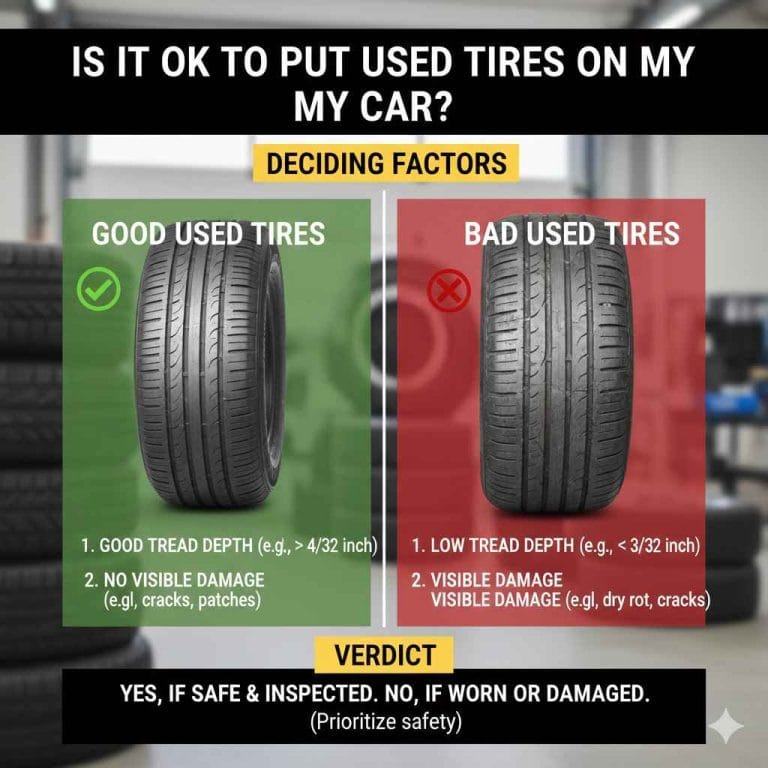
- Inspect for signs of dry rot, cracks, or bulges.
- Avoid used tires older than five years.
- Be wary of deals that seem too good to be true, as used tire sellers may try to pass off aged or poorly stored tires.
Online Purchases
- Request DOT code and storage information before buying.
- Use trusted sites like Tire Rack or manufacturer websites (Tire Rack).
- Read customer reviews and check for seller reputation.
Reputable online retailers will provide clear information about tire age and offer return policies if you receive older inventory.
Real-world Example: Used Tire Fraud
A driver in Georgia bought “nearly new” tires from a local shop. The DOT code revealed they were six years old, and visible cracks appeared within months. After returning the tires, the shop admitted poor storage practices.
This example illustrates the importance of doing your own checks and buying from established, transparent vendors.
Checklist: Buying Tires
- Check DOT code
- Inspect for defects
- Confirm reputable source
- Review storage history
- Avoid old inventory
- Understand warranty terms
Frequently Asked Questions
How Can I Tell If My Tires Are Too Old?
Check the DOT code on the sidewall for the manufacturing date. Inspect for cracks, bulges, dry rot, or tread separation. Tires older than six years should be inspected annually by a professional. Don’t forget to check the spare and seasonal tires.
Is It Safe To Drive On Tires With Good Tread But Old Age?
No. Even with adequate tread, aged tires can suffer internal degradation, dry rot, and reduced grip. Replace tires every 6–10 years regardless of tread depth (Consumer Reports). The risk of blowout or loss of control increases sharply with age.
What Happens If I Drive On Tires That Are Too Old?
Risks include blowouts, loss of control, and increased accident risk. Insurance claims may be denied if tires are past their recommended age (Wikipedia). You may also be held legally responsible in the event of an accident.
How Does Climate Affect Tire Aging?
Hot climates accelerate rubber degradation and UV damage. Cold climates can cause cracking from freeze-thaw cycles. Inspect tires more frequently in extreme environments (NHTSA). If you park outdoors or drive in harsh conditions, be extra vigilant.
Can Tire Maintenance Extend Lifespan Beyond Manufacturer Recommendations?
Proper maintenance—rotation, inflation, storage—can maximize safe lifespan, but age limits still apply. Replace tires every 6–10 years, even with perfect care (Michelin). No amount of maintenance can reverse the effects of aging rubber.
Driving on old tires is a gamble that never pays off. By understanding the signs of tire aging, reading DOT codes, and following manufacturer guidelines, you protect your safety and your investment. Regular inspections, proper maintenance, and timely replacement are the keys to keeping your car—and everyone in it—safe on the road.
Stay proactive, stay informed, and never underestimate the importance of tire age in your overall vehicle safety strategy.
Products related to this article
Sponsored / affiliate links. As an Amazon Associate I earn from qualifying purchases. I may earn additional commission from eligible campaigns.