Why Does My Car Make a Noise Only at Certain Speeds?
A car that makes noise only at certain speeds usually points to tires, wheel bearings, brakes, axle parts, or exhaust resonance. The key clue is whether the noise tracks road speed, steering input, braking, or rpm. Guessing wrong can waste money on parts that will not fix the fault and can let a bearing, brake, or axle problem worsen. This guide shows a fast decision tree to match sound, speed, and vibration to the likely culprit before you buy parts.
Speed noise diagnostic matrix


Use this table first. Match the speed band, then check when the noise appears, where the vibration is felt, and what changes the sound. The same speed can point to different parts depending on whether the car is cruising, coasting, braking, or pulling under throttle.
| Speed range | Noise type | When it happens | Vibration location | Likely subsystem | Next test | Ranked probability note |
|---|---|---|---|---|---|---|
| 25–40 mph | Thump or slap that repeats with wheel rotation | Cruise and coast | Floor or seat | Uneven tire wear, flat spot, separated tread | Inspect tread for cupping, bulges, and a broken pattern | Tires are most likely if the noise matches tire rotation and changes little with throttle. |
| 35–65 mph | Steady shake with little or no noise | Cruise | Steering wheel first, sometimes seat | Wheel balance | Check balance history and inspect for missing weights or impact damage | A highway speed-range shake is a classic balance complaint. |
| 45–70 mph | Buzz or rhythmic vibration | Cruise, often worse on one road crown | Steering wheel or floor | Bent wheel | Spin and measure runout on a lift | Fits a bent wheel when the symptom appears in a narrow band after a pothole or curb hit. |
| Any speed, louder on turns | Hum that becomes growl | Coast or light accel | Floor, then seat | Wheel bearing | Rock the wheel and listen for roughness during rotation | Wheel bearing rises if the noise changes with turning-load direction. |
| 30–60 mph | Click, chirp, or vibration under power | Acceleration | Floor, sometimes steering wheel | CV axle or axle shaft | Inspect boots for tears and grease leakage | More likely if the fault gets louder only when torque is applied. |
| Any speed, strongest during braking | Scrape, grind, or brake pulse | Brake | Pedal and steering wheel | Brake rotors and pads | Check pad thickness, rotor condition, and wear indicators | Brake-only symptoms usually outrank tires and bearings. |
| 55 mph and up | Metal buzz or rattle | Cruise or light accel | Underbody, sometimes cabin | Heat shield | Tap shields and inspect rusted bolts or broken retainers | Often a light, speed-linked rattle near the exhaust path. |
| 45–70 mph | Drone or roar | Acceleration or steady load | Floor or rear seat | Exhaust system | Look for soot marks, loose hangers, and rusty clamps | More likely if the sound changes with load but not with braking. |
| 30–60 mph | Clunk, squeak, or road harshness | Lane change, bump, or load transfer | Steering wheel or floor | Bushings, tie rods, struts | Check for play in joints and worn bushings | Suspension parts move higher when the noise follows road texture or side load. |
| 35–65 mph | Shake that changes after a tire rotation | Cruise | Front or rear, depending on location | Tire or wheel location clue | Swap front to rear only if the tire and wheel are in good shape | Front-end shake usually reaches the steering wheel; rear faults often feel through the seat. |
Why does my car make a noise only at certain speeds?
Speed-specific noise usually means a part is spinning fast enough to hit a defect, resonance, or imbalance window. A car may feel fine at 35 mph but start shaking at 55 or 65. That pattern points first to rotating parts, then to how load changes the sound.
Why speed matters
Road speed changes the rotation rate of tires, wheels, hubs, axles, and brakes. That is why a noise can appear at one band and disappear outside it. If the sound follows road speed rather than engine rpm, start with wheel-end parts before moving deeper.
Why load matters
Listen for what happens on cruise, coast, acceleration, and braking. If the vehicle shakes under acceleration, a CV axle or drivetrain problem becomes more likely. If it shakes while coasting, tires, wheels, or wheel bearings move higher on the list.
Picture a sedan that is quiet at 30 mph, then develops a steering-wheel shimmy at 60 mph on smooth pavement. That points away from engine parts and toward the rotating assembly at the corners. A different answer appears if the same car only buzzes while climbing a hill under throttle.
Why location of the vibration matters
Where you feel the vibration matters as much as the sound. Steering-wheel vibration usually points toward the front end, while seat or rear-floor vibration often points rearward. Pedal vibration during braking shifts attention toward the brakes instead of tires or bearings.
Why my car make noise when driving?
When the noise happens during driving, start by separating cruise from coast, acceleration, and braking. Each one changes the load path through the car. A steady hum, a brake-only grind, and a throttle-only whine rarely come from the same subsystem.
Cruise versus coast
During a steady cruise, look first at tire wear, balance, bent wheels, and bearings. During coast, a tire or wheel issue often stays present, while some driveline noises fade. That is why the same speed can produce two different answers depending on throttle position.
Acceleration clues
If the noise gets louder when you press the accelerator, think torque transfer. CV axle problems can click or shake under power, and drivetrain issues can follow the same pattern. A rear-wheel-drive car uses a differential to spin the back tires, so rear-end load noise should not be treated like a front tire problem by default.
Brake-related clues
Brake noise that appears only with the pedal down usually points to rotors, pads, or related hardware. Rotor variation can make the steering wheel pulse. Brake pad wear indicators can also scrape the rotor and sound like a steady grind.
Suppose a compact car hums at 58 mph on level roads, but the hum fades when the driver lifts off the throttle and returns under acceleration. That pattern keeps tires and wheel bearings in the frame, but it also raises suspicion on load-sensitive parts more than a pure balance problem.
Tires and wheel problems
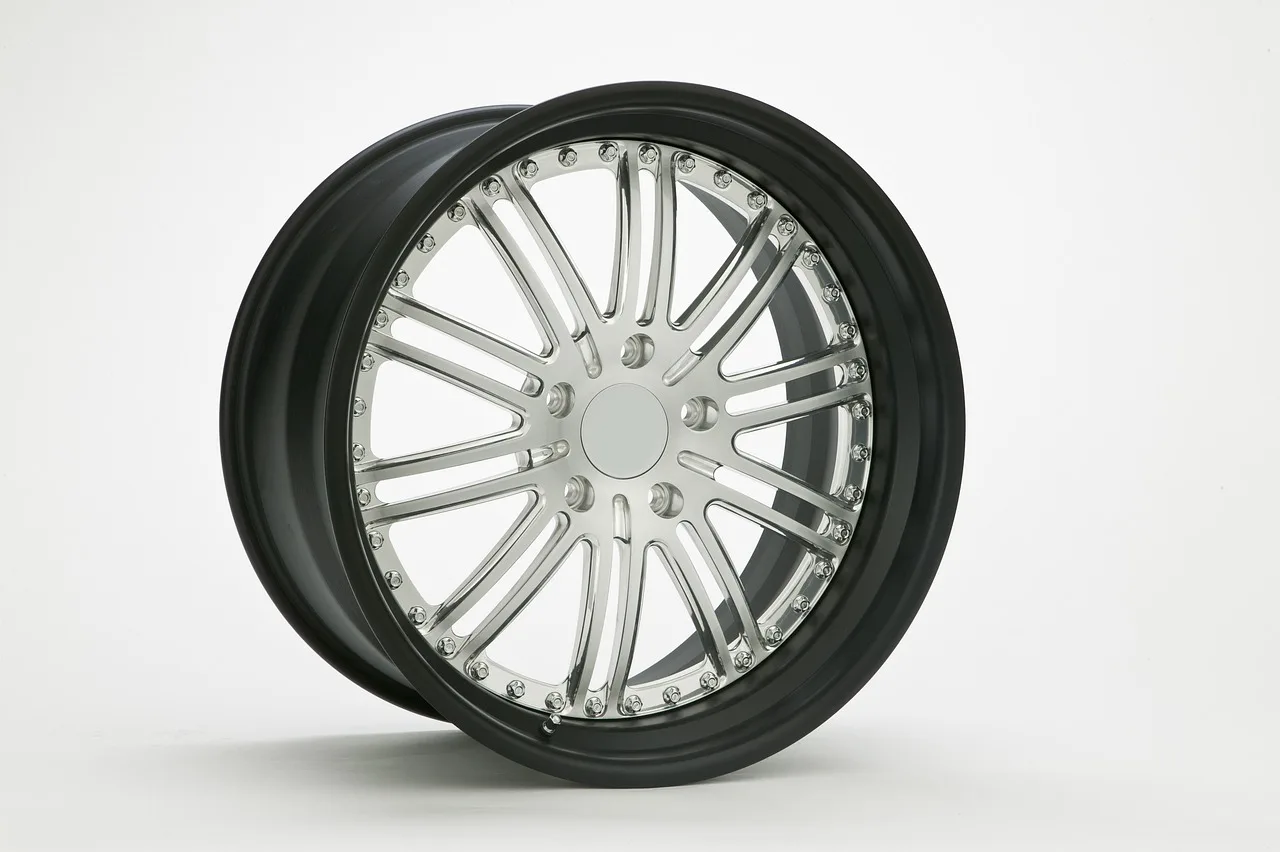
Tires are the most common cause of speed-related shaking. They can make noise by themselves, and they can also expose wheel problems. Start here if the sound begins in a narrow road-speed window and the car feels mostly normal at lower speeds.
Uneven tread wear and flat spots
Uneven tread wear can make a rhythmic roar or thump that changes with road speed. Flat spots often feel worst after the car sits, then ease as the tire warms. Out-of-balance tires can keep wearing unevenly, so the symptom may grow worse over time instead of staying fixed.
Internal belt damage or tread separation
Broken internal belts and separated tread can mimic balance trouble, but the sound often has a heavier slap or wobble. Look for a bulge, a broken tread line, or a section that looks higher than the rest. These faults can be unsafe even before the noise becomes severe.
Wheel balance and bent wheels
A wheel balance issue can create a classic highway speed-range shake. It often shows up after a pothole strike, curb hit, or recent tire service. Bent wheels can cause similar complaints to balance problems, so a missing weight is not the only thing to check.
Front-end balance problems usually reach the steering wheel first. Rear-end issues are more likely to show up in the seat or floor. If the vibration moves with a front-to-rear tire swap, the tire or wheel is a better suspect than a hub or axle.
False positives from tires
Some tires are simply louder than others. Aggressive tread, certain winter patterns, and rough road texture can create a hum that rises with speed but is not a fault. Normal parking-lot scrub in reverse can also sound ugly without meaning a repair is needed.
Wheel bearing noise and axle clues
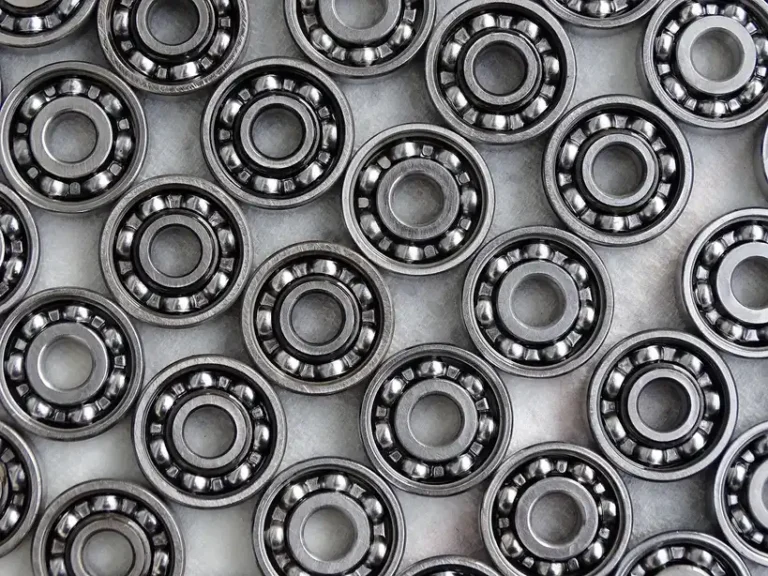
Wheel bearings and axles move higher on the list when the noise changes with turning load or gets louder under power. A vibration with a humming noise can indicate a wheel bearing. If the sound turns into a growl, do not wait long to inspect it.
Hum to growl progression
A bad wheel bearing often starts as a low hum and can progress to a growl. It may change when the car is loaded in a turn, because the bearing carries more weight on one side. That load change is one of the best clues for separating it from a tire roar.
Turning-load changes
Listen during gentle lane changes and wide turns on a safe, empty road. If the sound gets louder as weight transfers to one side, a bearing may be more likely. If it stays nearly unchanged on both left and right turns, the issue may be a tire or wheel instead.
Simple play or wiggle check
A bad wheel bearing can be tested for play by rocking the wheel while the car is jacked up. Any roughness, looseness, or dry feeling during rotation deserves attention. Ignoring bearing noise is risky because the fault can get worse and create more repair cost later.
CV axle or axle shaft
CV axle noise usually shows up under acceleration, not steady coast. Grease leakage or a torn boot gives a strong clue because the joint can lose lubrication and start clicking or shaking under torque. If the vibration appears only when power is applied, axle parts climb the list quickly.
Brake, exhaust, and heat shield noise
Not every speed-related noise comes from a tire or bearing. Brake hardware, exhaust parts, and heat shields can all create symptoms that appear at specific speeds and under specific loads. The trick is to separate brake-only noise from everything else.
Rotor and pad vibration
Brake-related vibration usually shows up during braking, not during a steady cruise. Rotor variation can pulse through the steering wheel or pedal. Brake pad wear indicators can cause grinding noise against the rotor, which is a different complaint from tire hum or bearing growl.
Exhaust hangers and clamps
Exhaust issues often sound like drone, roar, or a low metallic buzz. Rust damage, loose hangers, and failed clamps let the system move at certain road speeds and engine loads. Exhaust leaks may leave visible soot marks near the crack, which helps confirm the source.
Heat shield rattle and buzz
A heat shield can rattle, buzz, or ring at a narrow speed band because it sits close to the exhaust and body. Rusted or broken bolts are common failure points. A light clamp repair may stop the noise if the shield itself is intact and not cracked.
Suspension and steering components
Bushings, tie rods, and struts matter when the noise changes with road texture or steering input. A worn bushing can thump on bumps, while a loose tie rod can add play that feels unstable at speed. These parts are worth checking if the sound changes when the car loads up in a turn.
What to inspect first
Use a sequence that cuts out the most common false leads before parts are replaced. Start with the road test, then do a visual check on the ground, then move to the lift. That order saves time and keeps you from buying a tire, bearing, or axle you do not need.
- Drive at the exact speed where the noise starts, then note whether it appears on cruise, coast, brake, or acceleration.
- Record where the vibration is felt: steering wheel, seat, floor, or pedal.
- Make a gentle left-right lane change to see whether turning load changes the noise.
- Check tire tread for uneven wear, flat spots, bulges, and signs of separation.
- Look for missing wheel weights, curb rash, or a recent pothole impact.
- Inspect brake pads and rotors for wear, scoring, and pad indicator contact.
- Check CV boots for tears and grease leakage.
- Inspect exhaust hangers, clamps, heat shields, and soot marks.
- Raise the car and test each wheel for play, roughness, and runout.
- Only after those checks should you buy parts based on the symptom pattern.
A common first-timer mistake is replacing tires because the noise happens at highway speed, then finding the same sound still there after the swap. If the vibration moved with the wheel location, that points one way. If it stayed put and got louder on turns, that points another way.
Why road speed patterns can mislead
Normal tire noise, road texture, and a rough pavement patch can all mimic a fault. Reverse gear can also be noisier because straight-cut gears are used. Those are useful reminders when the sound appears during low-speed maneuvering and disappears once the car is straight and rolling.
Frequently asked questions
How can I tell if the noise is from tires or wheel bearings?
Tires usually sound like a roar, thump, or slap that tracks road speed and tread pattern. A wheel bearing more often starts as a hum and can turn into a growl. If the sound changes when you steer gently left or right, the bearing becomes more likely.
Can a bent wheel cause a noise at specific speeds?
Yes. A bent wheel can cause a vibration window that looks a lot like a balance problem, especially after a pothole or curb hit. The best next step is a lift inspection with runout checking, because the damage may not be obvious from a quick glance at the tire.
Why does my car hum louder when I accelerate?
If the hum gets louder under acceleration, think load-sensitive parts first. A CV axle or drivetrain problem becomes more likely when torque is applied. A wheel bearing can still be involved, but a tire-only issue is less likely if the sound clearly tracks throttle input.
What noise does a bad wheel bearing make?
A bad wheel bearing often makes a hum that can become a growl as speed rises. The noise may change during turns because the load shifts side to side. Play, roughness, or a loose feel when the wheel is rocked off the ground supports the diagnosis.
Why does my car make a rattling noise only at highway speeds?
A highway-speed rattle often points to a heat shield, loose exhaust hanger, or rusted clamp. Those parts can vibrate only when airflow, engine load, or road speed hits the right range. If the sound is metallic and light, inspect the exhaust path and nearby shields first.
Products related to this article
Sponsored / affiliate links. As an Amazon Associate I earn from qualifying purchases. I may earn additional commission from eligible campaigns.