Why Does My Car Chirp When I Drive?
A chirp while driving often comes from a belt or pulley in the engine bay, brake hardware, a tire problem, or a steering or suspension part; if the sound changes with engine speed, wheel speed, or steering input, that is your first clue. Ignore it and you may face faster wear, warped rotors, damaged belts, or a roadside breakdown. This guide gives a symptom-first decision tree to narrow the noise before you replace parts.
Pinpointing the source of your car’s chirping sound

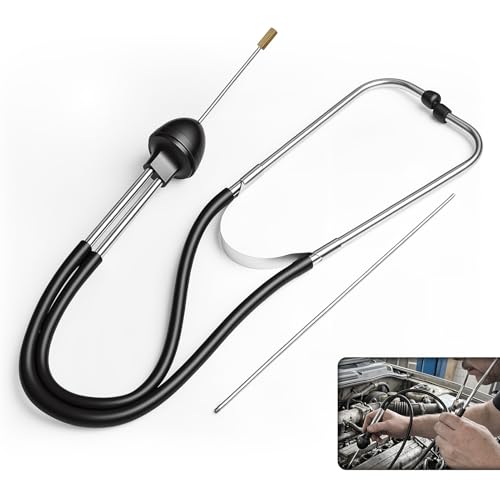


The first split is location, then load. If the chirp seems to come from under the hood, suspect the accessory drive, such as the serpentine belt, tensioner, idler pulley, or power steering pump. If it seems to come from a corner, wheel well, or floor area, look at brakes, tires, wheel bearings, CV joints, or suspension parts.
The first split: engine bay or wheel area
Open the hood only when parked and listen near the front of the engine, then compare that to the sound from each wheel area at low speed. A belt chirp often tracks engine rpm and may be louder at idle, cold start, or when accessories load the belt. A wheel-area chirp usually follows road speed or steering input instead.
How speed, load, and road input change the sound
Speed-only noise points toward rotating parts: tires, wheel bearings, brake hardware, or an accessory pulley. Noise that changes when you brake points toward pads, rotors, or dust shields. Noise that appears when turning points toward a CV joint, wheel bearing, power steering load, or tire scrub. Noise over bumps points toward bushings, links, liners, or loose shields.
When a chirp is a warning sign
Stop treating it as minor if the pitch changes quickly, the sound gets louder, the car pulls, warning lights appear, or the noise starts during braking or steering. Those patterns can mean a worn belt, a failing pulley bearing, low brake material, or a wheel bearing that is moving from faint chirp to more serious failure.
Chirp diagnosis matrix
| When the noise happens | Likely system | What it usually means | Quick safe check | Urgency |
|---|---|---|---|---|
| Cold start | Serpentine belt or tensioner | Belt glazing, weak tension, or cold rubber slipping | Look for cracking, glazing, or belt dust with engine off | Medium if brief; high if it persists |
| Steady cruising | Tires, wheel bearing, or brake drag | Tire scrub, uneven wear, or early bearing noise | Check tire pressure and compare sound at different speeds | Medium |
| Light braking | Brake pads or dust shield | Wear indicator, rotor contact, or rust on hardware | See whether the sound starts as the pedal moves | High if repeated |
| After brake release | Brake pad hardware | Pad tab or backing plate brushing the rotor | Inspect for shiny contact marks near the rotor edge | High |
| Turning left | CV joint, wheel bearing, or tire scrub | Load on the outside wheel changes the noise | Repeat in a parking lot at low speed | High if the tone changes clearly |
| Turning right | CV joint, wheel bearing, or steering load | Same pattern as left turns, often from the opposite side | Listen for side-to-side change at low speed | High if the noise follows steering angle |
| Over bumps | Suspension bushings or sway bar links | Dry or worn rubber, loose link, or body movement noise | Look for torn bushings or loose splash shields | Medium |
| Reversing | Brakes or wheel well rubbing | Pad hardware shift, rust, or liner contact in reverse load | Back up slowly in a clear lot and listen once | Medium to high |
| Wet weather | Belt, brakes, or tire tread | Water changes friction and can reveal a weak belt or noisy pad | Note whether the sound fades as parts dry | Medium |
| Parking maneuvers | Power steering or tires | Belt chirp or pump load during full-lock turns | Turn the wheel slowly at idle and listen for change | High if steering effort changes |
| Acceleration | Serpentine belt or tensioner | Accessory load makes a slipping belt chirp louder | Open hood at idle and compare with gentle throttle blips | Medium to high |
| Deceleration | Brake hardware or wheel bearing | Load transfer can expose rotor contact or bearing play | Note whether the sound appears off-throttle only | Medium |
| After driving through water | Brake pads, belt, or splash shield | Temporary moisture chirp or a shield moved into contact | Listen for a short period after the wheels dry | Low if brief; higher if it stays |
What each pattern usually points
A cold-start chirp that fades can suggest a serpentine belt, tensioner, or idler pulley. A light-braking chirp can fit a wear indicator tab or a pad edge touching the rotor. A turn-only chirp can suggest a CV joint, wheel bearing, tire scrub, or steering load. A bump-only chirp usually points away from the engine bay and toward suspension parts or loose panels.
Say your car chirps only when pulling out of a driveway on a damp morning, then goes quiet after five minutes. That pattern fits a moisture-sensitive belt or brake noise more than a wheel bearing, because the sound fades with drying and light load instead of staying tied to speed.
Could it be a belt or pulley?
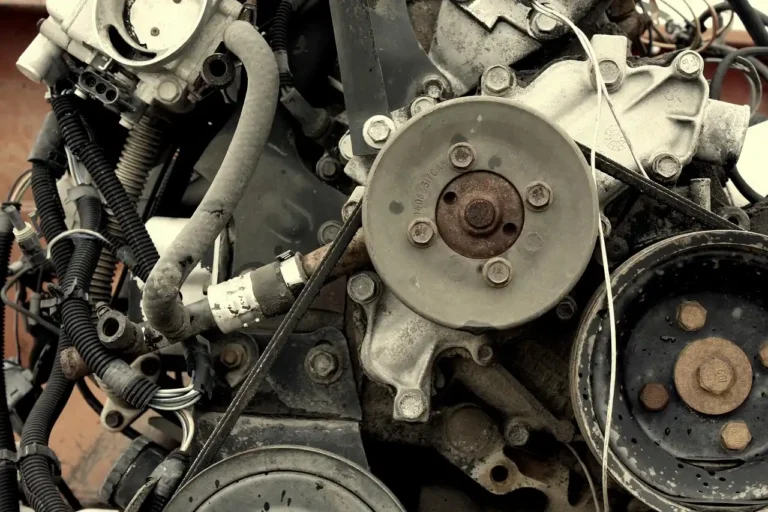
A serpentine belt is a common chirp source, especially at idle, on cold starts, or when the alternator, air conditioning, or power steering adds load. A worn tensioner or idler pulley can make the noise intermittent, and a bad alignment or contamination can turn a brief chirp into a repeated squeak.
Serpentine belt chirp clues
A belt chirp often sounds sharp and rhythmic. It may get louder when the engine is cold, when the alternator is charging hard, or when the air conditioning kicks in. Check for glazing, cracking, frayed edges, oil, coolant, or power steering fluid on the belt. Any contamination can make the belt slip.
Belt tensioner and idler pulley clues
A weak spring in the belt tensioner can let the belt flutter, which creates a chirp that comes and goes with engine speed. An idler pulley with a worn bearing may chirp or tick at a steady rhythm. With the engine off, look for pulley wobble, rough movement, or fresh black dust near the front of the engine.
Power steering load and accessory-drive noise
If the sound appears during slow turns, the power steering system is part of the search. A belt-driven pump can squeal or chirp under steering load, and low fluid can make the pump noisier. Check the fluid level only with the engine off unless the owner manual says otherwise, and inspect for leaks around hoses and the pump.
Why does it squeak when I brake?
A brake squeak or chirp points first to pads, pad hardware, or rotor contact. Some brake pads have a thin wear indicator tab that starts squeaking when the friction material gets low. Rust on the rotor edge, a bent dust shield, or pad hardware installed incorrectly can create a high-pitched sound even if braking still feels normal.
Brake wear indicator noise
A wear indicator often squeaks most during light braking or just after the pedal is released. The sound can be faint at first, then become more frequent as pad material gets thinner. If one wheel is much noisier than the others, that corner may have pad wear that is ahead of the rest.
Backing plate, pad hardware, and rotor contact
A backing plate or pad shim can touch the rotor when hardware is bent, loose, or assembled incorrectly. This may chirp intermittently, especially after a bump or while turning, because the brake parts shift slightly. A dust shield can also brush the rotor if it is bent inward during a curb strike or brake service.
Dust, rust, and intermittent brake squeak
Surface rust after rain or overnight parking can make brakes chirp for the first few stops. That is common if the sound fades quickly. It is less normal if the sound keeps returning, changes with pedal pressure, or comes with vibration, because those patterns suggest hardware wear rather than harmless rust.
Why does it squeak over bumps or when turning?
Noise over bumps usually comes from suspension bushings, sway bar links, loose panels, or wheel well parts moving under body motion. Noise during turns can also come from wheel bearings, steering load, or CV joints. The key clue is whether the sound changes with suspension movement, steering angle, or both.
Suspension bushings and sway bar links
Dry or worn bushings can squeak as the suspension moves through bumps and slow maneuvers. Sway bar links can chirp or squeak when the joints loosen. The noise often changes with road texture, parking speed, and body roll, which makes it feel different from an engine-bay belt chirp.
Wheel bearing clues
A wheel bearing usually hums or growls, but early wear can sound like a faint chirp or light squeak. The tone may change with speed and steering load, especially when weight shifts onto one front wheel. That pattern is different from a belt, because it follows road speed even if engine rpm stays steady.
CV joint and axle clues
Outer CV joint noise is more often a click than a chirp, and it usually gets louder on turns. Grease loss from a torn boot is a common clue. If the boot is split or slinging grease inside the wheel well, the axle area deserves prompt inspection, because the joint can wear quickly once contamination starts.
Suppose a front-wheel-drive car squeaks only in a tight left turn at parking-lot speed, but stays quiet on straight roads. That pattern fits a loaded outer CV joint, wheel bearing, or steering-load noise far better than a serpentine belt, because the sound follows steering angle instead of engine speed.
Could the tires or wheel well be making it?
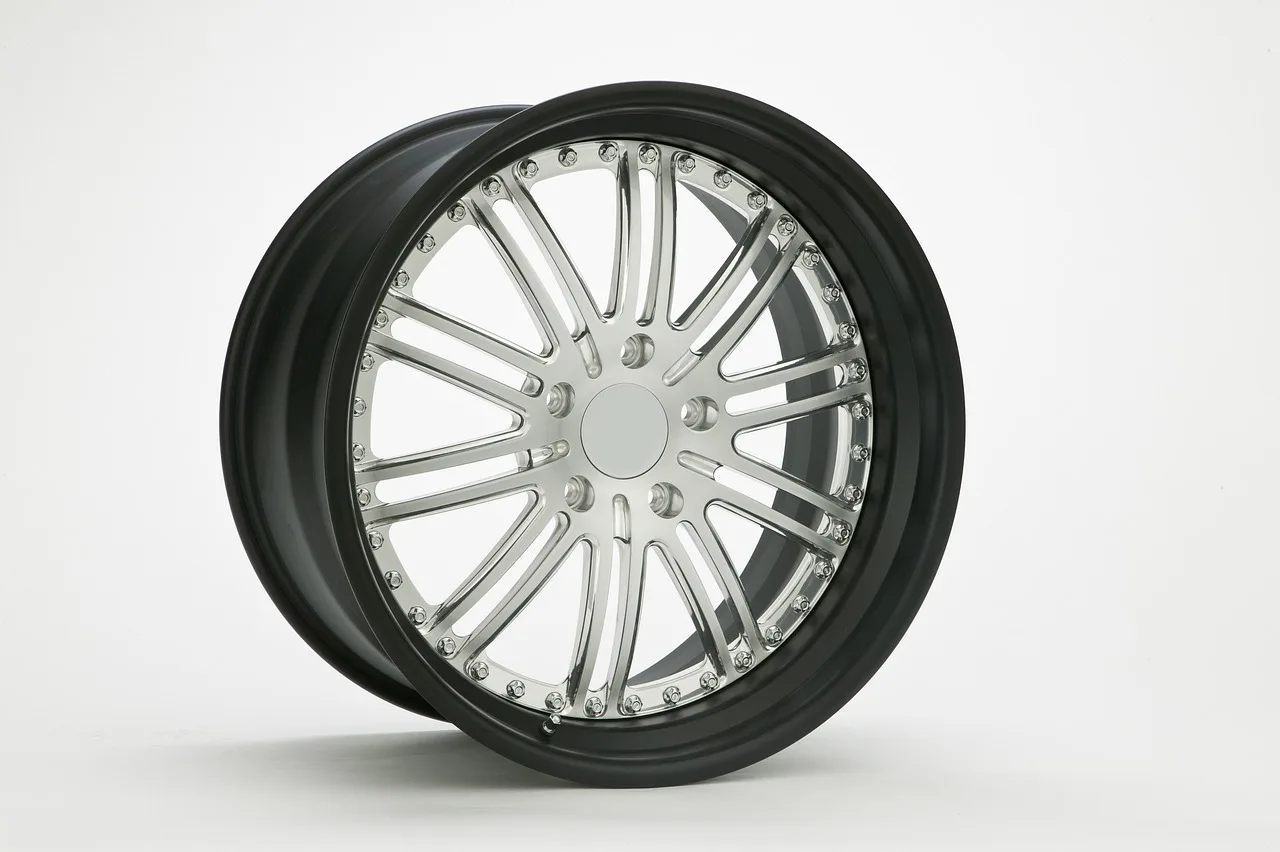
Yes. Tire pressure, tread wear, and tire scrub can create chirp-like sounds that are easy to mistake for brake or belt noise. Loose splash shields, wheel well liners, or debris trapped near the tire can also squeak. These noises often change with road texture, speed, and steering input more than with engine rpm.
Tire pressure, tread wear, and scrub noise
Underinflation can make a tire scrub or squeak, especially at low speed and during turns. Uneven wear can do the same. If the noise changes on rough pavement or disappears on smooth roads, the tire deserves a closer look. Check for correct pressure, uneven tread blocks, feathering, or anything rubbing the tire shoulder.
Splash shields, liners, and rubbing points
A loose splash shield or wheel well liner can touch the tire or rotor and chirp once per wheel rotation. This often gets worse after a pothole, curb strike, or recent service. Look for fresh scuff marks, missing fasteners, bent metal, or plastic hanging close to the tire.
Wet-road and debris-related chirps
Water, small stones, and road grit can create short-lived chirps after rain or after driving through a puddle. If the sound stops after the debris falls out or the parts dry, it is less concerning. If it continues, assume something is still contacting a rotating part and inspect that corner.
Safe checks you can do without overdriving the car
- Park on level ground and note when the noise happens: idle, braking, turning, bumps, reverse, or wet roads.
- With the engine off, inspect the serpentine belt for cracks, glazing, fraying, fluid contamination, or edge wear.
- Look at the belt tensioner and idler pulley for wobble, roughness, or obvious misalignment.
- Check tire pressure, tread wear, and any marks showing tire or liner rubbing.
- Look through the wheel spokes for rotor contact, bent dust shields, missing brake hardware, or grease on the inside of the wheel.
- Inspect for loose splash shields, torn bushings, and grease around a CV boot.
- If the sound changes during a gentle steering turn in a parking lot, stop and narrow the side before driving farther.
Frequently asked questions
Why does my car chirp when I drive?
It usually means a moving part is rubbing or slipping under load. The main split is engine bay versus wheel area. If the chirp rises and falls with engine rpm, look at the belt drive. If it tracks road speed, braking, or steering, the cause is more likely at a wheel, brake, tire, or suspension corner.
Why does my car squeak when I drive?
A squeak is often a lighter, higher noise than a chirp, but the same rule applies: match the sound to location and load. Brake pads, bushings, tires, and splash shields can squeak at low speed, over bumps, or during turns. The pattern matters more than the word used to describe it.
Why does my car squeal when I drive?
Squeal often points to a belt that is slipping, especially if the sound is loud at start-up, during acceleration, or when steering at low speed. It can also come from brake contact or tire scrub. If the sound is sharp and tied to engine load, start with the accessory drive.
Why does my car squeak when I drive slow?
Slow-speed squeaks often come from brake hardware, tire scrub, steering load, or suspension parts moving through a small range. A parking lot is the best place to reproduce it safely. Turn gently, brake lightly, and note whether the sound changes with steering angle, pedal pressure, or body motion.
Why does my car squeak when I drive over bumps?
Over-bump squeaks usually point to bushings, sway bar links, loose liners, or worn suspension joints. Those parts move when the body rises and falls, which makes the noise appear on rough roads and disappear on smooth ones. A wheel-bearing or belt noise is less likely if bumps are the main trigger.
Why does my car squeak when I drive and brake?
Braking narrows the list fast. A brake wear indicator, rotor contact, rust, or pad hardware problem can squeak when the pedal is applied or released. If the sound appears only with braking, inspect the pads and rotor edges first. If braking also changes steering feel or pull, have the car checked promptly.
Products related to this article
Sponsored / affiliate links. As an Amazon Associate I earn from qualifying purchases. I may earn additional commission from eligible campaigns.