How to Fix a Frozen Windshield Washer Line
Editor note: Modern vehicles can hide the cause in an inline check valve, heated nozzle, rear washer circuit, or low-mounted reservoir, so the safest path is diagnosis first, then thawing.
This guide is part of our Car Heater and Defrost Problems in Winter: Causes and Fixes series.
To fix a frozen windshield washer line, warm the reservoir, hoses, and nozzles with ambient heat or a hair dryer on low, then test the pump; if the reservoir is slushy, thaw it first. Forcing the washers can split plastic lines, burn the pump, or leave you with no spray in traffic. Most owner’s manuals and washer-fluid labels also point you toward using fluid matched to the cold you expect, not plain water. This guide helps you pinpoint whether the freeze is in the reservoir, line, nozzle, fuse, pump, or rear circuit and thaw it safely.
Frozen washer line basics


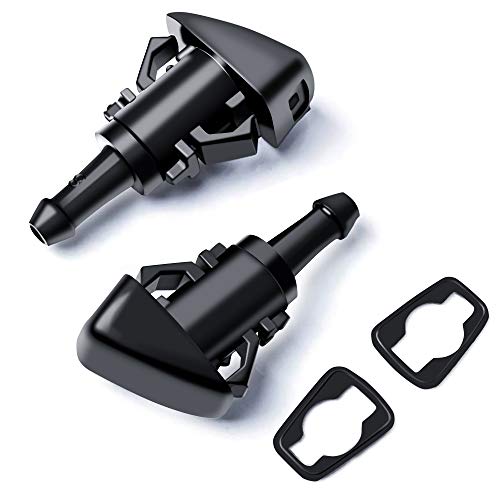
The washer system is simple, which makes diagnosis easier. A plastic reservoir feeds a small electric pump, and that pump pushes fluid through thin hoses to the nozzles. If any part freezes or clogs, the symptom shifts: no sound, a hum with no spray, weak spray, or a leak after thawing.
Cold-weather washer fluid works best when it is chosen for the lowest temperature you expect, and many owner’s manuals caution against water or diluted mix in freezing conditions. Heated nozzles, rear-washer plumbing, and hidden inline check valves can also change where ice forms, so one side working does not rule out a frozen branch elsewhere.
What you’ll need
- Winter-rated washer fluid, preferably labeled for subfreezing use
- De-icer washer fluid if conditions stay below freezing
- Compressed air or a fine needle for nozzle cleaning
- Basic tools for fuse access
- A safe warming space, such as a heated garage or warm engine bay
- A low-heat source, such as a hair dryer on low
- Clean towels or absorbent cloths
How do you fix frozen windshield washer lines?
Start with the least risky heat source: a heated garage or a warm engine bay, then low external heat, then short pump bursts after the system thaws. Do not run the washer continuously. If the reservoir is slushy, let it thaw before testing so the pump is not forced against ice.
Thaw the system in this order
- Park in a heated garage or a sheltered spot over a warm engine bay.
- Use a hair dryer on low to warm the reservoir area, hose runs, and nozzle bases.
- Stop and check for dripping or cracking as the ice melts.
- Use short washer bursts after thawing, then wait a few seconds between tries.
- Refill with winter fluid if the spray returns but feels weak or refreezes.
A common first-time mistake is holding the switch down after nothing happens. That can keep the pump spinning against ice. Running the washer pump against ice for several minutes can damage the pump, so stop after brief attempts and let the system warm further before retesting.
Suppose an SUV sits in subfreezing weather with diluted washer fluid in the reservoir, causing the spray lines to freeze solid. The driver hears a brief hum, then nothing. In that case, the safest next step is heat, not repeated spraying. If the reservoir is frozen solid, thaw that plastic tank before expecting the hoses to clear.
Freeze recovery decision table
| Symptom | Likely failed part | Safe test | Unsafe action to avoid | Next step |
|---|---|---|---|---|
| No sound from pump | Fuse, switch, wiring, or a dead pump | Check the washer fuse and tap the stalk switch once | Keep holding the switch down | Inspect the fuse box, then retest after thawing |
| Pump hums but no spray | Frozen reservoir, blocked hose, or clogged nozzle | Listen at the reservoir, then inspect hose and nozzle ends | Run the pump for minutes at a time | Thaw the tank and hose path, then clean the nozzle |
| One nozzle works but the other does not | Blocked nozzle or split hose on one side | Compare spray at both nozzles | Use compressed air at full force on plastic fittings | Clean the dead nozzle, then inspect that hose branch |
| Fluid sprays weakly then stops | Partial freeze, low fluid, or pump struggling against ice | Check reservoir level and hose softness after warming | Keep cycling the washer immediately | Warm the system fully, then refill with winter fluid |
| Fluid leaks under the car after thawing | Cracked reservoir, split hose, or popped-off connection | Look under the hood and along the hose path | Ignore the leak and keep spraying | Repair the leak before refilling |
At roughly 32°F and below, the likely freeze point shifts from exposed nozzles to the coldest hose run, then the reservoir neck or tank, and finally the pump area if it is low and exposed. In milder cold, the nozzle caps and any inline check valves often freeze first; in deeper cold, the whole supply path can lock up.
How do you tell which part froze?
Start at the reservoir and work outward. A frozen tank can hold about three-quarters to a gallon, and some vehicles can hold up to 5 liters of washer fluid. Capacity varies by vehicle, so treat those figures as approximate. Check the tank shell for splits before refilling, especially around seams and fittings.
Check the parts in order
- Inspect the reservoir for slush, bulging, or cracks near the engine bay wall or front fender.
- Trace the hoses from the tank to each nozzle and look for splits or disconnected ends.
- Test the fuse and stalk switch if there is no pump sound at all.
- Listen for pump hum if the fuse is good, then inspect the nozzle outlets.
- Clean clogged nozzles with a fine needle or compressed air, then retest.
The washer system typically works at low pressure, not shop air pressure. Using compressed air can damage hoses or blow them off plastic connections. A gentle puff is safer than a blast, and a fine needle is often enough for dirt or mineral deposits at the nozzle.
Suppose one nozzle sprays normally but the other dribbles. That usually points to a nozzle or its hose branch, not the whole system. The right move is to clear that branch, then inspect the plastic fitting for a crack or loose connection. On some vehicles, a rear washer line or heated front nozzle adds another branch that can freeze independently.
If the pump hums but nothing comes out, the problem may still be frozen fluid. It may also be a blocked line or a jammed nozzle. Do not assume the pump is bad until the reservoir and hoses have thawed and the nozzle outlets have been checked. Hidden inline check valves can mimic a dead pump when they ice up.
How do you safely thaw a frozen washer reservoir?
Use ambient warmth first, then low external heat. A frozen plastic reservoir can crack if the fluid expands, so do not shock it with boiling water. Lukewarm water should generally stay off plastic reservoir, pump, electrical parts, and connectors; use it only with caution on surrounding exterior metal if needed.
Use the safest heat available
- Move the car into a heated garage if one is available.
- Let the engine bay warm naturally if the hood can be opened safely.
- Use a hair dryer on low to warm the outside of the tank and hose path.
- Stop if any plastic part begins to soften or smell hot.
- Drain and refill the reservoir if the fluid was diluted or contaminated.
If the reservoir is hard to reach, warm the area that is accessible and wait. Do not pry on the tank or force hose fittings while the fluid is still frozen. A frozen tank often thaws unevenly, and rough handling can turn a small freeze into a leak. Heated nozzles and rear washer lines may need extra time because their electrical or long-run routing can stay colder longer.
How do you know if the washer pump is bad or just frozen?
Check for a hum, then check for flow. A humming pump usually has power and ground, but the outlet may be blocked by ice, a kinked hose, or a clogged nozzle. No sound points more toward fuse, switch, wiring, or a failed pump motor. Stop testing if the pump sounds strained or the spray fails to appear after brief thawing.
Use this short test order
- Turn the washer switch on for a brief burst and listen at the reservoir.
- Check the fuse if there is no sound at all.
- Warm the reservoir and hose path if the pump hums but no fluid moves.
- Inspect the nozzle ends if flow is weak or one side works.
- Stop testing once the pump starts sounding strained or runs dry.
Frozen fluid can damage the system because water expands when it freezes. That can split hoses, pop a line off a plastic nipple, or leave the pump running dry against ice. If the pump keeps humming after thawing and still will not move fluid, the motor may need replacement. Some vehicles also use rear washer circuits with separate pumps, so front and rear failures do not always share the same cause.
How do you keep windshield washer lines from freezing again?
Drain diluted fluid and refill with winter-rated washer fluid before the next cold snap. Use a formula rated for subfreezing use, and do not dilute it in severe cold. De-icer washer fluid is a good choice when frost and snow are common, because it is made to help melt ice and keep visibility usable. Follow the bottle and owner’s-manual guidance for your climate rather than guessing by season alone.
Prevention that actually matters
- Empty or dilute the summer mix if warm weather fluid is still in the tank.
- Refill with winter fluid labeled for cold weather use.
- Inspect the hose run and nozzle spray pattern after refilling.
- Park where the hood and reservoir area stay warmer when possible.
- Keep the reservoir filled with the correct winter fluid before deep freezes.
Rain-X says to fill the reservoir without diluting the product. That matters because dilution reduces freeze protection. Many basic washer fluids only protect a few degrees below freezing, so a top-off with water or summer fluid can undo much of the cold-weather margin. Use the bottle’s temperature rating as the guide, since actual protection varies by product and blend.
Water in the reservoir can freeze and crack the plastic tank. If the car must stay outside, check the fluid type before cold weather arrives and keep the tank topped with the correct winter mix rather than waiting for the first blockage. Vehicles with heated nozzles, concealed check valves, or a rear washer line may need extra attention because those parts can freeze even when the tank seems full.
Common mistakes
Boiling water on the reservoir is a bad idea. It can warp plastic, shock fittings, and crack a tank that is already stressed by ice. High heat near the pump or hose connections can also soften them enough to leak later.
Holding the washer switch down for a long time is another mistake. Short bursts are often enough after thawing. If the pump only hums, stop and let the system warm further rather than running it dry against ice.
Forcing the wipers across an icy windshield can load the washer arms and make the problem worse. Ignore a leaking hose after thawing and the fluid will keep escaping under pressure. Fix the leak before refilling. If the vehicle has a rear washer, check that circuit too, because one frozen branch can hide the real fault.
Frequently asked questions
Why is my windshield washer fluid not spraying in cold weather?
The most common reasons are frozen fluid, a clogged nozzle, a failed fuse, or a pump that is not moving fluid. Check the reservoir for slush, listen for pump sound, and inspect the nozzles before assuming the motor is dead. One symptom alone does not identify the fault.
Can I use hot water to thaw frozen washer fluid?
Do not use boiling water. It can crack plastic parts and fittings. Lukewarm water may be used with caution on suitable exterior surfaces, but ambient heat or low external warming is safer for the reservoir, hoses, and nozzles. Let the system thaw gradually instead of shocking it.
What washer fluid temperature rating do I need for winter?
Use a winter fluid labeled for the cold you expect, and choose a formula rated to work to -25°F if your area sees severe cold. Some basic washer fluids only protect a few degrees below freezing, so a warm-weather top-off can leave the system exposed.
Products related to this article
Sponsored / affiliate links. As an Amazon Associate I earn from qualifying purchases. I may earn additional commission from eligible campaigns.