How Often Do Car Brakes Fail And What Causes It?
Every driver relies on their car’s brakes every day, but few stop to consider the odds of brake failure and what causes it. The consequences of brake malfunction can be catastrophic, making this topic not only relevant but essential for vehicle safety.
Despite technological advances, brake failures still occur, sometimes with tragic results. Understanding how often brakes fail and the underlying causes is crucial for drivers, mechanics, and anyone passionate about automotive safety.
This article dives deep into the statistics behind brake failures, explores the mechanical and environmental factors contributing to these incidents, and provides actionable advice to minimize risk. By examining real-world examples, comparing failure rates across vehicle types, and analyzing expert data, we aim to empower readers with the knowledge needed to maintain safe, reliable braking systems.
Whether you’re a seasoned car enthusiast or a daily commuter, the insights here will help you stay informed and proactive about one of the most critical aspects of your vehicle.
Key Takeaways
- Car brake failures are rare but can have severe consequences.
- Mechanical wear, hydraulic issues, and neglect are leading causes of brake failure.
- Regular maintenance and inspection dramatically reduce the risk of brake malfunction.
- Brake failure rates differ by vehicle age, driving conditions, and maintenance habits.
- Understanding warning signs and preventive strategies can save lives.
How Often Do Car Brakes Fail?
The question of how frequently car brakes fail is central to automotive safety. While brakes are engineered for reliability, their failure—though uncommon—does happen. Data from the National Highway Traffic Safety Administration (NHTSA) indicates that brake-related failures account for about 22% of vehicle crashes attributed to mechanical issues in the United States annually. However, the actual incidence of catastrophic brake failure remains relatively low compared to other automotive defects.
Statistical Overview
- According to a detailed study by the NHTSA, mechanical failures account for only 2% of all car accidents, with brakes being the most cited mechanical culprit within that group.
- The Insurance Institute for Highway Safety (IIHS) estimates brake-related defects are responsible for approximately 300,000 crashes each year in the US, but only a fraction involve total brake failure.
- In a review of 13,000 accidents caused by vehicle defects, brakes were responsible for 2,599 incidents, making them the leading cause among mechanical failures.
- The Centers for Disease Control and Prevention (CDC) notes that globally, the rate of accidents involving brake failure remains a significant concern, especially in countries where vehicle inspections are less stringent.
These numbers highlight that, while rare on a per-vehicle basis, brake failure is still a leading cause of mechanical-issue accidents. In countries with regular mandatory vehicle inspections, the rate of catastrophic failures is notably lower, emphasizing the value of systematic oversight.
Failure Rates By Vehicle Type
Older vehicles and commercial trucks are statistically more prone to brake issues. The table below highlights the comparative failure rates across different vehicle types:
| Vehicle Type | Annual Brake Failure Rate (%) | Common Failure Causes |
|---|---|---|
| Passenger Cars (0-5 yrs) | 0.02 | Hydraulic leaks, pad wear |
| Passenger Cars (6-15 yrs) | 0.06 | Corrosion, worn rotors |
| Light Trucks | 0.08 | Overheating, fluid contamination |
| Commercial Trucks | 0.12 | Air brake malfunction, neglect |
The increased risk in older passenger vehicles is largely attributed to aging brake components, increased exposure to corrosive environments, and inconsistent maintenance. Light trucks, often used for more demanding tasks or in commercial applications, experience more frequent brake issues due to higher payloads and heavier use.
Commercial trucks, with their complex air brake systems and longer distances traveled, face the highest rates, making frequent inspection and specialized maintenance even more crucial.
Real-world Example
In 2015, a commercial truck in California experienced catastrophic brake failure on a downhill grade, leading to a multi-vehicle accident. Investigators found that poor maintenance and worn brake linings were to blame. This case underscores the importance of regular brake inspections, especially for heavy vehicles operating in challenging environments.
Similarly, in 2026, a city transit bus suffered partial brake loss during rush hour due to a ruptured hydraulic line. Fortunately, the driver was able to slow the vehicle using the emergency brake and avoided injuries, but the incident prompted a fleet-wide review and update of maintenance protocols.
Factors Influencing Brake Failure Rates
- Vehicle Age: Older cars are more susceptible due to accumulated wear and corrosion, particularly in climates with heavy road salt use.
- Usage Patterns: Vehicles used for towing, frequent stop-and-go driving, or high-speed operation face higher risks due to increased heat and mechanical stress.
- Maintenance Habits: Neglected maintenance is a primary cause of brake-related incidents. In fleets, adherence to maintenance schedules can vary, impacting overall safety.
- Driving Environment: Mountainous regions, urban stop-and-go traffic, and areas with severe winters place more stress on brake systems, accelerating wear and increasing failure risk.

Credit: www.crainbuickgmcofspringdale.com
Common Causes Of Car Brake Failure
Understanding the root causes behind brake failure is critical to prevention. Brakes are complex systems, and multiple factors—from mechanical to environmental—can compromise their performance.
Mechanical Wear And Tear
Brake pads and rotors are designed to wear down over time. If not replaced when needed, pads can become dangerously thin, leading to metal-on-metal contact and loss of stopping power. Rotors can warp or crack under excessive heat, especially in aggressive driving or heavy loads.
- Typical brake pad lifespan: 30,000–70,000 miles; aggressive driving, towing, and frequent heavy braking can shorten this interval.
- Rotor replacement interval: 50,000–70,000 miles (varies with driving style). Warped rotors may be evident from pulsation in the brake pedal or steering wheel during braking.
- Caliper failure: Sticking or seized calipers can cause uneven pad wear and overheating, further increasing the risk of brake fade and reducing overall system effectiveness.
Example: A sedan used primarily in city traffic required pad replacement at just 25,000 miles due to constant stop-and-go driving. Neglecting this led to rotor damage, doubling repair costs and increasing the risk of failure.
Hydraulic System Issues
Modern cars rely on hydraulic brake systems, which use brake fluid to transfer pressure from the pedal to the brakes. Leaks in brake lines, master cylinder failure, or contaminated fluid can cause a sudden loss of pressure and braking ability. According to Wikipedia, brake fluid must be checked regularly, as moisture absorption leads to corrosion and reduced effectiveness.
- Brake fluid contamination: Over time, brake fluid absorbs moisture from the air, lowering its boiling point and increasing the risk of vapor lock during heavy braking.
- Master cylinder issues: The master cylinder, responsible for generating hydraulic pressure, can develop internal leaks, leading to a gradual loss of braking power.
- Flexible brake hoses: With age, hoses can crack, swell, or burst, especially under high-pressure conditions, resulting in sudden brake failure.
Air Brake System Malfunctions
Heavy trucks utilize air brakes, which depend on compressed air to activate braking mechanisms. Common failures include compressor malfunction, air leaks, and faulty valves. These issues are often exacerbated by inadequate maintenance.
- Air brake systems require frequent inspection per federal regulations.
- Malfunction can result in complete brake loss if system pressure drops below safe levels.
- Slack adjuster problems: Improper adjustment can result in excessive brake pedal travel and delayed brake application, especially dangerous in emergency situations.
Example: In a 2019 incident, a delivery truck’s air compressor failed due to lack of lubrication, causing a rapid loss of air pressure and brake function on a highway exit ramp. The driver managed to avoid a crash by using an uphill ramp, but the event highlighted the importance of daily air system checks.
Environmental And External Factors
Environmental conditions play a significant role in brake reliability:
- Corrosion: Salt and moisture cause brake components to rust, particularly in northern climates. Rusted calipers and brake lines can seize or fail, sometimes without warning.
- Overheating: Extended downhill driving or heavy loads can overheat brakes, leading to brake fade or failure. This is particularly dangerous in mountainous areas, where long descents can quickly overtax brake systems.
- Debris: Stones or road debris can damage brake lines and components, sometimes causing slow leaks that go unnoticed until braking power is compromised.
- Temperature fluctuations: In extremely cold conditions, water in the brake system can freeze, leading to restricted fluid flow or even cracked lines.
Human Error And Neglect
Neglect is a leading cause of brake failure:
- Ignoring warning signs like squealing, grinding, or soft pedal feel.
- Delaying routine maintenance, such as fluid changes and pad replacement.
- DIY repairs without proper expertise can compromise safety.
- Using incompatible or low-quality brake parts can lead to premature wear or outright failure.
Example: After a DIY brake pad replacement, a driver omitted a crucial retaining clip, resulting in a pad shifting out of position and damaging the rotor. The oversight nearly caused loss of control during a sudden stop.
Case Study: Brake Fluid Neglect
A 2018 study by the Car Care Council found that 18% of vehicles inspected had low or contaminated brake fluid. One driver reported a sudden loss of braking power after years of neglecting fluid changes, resulting in a minor collision. This emphasizes the importance of regular fluid checks.
In another case, a vehicle owner ignored a spongy pedal feel for months. Upon inspection, mechanics found that the brake lines were severely corroded and leaking, a direct consequence of old, moisture-laden brake fluid. The cost of repairs was significantly higher than regular preventive maintenance would have been.

Credit: www.gotodobbs.com
Warning Signs And Early Detection
Detecting potential brake failure before it occurs is vital. Most brake issues provide early warning signs that, if addressed promptly, can prevent dangerous situations.
Audible And Visual Indicators
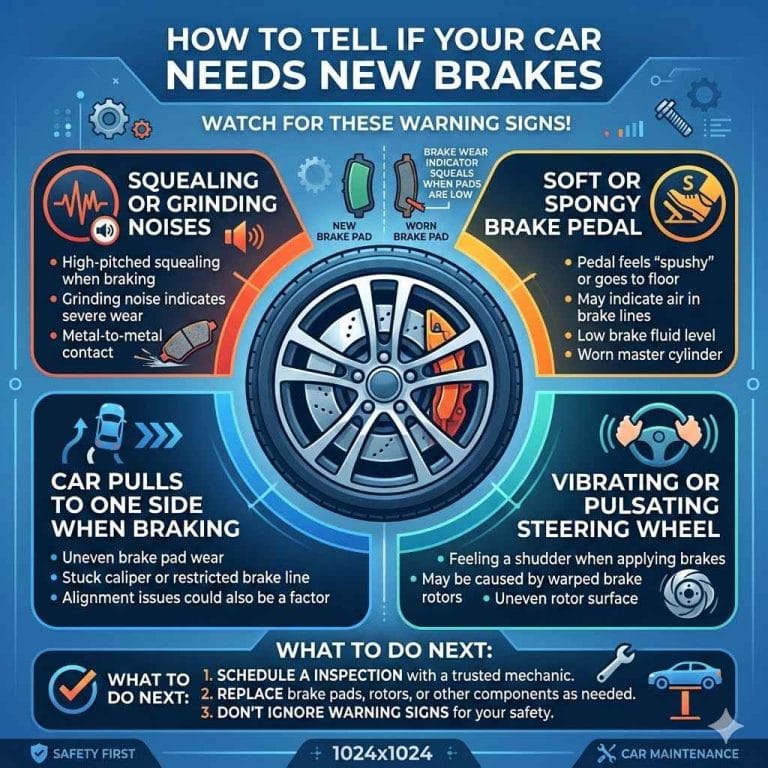
- Squealing or grinding noises: Usually indicates worn pads or damaged rotors. A high-pitched squeal is typically caused by a wear indicator, while grinding often means the pads are completely worn down, exposing metal.
- Brake warning light: Signals hydraulic or electronic issues. On modern vehicles, this may also indicate problems with ABS or electronic stability systems.
- Vibration or pulsing: Often points to warped rotors or uneven pad wear. If the steering wheel or brake pedal vibrates when braking, have your brakes checked immediately.
- Visible leaks: Any fluid pooling under the car near the wheels or along brake lines should be investigated as it may indicate a hydraulic leak.
Physical Symptoms
- Soft or spongy brake pedal: Suggests air in the hydraulic system or fluid leak. The pedal may sink to the floor or require more effort to achieve stopping power.
- Reduced braking responsiveness: Can be caused by worn pads, contaminated fluid, or failing master cylinder. If your vehicle takes longer to stop or requires more pressure on the pedal, immediate inspection is needed.
- Pulling to one side: Indicates uneven wear or stuck calipers. This can make the vehicle difficult to control during emergency stops.
- Burning smell during braking: May indicate overheated pads or fluid, especially after long descents or heavy braking.
Routine Inspection Recommendations
Experts suggest the following inspection intervals:
- Brake pads and rotors: Every 6 months or 6,000 miles.
- Brake fluid: Check every oil change; replace every 2 years.
- Brake lines and hoses: Inspect annually.
- ABS and electronic systems: Scan for fault codes at least annually, or if any warning light appears.
Additionally, drivers should perform visual checks for leaks, worn pads, and rusted or damaged lines during tire rotations or other routine service.
Real-world Example
A family SUV began exhibiting a spongy pedal feel and longer stopping distances. Upon inspection, a mechanic discovered a slow brake fluid leak. Early detection prevented a potential failure during highway driving.
In another instance, a delivery vehicle developed a pulsating brake pedal. Quick action by the driver, who scheduled a prompt inspection, revealed a cracked rotor that could have led to full brake failure if left unchecked.

Credit: www.garymartinhays.com
Preventive Maintenance And Best Practices
Proper maintenance is the most effective way to avoid brake failure. Adhering to manufacturer recommendations and routine checks will dramatically reduce risk.
Regular Brake Inspections
Routine brake inspections should include:
- Measuring pad thickness with a micrometer or gauge.
- Checking rotor condition for scoring, grooves, or warping.
- Inspecting calipers and wheel cylinders for leaks and proper operation.
- Testing brake fluid level and quality using a test strip or refractometer.
- Examining brake lines and hoses for cracks, swelling, or rust.
- Inspecting mounting hardware and clips for security and wear.
Professional inspections often include road testing to evaluate pedal feel, response, and stopping distances.
Brake Fluid Management
Brake fluid should be replaced every 24 months or as specified by the vehicle manufacturer. Using the correct fluid type is essential for system integrity. Refer to Consumer Reports for detailed guidance.
- DOT 3, DOT 4, and DOT 5.1 fluids are not interchangeable; always follow the manufacturer’s recommendations.
- Flushing the system removes moisture and contaminants, reducing corrosion and extending the life of brake components.
Replacement Intervals For Components
| Component | Recommended Replacement Interval | Failure Risk if Neglected |
|---|---|---|
| Brake Pads | 30,000–70,000 miles | Loss of stopping power, rotor damage |
| Rotors | 50,000–70,000 miles | Brake vibration, diminished performance |
| Brake Fluid | Every 2 years | Hydraulic failure, corrosion |
| Brake Lines/Hoses | Inspect annually | Sudden brake loss |
| Calipers/Wheel Cylinders | Inspect every 2 years | Uneven braking, leaks, failure |
Diy Vs Professional Maintenance
While some maintenance can be performed by knowledgeable owners—such as checking pad thickness, fluid levels, or replacing worn pads—complex repairs and diagnostics should be left to professionals. Improper installation or overlooked issues can lead to catastrophic outcomes. For example, incorrect bleeding of hydraulic brakes can leave air in the system, resulting in brake failure during emergency stops.
Professional mechanics use specialized tools and have access to manufacturer technical bulletins, ensuring repairs are done to the highest standard.
Best Practices
- Always use OEM or high-quality aftermarket parts for replacements to ensure compatibility and safety.
- Follow manufacturer guidelines for maintenance intervals, fluid types, and torque specifications.
- Maintain a maintenance log for service records, which is not only useful for tracking but also valuable for warranty and resale purposes.
- Be proactive: If you suspect a problem, have it checked immediately rather than waiting for scheduled maintenance.
Impact Of Brake Failure: Safety And Legal Consequences
Brake failure carries serious consequences, both in terms of safety and legal responsibility. Understanding these risks is crucial for drivers and fleet managers alike.
Accident Statistics And Outcomes
- The NHTSA reports brake failure is a factor in 5% of fatal accidents caused by mechanical defects.
- Commercial vehicles with brake issues are twice as likely to be involved in multi-vehicle collisions.
- Data suggests that crashes caused by brake failure often result in more severe injuries due to the loss of control and inability to reduce speed before impact.
- Victims of accidents caused by brake failure may experience long-term physical, emotional, and financial consequences.
Legal Liability
Drivers and vehicle owners are legally obligated to maintain their brakes. Failing to do so can result in:
- Civil lawsuits for damages or injuries to third parties, including pain and suffering claims.
- Criminal charges in cases of gross negligence, especially if it is proven that the driver knowingly operated a vehicle with faulty brakes.
- Insurance denial if maintenance records are lacking or if neglect can be demonstrated.
- Fleet operators face additional regulatory scrutiny and potential fines if brake maintenance protocols are not followed.
Real-world Case Study
In a 2017 Pennsylvania incident, a delivery van with neglected brakes rear-ended a passenger car. The van owner was found liable for damages after investigators determined the brakes had not been serviced for over 40,000 miles.
In another case, a commercial trucking company faced millions in liability after a fatal crash revealed falsified maintenance logs and skipped inspections. The legal and financial fallout led to the company’s closure.
Safety Recommendations
- Document all brake maintenance to provide proof of compliance and diligence.
- Report warning signs immediately and do not operate vehicles with known brake issues.
- Educate drivers on brake safety, including recognizing symptoms and emergency response.
Advances In Brake Technology And Reliability
Modern vehicles benefit from significant advances in brake technology, reducing the likelihood of failure and improving overall safety.
Anti-lock Braking Systems (abs)
ABS prevents wheels from locking during hard braking, maintaining steering control. According to NHTSA, ABS has reduced crash rates by 6% in passenger vehicles.
- ABS is particularly effective on slippery surfaces, where locked wheels can cause skidding.
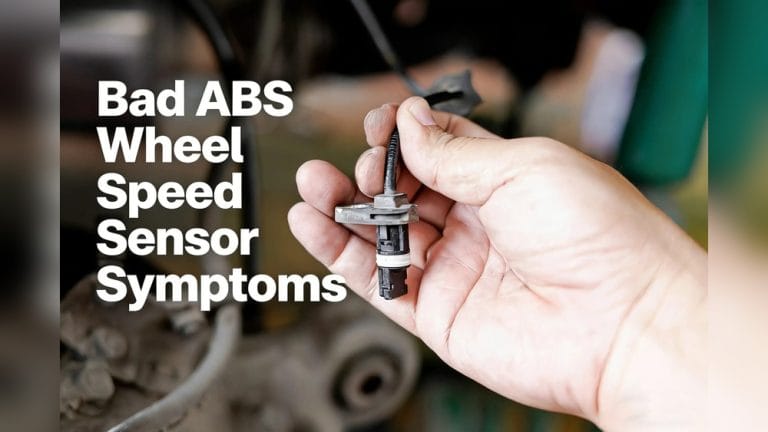
- The system uses sensors to monitor wheel speed and modulates brake force many times per second.
Electronic Brake Force Distribution (ebd)
EBD automatically adjusts brake force to each wheel, optimizing braking performance and minimizing risk in varying conditions.
- EBD improves stability during cornering and emergency stops, especially when the vehicle is loaded unevenly.
Brake Wear Sensors
Many modern cars feature electronic sensors that alert drivers when pads are worn, greatly reducing the risk of silent failures.
- Visual warnings on the dashboard provide clear notification, often before pads reach a critically thin state.
- Some systems can also monitor rotor wear and fluid level.
Improved Materials
Advancements in ceramic and semi-metallic brake pads increase durability and reduce fade, especially under heavy loads.
- Newer rotor alloys and coatings offer enhanced corrosion resistance, making brakes more reliable in harsh environments.
- Low-copper and copper-free formulations are now standard, reducing environmental impact without sacrificing performance.
Autonomous Emergency Braking (aeb)
AEB systems automatically apply brakes if a collision is imminent. According to IIHS, vehicles with AEB experience 50% fewer rear-end collisions.
- AEB uses radar, cameras, or lidar to detect obstacles and intervene if the driver does not respond in time.
Additional Innovations
- Regenerative braking in electric and hybrid vehicles not only slows the car but also recaptures energy, reducing wear on conventional brake components.
- Self-diagnosing electronic systems can now alert drivers to a range of brake issues, from low fluid to sensor malfunctions, further enhancing early detection.
Comparison Table: Traditional Vs Advanced Brake Systems
| Feature | Traditional Brakes | Advanced Brake Systems |
|---|---|---|
| Failure Rate | 0.06% (per year) | 0.02% (per year) |
| Warning Capability | Manual (audible/visual) | Electronic sensors |
| Safety Features | Basic | ABS, EBD, AEB |
| Maintenance Interval | Standard | Extended (due to improved materials) |
| Self-Diagnosis | No | Yes |
How To Respond To Brake Failure
Knowing how to react in the event of brake failure can be lifesaving. Immediate and appropriate action is essential.
Emergency Procedures
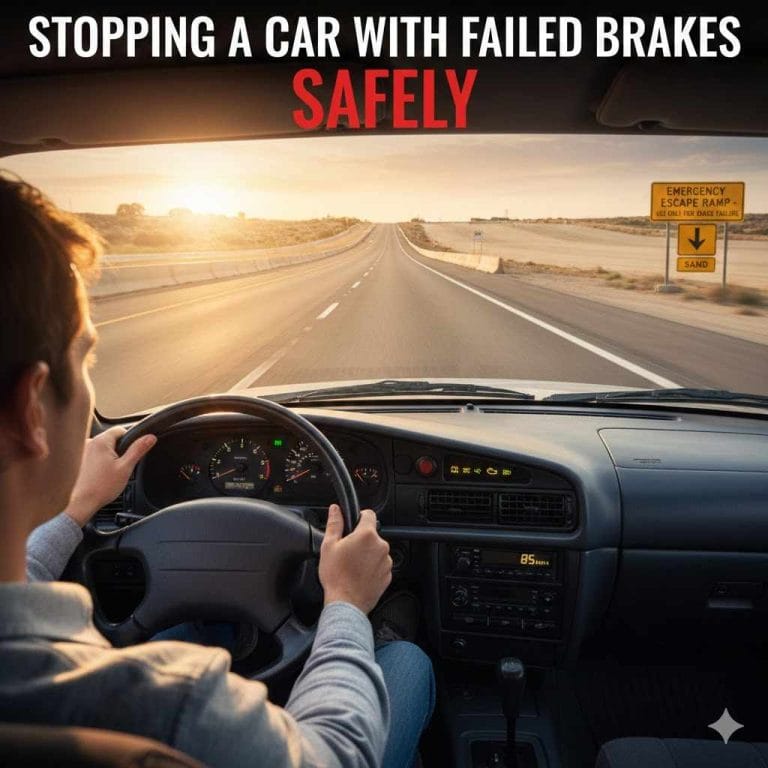
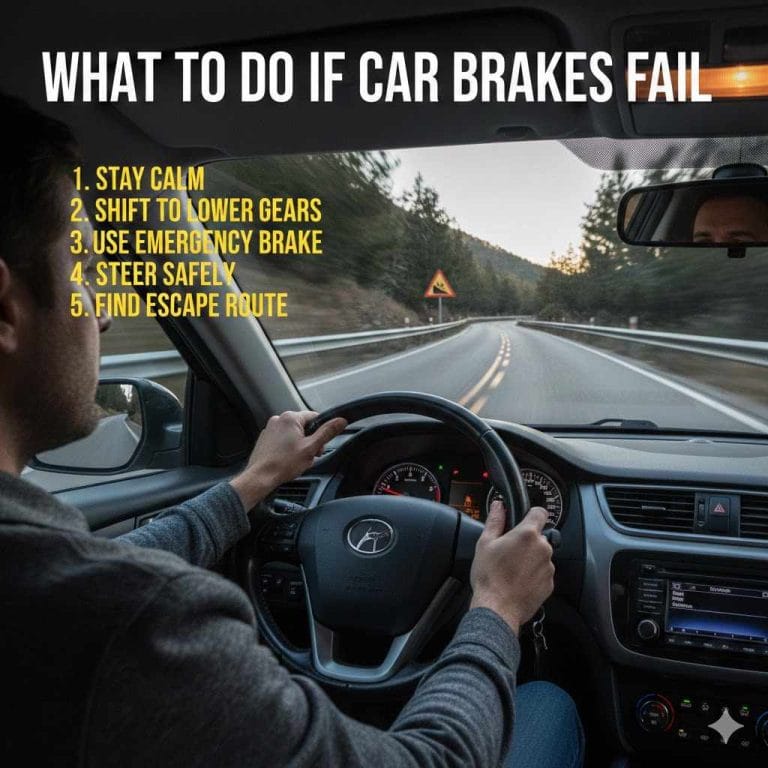
- Stay calm and keep hands firmly on the steering wheel. Panicking can lead to poor decisions.
- Attempt to pump the brake pedal (for non-ABS vehicles). This can sometimes restore enough pressure to slow the vehicle.
- Downshift to lower gears if driving a manual or semi-automatic. In automatics, select “L” or “2” to use engine braking.
- Use the emergency brake (parking brake) in controlled, gradual movements. Sudden application can lock the rear wheels and cause a skid.
- Steer towards a safe area and avoid obstacles. Use open lanes, shoulders, or escape ramps if available.
Alternative Stopping Methods
- Rubbing against guardrails or roadside vegetation can slow the vehicle if no other options are available.
- Use natural inclines, such as uphills or gravel runoffs, to help decelerate.
- Avoid turning off the engine while moving, as power steering and brakes may be lost, making control even more difficult.
Post-incident Actions
- Have vehicle towed to a repair shop. Do not attempt to drive, even if brakes seem to recover.
- Document the incident for insurance and legal purposes, including the sequence of events and any warning signs noticed.
- Report the failure to manufacturers and regulatory agencies if it was not due to neglect. This may help identify broader safety issues.
Real-world Example
In a 2020 incident, a driver lost hydraulic braking in a sedan on a busy highway. Using the emergency brake and downshifting, the driver managed to safely come to a stop in the breakdown lane, avoiding a major accident.
Another driver faced brake fade while descending a steep mountain pass. By shifting into a lower gear and using the emergency brake in pulses, they were able to reduce speed enough to safely pull over and allow the brakes to cool before proceeding.
Safety Tips
- Practice emergency procedures in a safe environment, such as an empty parking lot, to become familiar with your vehicle’s response.
- Ensure emergency brake is operational and regularly inspected, as it may be your last line of defense.
- Teach all drivers in your household or fleet the correct response to brake failure.
The Role Of Professional Inspections
Professional brake inspections are a cornerstone of preventive maintenance and safety assurance. Certified technicians can identify issues that may escape casual observation.
Inspection Protocols
- Use of specialized diagnostic tools to measure pad thickness and rotor condition, including micrometers, dial gauges, and thermal imaging.
- Testing for fluid leaks and hydraulic pressure using pressure gauges and electronic testers.
- Inspection of electronic sensors and ABS/EBD systems for fault codes and proper function.
- Road testing to assess pedal feel, stopping distance, and overall system response.
Benefits Of Professional Assessment
- Early detection of subtle or hidden issues, such as internal leaks or micro-cracks in lines.
- Compliance with state and federal safety regulations, reducing legal risk.
- Peace of mind for drivers and fleet managers, knowing that expert eyes have evaluated the most critical safety system in the vehicle.
- Access to recall information and technical service bulletins that may not be widely publicized.
Choosing A Qualified Service Provider
- Look for ASE-certified mechanics (Automotive Service Excellence) who have demonstrated proficiency in brake systems.
- Ensure shop uses OEM parts and follows manufacturer protocols for repair and replacement.
- Request a written inspection report detailing what was checked, what was found, and any recommendations for service.
Example: Commercial Fleet Maintenance
A logistics company in Texas reduced brake-related incidents by 43% after implementing quarterly professional inspections, illustrating the value of expert oversight.
In addition, a regional bus company integrated telematics and predictive maintenance software, further reducing unscheduled brake repairs and increasing fleet safety.
External Resource
For a comprehensive guide on professional brake inspections, visit AAA Auto Repair.
Frequently Asked Questions
How Can I Tell If My Brakes Are Failing?
Common signs include squealing or grinding noises, a spongy brake pedal, reduced stopping power, and the brake warning light. If you notice any of these symptoms, have your brakes inspected immediately. Additional signs can include vehicle pulling to one side, a burning smell after braking, or visible fluid leaks.
What Should I Do If My Brakes Fail While Driving?
Stay calm, attempt to pump the brake pedal, downshift to lower gears, and use the emergency brake gradually. Steer to safety and avoid sudden maneuvers. Once stopped, seek professional help and do not drive the vehicle.
How Often Should I Have My Brakes Inspected?
Experts recommend a brake inspection every 6 months or 6,000 miles. Additional checks should be performed before long trips, after driving in harsh conditions (such as heavy rain, snow, or mountain driving), or whenever you notice unusual sounds or sensations.
Are Advanced Brake Systems Less Likely To Fail?
Yes, systems like ABS, EBD, and AEB reduce failure risk through enhanced reliability and electronic monitoring. However, regular maintenance is still essential for optimal performance. Advanced systems can also alert you to issues sooner, but they are not immune to mechanical wear.
What Is The Most Common Cause Of Brake Failure?
Neglected maintenance is the leading cause, especially failure to replace pads, rotors, and brake fluid. Hydraulic leaks and worn components also contribute significantly.
Can Weather Affect My Brakes?
Absolutely. Cold weather can cause brake fluid to thicken, and road salt can lead to corrosion. In hot climates, brake fade is more likely if the system overheats during prolonged use.
Should I Replace Brake Parts Before They Are Fully Worn Out?
Yes, replacing pads, rotors, and fluid at or before the end of their service life prevents damage to other components and ensures consistent safety. Waiting until failure increases repair costs and risks.
References And Further Reading
For those seeking deeper insights, consult these authoritative sources:
- Wikipedia: Brake Failure
- NHTSA: ABS Technology
- IIHS: AEB Systems
- Consumer Reports: Brake Fluid Maintenance
- AAA Auto Repair: Brake Inspection
- CDC: Global Brake Safety
Proper brake care is vital for every vehicle owner. By understanding the frequency and causes of brake failure, recognizing warning signs, and following best maintenance practices, you can ensure the safety of yourself, your passengers, and others on the road.
Stay vigilant, invest in regular inspections, and embrace advances in brake technology to minimize risk and maximize reliability.
Products related to this article
Sponsored / affiliate links. As an Amazon Associate I earn from qualifying purchases. I may earn additional commission from eligible campaigns.