When to Check Car Engine Oil And How to Do It Right
Checking your car’s engine oil is one of the simplest yet most crucial maintenance habits you can develop as a vehicle owner. Neglecting this basic task can lead to reduced engine performance, increased fuel consumption, and even catastrophic engine failure.
Yet, despite the importance, a surprising number of drivers either don’t check their oil regularly or do it incorrectly, potentially risking thousands of dollars in repairs.
Whether you drive a daily commuter, a weekend sports car, or a rugged truck, understanding when to check your car engine oil and how to do it right is essential for prolonging engine life and maintaining peak efficiency. This comprehensive guide will walk you through the best timing, the correct procedure, expert recommendations, and common mistakes to avoid. By following the step-by-step strategies outlined here, you’ll be empowered to safeguard your vehicle’s most valuable component: its engine.
Key Takeaways
- Check engine oil every 1,000 to 3,000 miles or at least once a month, unless your vehicle manual specifies otherwise.
- Always check oil when the engine is cool and the car is on level ground for the most accurate reading.
- Use the correct type and grade of oil as recommended by your manufacturer to avoid damaging your engine.
- Recognize key warning signs, like low oil level, dirty oil, or oil warning lights, that signal immediate attention.
- Avoid common mistakes such as overfilling, using the wrong dipstick, or checking oil when the engine is hot.
- Consult a professional mechanic if you notice persistent oil issues or unusual engine noises.
Understanding Engine Oil: Purpose And Importance
Engine oil is often referred to as the lifeblood of your engine. Its primary role is to lubricate moving parts, minimizing friction and preventing wear. But its functions extend far beyond mere lubrication.
What Does Engine Oil Actually Do?
Engine oil performs several critical functions:
- Lubricates engine parts to reduce friction and wear.
- Cools components by carrying heat away from moving parts.
- Cleans by suspending dirt and debris, which are then trapped in the oil filter.
- Protects against rust and corrosion inside the engine.
- Seals gaps between piston rings and cylinder walls to maintain optimal compression.
How Oil Quality Affects Performance
The quality of engine oil directly impacts engine efficiency, longevity, and emissions. Using the wrong oil or allowing oil to degrade can lead to:
- Sludge buildup, restricting oil flow.
- Increased engine temperature due to poor heat dissipation.
- Accelerated component wear, leading to expensive repairs.
According to the American Automobile Association (AAA), regular oil checks and changes can help prevent up to 50% of all engine failures. The right oil at the right level is essential for your vehicle’s health.
Types Of Engine Oils: A Quick Comparison
Selecting the proper oil type is crucial. Here’s how the main categories compare:
| Type | Base | Best For | Change Interval* |
|---|---|---|---|
| Conventional | Mineral | Older vehicles | 3,000, 5,000 miles |
| Synthetic | Chemically engineered | Modern/high-performance cars | 7,500, 15,000 miles |
| Semi-synthetic | Blend of both | Light trucks/SUVs | 5,000, 7,500 miles |
| High-mileage | Mineral or synthetic with additives | Vehicles >75,000 miles | Varies by type |
*Always refer to your owner’s manual for specific recommendations.
Why Regular Oil Checks Matter
Even with modern oil-life monitoring systems, nothing replaces the reliability of a manual check. Sensors can fail, and oil can degrade faster under harsh conditions. Regular checks can help you spot:
- Leaking gaskets or seals
- Dilution from fuel or coolant
- Unexpected oil consumption
Pro Tip: Don’t wait for warning lights, make manual oil checks a habit.
Credit: xtreme-automotive.com
When Should You Check Your Car’s Engine Oil?
Knowing how often to check your oil is as important as knowing how. Frequency can depend on driving habits, vehicle age, and manufacturer recommendations.
Manufacturer Recommendations
Most automakers advise checking engine oil at least once a month and before long road trips. However, modern cars with electronic oil monitors may allow for less frequent checks. Always consult your vehicle’s owner’s manual for specifics.
Factors Affecting Oil Check Frequency
Certain conditions may require more frequent checks:
- High-mileage engines: Older engines typically consume or leak more oil.
- Extreme driving conditions: Frequent short trips, towing, or driving in extreme temperatures can degrade oil more rapidly.
- Turbocharged or performance vehicles: These engines often stress oil more.
| Condition | Recommended Check Frequency |
|---|---|
| Normal driving | Monthly |
| Frequent short trips | Every 2 weeks |
| Extreme heat/cold | Bi-weekly |
| Towing/carrying heavy loads | Bi-weekly |
| Older vehicles (>10 years) | Every 2 weeks |
Best Time Of Day To Check Oil
For the most accurate reading, check your oil:
- When the engine is cool (ideally, after sitting for at least 10 minutes).
- With the vehicle parked on level ground to avoid skewed dipstick readings.
Checking immediately after driving can give false low readings due to oil still circulating.
Real-world Example: Oil Check Timing Gone Wrong
A friend of mine once checked his oil right after a long highway drive and, seeing the level low, added a full quart. Later, a mechanic discovered the engine was overfilled, causing leaks and frothing. Lesson: Always let your car sit before checking!
Signs It’s Time To Check Your Oil Immediately
Don’t wait for a scheduled check if you notice:
- Oil pressure warning light on the dashboard
- Burning oil smell
- Unusual engine noises (tapping, knocking)
- Visible oil leaks under the vehicle
Immediate attention can prevent serious engine damage.
Credit: howtuteo.com
Step-by-step Guide: How To Check Engine Oil Correctly
Checking your engine oil is straightforward, but attention to detail ensures accuracy and safety.
What You Need
- Clean, lint-free rag or paper towel
- Gloves (optional, but recommended)
- Owner’s manual (for dipstick location and oil specs)
Step 1: Prepare The Vehicle
- Park on a level surface and turn off the engine.
- Wait at least 10 minutes for oil to settle in the oil pan.
Step 2: Locate The Dipstick
- Most vehicles have a brightly colored handle (often yellow or orange) labeled “OIL”.
- Consult your owner’s manual if you’re unsure.
Step 3: Remove And Clean The Dipstick
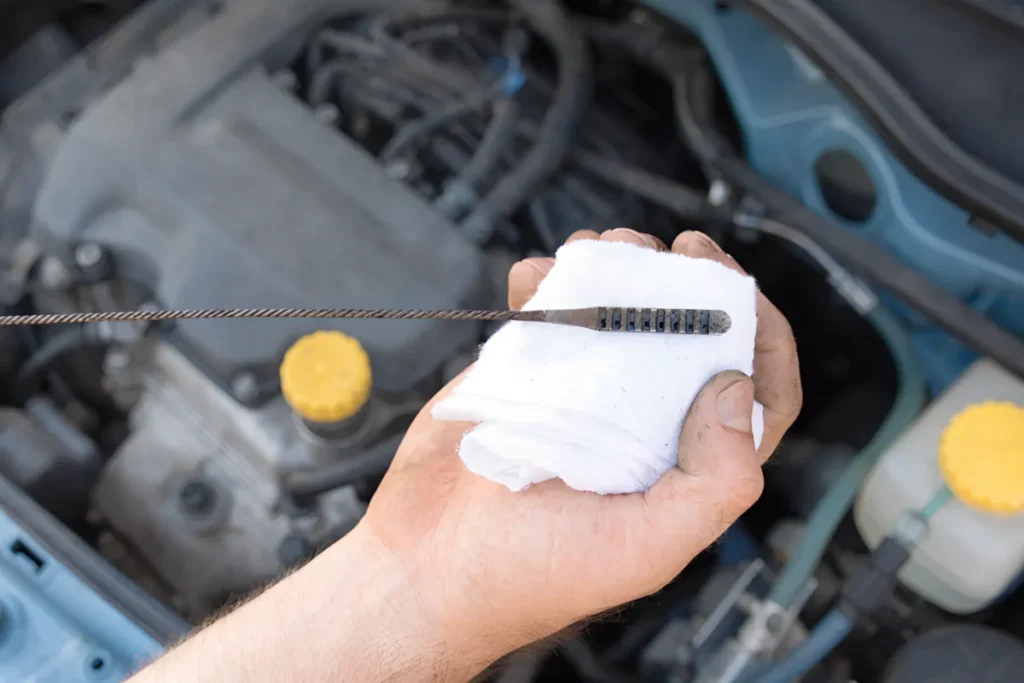
- Pull the dipstick out completely.
- Wipe it clean with your rag to remove all old oil.
Step 4: Reinsert And Remove The Dipstick
- Insert the dipstick fully back into its tube.
- Remove it again and hold horizontally.
Step 5: Read The Oil Level
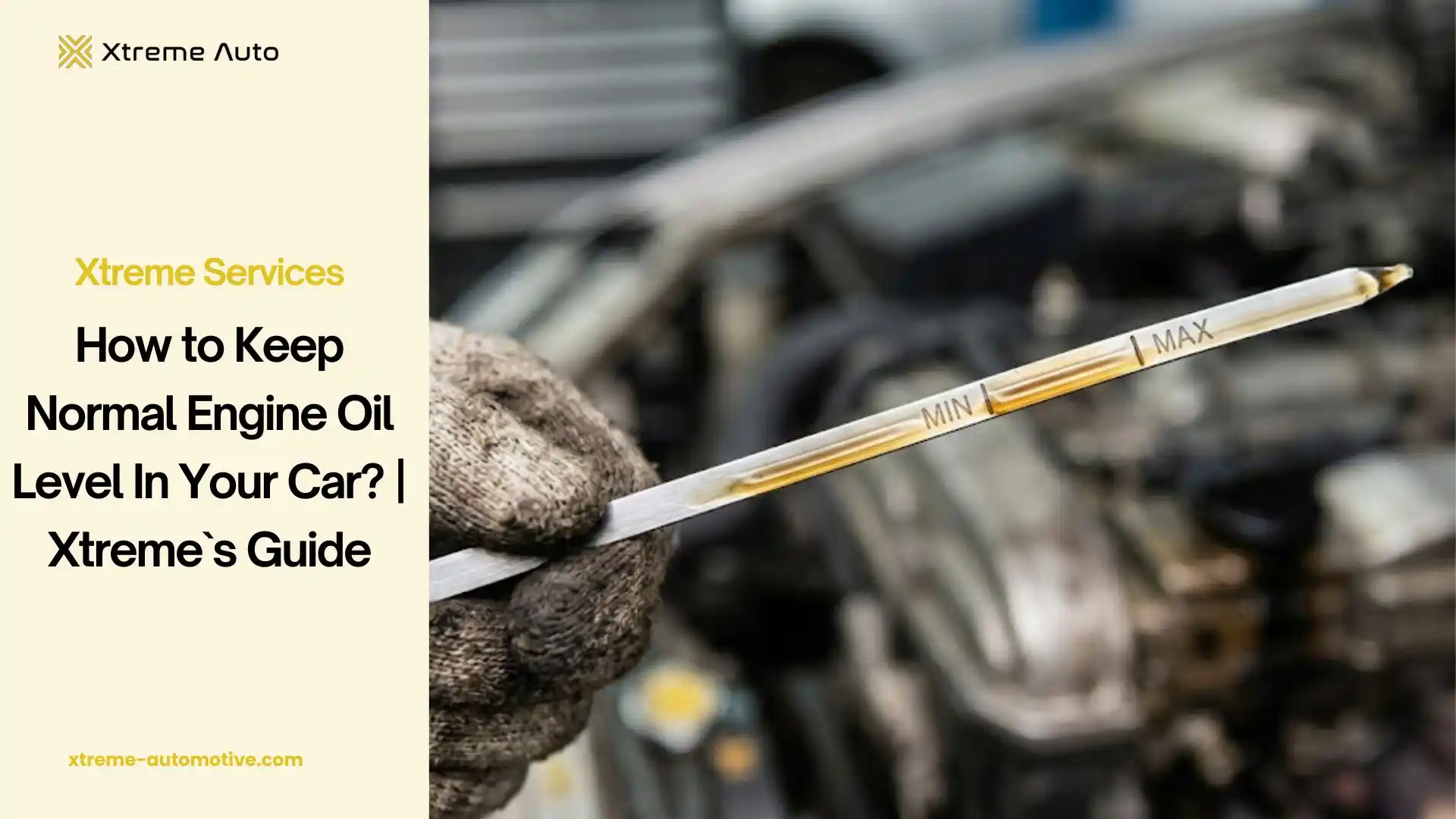
- Look for two marks on the dipstick: MIN (minimum) and MAX (maximum).
- The oil should be between these lines, ideally closer to MAX.
Pro Tip: If the oil is barely visible on the dipstick, add oil immediately to prevent engine damage.
Step 6: Check Oil Condition
- Color: Fresh oil is amber. Dark, gritty oil indicates it’s time for a change.
- Consistency: Oil should be smooth, not thick or sludgy.
- Smell: If it smells burnt, schedule a service.
Step 7: Reinsert Dipstick And Dispose Of Rag
- Replace the dipstick securely.
- Dispose of or wash your rag.
Example: Common Mistake To Avoid
When testing this procedure with a new car owner, the dipstick must be wiped before reinserting to avoid error. This led to an inaccurate reading, as residual oil from the tube skewed the result. Always wipe first!

Credit: www.youtube.com
What To Do If The Oil Level Is Low Or High
Both low and high oil levels can cause significant engine issues. Here’s how to address each scenario:
Adding Oil: Step-by-step
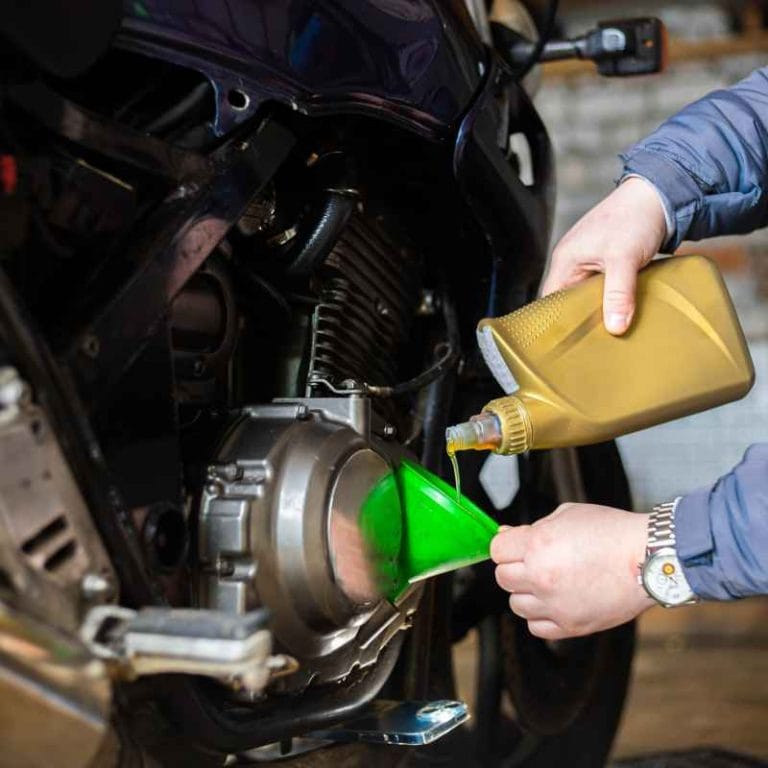
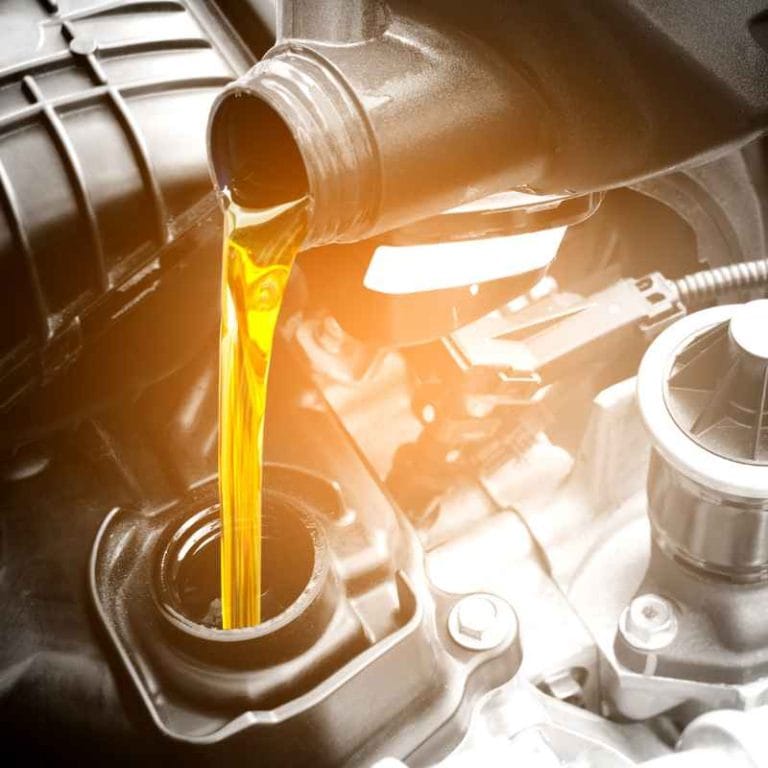
- Buy the correct oil type and grade as specified in your manual.
- Remove the oil filler cap (not the dipstick).
- Add oil slowly, pouring in small increments (about a quarter quart at a time).
- Wait a minute, then recheck the level with the dipstick.
- Repeat as needed, but never exceed the MAX mark.
Warning: Overfilling can cause foaming, leaks, or even engine damage.
Dealing With Overfilled Oil
If you accidentally overfill:
- Do not drive the car.
- Use an oil extractor pump or consult a mechanic to remove excess oil.
- Check for leaks or smoke; these may indicate overfilling consequences.
Choosing The Right Oil
Refer to your vehicle’s oil cap, manual, or manufacturer’s website for:
- Viscosity (e.g., 5W-30, 0W-20)
- Oil type (conventional, synthetic, blend)
- API service rating
Using the wrong oil can impact performance and void warranties.
Example: High-mileage Car With Oil Loss
A 15-year-old sedan in the garage consistently needs a top-off between changes. After tracking usage and consulting a mechanic, a minor gasket leak is often identified. Regular checks helped avoid running dangerously low and prevented engine damage.
When To Seek Professional Help
If you notice:
- Persistent low oil despite topping up
- Milky or frothy oil (could indicate coolant leak)
- Metal particles in oil (sign of internal wear)
- Odd engine sounds after adding oil
Schedule a professional inspection immediately.
Advanced Tips: Maximizing Engine Life With Proper Oil Checks
Beyond the basics, following advanced tips can further protect your engine.
Use Of Oil Quality Monitors
Many modern cars have oil life monitoring systems. While helpful, these should not replace manual checks, especially if you drive in severe conditions.
Monitoring Oil Between Changes
Regular checks can reveal:
- Increased consumption (potential leaks or burning)
- Contaminants (fuel, coolant, metal shavings)
- Sudden drops in level (may signal serious issues)
Pro Tip: Keep a log of oil checks and top-offs to spot trends.
Seasonal Considerations
- In winter: Cold weather thickens oil; ensure the correct viscosity for your climate.
- In summer: High heat can thin oil and accelerate degradation.
Consult the Society of Automotive Engineers (SAE) viscosity chart for guidance on oil grades for different temperatures. See the Motor Oil Wikipedia page for more.
Using High-quality Filters
A quality oil filter traps debris and extends oil life. Replace the filter with every oil change.
Pro Tip: Preventative Maintenance
Pair regular oil checks with timely oil changes, filter replacements, and inspections for leaks or worn gaskets. This holistic approach maximizes engine longevity.
Common Mistakes And How To Avoid Them
Even experienced drivers make errors when checking engine oil. Avoid these pitfalls:
Checking Oil With Engine Running
Always shut off the engine and let it cool before checking. Hot, circulating oil will not give an accurate reading.
Overfilling Or Underfilling
- Overfilling causes increased pressure, leaks, and foaming.
- Underfilling leads to poor lubrication and overheating.
Using The Wrong Dipstick
Some cars have separate dipsticks for transmission and engine oil. Always confirm you’re checking the correct one.
Ignoring Oil Appearance
Don’t just check the level, inspect color and consistency. Sludgy or milky oil points to serious problems.
Forgetting To Record Checks
Failing to note oil checks and top-ups can cause you to overlook consumption patterns or leaks.
Pro Tip: Set A Reminder
Use a smartphone app or calendar reminder to stay on schedule with checks and oil changes.
Case Studies: Real-world Oil Check Scenarios
Learning from real experiences can reinforce the importance of proper oil checks.
Case Study 1: The Cost Of Neglect
A colleague once ignored monthly oil checks for a year. Eventually, the oil ran dangerously low, causing the engine to seize. The repair bill exceeded $4,000, far more than the cost of a few bottles of oil and regular checks.
Case Study 2: Catching A Slow Leak
Another driver noticed a slow drop in oil level over several months. Thanks to consistent checks, she caught a minor valve cover gasket leak before it worsened. Repairing the gasket early cost under $200, saving her from a major engine overhaul.
Case Study 3: Synthetic Oil Benefits
A ride-share driver switched to synthetic oil after consulting his manual. The longer interval between changes and improved engine cleanliness led to fewer maintenance issues and a slight boost in fuel economy, demonstrating the value of using the right oil.
Data Table: Potential Costs From Skipping Oil Checks
| Neglected Maintenance | Potential Issue | Average Repair Cost (USD) |
|---|---|---|
| Infrequent oil checks | Engine seizure | $3,000, $7,000 |
| Ignoring oil leaks | Gasket replacement | $150, $600 |
| Wrong oil type | Poor engine performance | $500, $2,000 |
| Overfilling | Seal damage, leaks | $200, $1,000 |
Pro Tip: Preventing major repairs often comes down to a $5 oil check.
Frequently Asked Questions
How Do I Know If My Car Uses Synthetic Or Conventional Oil?
Check your owner’s manual or the oil cap on your engine. Most modern vehicles specify the required oil type. If you’re unsure, ask a certified mechanic or refer to your manufacturer’s website. Many newer cars require synthetic oil for better protection and longer intervals.
Can I Check My Oil Right After Driving?
It’s best to wait at least 10 minutes after shutting off your engine before checking the oil. This allows the oil to drain back into the oil pan and ensures a more accurate reading. Checking too soon can result in a falsely low level.
What Should I Do If My Oil Looks Milky Or Foamy?
Milky or foamy oil often indicates coolant contamination, which may be caused by a blown head gasket or cracked engine block. This is a serious issue, do not drive the vehicle. Have it towed to a professional mechanic for immediate diagnosis and repair.
How Much Oil Should I Add If It’s Low?
Add oil in small increments, typically a quarter quart at a time, and recheck the level with the dipstick. Overfilling can damage your engine. Always use the type and grade specified for your vehicle, and never exceed the MAX mark.
Are Oil Additives Necessary For Regular Maintenance?
For most modern vehicles using quality oil and filters, additives are unnecessary. Some high-mileage oils contain detergents and conditioners for older engines, but always consult your manual or a trusted mechanic before using aftermarket additives. For more on oil additives, see this Consumer Reports article.
Proper engine oil checks are a small investment of time that pays huge dividends in vehicle reliability and longevity. By following the guidelines and expert tips detailed above, you’ll gain confidence in your car’s health, save on costly repairs, and enjoy smoother, safer driving year after year.
Products related to this article
Sponsored / affiliate links. As an Amazon Associate I earn from qualifying purchases. I may earn additional commission from eligible campaigns.