How to Fix Car Interior Lights That Won’t Turn Off
When the lights inside your car refuse to turn off, it’s more than a minor nuisance, it’s an issue that can lead to a dead battery, cause distractions while driving at night, and signal deeper electrical problems. For many drivers, it’s a problem that seems to appear out of nowhere, often leaving them searching for answers in the middle of a busy week or late at night in a parking lot. Understanding why your car interior lights won’t turn off and learning how to fix it can save you significant time, money, and frustration.
Whether you drive a modern vehicle loaded with electronics or a reliable older model, the causes behind persistent interior lights can range from simple user error to complex wiring faults. This guide brings together expert insights, real-world case studies, and practical troubleshooting steps, ensuring that car owners and enthusiasts alike can confidently address this widespread issue.
From basic switch checks to advanced electrical diagnostics, you’ll find everything you need to restore peace (and darkness) to your car’s cabin.
Key Takeaways
- Interior lights that won’t turn off can drain your battery and may indicate electrical faults.
- Common causes include door switch malfunctions, dimmer switch issues, and wiring problems.
- Systematic troubleshooting helps identify and resolve the issue efficiently.
- Both DIY fixes and professional repairs may be necessary depending on the cause.
- Regular maintenance and prompt attention to electrical quirks can prevent future problems.
- Always consult your vehicle’s manual and consider professional help for complex electrical repairs.
Understanding Car Interior Lighting Systems
Car interior lighting systems serve both functional and aesthetic purposes, illuminating cabin areas for visibility and safety. To fix persistent interior lights, it’s essential to know how these systems work and what components are involved.
Types Of Interior Lights
Most vehicles feature several types of interior lights, including:
- Dome lights: Central cabin lights that usually activate when doors open or through a switch.
- Map/reading lights: Located near the driver and passenger seats, providing focused illumination.
- Courtesy lights: Found on doors or footwells, activating when doors open.
- Ambient lighting: Decorative or accent lighting in modern cars.
Key Components And Controls
Car interior lights are typically controlled by:
- Door jamb switches: Detect if a door is open or closed, triggering the lights accordingly.
- Manual switches: Allow the driver/passenger to turn lights on or off.
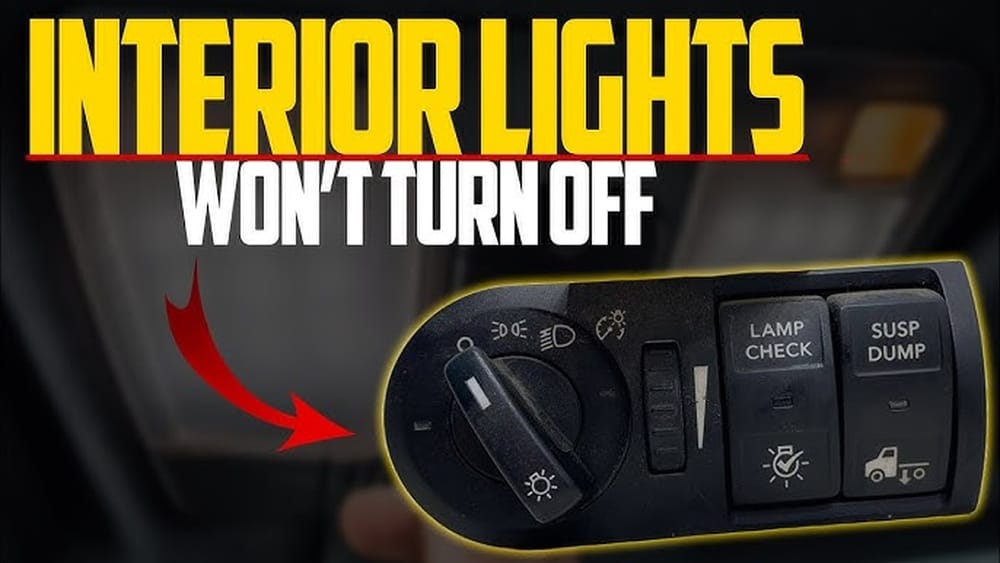
- Dimmer switch: Adjusts brightness or turns off the lights entirely.
- Body control module (BCM): In newer vehicles, a computerized module manages lighting functions.
How Interior Lighting Circuits Operate
When you open a door, the door switch completes a circuit, sending power to the interior lights. Closing the door breaks the circuit, turning the lights off. Some vehicles use a delay feature (the lights fade out after a few seconds), managed by the BCM. If any component fails or gets stuck, the lights may remain on regardless of the switch position.
A faulty driver’s door switch on a 2012 Honda Accord can cause the dome light to stay on, even when all doors are closed. Replacing the switch immediately resolved the issue.

Credit: www.youtube.com
Common Causes Of Stuck Interior Lights
Pinpointing the root cause is the first step in resolving persistent interior lights. Here’s a breakdown of the most frequent culprits.
Door Jamb Switch Malfunctions
Door switches are small, spring-loaded buttons or sensors located in the door frame. If they become stuck, corroded, or fail, the car may think a door is always open.
- Symptoms: Interior lights stay on; door ajar warning on dashboard.
- Fixes: Inspect and replace faulty switches.
Faulty Manual Or Dimmer Switch Settings
Manual and dimmer switches allow users to control the lights. Accidentally leaving a switch in the “on” position or a dimmer dial at maximum can keep lights illuminated.
- Symptoms: Lights turn off when switch is adjusted.
- Fixes: Reset switches to “door” or “off” position.
Wiring And Electrical Issues
A short circuit, frayed wiring, or defective relay can send constant power to the lights, regardless of switch position.
- Symptoms: Lights flicker, stay on, or behave erratically.
- Fixes: Inspect wiring, fuses, and relays for damage.
Body Control Module (bcm) Failures
The BCM controls various electrical systems, including interior lighting. A software glitch or hardware failure can cause lights to remain on.
- Symptoms: Multiple electrical anomalies, including stuck lights.
- Fixes: Reset or reprogram BCM; replace if necessary.
Other Possible Causes
- Broken door latches: If a latch doesn’t close properly, the car may detect an open door.
- Aftermarket alarm systems: Poorly installed systems can interfere with factory lighting circuits.

Credit: www.youtube.com
Step-by-step Troubleshooting Guide
A methodical approach can help you quickly identify and solve the problem with your car interior lights.
Step 1: Inspect All Door Switches
Open and close each door while observing the interior lights. If the lights dim or flicker, the issue may be with a specific switch.
Pro Tip: Gently press each door switch by hand to see if the lights respond. If one switch feels loose or doesn’t “click,” it may need replacement.
Step 2: Check Manual And Dimmer Switches
Review your vehicle’s manual to locate all interior lighting controls. Cycle through each position, especially the dimmer dial.
- If lights turn off: The switch was likely left on.
- If not: Proceed to wiring checks.
Step 3: Test The Dome Override Function
Some vehicles feature a dome override button. Make sure it’s not activated, as this can override automatic light shutoff.
Step 4: Examine Wiring, Fuses, And Relays
Locate the interior lighting fuse and relay in your car’s fuse box. Inspect for blown fuses or burnt relays.
- Replace any blown fuses with the correct amperage.
- Inspect wiring for visible damage, especially near doors or under carpets.
Step 5: Evaluate The Body Control Module
If the above steps don’t resolve the issue, the BCM may be faulty. Disconnect the battery for a few minutes to “reset” the module. If the lights remain on, professional diagnostic tools may be needed.
Example: A 2015 Chevrolet Malibu owner found that after a battery replacement, the interior lights stayed on. A BCM reset performed at the dealership resolved the fault.
Step 6: Seek Professional Help
If you’re unable to resolve the issue, a certified mechanic or dealership can perform advanced diagnostics, especially for wiring or module failures.

Credit: www.youtube.com
Real-world Examples And Case Studies
Learning from actual scenarios can help car owners relate to and resolve their own issues.
Case Study: Stuck Door Switch In A Toyota Corolla
A 2010 Toyota Corolla owner noticed the dome light wouldn’t turn off, draining the battery overnight. Inspection revealed a corroded driver’s door switch. Replacing the $15 switch restored normal operation.
Case Study: Dimmer Switch Confusion In A Ford F-150
After a road trip, the owner of a 2017 Ford F-150 found the interior lights stayed on. The cause was an accidentally rotated dimmer dial set to “on. ” Resetting the dial to “door” immediately fixed the issue.
Case Study: Bcm Failure In A Chrysler Minivan
A 2014 Chrysler Town & Country experienced stuck interior lights and other electrical issues. Diagnostics revealed a failing BCM, which was replaced at a dealership. All symptoms resolved after the repair.
Case Study: Aftermarket Alarm System Interference
A 2008 Nissan Altima with a recently installed alarm had persistent interior lighting. The alarm’s wiring was tapping into the dome light circuit, causing the issue. Rewiring the alarm system fixed the problem.
Diy Fixes And When To Call A Professional
Not all lighting issues require a trip to the mechanic. Here’s how to decide if you can tackle the fix yourself or need expert help.
Simple Do-it-yourself Fixes
- Adjust switches: Double-check all manual and dimmer switch positions.
- Inspect door switches: Clean or replace accessible switches.
- Replace fuses: Swap out blown fuses using your owner’s manual as a guide.
Tools required: Screwdriver, multimeter, replacement fuses, and sometimes trim removal tools.
On a 2006 Honda Civic with stuck lights, cleaning dirt from the passenger door switch often restores normal function, a 5-minute fix.
When To Seek Professional Help
- Electrical diagnosis needed: If you suspect wiring or BCM problems.
- Complex removal: If switches are hidden behind trim panels or require airbag removal.
- Persistent issues: If the problem returns after attempted DIY fixes.
Warning: Working with vehicle electronics can be hazardous if you’re unfamiliar with proper procedures. Always disconnect the battery before electrical work and consult a professional for complex repairs.
Typical Repair Costs
Repair costs can vary significantly depending on the cause:
| Issue | DIY Cost | Professional Repair Cost | Typical Time Required |
|---|---|---|---|
| Replace Door Switch | $10, $30 | $60, $120 | 30, 60 min |
| Replace Fuse/Relay | $5, $20 | $50, $100 | 10, 30 min |
| BCM Reset/Replacement | N/A | $150, $600+ | 1, 3 hrs |
| Wiring Repair | $10, $50 | $100, $300 | 1, 2 hrs |
Preventing Future Interior Light Issues
Taking proactive steps can help you avoid recurring problems with your car’s interior lights.
Routine Electrical Checks
- Test all interior lights and switches monthly.
- Check for flickering or delayed shut-off, which may indicate emerging issues.
Keep Switches And Contacts Clean
Dirt and moisture can cause corrosion or poor contact. Clean switches and door jamb areas regularly, especially in regions with snow, salt, or high humidity.
Address Minor Issues Promptly
If you notice any electrical quirks, such as intermittent lights or warning indicators, address them before they become bigger problems.
Ensure Proper Installation Of Aftermarket Devices
If adding alarm systems, remote starters, or custom lighting, make sure installation is performed by a qualified technician. Improper wiring can cause numerous electrical faults.
Use The Right Replacement Parts
Always use OEM or high-quality aftermarket parts to ensure compatibility and reliability. Consult your vehicle’s manual for correct part numbers.
Battery Maintenance
A healthy battery helps your electrical system function correctly. Test your battery annually and replace it as needed to prevent voltage-related lighting issues.
Example: According to the American Automobile Association (AAA), battery failure is a leading cause of roadside breakdowns, often exacerbated by electrical drains like stuck interior lights.
Comparing Interior Lighting Systems: Modern Vs. Older Cars
Understanding the differences between modern and older car electrical systems can inform troubleshooting and repair strategies.
| Feature | Older Cars (Pre-2000) | Modern Cars (2000+) |
|---|---|---|
| Lighting Control | Manual switches, simple wiring | BCM/computerized control, advanced sensors |
| Common Faults | Mechanical switch wear, corrosion | Software glitches, BCM failures |
| DIY Repair Difficulty | Generally easy | Often requires diagnostics/tools |
| Integration with Other Systems | Limited | High (alarms, remote start, etc.) |
Pro Tip: If your car is less than 10 years old, investing in an OBD-II diagnostic tool can help identify body electronics faults that affect interior lights.
Essential Tools And Resources For Diy Troubleshooting
Having the right tools and information makes fixing stuck car interior lights much easier.
Basic Tool Kit
- Multimeter: For testing voltage and continuity.
- Screwdrivers: To remove panels and access switches.
- Trim removal tools: Prevent damage to interior panels.
- Replacement fuses and bulbs: For quick swaps.
Diagnostic Equipment
- OBD-II scanner: For newer vehicles, reads BCM and lighting system codes.
- Test light: Simple device to check for power at switches and bulbs.
Information Resources
- Owner’s manual: Always reference for switch locations, fuses, and wiring diagrams.
- Online forums and guides: Communities like Reddit MechanicAdvice can offer model-specific tips.
- YouTube tutorials: Visual guidance for common fixes.
Sourcing Quality Parts
Purchase parts from reputable suppliers. OEM parts, while sometimes pricier, ensure compatibility and longevity.
| Part | OEM Source | Aftermarket Source |
|---|---|---|
| Door Switch | Dealership, OEM parts website | AutoZone, Advance Auto Parts |
| Fuses/Relays | Dealership, OEM parts website | O’Reilly Auto Parts, NAPA |
| BCM | Dealership | eBay (use caution), specialized suppliers |
Warning: Always match part numbers and specifications, using incorrect parts can create further electrical issues.
Frequently Asked Questions
What Happens If I Drive With My Car’s Interior Lights Stuck On?
Driving with interior lights stuck on can drain your battery, especially if you leave the car parked for extended periods. It can also reduce night visibility inside the cabin, potentially causing distractions. Some states have laws regulating interior lighting at night, so check your local traffic codes.
Can A Stuck Interior Light Cause Other Electrical Problems?
Yes, a persistent electrical draw from stuck interior lights can stress your vehicle’s battery and alternator, and may even trigger warning lights on the dashboard. Over time, excessive current draw might damage wiring or relays, leading to more extensive repairs.
How Do I Temporarily Turn Off Stuck Interior Lights?
If you can’t immediately fix the problem, you can remove the interior light bulb or the corresponding fuse to prevent battery drain. Reference your owner’s manual for bulb and fuse locations. Remember that removing the fuse may also disable other systems, such as radio memory or power windows, depending on the vehicle’s wiring.
Are There Any Recalls Related To Interior Lights Staying On?
Some vehicles have had manufacturer recalls due to interior lighting issues, often related to faulty switches or wiring. Check the National Highway Traffic Safety Administration (NHTSA) database or your automaker’s website for recall information specific to your make and model.
Will Disconnecting The Battery Reset My Car’s Interior Lights?
Disconnecting the battery can reset the body control module (BCM) in some vehicles, which might resolve software-related lighting glitches. However, if the problem is due to a physical switch or wiring fault, the issue will persist after reconnecting the battery.
Resolving persistent interior lights is a common yet crucial maintenance task for any car owner. By understanding how your vehicle’s lighting system works, identifying common causes, and methodically troubleshooting the issue, you can often restore normal function without professional intervention.
For more complex electrical faults, seeking expert assistance ensures your car remains safe and reliable. Stay proactive with maintenance, address quirks as they arise, and your car’s cabin will remain a place of comfort, not frustration, on every journey.
Products related to this article
Sponsored / affiliate links. As an Amazon Associate I earn from qualifying purchases. I may earn additional commission from eligible campaigns.