What Does It Mean When the Temperature Light Is Blue?
A blue temperature light usually means the engine coolant is still cold, so keep engine speed moderate and avoid hard throttle until the light goes out; if it stays on after normal warm-up or appears with poor heater output, low coolant, or erratic gauge readings, check the cooling system. Ignoring a real fault can leave you with poor fuel economy, weak cabin heat, or engine damage. This guide explains normal cold-start behavior and the few cases that point to a cooling-system problem.
Blue temperature light basics


On many vehicles, a blue temperature light is a cold-engine indicator, not an overheating warning. It often appears shortly after startup and usually turns off once the engine reaches normal operating temperature. Some instrument clusters use a blue coolant-temperature symbol; others use a similar icon for a different system, so the owner’s manual matters. For vehicle-specific meaning, follow the manual and the automaker’s warning-light guidance, such as Toyota’s owner resources and Subaru’s indicator descriptions for coolant-temperature symbols.
The color tells you a lot. Blue generally means low coolant temperature, while red points to excessive coolant temperature. That sounds simple, but dash symbols are manufacturer-specific. A blue lamp on one vehicle can mean “engine cold,” while another vehicle may use a similar-looking warning for a different subsystem. OEM owner manuals and service information commonly separate a blue coolant indicator from a red overheat warning, so the wording in your manual is the tie-breaker.
What the blue color usually means
A blue coolant light usually means the engine has not reached normal operating temperature yet. That is common after a cold start. The car may idle a little higher, the transmission may shift differently for a short time, and the heater may blow cool air until the coolant warms up.
That behavior is normal if the light clears after a reasonable warm-up period and no other warning signs appear. A blue lamp by itself is usually not an emergency.
Why it appears after startup
The engine coolant temperature sensor sends temperature data to the dash cluster or ECU. When coolant temperature is below the vehicle’s normal range, the cluster can display a blue warning or indicator. The light is there to tell you the engine is still warming up.
In cold weather, the light may stay on longer than on a mild day. Short trips can also make it seem like the car is always “cold,” because the engine may never stay running long enough to reach full operating temperature.
When it should go out
In normal use, the blue light should go out once the engine reaches operating temperature. That can happen fairly quickly in warm weather and more slowly in freezing weather, especially if the car is only idling or driven gently. If the light never goes off, that is a different diagnosis.
A common first-timer mistake is assuming a blue light means “safe forever.” It usually means “keep load light for now,” not “ignore it if it keeps returning.”
When is a blue temperature light normal?
A blue temperature light is normal during a cold start, especially if the vehicle has sat overnight or the outside temperature is low. It should be brief, and it should disappear as the coolant warms. If the light goes out and the heater starts producing normal heat, the system is probably behaving as intended.
Cold-start behavior
Right after startup, the engine and coolant are cold. That is the normal time for a blue indicator to appear. The car may need a few minutes of driving before the dash shows normal temperature. Gentle acceleration helps the engine warm more evenly than prolonged idling.
Suppose the outside temperature is 20°F and the blue light stays on for the first 5 minutes of a short commute, then turns off once you reach a steady road speed. That is consistent with normal cold-start behavior.
Short trips and cold weather
Short errands make cold-engine warnings more noticeable because the engine may not reach full temperature before the trip ends. In very cold weather, the warm-up period can be longer than drivers expect. That is still normal if the light goes off and the cabin heat starts working properly.
If the light is blue only on cold mornings and never appears after the car has already been driven, that pattern usually fits normal warm-up logic.
What normal warm-up looks like
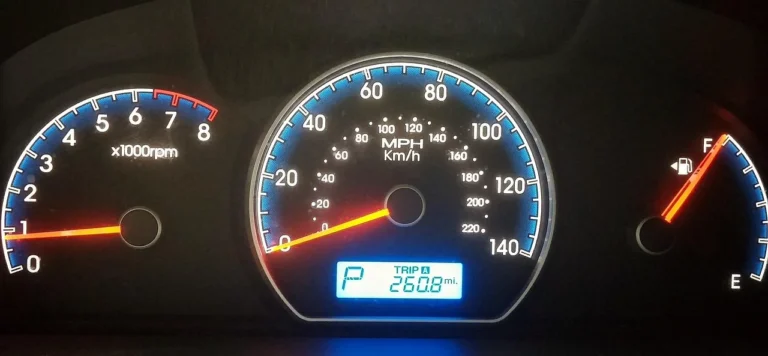
Normal warm-up usually looks like this: the blue light appears after startup, cabin heat begins to improve, the temperature gauge moves toward its normal range, and the light turns off. No steam. No red warning. No major loss of power.
If the gauge never moves, or the heater stays weak after the engine should be warm, the blue lamp may be pointing to a fault rather than normal behavior.
Temperature light decision table
Use the table below to sort common blue-light patterns into normal behavior, a likely fault, or an urgent warning. This is a make/model-neutral guide. Your owner’s manual still has the final word on the exact icon and color meaning.
| Blue light behavior | Likely meaning | Risk level | Next step |
|---|---|---|---|
| Cold start only, then it turns off | Normal engine warm-up | Low | Keep engine speed moderate until the light goes out |
| Light stays on too long | Engine may be running cold; thermostat or sensor issue possible | Moderate | Check for other symptoms and scan for codes if it repeats |
| Heater stays cold | Coolant may not be circulating or reaching full temperature | Moderate | Check coolant level when safe and cold; inspect thermostat concerns |
| Light turns red | Overheating or high coolant temperature | High | Pull over safely and shut the engine off if needed |
| A/T temp warning also appears | Automatic transmission fluid temperature issue, separate from engine coolant | Moderate to high | Reduce load and inspect the transmission cooling system or manual guidance |
What to check first
- Confirm the light is blue, not red or another warning color.
- Check whether it appears only during cold starts.
- Note whether cabin heat becomes normal after a few minutes.
- Look for low coolant only when the engine is cold and safe to inspect.
- Watch for repeated blue-light warnings on short trips or in mild weather.
Cold start only
If the light appears only right after startup and then goes out, treat it as normal. The car is telling you the engine is still warming. That is expected on many vehicles, especially in cold weather.
Light stays on too long
A blue light that stays on longer than the usual warm-up period can point to a stuck-open thermostat, low coolant, or a faulty engine coolant temperature sensor. That is when the warning becomes worth investigating.
Heater stays cold
Weak cabin heat matters. If the heater never gets hot even after a reasonable drive, the engine may not be reaching normal temperature or coolant may not be circulating properly. That can happen with a thermostat stuck open, low coolant, or air in the system after a coolant loss.
Light turns red
A red temperature warning light usually means overheating or high coolant temperature. That is a different condition from a blue light. Red requires immediate action, especially if you also see steam, smell coolant, lose heat from the vents, or feel the engine lose power. AAA and major automakers consistently advise pulling over safely and stopping the engine when an overheating warning appears.
A/T temp warning also appears
An A/T temp light refers to automatic transmission fluid temperature on some vehicles. It is separate from engine coolant temperature. The wording and icon can confuse drivers because it may appear near the engine temperature warning, but it is not the same system.
When should you worry about a blue temperature light?
You should worry when the blue light stops behaving like a brief cold-start indicator. If it stays on after the engine should be warm, returns repeatedly on short drives, or shows up with weak cabin heat, low coolant, or a gauge that never reaches normal, the cooling system needs attention.
Possible thermostat issue
A thermostat stuck open keeps coolant circulating through the radiator too soon, which can prevent the engine from warming properly. That can leave the blue light on longer than normal and make the heater feel weak. A thermostat stuck closed causes the opposite problem: overheating.
Picture a sedan that leaves the driveway in winter, runs for 15 minutes, and still blows lukewarm air while the blue temperature lamp remains lit. That pattern points more toward a thermostat that is not closing than toward a normal cold start.
Low coolant warning signs
Low coolant can distort temperature readings and can also precede overheating. Check the reservoir only when the engine is safe and cold. If the level is low, do not assume the blue lamp is harmless. Find out why coolant is missing.
Coolant loss can come from a leak, a failed cap, a hose problem, or another fault. A low reservoir and a lingering blue light deserve the same basic response: inspect before the problem gets worse. Owner manuals from automakers such as Ford and Honda also warn that low coolant or repeated overheat warnings should be investigated rather than ignored.
Sensor or cluster fault signs
The engine coolant temperature sensor can fail or send inaccurate data. The instrument cluster can also misread or misreport the signal. If the light behaves erratically, comes on and off with no clear pattern, or conflicts with the gauge, a sensor or cluster fault is possible.
That is when a scan tool matters. If the car stores a code related to coolant temperature, the light may be warning of a real fault even though the engine still feels “normal.”
Erratic gauge readings
When the warning light and the gauge do not agree, treat it as a diagnostic clue rather than proof that one side is wrong. A cooling-system diagnosis should consider sensor data, coolant level, thermostat behavior, and whether the heater output changes with engine speed. Random needle movement or sudden swings often point to signal or wiring issues.
Blue light vs red temperature light
Blue and red are not interchangeable. Blue usually means the engine is cold. Red means the engine is too hot. Blue is a warm-up cue. Red is an urgent warning that can mean overheating, boiling coolant, or serious engine stress.
What red means
A red temperature light signals overheating or high coolant temperature. It may appear with steam from under the hood, reduced power, or a cabin heater that suddenly goes cold because the cooling system is losing coolant. That is not a “keep driving” message.
Why red is urgent
Overheating can damage the engine quickly. If the red light appears, safely pull over, shut the engine down if needed, and let it cool before checking anything. Do not open a hot cooling system cap. NHTSA and major automakers’ service resources advise stopping and cooling the vehicle before attempting any inspection.
What to do if red appears
- Pull over safely.
- Turn off the engine if the temperature is rising or steam is visible.
- Wait for the engine to cool before checking coolant level.
- Look for leaks, steam, or a loose hose only when safe.
- Arrange service if the car overheats again after cooling down.
Other parts that affect the reading
Several parts can shape what the temperature light shows. The sensor sends data. The thermostat controls warm-up. Coolant level affects what the system can measure and how well it cools. The radiator fan helps at idle and low speed. The instrument cluster decides how the warning appears.
Engine coolant temperature sensor
The sensor feeds temperature information to the ECU or dash cluster. If it fails, the dash can show the wrong lamp behavior, the gauge may read oddly, or the warning may stay on longer than it should. A sensor fault does not always mean the engine itself is overheating.
Thermostat
A stuck-open thermostat can keep the engine too cool for too long. A stuck-closed thermostat can block coolant flow and cause overheating. Either fault affects warm-up time and heater output, which is why cabin heat is a useful clue.
Coolant level
Coolant level should be checked only when the engine is cold and safe to inspect. Low coolant can trigger misleading temperature behavior and can also create real overheating risk. A missing gallon of coolant does not fix itself.
Radiator fan
The radiator fan helps control coolant temperature at idle and low speed. Fan failure usually shows up as overheating in traffic or at idle, not as a blue light by itself. So if the only symptom is a blue lamp on startup, the fan is not the first suspect.
Instrument cluster
Light behavior varies by make and model. The icon, the color, and the wording can all differ. Some cars use a simple thermometer symbol, while others use a message instead of a lamp. Check the manual for your exact cluster behavior.
That manual check matters more than people expect. Some vehicles use a blue coolant-temperature indicator. Others use a similar-looking symbol for a different system, including A/T temperature warnings. The same color does not guarantee the same meaning.
A/T temp light means automatic transmission fluid temperature on some vehicles. It is separate from engine coolant temperature. If that lamp comes on, do not assume the engine cooling system is the issue, even if the icon looks close to the coolant warning.
Frequently asked questions
What does it mean when the temperature light is blue?
A blue temperature light usually means the engine coolant is cold and the engine has not yet reached normal operating temperature. It is common after startup and should go out once the engine warms. If it stays on after a normal drive, check for low coolant, thermostat trouble, or a sensor fault.
What does it mean when the blue temperature light comes on?
When the blue temperature light comes on, the car is usually telling you to warm the engine before driving hard. That is normal on many vehicles after a cold start. If the light appears at odd times, stays on too long, or comes with weak cabin heat, inspect the cooling system.
What does blue temp light mean?
Blue temp light usually means a cold engine on vehicles that use blue for coolant temperature. It is not the same as a red overheating warning. If the owner’s manual gives a different meaning for your cluster, follow that description, because icons and colors are not universal across makes and models.
What does the red temperature light mean?
The red temperature light means overheating or high coolant temperature. Treat it as urgent. If steam appears, the engine loses power, or the heater suddenly stops blowing hot air, pull over safely and shut the engine off if needed. Do not keep driving a hot engine.
What does A/T temp light mean?
A/T temp light means automatic transmission fluid temperature on some vehicles. It is separate from engine coolant temperature and can appear on its own. If you see it, reduce load and check the vehicle’s manual for the correct response, since transmission overheating calls for different checks than a blue coolant lamp.
Is it safe to drive when the temperature light is blue?
Usually yes, if the light is blue only, appears after a cold start, and goes out as the engine warms. Keep throttle input light. Do not treat it like a warning to ignore forever. If it stays on too long or comes with low coolant, weak heat, or red warning lights, stop and investigate.
Why is my temperature light blue when the engine is cold?
Because the car is using blue to show that the coolant temperature is still low. That is normal cold-start behavior on many vehicles. The light should go out after the engine warms. If it does not, or if the heater stays cold, the system may not be reaching normal operating temperature.
Products related to this article
Sponsored / affiliate links. As an Amazon Associate I earn from qualifying purchases. I may earn additional commission from eligible campaigns.