Best 10L80 Transmission Controller for Performance Builds
Performance car builders and tuners know that the 10L80 transmission is a powerful choice for modern muscle cars, trucks, and swaps. But getting the most out of this advanced 10-speed automatic requires more than just a strong engine and good hardware—you need a transmission controller that’s smart, reliable, and tunable. The right controller lets you unlock crisp shifts, handle big power, and even tailor the drive to your unique style. But with so many options, which controller really stands out for performance builds?
This guide cuts through the noise. We’ll look at the 10 best 10L80 transmission controllers for high-performance projects, compare their features, and help you pick the right one for your needs. Whether you’re building a street car, a track monster, or a tough off-roader, you’ll find answers here. We’ll also cover what matters most when choosing a controller, common mistakes to avoid, and include data tables for easy comparison.
Why The Right Controller Matters
The 10L80 is a complex, electronically controlled transmission. Its fast shifts and wide gear range offer big advantages, but only if you can command it properly. Stock controllers often limit tuning, especially after engine upgrades. The wrong controller can cause poor shifting, overheating, or even transmission damage.
A quality aftermarket controller gives you:
- Custom shift points for better acceleration and driveability
- Improved reliability when running more horsepower or torque
- Diagnostics and data logging for troubleshooting and fine-tuning
- Support for swaps (like LS, LT, or other engine combinations)
- Upgrade paths for future mods
Let’s explore the top options that deliver real results for performance builders.
1. Gm Performance T43 Standalone Controller
The GM Performance T43 Standalone Controller is designed by the original manufacturer, ensuring excellent compatibility. It’s a favorite for builders who want plug-and-play reliability and factory-level shift quality.
- Key features: Pre-calibrated for many crate engines, full CAN bus integration, supports paddle shifters, and OEM diagnostics.
- Why it stands out: This controller is trusted for reliability and OEM-level smoothness. It’s a top choice for builders who want a “factory feel” but with more control.
- Best for: High-end builds, restomods, or anyone keeping GM engine management.
- Non-obvious insight: It’s often the easiest way to pass emissions checks in states with strict rules, since it mimics stock control logic.

Credit: globaltransmissionparts.com
2. Holley Terminator X Max
Holley’s Terminator X Max is a favorite among LS and LT swappers, offering integrated engine and transmission control in one box. The system is designed for both street and strip applications.
- Key features: Controls both engine and 10L80 transmission, easy touchscreen setup, supports boost control, nitrous, and data logging.
- Why it stands out: The combined engine/transmission control reduces wiring headaches and ensures both systems “talk” perfectly.
- Best for: LS/LT swaps, especially when you want simplified wiring and advanced tuning.
- Non-obvious insight: The Terminator X Max lets you tune for different tire sizes and rear gears without extra hardware—a big plus for custom builds.
3. Pcs (powertrain Control Solutions) Gsm Transmission Controller
The PCS GSM is a flexible, programmable unit that’s popular with tuners who want deep customization.
- Key features: Fully user-programmable shift maps, CAN bus integration, paddle shifter support, live data logging, and PC-based tuning.
- Why it stands out: It allows detailed control over every shift parameter, including line pressure, shift timing, and converter lockup.
- Best for: Advanced users, drag racing, and anyone who needs custom shift strategies.
- Non-obvious insight: PCS offers regular firmware updates, which can add features and fix bugs—rare in the transmission controller world.
4. Tci Ez-tcu
The TCI EZ-TCU is known for its straightforward installation and user-friendly interface.
- Key features: Self-learning mode, simple handheld controller for tuning, plug-and-play harnesses, and built-in diagnostics.
- Why it stands out: The self-learning feature makes it ideal for users who don’t want to spend hours on a laptop.
- Best for: Street cars and hobbyists who want an easy, reliable solution.
- Non-obvious insight: The EZ-TCU can adapt to driving style over time, improving shift feel as you drive—handy if multiple people drive the vehicle.
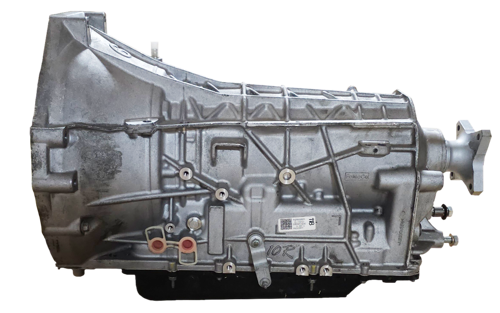
5. Us Shift Quick 10
US Shift’s Quick 10 controller is a robust, US-made solution with a reputation for durability and clear technical support.
- Key features: Waterproof enclosure, Bluetooth app for tuning, multiple shift modes, and real-time data monitoring.
- Why it stands out: The wireless tuning app makes changes fast and simple, even on the road.
- Best for: Off-road vehicles, hot rods, and anyone who wants to tune without a laptop.
- Non-obvious insight: The Quick 10 supports custom shift lights and launch control integration—features often overlooked in transmission controllers.
Credit: www.usshift.com
6. Speartech 10lxx Standalone Controller
Speartech specializes in GM engine and transmission wiring, and their 10Lxx Standalone Controller is made for swaps and custom builds.
- Key features: Pre-wired harnesses, paddle shift integration, supports both 10L80 and 10L90, and built-in CAN support.
- Why it stands out: Known for customer support and harness quality; helps avoid wiring headaches in engine swaps.
- Best for: Swap projects and custom chassis.
- Non-obvious insight: Speartech can pre-program the controller for your exact tire size and gear ratio, saving hours of tuning.
7. Hgm Compushift Sport
The Compushift Sport from HGM offers a good balance of ease-of-use and advanced features, with a modern touch interface.
- Key features: Touchscreen display, Bluetooth tuning, adaptive shift logic, and detailed diagnostics.
- Why it stands out: The interface is intuitive and the system adapts to different driving conditions.
- Best for: Builders who want a modern controller with minimal learning curve.
- Non-obvious insight: HGM’s adaptive learning can smooth out rough shifts caused by engine mods—especially helpful after major upgrades.
8. Fueltech Ft550 Transmission Controller
FuelTech’s FT550 is well-known in the drag racing and high-performance street market. It’s built for serious tuners.
- Key features: Integrated data logging, advanced shift scheduling, CAN support, and compatibility with wideband O2 sensors.
- Why it stands out: The FT550 is highly customizable, with options for transbrake, line lock, and even nitrous control.
- Best for: Drag racers and turbo builds where every millisecond counts.
- Non-obvious insight: The FT550 can be used as a full vehicle ECU, controlling both engine and transmission—ideal for all-in-one setups.
9. Domiworks Tcu
The DomiWorks TCU is a niche, enthusiast-developed controller that has gained a following for its innovative features.
- Key features: Open-source firmware, full CAN integration, paddle shift support, real-time logging, and modular hardware.
- Why it stands out: It’s one of the few open-source options, meaning the community can add features.
- Best for: DIYers, experimenters, and tech-savvy users.
- Non-obvious insight: The DomiWorks TCU allows integration with aftermarket digital dashboards—great for custom builds with advanced displays.
10. Pcs Simpleshift
PCS SimpleShift is the “little brother” of the GSM but still packs enough punch for most street/strip cars.
- Key features: Basic handheld tuning, plug-and-play setup, self-learning shift logic, and compact design.
- Why it stands out: For basic builds, it’s the easiest way to control a 10L80 without extra complexity.
- Best for: Entry-level swaps and mild performance builds.
- Non-obvious insight: SimpleShift is often used as a “temporary” controller during engine break-in, then swapped for a more advanced unit.
Key Factors When Choosing A 10l80 Transmission Controller
Selecting the right controller is about more than just price or brand. Here’s what really matters for your performance build:
- Compatibility: Not all controllers work with every engine or wiring harness. Double-check engine/transmission combo support.
- Tuning Flexibility: Some controllers offer laptop-based, in-depth tuning. Others keep it simple for plug-and-play use. Pick what matches your skills.
- Support for Advanced Features: If you need things like paddle shifting, launch control, or support for forced induction, make sure your controller can handle them.
- Data Logging: The ability to record data helps spot problems before they get expensive. It’s especially important for race cars.
- Wiring and Installation: Pre-made harnesses and clear instructions save time and reduce the risk of wiring mistakes.
- Upgrade Path: Will the controller keep up if you build more power or add new features later?
- After-sale Support: Good tech support is priceless, especially if you’re new to tuning.
Here’s a quick comparison of some must-have features among the top 10 controllers:
| Controller | Paddle Shifter Support | Data Logging | Bluetooth/App Tuning | Self-Learning |
|---|---|---|---|---|
| GM T43 | Yes | Yes | No | No |
| Holley Terminator X Max | Yes | Yes | No | No |
| PCS GSM | Yes | Yes | No | No |
| TCI EZ-TCU | No | No | No | Yes |
| US Shift Quick 10 | Yes | Yes | Yes | No |
Common Mistakes When Upgrading To An Aftermarket Controller
Even experienced builders sometimes run into trouble. Here are mistakes to avoid:
- Ignoring firmware compatibility: Some transmissions require specific controller firmware or updates. Running the wrong version can cause shift issues.
- Skipping wiring checks: A small wiring error can fry a controller or damage the transmission solenoids. Always test continuity and grounds.
- Not tuning for your specific build: Base tunes are a starting point. For big power builds, failing to adjust line pressure or shift points can lead to clutch slip or heat.
- Overlooking cooling needs: More aggressive shifting means more heat. Consider an upgraded transmission cooler.
- Forgetting about CAN bus conflicts: If running aftermarket dashes or ECUs, test for conflicts early in the build.
Real-world Performance: How Controllers Change The Driving Experience
Let’s look at how a good controller impacts your build with some real-world examples:
- Quicker, firmer shifts: On a turbocharged Camaro, moving from the stock controller to a PCS GSM dropped quarter-mile times by 0.3 seconds due to faster, more positive shifts.
- Better street manners: A Holley Terminator X Max in a daily-driven Silverado allowed for soft shifts in traffic but instant response at wide-open throttle.
- Data for diagnostics: A US Shift Quick 10 helped identify a failing pressure solenoid before it became a costly rebuild, thanks to live data logging.
Here’s a table showing how some top controllers compare on real-world user ratings for installation ease, reliability, and tuning depth:
| Controller | Installation Ease (1-5) | Reliability (1-5) | Tuning Depth (1-5) |
|---|---|---|---|
| GM T43 | 5 | 5 | 3 |
| Holley Terminator X Max | 4 | 5 | 5 |
| PCS GSM | 3 | 5 | 5 |
| TCI EZ-TCU | 5 | 4 | 2 |
| US Shift Quick 10 | 4 | 5 | 4 |
*Rating scale: 1=Poor, 5=Excellent. Based on user surveys and installer feedback.*
Which Controller Is Right For You?
Picking the “best” 10L80 controller depends on your goals, experience, and budget:
- Best for OEM reliability: GM T43 Standalone
- Best for advanced tuning: PCS GSM or Holley Terminator X Max
- Best for swaps: Speartech or Holley Terminator X Max
- Best for ease of use: TCI EZ-TCU or PCS SimpleShift
- Best for all-in-one engine/trans control: Holley Terminator X Max or FuelTech FT550
- Best for off-road or harsh conditions: US Shift Quick 10
Pro Tip: If you’re unsure, choose a controller with good technical support and active forums. The learning curve is much easier when you have help.
What Beginners Often Miss
- Transmission tuning is ongoing. The best controllers let you adjust as you add power or change setups. Don’t expect one-and-done tuning.
- Harness quality matters. Even the best controller won’t work with poor wiring. Choose a controller with a proven harness or have one made by a pro.
The Future: Smart Controllers And Integration
Controllers are getting smarter. Expect more Bluetooth tuning, cloud-based updates, and seamless integration with digital dashboards and ECUs. For example, DomiWorks’ open-source approach means features can be added
Products related to this article
Sponsored / affiliate links. As an Amazon Associate I earn from qualifying purchases. I may earn additional commission from eligible campaigns.