What Happens When You Turn on the Car Light 2? (Real Effects Explained)
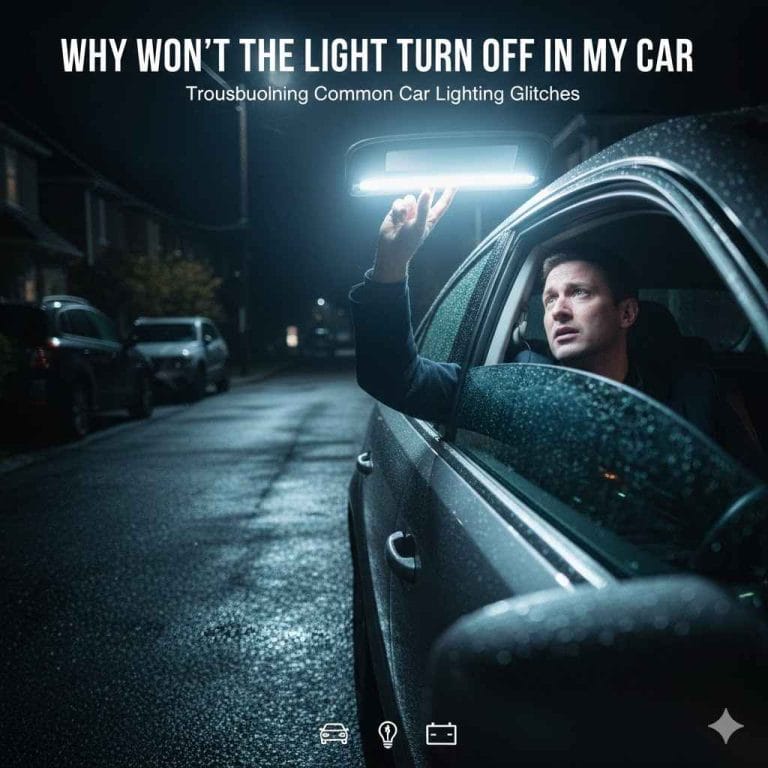
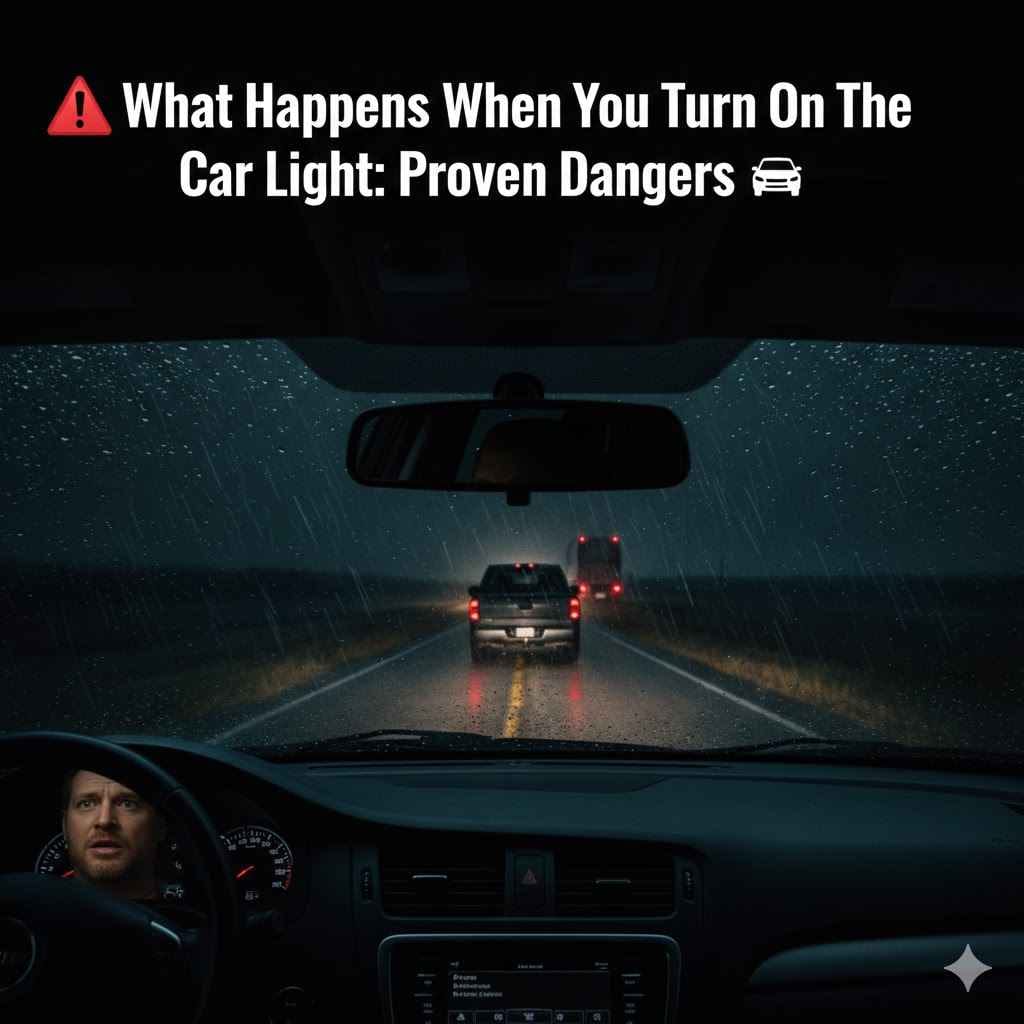
Turning on your car’s interior dome light while driving at night is dangerous because it severely reduces your night vision, creates distracting glare on the windows, and can get you pulled over for distracted driving. The bright light causes your pupils to shrink, making it nearly impossible to see dark roads, pedestrians, or other hazards clearly.
Have you ever been driving at night when a passenger flips on the overhead light to find a lost phone or snack? Or maybe you did it yourself, trying to read a map for a split second. It feels harmless, right? It’s just a little light. However, that small, innocent light creates big problems for your safety on the road. Many drivers believe it’s illegal, but the real issue is not about the law—it’s about how your eyes work.
This simple guide will walk you through exactly what happens when you turn on that light. We will explore the proven dangers, explain the science in easy terms, and give you safe alternatives. You will learn why keeping the cabin dark is one of the smartest things you can do to stay safe on the road. Let’s shed some light on this common driving myth.
The Science of Sight: Why a Dark Cabin is a Safe Cabin
To understand the danger, we first need to understand how our amazing eyes work in the dark. It’s not magic; it’s a biological process that a bright light can instantly ruin. When you drive at night, your eyes are in a special “dark mode,” and flipping on the dome light is like hitting a reset button you can’t afford to press.
Your Eyes on Dark Adaptation
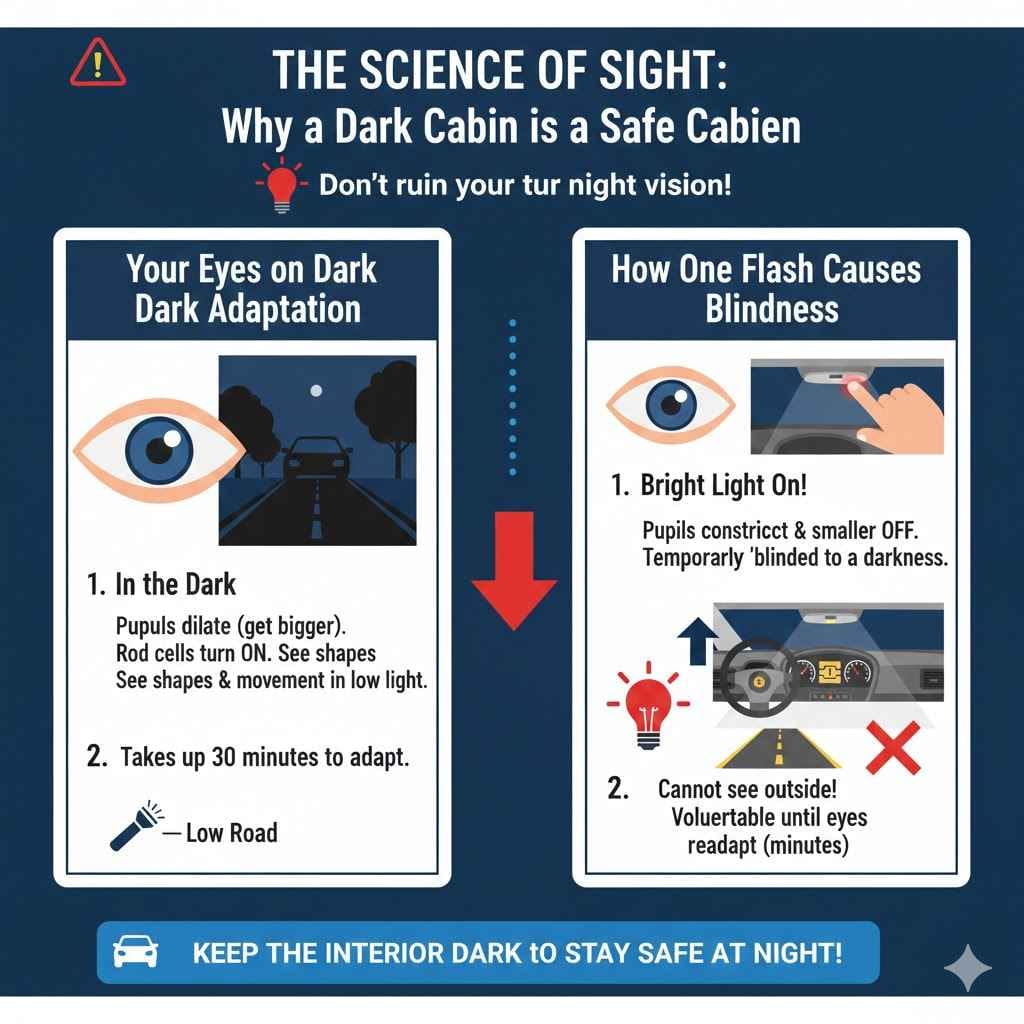
When you are in a low-light environment, like a dark road at night, your pupils (the black dots in the center of your eyes) grow larger. They do this to let in as much light as possible, helping you see things that are not well-lit. This process is called dark adaptation. It’s a slow adjustment that allows special cells in your eyes, called rod cells, to take over. These rod cells are fantastic at detecting shapes and movement in the dark, but they are very sensitive to bright light.
It can take your eyes up to 30 minutes to fully adapt to darkness. This is why you might struggle to see for a few moments after walking out of a bright house into a dark backyard. While driving, your eyes are constantly working to stay adapted to the dim light of the road ahead, illuminated only by your headlights and streetlights.
How One Flash of Light Causes Blindness
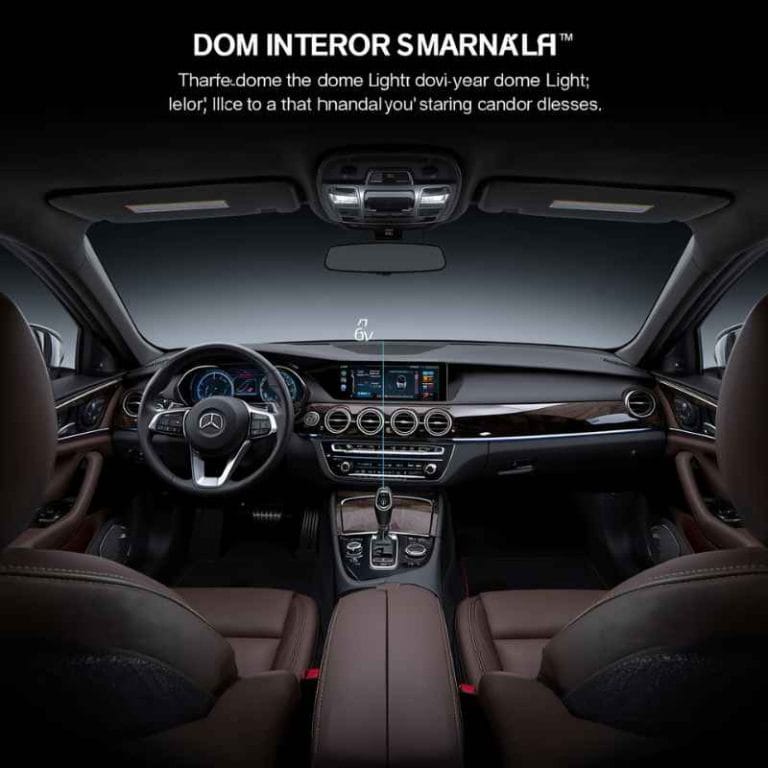
When you or a passenger suddenly turns on the bright interior dome light, it floods your eyes with light. Your brain immediately thinks it’s daytime. In response, your pupils shrink instantly to protect your eyes from the brightness. The sensitive rod cells are overwhelmed and temporarily “shut off.”
The problem is that you are still trying to see the dark road outside. With your pupils now tiny and your rod cells out of commission, your ability to see into the darkness is gone. It can feel like you’ve been temporarily blinded to everything beyond your windshield. Even after turning the light off, it takes several minutes for your eyes to readapt, leaving you vulnerable during that critical time.
The Top 3 Dangers of Using Your Dome Light on the Road
Beyond the science of vision, using your interior light while driving introduces practical and immediate dangers. These risks are not just theoretical; they contribute to accidents every day. Let’s break down the most significant threats.
1. Severely Impaired Night Vision
As we covered, the biggest danger is losing your night vision. The sharp contrast between the brightly lit interior of your car and the dark world outside makes it incredibly difficult for your brain to process what you’re seeing. Your focus is drawn inward, away from the road.
Think about it this way: your windshield essentially becomes a one-way mirror. From the outside, other drivers can see you clearly, but from your seat, looking out into the darkness becomes a challenge. Hazards that you would normally spot with ease can become invisible.
| Hazard | Visibility with Light OFF (Good Night Vision) | Visibility with Light ON (Poor Night Vision) |
|---|---|---|
| Pedestrian in dark clothing | Can be seen from a distance, allowing time to react. | May not be visible until they are dangerously close. |
| Deer or animal on the roadside | Eyeshine and movement are easily detectable. | Completely blends into the darkness. |
| Pothole or road debris | You can spot the shadow or shape in your headlights. | Appears suddenly, leaving no time to avoid it. |
| Upcoming curve in the road | Headlights illuminate the direction of the road ahead. | Glare on the windshield can obscure the road’s path. |
2. A Recipe for Distracted Driving
The light itself is a distraction, but the reason you turned it on is often an even bigger one. Nobody turns on the dome light just for fun. You are usually looking for something you dropped, trying to read directions, adjusting the radio, or attending to a child or passenger in the back seat. All of these are classic examples of distracted driving.
According to the National Highway Traffic Safety Administration (NHTSA), distracted driving is any activity that diverts attention from driving. Taking your eyes off the road for even two seconds doubles your risk of a crash. The tasks that require an interior light often involve:
- Visual Distraction: Taking your eyes off the road.
- Manual Distraction: Taking your hands off the wheel.
- Cognitive Distraction: Taking your mind off of driving.
Searching for a fallen wallet or calming a crying baby are tasks that demand your full attention. Attempting to do them while your vehicle is in motion is a serious gamble.
3. Dangerous Glare and Reflections
When your car’s interior is lit up, your windows—especially the windshield and rear window—turn into mirrors. The light from the dome lamp bounces off the glass and reflects right back into your eyes. This creates a debilitating glare that can hide a car in your blind spot or a pedestrian crossing the street.
This effect is especially bad in rain or fog. The water droplets on the glass catch the interior light and scatter it, creating a blurry, starburst effect that can make it almost impossible to see out. You are essentially creating your own personal fog bank inside the car, blocking your view of the real conditions outside.
Is It Illegal to Drive with Your Interior Light On?
This is one of the most common questions drivers have, and the answer is a bit complicated: maybe. In most states and countries, there is no specific law that says, “You cannot drive with your interior dome light on.” However, you can still get a ticket for it.
How is that possible? While the act itself might not be illegal, the consequences of it are. Law enforcement officers can pull you over and issue a citation for other, broader violations that are caused by the interior light.
The Law vs. Officer Discretion
A police officer can determine that your interior light is causing a dangerous situation. For example, if they see your car swerving while the interior light is on, they can pull you over for distracted or careless driving. The light serves as clear evidence that you were not fully focused on the road.
The key is that the light interferes with your ability to operate your vehicle safely. If an officer can articulate that your light was creating a glare, obscuring your vision, or was part of a distracting activity, you could face a fine. It’s better to be safe and avoid the risk altogether.
| Potential Violation | Why Your Interior Light Could Be a Factor | What It Means for You |
|---|---|---|
| Distracted Driving | The light indicates you are doing something other than driving. | Fines, points on your license, and increased insurance rates. |
| Careless or Reckless Driving | Your driving is erratic because your vision is impaired. | A more serious offense with potentially larger fines and penalties. |
| Obstruction of View | The glare on your windshield is preventing a clear view of the road. | A citation for operating a vehicle in an unsafe manner. |
A Crucial Lesson for New Drivers
If you are a parent teaching a teenager to drive, or a new driver yourself, making “cabin dark” a non-negotiable rule is one of the most important habits you can build. New drivers are already dealing with a steep learning curve. Their brains are working overtime to manage speed, steering, signals, and awareness of other vehicles. Night driving adds another layer of complexity.
Adding an interior light to this already challenging situation is a recipe for disaster. A new driver’s reaction time is slower, and their ability to anticipate hazards is still developing. Losing their night vision for even a few seconds can be the difference between a safe trip and a tragic accident.
Make it a “Day One” rule: once the car is in drive, the overhead lights go off and stay off until you are safely parked. Explain the “why” behind the rule—talk about night vision, distractions, and glare. This knowledge empowers them to not only follow the rule but also to explain it to their friends when they start driving with passengers.
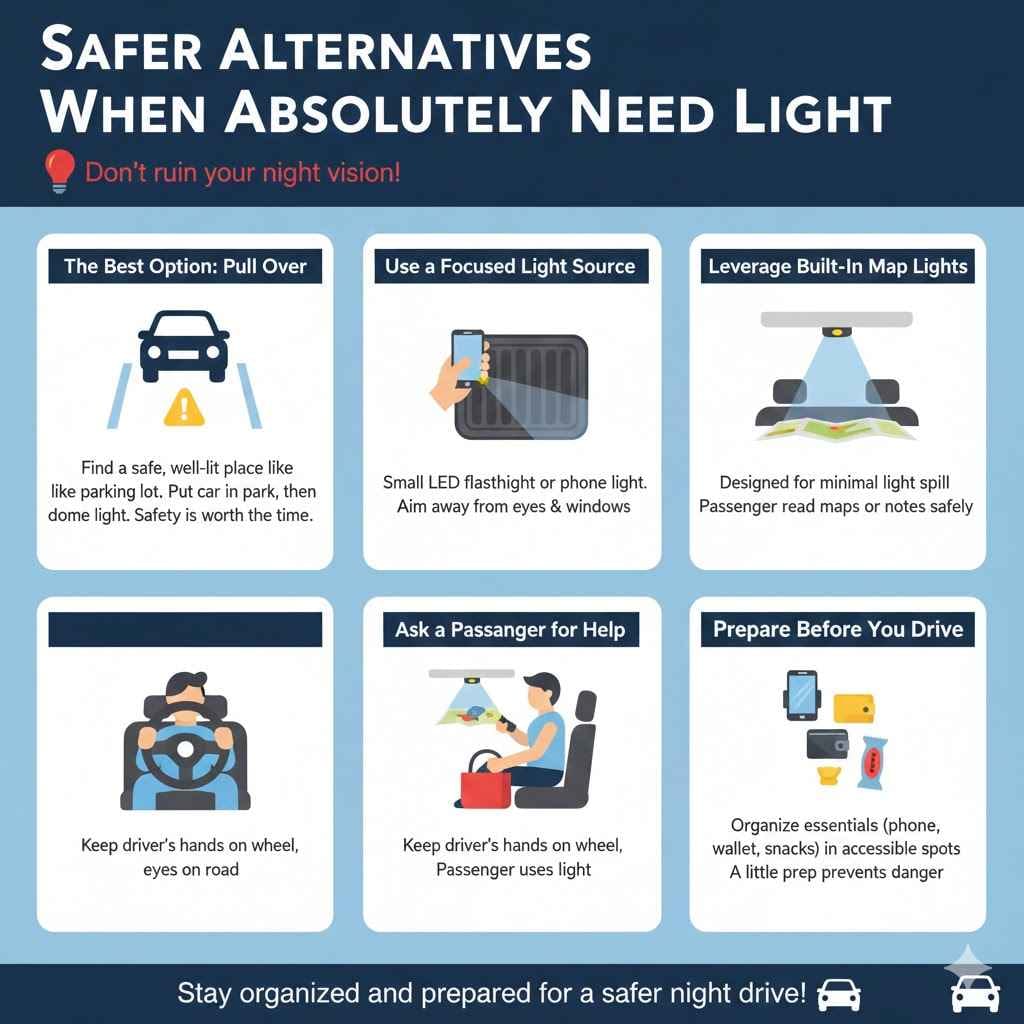
Safer Alternatives When You Absolutely Need Light
Life happens. Sometimes, you or a passenger will urgently need to find something in the dark. Resisting the urge to flip on the main light is key. Fortunately, there are much safer ways to handle these situations without compromising your vision.
- The Best Option: Pull Over. This is, without a doubt, the safest thing you can do. Find a safe, well-lit place like a parking lot or a quiet side street. Put your car in park, and then you can turn on the dome light and safely find whatever you need. This takes a few extra minutes, but your safety is worth it.
- Use a Focused Light Source. If you cannot pull over, a small, focused beam of light is far better than the flood of a dome light. A small LED flashlight or the flashlight on a smartphone creates much less ambient light. A passenger can aim it directly at the floor or into a bag, keeping the light away from the driver’s eyes and the windows.
- Ask a Passenger for Help. If you are driving, delegate the task. A passenger can use their phone light or a small flashlight to search. This keeps your hands on the wheel and your eyes on the road. Remind them to be careful where they point the light.
- Leverage Built-In Map Lights. Most cars are equipped with small, directional map lights in the front. These are designed to illuminate a small area without flooding the entire cabin with light. A passenger can use their map light to read something without significantly impacting the driver’s vision. The driver should still avoid using their own map light while the car is moving.
- Prepare Before You Drive. The easiest way to avoid this problem is to be prepared. Before you start your trip, make sure your phone, wallet, snacks, and any other essential items are in a secure and easily accessible place. A little organization can prevent a dangerous situation later.
Frequently Asked Questions (FAQ)
Is it actually illegal to turn on my car’s dome light while driving?
In most places, there isn’t a specific law making it illegal. However, a police officer can still give you a ticket for related offenses like distracted driving, careless driving, or obstruction of view if the light is impairing your ability to drive safely.
What’s the single biggest danger of using the interior light at night?
The biggest danger is the instant loss of your night vision. The bright light causes your pupils to shrink, making you temporarily blind to the dark road and potential hazards outside your car. Your eyes can take several minutes to readjust, leaving you vulnerable.
Will a passenger using a map light affect my driving?
Map lights are a much safer alternative. They are directional and less intense than the main dome light. As long as the passenger aims the light away from the driver and the windshield, it should have minimal impact on your vision. However, zero light is always the safest option.
Why does it take so long for my eyes to readjust to the dark?
Your eyes use special cells called rods for night vision, and they are extremely sensitive to light. A bright flash essentially “resets” them. The chemical process that allows these cells to work in the dark takes time to build back up, which is why your night vision doesn’t return immediately.
Are modern car interior lights, like LEDs, any safer?
While LED lights can be more focused, any light source bright enough to illuminate the cabin will still ruin your night vision. The color of the light (e.g., cool blue vs. warm yellow) can have a minor effect, but the core problem of brightness and contrast remains the same. The danger is not the type of bulb, but the light itself.
What should I do if a passenger turns on the main light without asking?
Calmly and immediately ask them to turn it off. Explain quickly, “I can’t see the road when that light is on.” Your priority is to restore your vision. Once the light is off, you can explain the safety reasons in more detail so they understand for the future.
Can another car’s headlights affect my night vision in the same way?
Yes, oncoming headlights can also temporarily impair your vision. This is why it’s important to avert your gaze and look toward the right edge of the road (the white line) as an oncoming car passes. However, you have no control over other cars; you do have full control over the lights inside your own vehicle.
Conclusion: Drive Smart, Drive Safe
The belief that driving with your interior light on is dangerous is not just an old wives’ tale passed down from your parents—it’s a critical safety rule rooted in human biology. While it may not be explicitly illegal in most areas, the risks it creates are undeniable. From destroying your night vision to creating distracting glare and inviting a traffic stop, that small light switch carries big consequences.
The solution is simple: when your car is moving at night, keep the cabin dark. If you or a passenger needs light, pull over to a safe location. By making this a firm habit, you protect yourself, your passengers, and everyone else on the road. Driving safely is about making a series of small, smart choices, and this is one of the easiest and most effective ones you can make.
Products related to this article
Sponsored / affiliate links. As an Amazon Associate I earn from qualifying purchases. I may earn additional commission from eligible campaigns.