What Causes Car Engine Oil Leaks? Reasons & Quick Fixes
If you’ve ever found an oil stain under your parked car or noticed a drop in your oil levels, you’re not alone. Car engine oil leaks are among the most common automotive issues, affecting vehicles of all ages and types. While an oil leak might seem like a minor inconvenience, it can quickly escalate into serious engine damage, costly repairs, and safety hazards if left unchecked. Understanding what causes these leaks, how to spot them early, and which quick fixes actually work can help you protect your vehicle and wallet.
With the average repair cost for oil leaks ranging from $150 to $1,200 (according to AAA), the stakes are high. Whether you drive a classic sedan, a modern SUV, or a high-performance sports car, oil leaks can strike unexpectedly, often due to age, wear, or poor maintenance.
This guide draws on expert mechanics’ insights, real-world examples, and authoritative sources to break down the main reasons for engine oil leaks, how to diagnose them, and practical steps for fast, effective solutions.
Key Takeaways
- Engine oil leaks are usually caused by degraded seals, faulty gaskets, damaged oil pans, or excessive pressure.
- Early detection prevents expensive engine damage; watch for oil spots, burning smells, or dashboard warnings.
- Quick fixes include tightening bolts, replacing gaskets, and using stop-leak additives, but these work best for minor leaks.
- Professional repair is essential for severe leaks or when DIY solutions don’t resolve the issue.
- Regular maintenance and proactive checks significantly reduce the risk of oil leaks.

Credit: www.tiresplus.com
The Anatomy Of Car Engine Oil Leaks
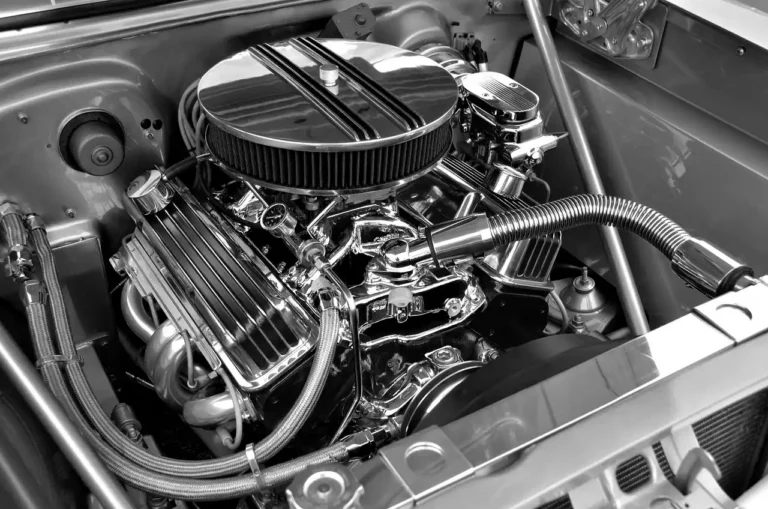
Understanding the basic mechanics behind oil leaks is crucial to preventing and fixing them. Engine oil circulates through a network of seals, gaskets, and metal components, lubricating moving parts and keeping temperatures in check. Any breach in this system allows oil to escape, leading to leaks.
How Oil Circulates In The Engine
Engine oil is stored in the oil pan and pumped throughout the engine. It passes through the oil filter, circulates around pistons, crankshaft, camshaft, and other moving parts, then returns to the pan. This closed loop relies on seals and gaskets to keep oil contained.
Common Leak Points
Some areas are more prone to leaks due to heat, vibration, and wear:
- Valve cover gasket
- Oil pan gasket
- Rear main seal
- Timing cover gasket
- Oil filter and drain plug
Why Leaks Occur
Oil leaks are typically caused by:
- Wear and tear: Gaskets and seals degrade over time.
- Improper installation: Incorrectly fitted parts leave gaps.
- Physical damage: Road debris or accidents can crack pans or covers.
- Excessive pressure: Blocked passages increase oil pressure, forcing leaks.
Credit: www.valvolineglobal.com
Major Causes Of Car Engine Oil Leaks
Pinpointing the exact cause of an oil leak is essential for choosing the right fix. Below are the most common culprits, each with distinct symptoms and solutions.
Degraded Gaskets
Gaskets, made from rubber or composite materials, seal joints between metal parts. Over time, heat and chemicals break them down.
- Symptoms: Oil dripping from engine seams, burnt oil smell.
- Common locations: Valve cover, oil pan, timing cover.
- Example: A 10-year-old Honda Accord with a cracked valve cover gasket, leaking oil onto the exhaust manifold.
Worn Seals
Seals prevent oil from escaping through rotating shafts. Age, heat, and friction weaken them.
- Symptoms: Oil spots under the car, especially near the transmission or crankshaft.
- Common locations: Rear main seal, camshaft seal.
- Pro Tip: If replacing the rear main seal, also inspect the clutch for oil contamination.
Faulty Oil Filter Or Drain Plug
Improperly installed or damaged oil filters and drain plugs can cause leaks.
- Symptoms: Fresh oil pooling after an oil change.
- Example: In my experience, over-tightening the drain plug can strip threads, leading to persistent leaks.
Damaged Oil Pan
Road hazards or improper jacking can crack or puncture the oil pan.
- Symptoms: Large oil pools, rapid oil loss.
- Example: A Ford F-150 oil pan punctured by a curb, requiring immediate replacement.
Excessive Engine Pressure
Blocked oil passages or PCV (Positive Crankcase Ventilation) valve issues increase pressure.
- Symptoms: Multiple leaks, oil forced out of seals.
- Warning: Ignoring excessive pressure can cause catastrophic engine failure.
Comparison Table: Leak Causes Vs. Common Symptoms
| Leak Cause | Typical Symptom | Location | Severity |
|---|---|---|---|
| Degraded Gasket | Burnt oil smell, seepage | Valve cover, oil pan | Moderate |
| Worn Seal | Oil spots under car | Rear main, camshaft | Moderate to severe |
| Faulty Filter/Plug | Fresh oil pooling | Filter, drain plug | Mild |
| Damaged Oil Pan | Large oil pools | Oil pan | Severe |
| Excessive Pressure | Multiple leaks | Various seals | Severe |
Diagnosing Oil Leaks: Signs And Tools
Spotting an oil leak early can save thousands in repairs. Here’s how to identify leaks and what tools help.
Visual Inspection
Look for:
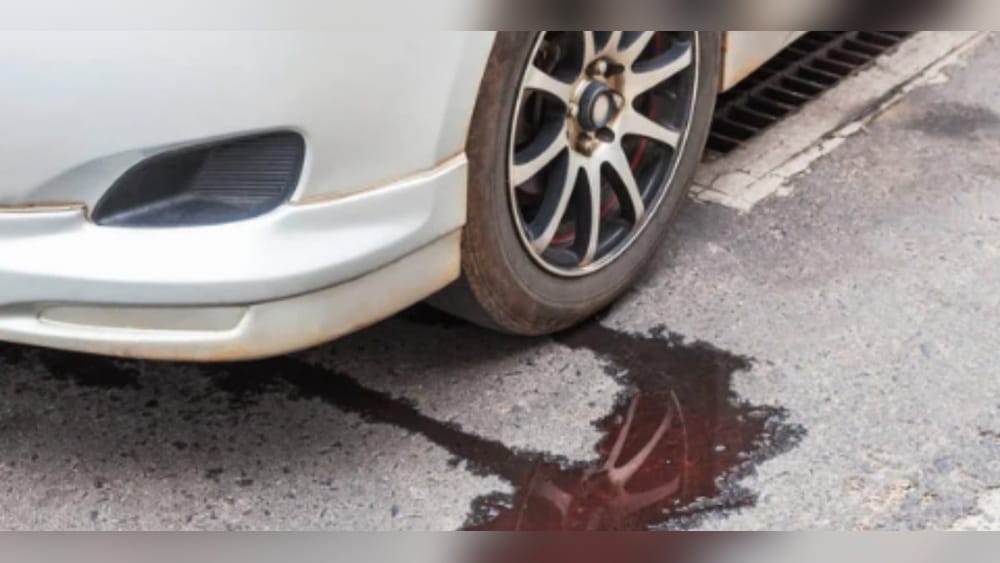
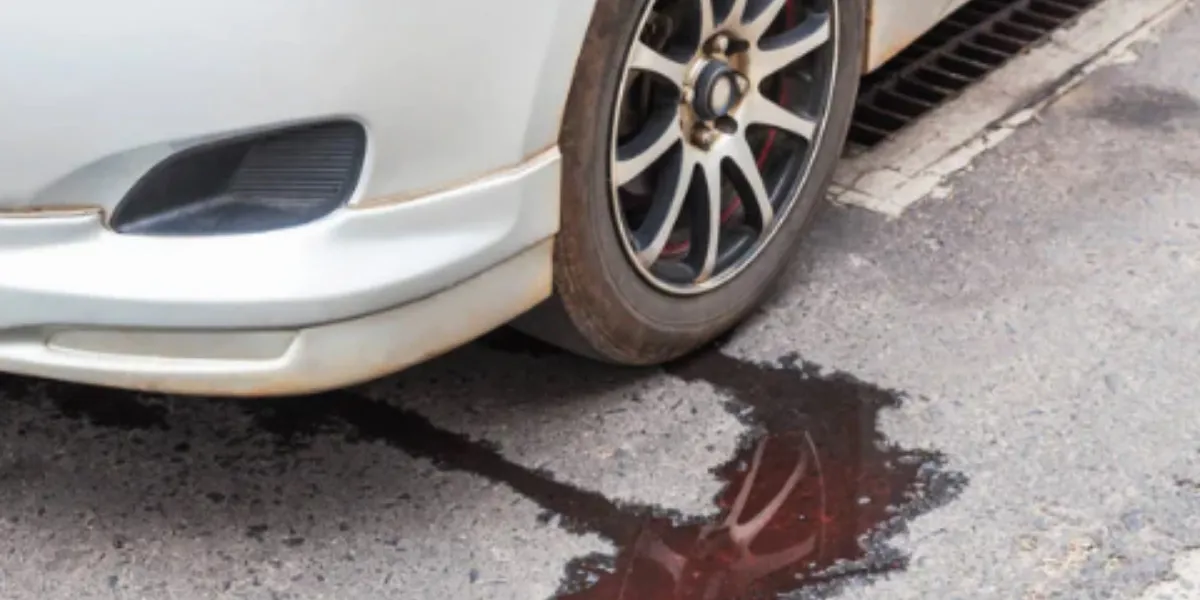
- Oil stains under the car after parking
- Wet spots on the engine, especially around gaskets and seals
- Burning oil smell when driving
Dashboard Warnings
Modern vehicles often alert drivers to low oil levels or pressure. If the oil warning light comes on, check for leaks immediately.
Using Uv Dye And Leak Detection Kits
Mechanics often use UV dye and a blacklight to trace the source of leaks. Add dye to the oil, run the engine, and inspect with the light.
Paper Towel Test
Place a paper towel under suspect areas overnight. The presence of fresh oil confirms a leak.
Example: Case Study In Leak Diagnosis
A Toyota Camry owner noticed the oil light flickering. A UV dye test revealed a slow leak from the timing cover gasket, invisible in daylight but glowing under UV.
Credit: www.detailingdevils.com
Quick Fixes For Common Oil Leaks
Not all oil leaks require expensive repairs. For minor leaks, quick fixes can be effective, though they’re often temporary.
Tightening Bolts And Replacing Gaskets
Loose bolts can cause leaks at gasket locations.
- Check torque specs and retighten bolts.
- Replace worn gaskets with OEM (original equipment manufacturer) parts.
Stop-leak Additives
Chemical additives can swell seals and slow minor leaks.
- Usage: Add to engine oil as directed.
- Limitations: Effective only for small leaks; not a permanent fix.
Oil Filter And Drain Plug Replacement
Always use the correct filter and avoid over-tightening.
- Replace stripped drain plugs with new ones.
- Check filter tightness after oil changes.
Oil Pan Patch Kits
For small cracks, use epoxy or patch kits designed for automotive oil pans.
- Example: A Jeep Wrangler owner used an epoxy kit to seal a hairline crack, extending the pan’s life by several months.
Data Table: Quick Fixes Vs. Permanent Repairs
| Fix Type | Typical Use Case | Longevity | Cost Range |
|---|---|---|---|
| Tightening Bolts | Loose gasket leaks | Months | $0-$20 |
| Stop-Leak Additive | Small seal leaks | Weeks to months | $10-$40 |
| Oil Filter Replacement | Filter or plug leaks | Permanent | $5-$25 |
| Patch Kit | Minor oil pan cracks | Months | $20-$60 |
| Full Gasket/Seal Replacement | Major leaks | Permanent | $150-$1,200 |
When To Seek Professional Help
While quick fixes can buy time, certain leaks demand expert intervention to avoid engine failure.
Severe Leaks
- Rapid oil loss, multiple leak points, or visible cracks in the oil pan require immediate attention.
- Warning: Driving with a severe leak can cause engine seizure or fire.
Internal Engine Leaks
Leaks inside the engine, such as head gasket failures, can mix oil with coolant and damage internal components.
- Symptoms: Milky oil, overheating, white smoke from exhaust.
- Example: A Subaru Outback with a blown head gasket needing professional rebuild.
Unresolved Leaks After Quick Fixes
If leaks persist after tightening bolts or using additives, schedule a mechanic inspection.
Choosing A Qualified Mechanic
Look for:
- ASE-certified technicians
- Positive reviews on platforms like AAA or Yelp
- Warranty on repairs
Pro Tip: Document Your Leak
Take photos of leak locations and oil stains. This helps mechanics diagnose faster and ensures warranty claims are accurate.
Preventing Oil Leaks: Maintenance And Best Practices
Preventing oil leaks is far easier, and cheaper, than fixing them. Consistent care extends engine life and saves money.
Regular Oil Changes
- Use the manufacturer’s recommended oil type and change intervals.
- Replace oil filters at every oil change.
Inspecting Gaskets And Seals
- Check for visible wear, cracks, or seepage during routine maintenance.
- Replace aging gaskets and seals as preventative measures.
Avoiding Over-tightening
- Use a torque wrench to prevent stripping threads on drain plugs and bolts.
- Follow OEM specifications for all fasteners.
Monitoring Oil Pressure
- Watch for dashboard oil pressure warnings.
- Address sudden drops in pressure immediately.
Example: Preventive Maintenance Success
A fleet manager for a delivery company implemented monthly inspections, reducing oil leak-related repairs by 40% in one year.
Data Table: Maintenance Frequency Vs. Leak Risk
| Maintenance Task | Recommended Frequency | Leak Risk Reduction |
|---|---|---|
| Oil Change | Every 3,000, 7,500 miles | High |
| Gasket Inspection | Every 6 months | Moderate |
| Seal Check | Annually | Moderate |
| Oil Pressure Monitoring | Ongoing | High |
Real-world Examples And Case Studies
Examining actual cases illustrates how oil leaks affect different vehicles and how owners solved the problem.
Example 1: Classic Car Restoration
A 1965 Mustang developed multiple oil leaks after years of storage. The restoration process included:
- Replacing all gaskets and seals
- Upgrading to modern synthetic oil
- Installing a new oil pan
Result: No leaks after 5,000 miles and improved engine performance.
Example 2: Daily Driver With A Minor Leak
A 2018 Toyota Corolla owner spotted a small oil patch after an oil change. Diagnosis revealed a loose drain plug. Tightening to manufacturer specs resolved the issue without further repairs.
Example 3: Commercial Fleet Vehicle
A delivery van experienced recurring oil leaks due to worn valve cover gaskets. Fleet management switched to routine inspections, catching leaks early and minimizing downtime.
Environmental Impact Of Oil Leaks
Engine oil leaks are not just a mechanical issue, they also pose environmental risks.
Pollution And Wildlife Harm
- Oil runoff contaminates soil and water, harming ecosystems.
- The US EPA notes that one gallon of oil can pollute one million gallons of water.
Legal Consequences
- Many states impose fines for oil spills on public roads.
- Proper disposal of oil and repair of leaks is legally required.
Pro Tip: Dispose Responsibly
Always recycle used oil and repair leaks promptly to protect the environment.
Industry Standards And Resources
For further guidance, reputable resources and standards can help vehicle owners stay informed.
- ASE (Automotive Service Excellence) certification ensures mechanics are trained in leak diagnosis and repair.
- The EPA provides guidelines for oil disposal and environmental protection (EPA Oil Spill Resources).
- Consult your vehicle’s owner’s manual for specific maintenance intervals.
Frequently Asked Questions
What Are The Risks Of Driving With An Oil Leak?
Driving with an oil leak increases the risk of engine damage, fire, and environmental contamination. Even small leaks can lead to low oil levels, causing inadequate lubrication and overheating. If oil leaks onto hot engine parts, it can ignite, posing a safety hazard.
Always address leaks promptly to avoid these risks.
Can Oil Leaks Affect Fuel Efficiency?
Yes, oil leaks can indirectly impact fuel efficiency. When oil levels are low, the engine works harder to compensate for increased friction and heat, resulting in reduced performance and higher fuel consumption. Additionally, oil leaks can cause sensors to malfunction, affecting engine timing and efficiency.
How Do I Differentiate Between Oil And Other Fluid Leaks?
Engine oil is typically amber or brown and has a slick texture. Transmission fluid is usually red, coolant is green, orange, or pink, and brake fluid is clear to yellow. If unsure, check the fluid’s color and consult your owner’s manual for guidance.
Are Stop-leak Additives Safe For All Engines?
Stop-leak additives are generally safe for most older engines with minor leaks but may not be suitable for new or high-performance engines. Some additives can clog oil passages or harm seals over time. Always check compatibility and consult a mechanic before use.
What’s The Best Way To Find A Reputable Mechanic For Oil Leak Repair?
Seek ASE-certified mechanics, check online reviews, and request referrals from friends or family. Ask about repair warranties and ensure they use OEM parts. Platforms like AAA and Consumer Reports provide lists of trusted repair shops.
Protecting your engine from oil leaks starts with awareness, routine maintenance, and prompt action. Whether you’re tightening a bolt or seeking expert help, understanding the causes and quick fixes empowers you to keep your vehicle running smoothly and safely. Stay proactive, and your car, and the environment, will thank you.
Products related to this article
Sponsored / affiliate links. As an Amazon Associate I earn from qualifying purchases. I may earn additional commission from eligible campaigns.