Transmission Control Failure After Water Damage
If transmission warning lights follow water exposure, inspect connectors and fuses first; if the module was submerged, cracked, or corroded inside, tow it and expect replacement, not drying. Ignoring wet electrical faults can turn a fixable connector issue into a no-start, limp-mode, or mis-shift condition that strands the vehicle and spreads corrosion. This guide shows what to inspect, what to avoid doing, and when towing is safer than cycling the ignition or clearing codes.
What water damage does to transmission controllers


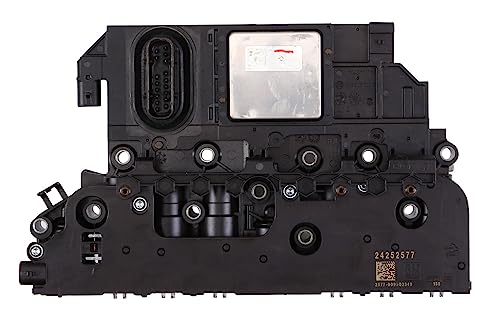
Yes. Water can interrupt the controller’s power, ground, sensor input, or communication path, and that can make the transmission controller act as though it has failed. The transmission control module, or TCM, may be separate or built into the transmission control unit, or TCU, depending on the vehicle. Manufacturers sometimes use those terms differently.
What the TCM or TCU controls
The controller manages shift timing, gear selection, and fail-safe behavior. If it loses clean input from the range sensor, solenoids, or communication network, it may command limp mode to protect the transmission from bad shifts. That limited strategy is often a symptom, not proof, that the controller itself is ruined.
How water causes shorting and corrosion
Water entering pins, seals, junctions, or fuse boxes can create a short circuit or leave behind corrosion as it dries. Freshwater can still contaminate contacts. Saltwater is generally worse because dissolved salts can keep corrosion active and raise resistance faster. Rising resistance often creates intermittent faults, which can be harder to diagnose than a dead circuit.
Why communication faults can look like a bad transmission
An OBD2 scan tool may show communication codes, sensor codes, or transmission-related faults after a wet event. Those diagnostic trouble codes, or DTCs, can point to the controller, but they can also point to damaged wiring, a range sensor connector, or a blown fuse. Freeze-frame data and live data matter because they show what the module saw when the fault set.
What are the first signs after water exposure?
The earliest signs are usually warning lights, erratic shifting, delayed engagement, or limp mode. If the vehicle suddenly starts in one gear, refuses to upshift, or shows a transmission warning light after flooding or a deep splash, treat it as a likely electrical problem until proven otherwise. Do not assume the transmission itself is damaged first.
Warning lights and limp mode
A check-engine light, transmission warning light, or gear display that flashes or disappears can appear before a hard failure. Limp mode often means the controller has detected a fault or lost communication and has limited the gear strategy to reduce damage. That behavior is common after water exposure because the controller is protecting itself and the transmission.
Harsh shifting, delayed shifting, or no upshift
Water damage can disrupt the range sensor signal or the connector pins that carry it, and the vehicle may think the shifter is in the wrong position. That can cause harsh shifts, flare between gears, or no upshift at all. A weak battery or low charging voltage can make the same symptoms worse.
Stored and pending DTCs after a wet event
Check for stored, pending, and communication codes with an OBD2 scan tool. Common patterns include controller communication faults, range sensor faults, and voltage-related codes. A code alone does not prove the TCM has failed, but it can separate an electrical issue from internal transmission damage when it is paired with live data.
Transmission control triage checklist
| Observed symptom | Likely affected component | Immediate next step |
|---|---|---|
| No shift, stuck in one gear, or limp mode after flooding | TCM, TCU, wiring, connector | Do not drive; tow for diagnosis |
| Transmission warning light with stored communication code | TCM, battery/charging, fuse, ground | Scan codes and verify voltage |
| Wrong gear indication or erratic PRNDL display | Transmission range sensor, connector, wiring | Inspect connectors and scan live data |
| Intermittent shift fault after a splash | Connector, wiring, sensor, fuse | Inspect connectors and check for moisture |
| No communication with transmission controller | TCM, fuse, relay, power or ground | Check fuses, relays, and battery voltage |
| Multiple low-voltage or module codes | Battery and charging system | Verify system voltage before replacement |
What should you inspect before replacing the module?
Check the controller’s power feed, fuse protection, connector condition, and sensor inputs before condemning the TCM. Water damage often leaves recoverable faults in the wiring path or range sensor connector, and those faults can mimic module failure. Replacement should come after the basics are verified, not before.
-
Check fuses and relays. Look for transmission, engine control, and ignition-related fuses first. A water-related short can blow a fuse or weaken a relay, and the location and ratings vary by vehicle.
-
Verify battery voltage. Low battery voltage can imitate transmission control failure or make an existing fault worse. Confirm the battery and charging system are healthy before clearing codes or condemning the controller.
-
Inspect connectors closely. Open the relevant transmission connectors and look for moisture, green or white corrosion, bent pins, or damaged seals. Water can wick into the pins and leave enough resistance to cause intermittent faults.
-
Check the range sensor path. The transmission range sensor can report the wrong gear position if its connector has water intrusion. That can imitate TCM failure and trigger shift logic problems, so inspect that connector and its wiring before replacement.
-
Scan and compare live data. Use an OBD2 scan tool to read stored and pending DTCs, then compare commanded gear, range input, and communication status. If the data disagrees with the shifter position, the problem may be in the wiring path rather than the module.
Say the SUV drove through about 8 inches of standing water and then shifted hard into second gear. If the scan tool shows a range sensor code and the connector has moisture, that points toward the connector or sensor circuit first, not an automatic need for a new module.
Is it safe to drive after the module gets wet?
Usually no if the vehicle is shifting erratically, stuck in gear, or showing repeated transmission faults. Intermittent electrical faults can change suddenly once the vehicle warms up or the moisture spreads. If the car is already in limp mode, or if the transmission controller cannot communicate, towing is the safer choice.
When to stop driving and tow
Do not keep driving if the vehicle will not shift normally, loses gear selection, or shows multiple warning lights after water exposure. Each power cycle can reintroduce the fault and may worsen corrosion or trigger more shorts. A tow is the safer call after submersion, especially if the interior, underbody, or connector areas were soaked.
When a brief splash may still be recoverable
A brief splash or shallow spray event may be recoverable if the vehicle shifts normally afterward, no warning lights stay on, and the scan tool shows no stored or pending transmission faults. Even then, inspect connectors and verify voltage before assuming the event was harmless. Freshwater splash exposure is not the same as saltwater submersion.
Why intermittent faults are hard to trust
Water-related faults often come and go. A connector may dry enough to work for one start cycle, then fail again after vibration or rain. That is why clearing codes without inspection can give a false sense of repair and delay the real fix.
Can drying or cleaning fix it?
Sometimes. Drying and cleaning can help if the water reached connectors, seals, or an exposed wiring section and the module itself is not internally damaged. The key is whether the controller is still communicating normally afterward and whether the codes return after a clean power cycle.
What can be dried and cleaned?
Dry connectors, wiring ends, exposed junctions, and sensor plugs can sometimes be recovered if the pins are not pitted or burned. Clean corrosion from accessible connector faces, but do not assume a battery disconnect alone fixes water damage. If the module housing is cracked, submerged, or filled with corrosion, drying is unlikely to restore it.
What a scan tool should confirm afterward
After cleaning or drying, the OBD2 scan tool should show restored communication, no immediate hard faults, and live data that matches the shifter position and commanded gear. Clear codes only after the affected connectors are dry and reassembled, then recheck for stored or pending DTCs. If the same codes return, look deeper into the wiring or module.
When the controller is more likely to need replacement
Replacement becomes more likely when the module is submerged, corroded inside, cracked, or no longer communicates after power and ground are confirmed. Internal shorting and board corrosion are harder to repair than connector contamination. Once the controller has visible internal water damage, replacement is usually more practical than cleaning.
How do freshwater, saltwater, and brief splash exposure differ?
They differ in corrosion risk and repair urgency. Freshwater splash exposure may leave recoverable contamination if it is caught quickly. Saltwater, by contrast, can continue corroding pins, grounds, and boards after the vehicle dries. Duration, depth, and which connectors were exposed matter as much as the water source.
Corrosion risk by exposure type
| Exposure type | Likely corrosion risk | Repair urgency |
|---|---|---|
| Brief freshwater splash | Low to moderate if caught quickly | Inspect soon; re-scan after drying |
| Freshwater flood or submersion | Moderate, rising if power was applied wet | High; tow and inspect connectors, fuses, grounds |
| Saltwater splash | High because corrosion accelerates fast | High; inspect immediately |
| Saltwater flood or submersion | Very high; internal damage is common | Immediate tow; replacement is more likely |
Why depth and duration matter
Water that reaches underbody connectors, fuse blocks, grounds, or the transmission case is more likely to create persistent faults. Longer immersion gives water more time to enter seals and junctions. A vehicle that sat in several inches of water for hours is much harder to recover than one that only caught spray at low speed.
Picture a sedan that stalled in a flooded street and restarted once, then shifted into limp mode on the next key cycle. That pattern often points to moisture-driven resistance in the wiring or a controller power fault, not an immediate internal transmission failure. A scan and inspection should come before any parts replacement.
Frequently asked questions
Can water damage cause transmission control failure?
Yes. Water can short power or ground circuits, contaminate connectors, and corrode pins in the transmission control path. That can stop the TCM or TCU from reading inputs or sending shift commands. The result may look like module failure, but the source is often the wiring path or a related sensor.
What are the first signs of transmission control problems after water damage?
The first signs are usually warning lights, erratic shifting, delayed shifting, gear-display errors, or limp mode. Some vehicles also set communication or range sensor codes before the driver feels a major shift problem. Those clues are useful because they point to an electrical issue rather than a purely mechanical one.
Is it safe to drive after a transmission control module gets wet?
Not if the vehicle is shifting badly, stuck in one gear, or showing repeated faults. Intermittent water damage can worsen during driving, and a module that works for a few minutes may fail again under vibration or heat. If submersion occurred, towing is safer than trying to nurse it home.
How do you dry out a transmission control module after flooding?
Drying only helps if the problem is external moisture on connectors or wiring ends and the controller itself is not internally damaged. The vehicle should be disconnected from power, the affected connectors inspected and dried, and the system rescanned afterward. If the module was submerged, cracked, or corroded inside, replacement is more likely.
Can a transmission control module be repaired after water damage?
Sometimes, but only when the damage is limited to external contamination or minor connector corrosion. Internal board corrosion, burned traces, or cracked housings usually make repair impractical. A repair decision should follow a scan, power and ground checks, and a close look at the controller and its connectors.
What codes show transmission control communication failure after water exposure?
Codes that point to communication loss, sensor disagreement, or range input problems are common after water exposure. The exact code numbers vary by manufacturer, so read them alongside freeze-frame data and live data. A code is most useful when it confirms whether the fault is in the controller, the sensor path, or the power supply.
How much does it cost to fix a water-damaged transmission control module?
The cost depends on whether the problem is a connector, a fuse, a sensor circuit, the controller itself, or hidden damage in the wiring or grounds. A simple cleanup may be far less expensive than a module replacement and programming job. Because flood damage can spread, diagnosis usually matters more than guessing a price up front.
Products related to this article
Sponsored / affiliate links. As an Amazon Associate I earn from qualifying purchases. I may earn additional commission from eligible campaigns.