Best Cars for Delivery Drivers: Durable and Efficient Picks
The best vehicles for delivery drivers are compact hybrids and small wagons for dense city routes; choose a small SUV or hatchback if you need taller cargo, and pick a used sedan only when its total cost per mile beats the others. Ignore route fit, and you can lose money to fuel, tires, parking stress, and dead cargo space. This guide compares delivery vehicle types by route type, cargo needs, and total ownership cost.
What should delivery drivers prioritize?
Start with route density, parking pressure, cargo mix, and total ownership cost. Match the vehicle to the route, and you can beat a larger, “better” option on earnings because you cut dead space, extra trips, and wasted time. Fuel economy matters, but only after the vehicle can handle the day’s load and parking conditions.
Dense urban routes may have dozens of stops in a tight grid, while suburban routes can involve long distances between addresses. That changes the vehicle choice more than badge value does. Cargo space matters because a full stop load can force a second trip, and fuel efficiency matters most on stop-and-go routes.
- Map the route first. Count stop density, average parking difficulty, and how often you cross between neighborhoods. A route with short blocks and frequent curbside stops rewards maneuverability more than raw cargo size.
- Size the cargo load. Estimate the real package volume for a full shift, including awkward boxes, grocery bags, and bins. Measure that against the floor shape, seat folding, and loading height, not brochure cargo numbers alone.
- Price the full week. Add fuel, tires, brake pads, oil changes, depreciation, and downtime risk. To compare vehicles, estimate your cost per mile by adding those weekly costs together and dividing by your weekly miles; then compare the result against the vehicle’s route fit and cargo needs. Low maintenance costs and reliability matter more than premium features when the vehicle is earning every day.
Say your route is a city loop with 40 short stops and frequent parallel parking. A hatchback can beat a larger SUV because it turns tightly, sees curbs better, and carries enough parcels without leaving a large empty cargo bay behind.
Best cars for delivery drivers by route type
No single answer fits every delivery route. Dense urban routes reward maneuverability and visibility, while suburban routes often reward cargo volume and lower fuel cost per mile. High-volume multi-stop work can push you toward a vehicle with more room, even if parking gets harder.
Dense urban routes
For dense urban routes, a sedan or hatchback is usually the cleaner fit, especially for light parcel work. Sedans offer low to moderate cargo capacity and are best for light parcel routes in dense urban areas. Hatchbacks offer moderate cargo capacity and work well on mixed urban and suburban routes.
Short turning radius helps on narrow roads. Clear sightlines also matter because crowded parking areas raise the cost of every backing mistake. A compact hybrid can be a strong match here because stop-and-go driving magnifies fuel use, and urban routes may have dozens of stops in a tight grid.
Mixed suburban routes
Mixed suburban routes usually favor a hatchback or compact SUV. The longer drives between addresses raise the value of fuel efficiency, but the cargo area still has to handle bulkier orders. A hatchback often lands in the middle: enough room for irregular packages, still easy to park, and usually less expensive to run than a larger SUV.
Picture a route with grocery bags in the morning and parcel drops in the afternoon. A hatchback with folding rear seats and a flat load floor can sort bags on one side and boxes on the other, so you spend less time searching for packages at each stop.
High-volume multi-stop routes
When the load is heavy and frequent, cargo volume can matter more than maneuverability. SUVs are best when moderate to high cargo capacity matters more than maneuverability, and cargo vans offer high cargo capacity but lower maneuverability. For multi-stop grocery or parcel runs, the extra space can remove second trips and reduce load stress.
That space comes with tradeoffs. Parking stress rises, blind spots grow, and the downtime risk can climb if the vehicle is hard on tires, brakes, and suspension. If the route demands repeated bulk loads, the cargo van can still make financial sense because it reduces re-sorting and repeat runs.
Delivery vehicle comparison table
The matrix below scores vehicle classes on route fit. A score of 5 means a stronger fit for that factor, with the score reflecting how well each vehicle class balances maneuverability, cargo access, and parking ease for that route type. Use it as a first-pass screen, then compare it with your own route, cargo mix, and parking conditions.
| Vehicle class | Urban stop density | Suburban spacing | Cargo volume | Parking stress | Fuel cost risk | Downtime risk |
|---|---|---|---|---|---|---|
| Sedan | 5 | 3 | 2 | 5 | 4 | 4 |
| Hatchback | 5 | 4 | 3 | 5 | 4 | 4 |
| Compact SUV | 4 | 4 | 4 | 3 | 3 | 3 |
| Full-size SUV | 2 | 3 | 5 | 2 | 2 | 3 |
| Cargo van | 3 | 3 | 5 | 1 | 2 | 3 |
The table is most useful when the route is clear. A sedan wins on dense curbside work. A hatchback gives more cargo room without giving up much agility. A compact SUV balances load and access. Full-size SUVs and cargo vans make sense when volume is the real constraint, not parking ease.
Sedan versus hatchback
A sedan works well when the parcels are light and the route is tight. A hatchback is usually the safer choice when package shape varies, because the cargo opening is larger and the rear seat can fold down for longer boxes. Both are easy to park and usually easier on fuel than larger vehicles.
Compact SUV versus full-size SUV
A compact SUV is often the middle ground for drivers who need taller cargo space without giving up all maneuverability. A full-size SUV is more of a cargo-first choice, useful when bulky groceries, cases, or stacked bags matter more than easy parking. The larger body can raise fuel cost and parking stress fast.
Cargo van tradeoffs
Cargo vans deliver the most useful load space for many multi-stop routes, especially when packages must stay upright or separated. They also bring higher loading height, larger blind spots, and more parking friction. If a route keeps forcing second trips, though, the van can still be the cheaper option per completed stop.
How much cargo space do you really need?
You need enough cargo space to carry a full stop load without stacking so high that sorting becomes slow or unsafe. Use realistic package volume, not brochure numbers, because floor shape, seat folding, and loading height can shrink usable space fast. The right answer depends on whether you move envelopes, parcels, groceries, or mixed orders.
Package volume and floor shape
A flat, squared cargo floor is easier to sort than a deep but narrow bay. Awkward shapes waste space and slow loading, so a vehicle with less advertised volume can still work better if the opening is wide and the floor is level. That matters most on grocery and mixed-goods routes.
Seat folding and load access
Fold-flat rear seats can turn a hatchback or compact SUV into a much more useful cargo car. If the seats do not fold flat, long boxes and rolling totes can become awkward to place and harder to secure. Check whether the load area opens from the rear only or through a wider hatch.
Loading height and sorting layout
Lower loading height helps when the route has many small stops. It reduces lift effort and speeds handoff, especially when the vehicle is loaded and unloaded repeatedly. A common first-timer mistake is choosing more cargo space, then losing time because every tote sits too high off the ground.
Suppose a driver carries one route’s worth of parcels in several bins and a few grocery orders with soft bags. A hatchback with a flat folded rear seat can keep the bins low and the bags separate. A tall SUV may hold the same load, but the higher floor can make every stop slower.
Are hybrid and electric cars better for delivery work?
Hybrid and electric cars can be better for delivery work when the route is stop-and-go and charging or fueling is easy to manage. They cut fuel cost in many city routes, but charging access, range, winter efficiency, and downtime risk can erase part of that savings if the route stretches far or runs cold.
Fuel savings in stop-and-go routes
Fuel efficiency matters most for stop-and-go driving. Hybrids often do well in city work because they can recover energy at low speeds and avoid some idling loss. Battery-electric cars can be even cheaper to “fuel” per mile, especially on urban routes with frequent braking and low average speeds.
Charging access and range limits
Electric delivery work depends on charging access more than on headline range. If the route ends with a low battery and no easy place to charge overnight, the savings can vanish in missed shifts or extra planning. Use an EV only when the daily route fits comfortably inside the vehicle’s usable range after you account for weather, payload, and detours.
Winter efficiency and downtime risk
Winter can cut real-world efficiency in both hybrids and EVs. Cabin heat, battery conditioning, and slippery roads all increase energy use. If the route is long or rural, a hybrid may be simpler because refueling is quick, while an EV works better when daily mileage stays inside a comfortable charging window.
Cars table
This worksheet uses about a 600-mile delivery week and a fuel price of around $3.60 per gallon to show how operating costs can drag on earnings. The maintenance and depreciation figures are estimates for comparison, not quotes. They are meant to show why cheaper fuel alone does not decide the best vehicle.
| Vehicle class | Fuel cost | Maintenance and wear | Depreciation | Total weekly cost drag |
|---|---|---|---|---|
| Sedan | $72 | $48 | $72 | $192 |
| Hatchback | $68 | $54 | $78 | $200 |
| Compact SUV | $80 | $66 | $96 | $242 |
| Full-size SUV | $108 | $84 | $120 | $312 |
| Cargo van | $120 | $90 | $102 | $312 |
Those totals explain why fuel, maintenance, and depreciation affect delivery driver earnings so much. A vehicle that looks cheap at the pump can still cost more once tires wear faster, brake service comes earlier, or resale value falls after high daily mileage.
What breaks down first in high-mileage delivery use?
Tires, brakes, and suspension are usually the first places to feel delivery mileage. Interior wear and cargo abuse follow close behind, especially when packages slide, doors open constantly, and the cabin doubles as a work bay. Electrical and accessory issues become more likely when a vehicle spends long days idling with phones, coolers, or scanners running.
Tires, brakes, and suspension
Delivery driving is hard on tires because it adds curb contact, frequent starts, and more low-speed maneuvering. Brake pads can wear faster in stop-and-go work, and suspension parts take more abuse from potholes, speed bumps, and heavy loads. That is why reliability matters more than luxury when mileage climbs.
Interior wear and cargo abuse
Cargo space helps only if the load stays organized. Loose parcels can damage trim, scuff seats, and block access to smaller orders. A cargo liner, seat protectors, and simple bins can slow wear and keep the vehicle easier to clean after a long shift.
Electrical and accessory issues
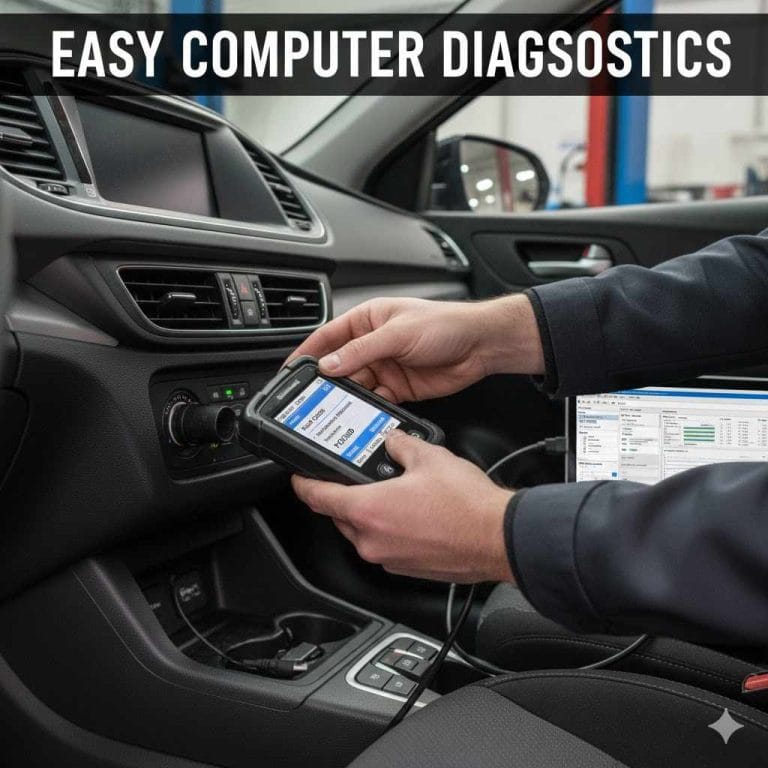
High-mileage driving can expose weak batteries, worn door latches, failing window switches, and charging-port issues. If the vehicle is used for delivery apps or fleet tools, accessory load matters too. Hidden electrical problems are expensive because they often steal time before they steal money.
Frequently asked questions
What is the best car for delivery drivers?
There is no single best car for every delivery driver. The strongest choice is the one that matches stop density, cargo mix, parking pressure, and total ownership cost. For dense urban routes, a hatchback or compact hybrid often fits better than a larger SUV because it is easier to park and cheaper to run.
Should I use a sedan, hatchback, SUV, or cargo van for delivery driving?
Use a sedan for light parcel work in tight cities, a hatchback for mixed urban and suburban routes, a compact SUV when you need more upright cargo room, and a cargo van when volume matters most. Choose the smallest vehicle that can finish the route without second trips or constant load shuffling.
How much cargo space do I need for delivery work?
You need enough space for a full stop load, plus some room for odd-shaped items and sorting bins. Measure actual package volume, seat-folding flexibility, and loading height. If the vehicle cannot hold the day’s work without stacking too high, it will slow every stop and raise handling risk.
Are hybrid or electric cars better for delivery drivers?
Hybrids and EVs can be strong delivery choices on stop-and-go routes because they cut fuel cost. Hybrids are easier when routes run long or charging is limited. EVs can be very efficient, but range, winter efficiency, and charging access must all fit the route before they make financial sense.
What should I consider before using my own vehicle for deliveries?
Check whether the job will wear out tires, brakes, and suspension faster than your budget can handle. Add fuel, maintenance, depreciation, insurance, and downtime risk before accepting the work. If the route is hard on parking or cargo handling, a personal vehicle can lose money faster than expected.
Which car type is best for dense urban delivery routes?
For dense urban delivery routes, a hatchback or small sedan is usually the cleanest fit. Both are easy to park, simple to turn in narrow streets, and cheaper to fuel than larger vehicles. If the load is slightly larger, a compact hatchback often gives the best balance of access and cargo room.
Which car type is best for suburban delivery routes?
For suburban routes, a hatchback or compact SUV often makes the most sense because the routes can stretch out and the cargo may be larger than light parcel work. If the load is bulky or the orders vary a lot, a compact SUV can give extra room without jumping straight to a full-size SUV.
How do fuel, maintenance, and depreciation affect delivery driver earnings?
They cut net pay directly. Fuel rises with stop-and-go miles, maintenance climbs with wear items like brakes and tires, and depreciation lowers resale value after high daily use. A vehicle that is a little cheaper to buy can still leave less money in your pocket if it is expensive to run.
Products related to this article
Sponsored / affiliate links. As an Amazon Associate I earn from qualifying purchases. I may earn additional commission from eligible campaigns.