Pros And Cons of Electric Cars on the Environment: A Green Revolution?
Electric cars are changing the way people think about transportation. Many see them as a solution to air pollution and climate change. Others worry about the effects of batteries and electricity production on the environment. Like any new technology, electric cars have both positive and negative impacts. To fully understand their role in the world, it’s important to look at both sides. This article will explore the main pros and cons of electric cars on the environment, using data, real-world examples, and expert insights.
How Electric Cars Work And Why They Matter
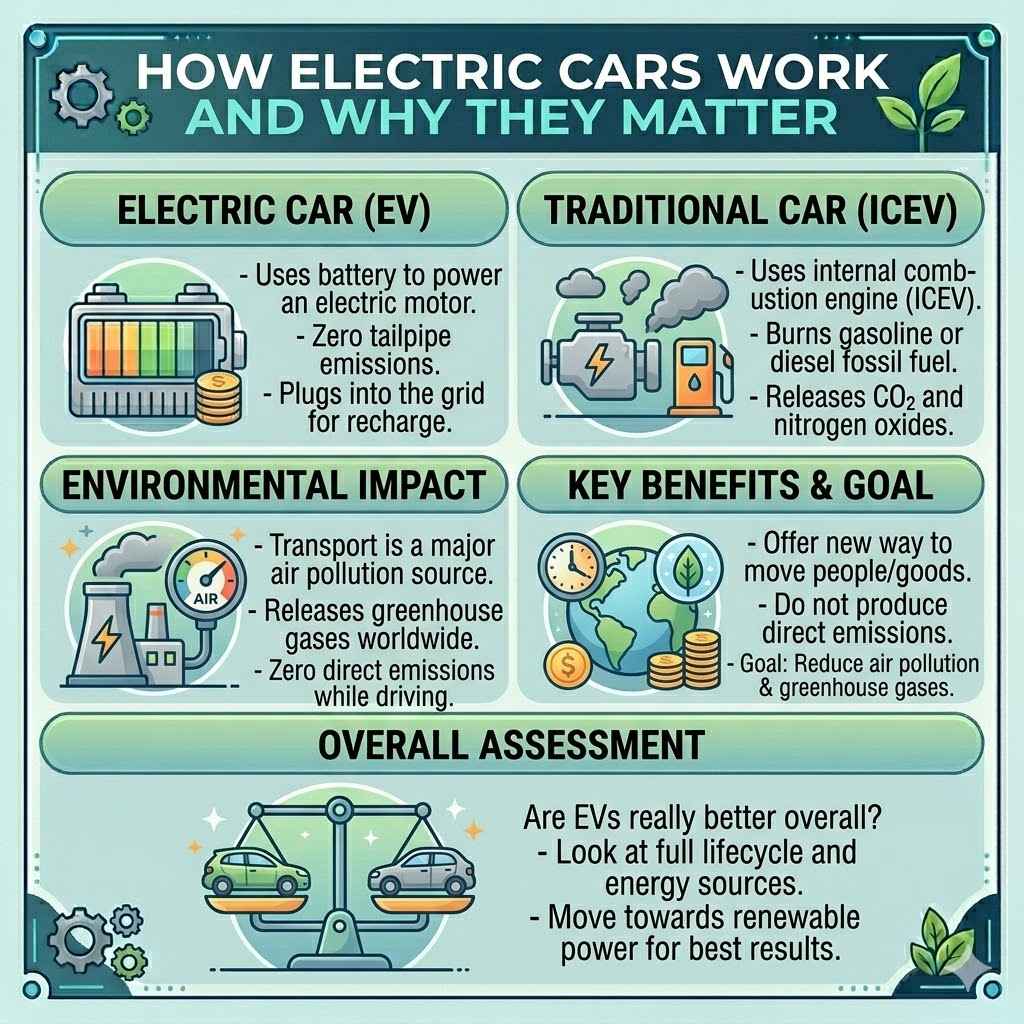
Before diving into the environmental impacts, it helps to know how electric cars (also called EVs) are different from traditional cars. Electric cars use a battery to power an electric motor instead of burning gasoline or diesel. Most electric vehicles (EVs) plug into the electric grid to recharge.

As an Amazon Associate I earn from qualifying purchases.
Because they do not have a tailpipe, they produce zero emissions while driving.
This is different from internal combustion engine vehicles (ICEVs), which burn fossil fuels and release gases like carbon dioxide (CO₂) and nitrogen oxides. Transport is a major source of air pollution and greenhouse gases worldwide. Electric vehicles offer a new way to move people and goods without direct emissions. But are they really better for the environment overall? Let’s look at the details.
Environmental Benefits Of Electric Cars
Switching to electric cars can bring several important environmental advantages. Here’s a closer look at the main benefits.
Reduced Greenhouse Gas Emissions
One of the most important benefits of electric cars is their lower greenhouse gas emissions compared to gasoline or diesel cars. When you drive an EV, there are no tailpipe emissions. This means they do not release CO₂ or other greenhouse gases as they move.
But what about the electricity used to charge them? If the power comes from renewable sources like wind, solar, or hydro, the emissions can be very low. Even when electricity is made from coal or natural gas, studies show that EVs usually create fewer total emissions over their lifetime compared to traditional vehicles.
For example, the Union of Concerned Scientists found that in the United States, a typical EV produces less than half the CO₂ emissions of a similar gasoline vehicle, even when charged with the average mix of electricity sources.
Cleaner Air In Cities
Cars and trucks are a major source of air pollution in cities. Pollutants like nitrogen oxides and tiny particles can cause asthma, heart disease, and other health problems. Because EVs have no exhaust, they help reduce local air pollution wherever they drive.
This is especially important in crowded cities. Cleaner air leads to better health for millions of people. Some cities that have switched many taxis or buses to electric models have seen big improvements in air quality.
Reduced Noise Pollution
Most electric cars are much quieter than gasoline or diesel cars, especially at low speeds. This means less noise pollution in cities and neighborhoods. Less noise can improve quality of life, help people sleep better, and even make streets safer for pedestrians.
Lower Energy Use From Oil
Electric cars do not need gasoline or diesel. This reduces demand for oil, which is a non-renewable resource. Using less oil helps protect the environment from oil spills, drilling, and transport accidents.
It also gives countries more energy independence. Instead of relying on imported oil, they can use local renewable energy sources.
Efficient Use Of Energy
Electric motors are much more efficient than internal combustion engines. While a gasoline engine only turns about 20% of fuel energy into motion, an electric motor can use over 60% of its battery energy to move the car.
This means fewer resources are wasted as heat. Over time, better efficiency can lead to less total energy used for transportation.
Renewable Energy Synergy
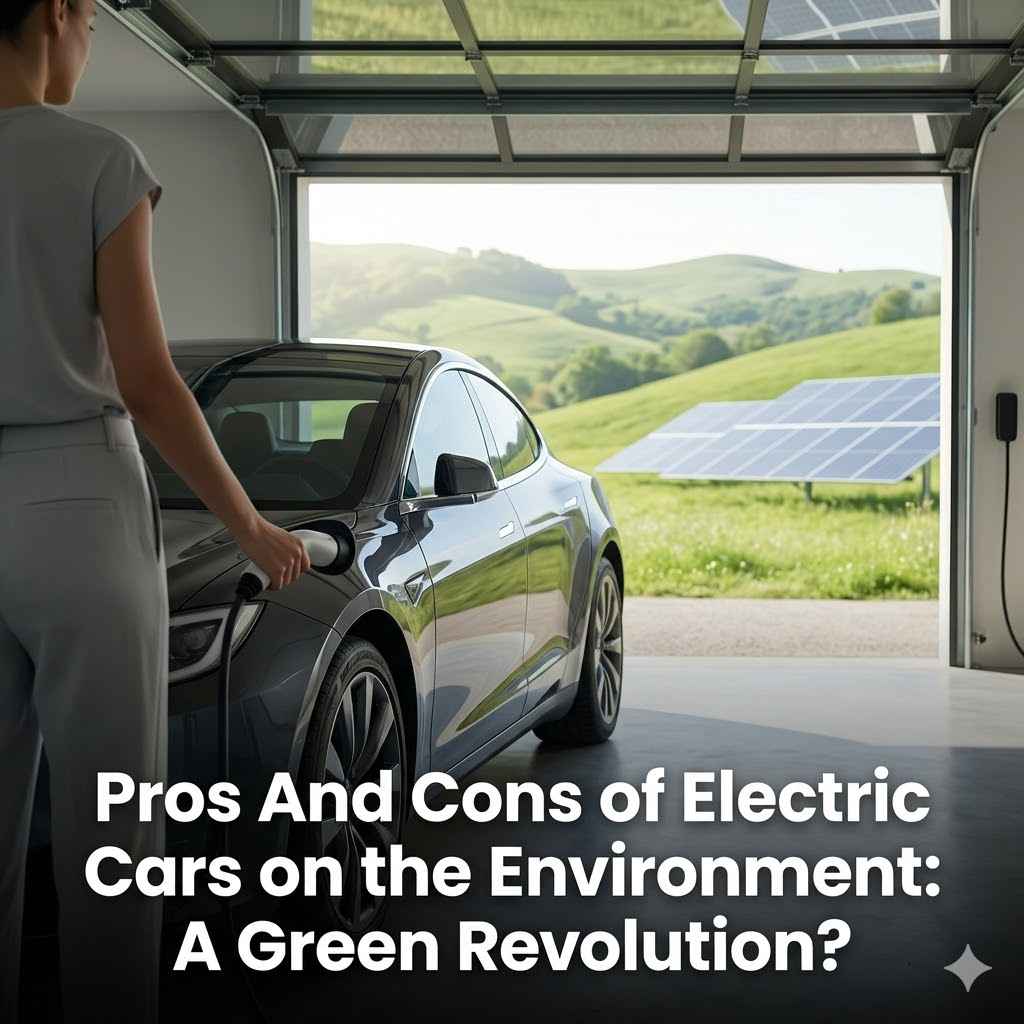
Electric cars can work well with renewable energy. If people charge EVs when solar or wind power is strong, they help use clean energy more effectively. In the future, EV batteries could even store extra renewable energy and return it to the grid when needed.
This could make the whole energy system cleaner and more stable.
Lower Maintenance And Fewer Chemicals
EVs have fewer moving parts than traditional cars. They do not need oil changes, and their brake systems last longer thanks to regenerative braking. This means less oil, brake dust, and other chemicals released into the environment.
Less Urban Heat
Gasoline and diesel engines produce a lot of waste heat. In cities with many cars, this can make urban areas even hotter—a problem called the urban heat island effect. Electric cars produce less waste heat, which can help keep cities cooler.
Flexible Charging Options
Unlike gasoline stations, electric cars can be charged at home, at work, or in public places. If the charging stations use solar panels or other clean energy, the environmental benefits grow even more.
Environmental Downsides Of Electric Cars
While electric cars have clear benefits, they also bring some environmental challenges. It’s important to understand these issues to make smart choices.
Battery Production And Raw Materials
The biggest environmental challenge for electric cars is their batteries. Most EVs use lithium-ion batteries, which need materials like lithium, cobalt, and nickel. Mining these materials can harm the environment.
- Lithium mining can damage water supplies and ecosystems, especially in dry areas like South America’s salt flats.
- Cobalt mining often takes place in countries with weak environmental and labor protections. There are reports of pollution and poor working conditions.
- Nickel mining can lead to deforestation and water pollution.
Making a large battery for an EV uses more energy and creates more emissions than making a gasoline engine. Studies show that the battery can account for up to one-third of the total emissions from making an electric car.
Electricity Production And Grid Impact
Electric cars need electricity to charge. In places where electricity comes mostly from coal or other fossil fuels, charging EVs can create significant emissions. The environmental benefits depend on the energy mix of the local grid.
Here’s a comparison of emissions per kilometer for electric and gasoline cars in two countries:
| Country | EV (g CO₂/km) | Gasoline Car (g CO₂/km) |
|---|---|---|
| Norway (mostly renewable) | ~10 | ~180 |
| Poland (coal-heavy) | ~120 | ~180 |
As you can see, the benefits of EVs are bigger in places with clean electricity. In coal-heavy countries, the difference is much smaller.
Battery Disposal And Recycling
After an EV battery wears out, it needs to be recycled or disposed of safely. Battery recycling is still developing. Some batteries end up in landfills, where they can leak toxic chemicals.
Recycling can recover valuable materials, but it uses energy and sometimes creates pollution. The industry is working on better, safer ways to handle old EV batteries, but this remains a challenge.
High Initial Manufacturing Emissions
Building an electric car, especially the battery, creates more CO₂ emissions up front than building a gasoline car. According to research, the production of a typical EV can create 15-68% more emissions than making a comparable gasoline vehicle.
However, most EVs “pay back” this extra pollution after a few years of driving, thanks to their lower emissions during use. The payback period depends on the local electricity mix and how far the car is driven.
Resource Scarcity And Supply Chain Issues
As more people buy electric cars, the demand for lithium, cobalt, and nickel will keep rising. This could lead to shortages or price spikes. There are also concerns about the environmental and social impacts of mining more of these materials.
Some experts warn that recycling and finding new battery chemistries will be essential to avoid supply problems and reduce harm.
Charging Infrastructure And Energy Demand
Widespread use of electric cars will require many more charging stations. Building this infrastructure uses resources and can disrupt local environments. If many cars are charged at the same time, it can put stress on the electric grid, especially during peak hours.
Smart charging systems and upgrades to the grid can help manage this demand, but this requires planning and investment.
Microplastic And Tire Pollution
Electric cars are often heavier than similar gasoline cars because of their batteries. Heavier vehicles can cause more tire wear, which produces tiny plastic particles. These microplastics can end up in water, soil, and even the air.
This problem is not unique to EVs, but it could get worse if cars keep getting heavier.
Limited Range And Cold Weather Performance
Most EVs still have shorter range than gasoline cars, especially in cold weather. Batteries do not work as well in low temperatures, and using the heater can drain the battery quickly.
This may force some people to use other types of transport for long trips or in very cold climates, which can reduce the environmental benefits.
Rare Earth Metals In Motors
Some electric cars use rare earth metals in their motors, such as neodymium. Mining and processing these metals can create pollution and radioactive waste.
Car makers are developing new motor designs that use fewer rare earths, but the problem is not fully solved.
Comparing Electric Cars And Gasoline Cars: Full Life Cycle
To truly understand the environmental impact, it’s important to look at the full life cycle of both electric and gasoline cars—from raw materials to disposal.
Here’s a comparison of the main environmental impacts over the full life of a typical mid-size car:
| Stage | Electric Car | Gasoline Car |
|---|---|---|
| Raw Material Mining | Higher (batteries) | Lower |
| Manufacturing | Higher (battery production) | Lower |
| Use/Operation | Lower (zero tailpipe emissions) | Higher (fuel burning) |
| Fuel/Energy | Depends on electricity source | Always high (oil) |
| Maintenance | Lower | Higher |
| Disposal/Recycling | Challenging (batteries) | Simpler |
Most studies agree: over their full life, electric cars usually have a smaller carbon footprint and cause less air pollution than gasoline cars, especially as the electricity grid becomes cleaner. However, the benefits depend on how electricity is made and how batteries are handled.
Two Non-obvious Insights About Electric Cars And The Environment
Many beginners miss these important points:
- Second-life batteries: Old EV batteries often still have 70-80% of their original capacity. They can be reused for stationary energy storage, helping to balance the grid or store solar power. This gives batteries a longer life and reduces waste.
- Vehicle-to-grid technology (V2G): Some new EVs can send power back to the electric grid during peak times. This can help stabilize renewable energy supplies and reduce the need for dirty “peaking” power plants.
These features make electric vehicles even more valuable for a clean energy future, but they are not widely understood yet.
Practical Ways To Maximize The Environmental Benefits
If you want to switch to an electric car and help the environment, consider these practical tips:
- Charge with renewable energy: Use solar panels at home or choose a green electricity provider.
- Drive efficiently: Avoid rapid acceleration and high speeds to save energy.
- Maintain your car well: Keeping tires inflated and the car in good condition reduces energy use.
- Plan for battery recycling: Ask the dealer or manufacturer how they handle old batteries.
- Consider battery size: Buy a car with the battery size you truly need. Larger batteries use more resources.
- Support public charging: Ask local leaders to invest in clean, renewable-powered charging stations.
The Road Ahead: Future Trends And Solutions
The environmental impact of electric cars will keep changing as technology improves. Here are some trends to watch:
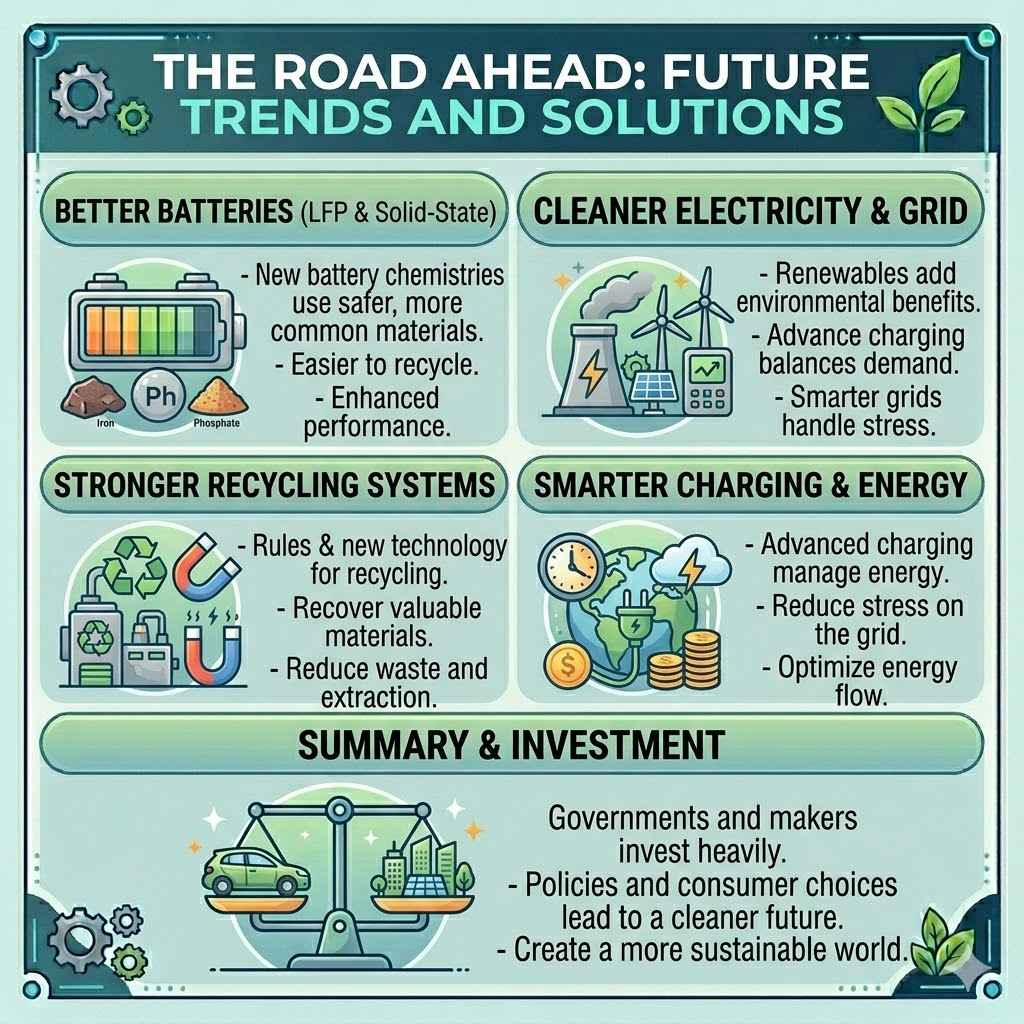
- Better batteries: New battery chemistries, like solid-state or lithium-iron-phosphate, use safer, more common materials and are easier to recycle.
- Cleaner electricity: As countries add more renewables, the environmental benefits of EVs will grow.
- Stronger recycling systems: Rules and new technology will make it easier to recycle batteries and recover valuable materials.
- Smarter grids: Advanced charging and energy management will help balance demand and reduce stress on the grid.
- Lightweight designs: Future EVs may use lighter materials to reduce battery size and energy use.
Governments and car makers are investing heavily in these areas. With the right policies and consumer choices, electric cars can help create a cleaner, more sustainable future.
Frequently Asked Questions
Are Electric Cars Really Zero-emissions Vehicles?
Electric cars have zero tailpipe emissions, but making the car and generating the electricity can create emissions. The total emissions depend on how clean the electricity is and how the battery is made.
How Long Does It Take For An Electric Car To Become “greener” Than A Gasoline Car?
Most electric cars “pay back” their higher manufacturing emissions in 1 to 3 years of driving, depending on the local electricity mix and how much you drive. After that, they are usually much cleaner.
What Happens To Old Electric Car Batteries?
Many old EV batteries are now being reused for stationary storage. Others are recycled to recover valuable materials. The recycling industry is growing, but safe disposal is still a challenge in some areas.
Do Electric Cars Cause More Tire And Road Pollution?
Electric cars can be heavier because of their batteries, which can cause more tire wear. This creates more microplastics. However, carmakers are working to reduce vehicle weight, and this problem can be managed.
Is It Better To Keep An Old Gasoline Car Or Switch To An Electric Car?
If your old car is running well and you drive very little, it may be greener to keep it for now. But if you drive a lot or need a new car, switching to an electric car—especially one charged with clean electricity—will usually reduce your environmental impact over time.
For more data and research, check the International Energy Agency’s Global EV Outlook.
Electric cars are not perfect, but they offer a real chance to cut pollution and move toward a cleaner world. As technology and policies improve, their environmental benefits will only grow. Making smart choices about how we make, use, and recycle electric cars can help us get the most out of this promising new technology.
Related pick: Check today's price on Amazon