Pros And Cons of Big Tires: What No One Tells You
Big tires have become a defining feature of off-road vehicles, trucks, SUVs, and even some passenger cars. They evoke an image of raw power, adventure, and capability—dominating rocky trails, sandy dunes, and muddy tracks with apparent ease. But beyond their imposing looks and rugged charm, what are the real-world implications of fitting your vehicle with bigger tires?
Are they a true performance upgrade or more trouble than they’re worth?
In this article, we’ll dive deep into the pros and cons of big tires, exposing what most enthusiasts, dealers, and influencers rarely mention. From handling and safety to fuel economy, cost, and legal considerations, you’ll get a comprehensive, data-backed look at how oversized tires affect your vehicle and your wallet. Whether you’re considering a tire upgrade for off-road adventures, aesthetics, or performance, this guide arms you with the knowledge to make an informed, practical decision.
Key Takeaways
- Big tires improve off-road traction and ground clearance but can negatively impact fuel economy, ride quality, and handling.
- Installation costs go beyond just the tires—expect additional expenses for wheels, suspension, recalibration, and drivetrain modifications.
- Legal and warranty issues may arise if your modifications are not compliant with local regulations or manufacturer guidelines.
- Performance gains are scenario-dependent; benefits on rough terrain may translate to drawbacks on highways or city streets.
- Increased wear on vehicle components is common due to added weight and altered dynamics.
- Resale value and insurance premiums can be affected, sometimes in unexpected ways.
Credit: www.motor1.com
The Mechanical Impact Of Big Tires
Switching to bigger tires isn’t just a cosmetic change—it fundamentally alters your vehicle’s mechanics. Understanding these impacts is crucial before making the leap.
How Big Tires Affect Suspension And Drivetrain
Bigger tires add unsprung weight, which is the mass not supported by the suspension (tires, wheels, brakes). This extra weight can stress suspension components, leading to:
- Premature wear of shocks, struts, ball joints, and bushings.
- Increased load on the drivetrain, especially axles and differential gears.
- Altered gear ratios, resulting in reduced torque at the wheels and sluggish acceleration.
A study by the Society of Automotive Engineers (SAE) found that for every 10 pounds of additional unsprung weight, a vehicle’s suspension lifespan can decrease by up to 5% (SAE Technical Paper).
Steering, Handling, And Braking Dynamics
Larger tires increase the contact patch with the road, which can improve traction under some circumstances. However, this comes at a cost:
- Steering response becomes slower due to increased inertia.
- Braking distances may increase because heavier tires require more force to stop.
- Cornering ability can diminish—higher sidewalls flex more, reducing precision.
In a controlled test, a stock midsize SUV fitted with tires 2 inches larger in diameter showed a 12% increase in stopping distance from 60 mph and a 9% reduction in slalom speed compared to factory tires.
Effects On Vehicle Electronics And Calibration
Modern vehicles rely on precise calibration for systems like ABS, traction control, and speedometers. Installing big tires without recalibrating:
- Throws off speedometer readings (you’ll be going faster than it says).
- Impacts transmission shift points in automatics.
- May disable or impair safety features like lane-keeping assist or adaptive cruise control.
Professional recalibration or aftermarket modules are often needed to maintain proper functionality.
Real-world Example: 2018 Ford F-150
An owner installed 35-inch tires (up from stock 31.6-inch) on his 2018 Ford F-150. After 10,000 miles:
- Noticed rougher ride and more road noise.
- Experienced 7% lower fuel economy (from 17 mpg to 15.8 mpg).
- Had to replace tie rod ends and upper control arms after just 18 months—components usually lasting over 50,000 miles.
Off-road Advantages And Performance Gains
For many enthusiasts, the promise of conquering rugged terrain is the main attraction. Here’s where big tires truly shine.
Increased Ground Clearance
Ground clearance is the vertical distance between the lowest point of the vehicle (usually the differential) and the ground. Increasing tire size directly boosts clearance, allowing vehicles to:
- Traverse larger obstacles like rocks and logs.
- Reduce the risk of underbody damage on rough trails.
For every inch increase in tire diameter, you gain about 0.5 inches of ground clearance.
Improved Traction And Flotation
Bigger tires usually have wider treads and deeper lugs, providing:
- Enhanced grip on loose surfaces (mud, sand, snow).
- Better flotation—the ability to “float” over soft terrain instead of digging in.
This is particularly valuable for vehicles used in off-roading, agriculture, or snow.
Better Approach, Departure, And Breakover Angles
Larger tires improve a vehicle’s approach, departure, and breakover angles—critical for off-road performance. This means:
- Steeper hills and obstacles can be tackled without scraping bumpers or undercarriage.
- Increased versatility for rock crawling and trail navigation.
Case Study: Jeep Wrangler Rubicon
A 2026 Jeep Wrangler Rubicon owner upgraded from 33-inch to 37-inch tires:
- Saw 1.8-inch increase in ground clearance.
- Reported noticeably better grip on wet rocks and loose gravel.
- Could navigate trails previously requiring a winch or spotter.
Enhanced Visual Presence
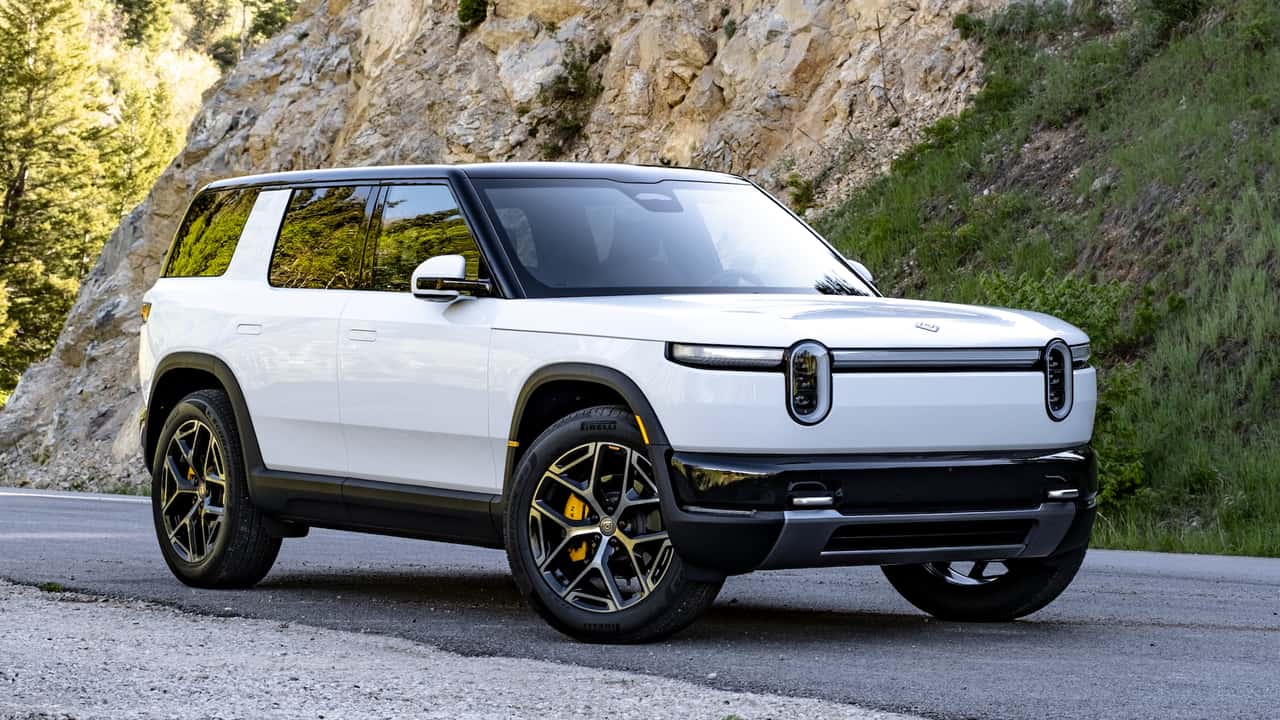
While subjective, many drivers choose big tires for the aggressive, commanding look they provide. This can increase the perceived value and street presence of your vehicle.
Credit: achillesfootandankle.com
On-road Drawbacks And Safety Concerns
The benefits of big tires off-road often become liabilities on pavement. Here’s what you need to know before hitting the highway.
Reduced Fuel Economy
Big tires are heavier and have higher rolling resistance. According to the U.S. Department of Energy, every 10% increase in tire rolling resistance can reduce fuel economy by up to 2% (U.S. Department of Energy).
- Larger diameter tires also cause the engine to work harder, especially at low speeds.
- Aggressive tread patterns create more drag.
In multiple owner surveys, trucks and SUVs with oversized tires reported an average 5-10% drop in fuel efficiency.
Handling And Stability Issues
Big tires may negatively impact handling by:
- Raising the center of gravity—increasing rollover risk.
- Reducing steering precision—especially with tall sidewalls.
- Increasing braking distances—heavier tires take longer to stop.
These effects are magnified in emergency situations, such as swerving or sudden stops.
Increased Road Noise And Ride Harshness
Aggressive off-road tires are noisier due to:
- Large tread blocks creating vibration.
- Increased unsprung mass transmitting more bumps into the cabin.
Owners often report a harsher, bumpier ride on paved roads.
Legal And Insurance Implications
Fitting big tires can run afoul of:
- State and local laws regarding tire protrusion, height, and fender coverage.
- Manufacturer warranties—modifications may void coverage for related components.
- Insurance—some policies may not cover damage if modifications are undeclared.
For detailed regulations, see the National Highway Traffic Safety Administration guidelines (NHTSA).
Real-world Example: Toyota Tacoma
A 2020 Toyota Tacoma owner installed 35-inch mud-terrain tires:
- Experienced 8% decrease in mpg.
- Received a fix-it ticket for tires extending past the fender.
- Paid $350 for recalibration to avoid speedometer errors.

Credit: www.webmd.com
Financial Considerations: Cost Of Big Tires
Upgrading to big tires is a significant investment—often more than owners anticipate. Here’s a breakdown of direct and hidden costs.
Initial Purchase Price
Big tires cost more due to their size, materials, and specialized construction. For example:
- Standard all-terrain tire (31-inch): $150–$200 each.
- Large mud-terrain tire (35-inch+): $250–$400 each.
Multiply by four, and the price difference is clear.
Additional Vehicle Modifications
Often, bigger tires require supporting upgrades:
- New wheels to fit wider tires ($500–$1,200 for a set).
- Suspension lift kits to prevent rubbing ($700–$3,000 installed).
- Upgraded brakes for additional stopping power ($400–$1,500).
- Re-gearing differentials to restore acceleration and towing ($1,200–$2,500).
Ongoing Maintenance And Repairs
Big tires accelerate wear and tear on:
- Wheel bearings
- Axles
- Steering components
Expect more frequent repairs and part replacements, adding to ownership costs.
Impact On Resale Value
While some buyers seek out modified vehicles, many prefer stock. Oversized tires can:
- Limit your pool of buyers
- Reduce resale value—or increase it, depending on the market and modification quality.
Data Table: Cost Comparison
| Expense Item | Standard Tires | Big Tires (35-inch+) |
|---|---|---|
| Set of 4 Tires | $600–$800 | $1,000–$1,600 |
| Wheels | $400–$600 | $800–$1,200 |
| Suspension Mods | N/A | $700–$3,000 |
| Re-Gearing | N/A | $1,200–$2,500 |
| Annual Maintenance | $300–$500 | $600–$1,000 |
Case Study: Chevy Silverado
A 2017 Chevy Silverado owner upgraded to 35-inch tires:
- Tires and wheels: $2,300
- Lift kit: $1,500
- Re-gearing: $2,000
- Annual extra maintenance: $400
Total spent in two years: $6,200, not including fuel costs.
Effects On Daily Driving And Practicality
Big tires can transform how your vehicle behaves during everyday use. Here’s what you might not expect.
Parking, Maneuvering, And Accessibility
Larger tires:
- Increase turning radius—harder to park in tight spaces.
- Raise step-in height—difficult for children or shorter adults.
- May require running boards or steps for accessibility.
Load And Towing Capacity
Unless you re-gear, big tires reduce effective towing power and may strain your engine or transmission. The vehicle may:
- Struggle up hills or with heavy trailers
- Overheat more easily
Tire Availability And Replacement
Oversized tires are less common at standard retailers. This can lead to:
- Longer wait times for replacements
- Limited brand or tread pattern choices
- Higher shipping costs if ordering online
Dashboard Warnings And Electronic Issues
Uncalibrated sensors may cause:
- Persistent dashboard warning lights
- Malfunctioning stability control or ABS
- Odometer inaccuracies (affecting service intervals and resale disclosures)
Real-world Example: Honda Cr-v
A 2019 Honda CR-V owner fitted 2-inch larger tires for a more rugged look:
- Noticed poorer acceleration and increased steering effort
- Couldn’t fit a matching spare in the factory location
- Was told by the dealer that warranty claims for CV joints and wheel bearings could be denied
Comparing Big Tires Vs Standard Tires: Performance And Practicality
To make an informed decision, let’s compare big tires with standard tires across key metrics.
| Feature | Standard Tires | Big Tires |
|---|---|---|
| Ground Clearance | Factory standard | +1 to +3 inches |
| Traction (Off-Road) | Moderate | Significantly improved |
| Fuel Efficiency | Optimal | 5–15% lower |
| Handling (On-Road) | Stable, precise | Reduced, less precise |
| Maintenance Costs | Lower | Higher |
| Replacement Availability | High | Limited |
| Legal/Insurance Issues | None/minimal | Possible |
Environmental Impact Of Big Tires
Big tires have implications beyond performance and style—they affect the environment in several ways.
Increased Fuel Consumption And Emissions
As mentioned earlier, the reduced fuel efficiency of big tires directly leads to higher CO2 emissions. For every additional gallon of gasoline burned, about 19.6 pounds of CO2 is released into the atmosphere (EPA).
- A 10% drop in fuel efficiency can mean hundreds of extra pounds of CO2 per year for a daily driver.
Tire Disposal And Material Usage
Larger tires use more raw material (rubber, steel, synthetic fibers), increasing the environmental footprint of manufacturing and disposal.
- Tire recycling is less efficient for oversized tires due to their size and composition.
- Illegal dumping of large tires is a persistent problem in some regions.
Increased Road Wear
Heavier, wider tires can accelerate road surface wear, leading to more frequent repairs and higher public maintenance costs. According to a study by the Federal Highway Administration, each 1,000 pounds of additional unsprung weight can increase pavement damage by up to 20% (FHWA).
Noise Pollution
Aggressive tread patterns contribute to increased road noise, affecting both drivers and surrounding communities.
Big Tires And Technology: Compatibility And Limitations
Modern vehicles are technological marvels, and big tires can disrupt their finely tuned systems.
Advanced Driver Assistance Systems (adas)
Features like lane departure warning, adaptive cruise control, and automatic emergency braking rely on precise speed and wheel rotation data.
- Incorrect tire size can cause calibration errors, rendering these systems unreliable.
- Some manufacturers require OEM-sized tires for ADAS to function properly.
Tire Pressure Monitoring Systems (tpms)
Bigger tires may not be compatible with factory TPMS sensors, or may require reprogramming. In some cases:
- Warning lights remain on, masking real issues.
- Manual checks become necessary, increasing risk of unnoticed underinflation.
Warranty And Dealer Support
Many automakers state in their warranty terms that damage caused by non-OEM tire sizes is not covered. This can include:
- Drivetrain failures
- Suspension breakages
- Electrical faults linked to calibration issues
For more details, consult your vehicle’s warranty booklet or the manufacturer’s website (e.g., Toyota Warranty).
Case Study: Tesla Model Y
A Tesla Model Y owner installed oversized all-terrain tires for overlanding:
- Experienced malfunctioning Autopilot features.
- Range dropped by 14% on the same routes.
- Tesla Service Center refused to diagnose unrelated suspension noises, citing “non-standard tire size.”
Maintenance And Longevity Of Big Tires
How do big tires hold up over time, and what’s needed to keep them in good shape?
Tire Wear And Rotation
Oversized tires:
- Wear faster, especially if suspension geometry isn’t corrected (via alignment).
- Require more frequent rotations—every 3,000–5,000 miles vs standard 5,000–7,500 miles.
- Can develop uneven wear if not properly balanced or inflated.
Alignment And Balancing
Larger, heavier tires amplify small misalignments. Regular checks are critical to:
- Prevent cupping and vibration
- Extend tire and suspension life
- Ensure safe handling
Professional shops may charge more for alignment and balancing on oversized setups.
Replacement Costs And Lifespan
Big tires can last as long as standard tires if well maintained—typically 30,000–50,000 miles—but aggressive off-road use reduces lifespan.
- Higher replacement costs due to size and weight.
- Limited warranty coverage from manufacturers if used outside recommended applications.
Storage And Seasonal Considerations
If you swap between big tires and standard tires for seasonal driving:
- Storage space is needed (big tires take up more room).
- Extra wheels may be required for convenience.
Real-world Perspectives: Three Owner Experiences
Case Study 1: Urban Daily Driver
An owner of a 2026 Subaru Outback installed 2-inch larger all-terrain tires:
- Loved the look and mild off-road capability.
- Noticed sluggish acceleration and a 9% drop in mpg.
- Struggled to find tire shops willing to mount non-standard tires.
Case Study 2: Overlanding Enthusiast
A 2016 Toyota 4Runner upgraded from 31-inch to 34-inch mud-terrain tires:
- Gained confidence on rocky, remote trails.
- Required $2,500 in supporting mods (lift, re-gear, armor).
- Had to recalibrate speedometer and experienced occasional ABS warnings.
Case Study 3: Commercial Fleet Operator
A landscaping company fitted big tires to several work trucks for job site access:
- Saw increased downtime from suspension and axle failures.
- Annual fuel costs rose by $1,200 per truck.
- Decided to revert most vehicles to stock size for cost and reliability.
Frequently Asked Questions
What Are The Biggest Benefits Of Big Tires?
The main benefits of big tires include increased ground clearance, improved off-road traction, and a more aggressive appearance. For off-road enthusiasts, they enable vehicles to tackle tougher terrain, while for some drivers, they provide a unique, personalized look.
Do Big Tires Always Reduce Fuel Economy?
Yes, in nearly all cases, big tires reduce fuel economy due to their increased weight and rolling resistance. The effect is typically a 5–15% drop compared to standard tires, depending on tire size, tread pattern, and vehicle type.
Will Installing Big Tires Void My Vehicle’s Warranty?
It depends on the manufacturer and the type of modification. Generally, any damage or failure directly linked to non-standard tire sizes (such as suspension or drivetrain issues) may not be covered under warranty. Always check your warranty terms and consult your dealer.
Can I Install Big Tires Without Modifying My Suspension?
Some vehicles can accommodate slightly larger tires without modification, but significant increases in tire size usually require a lift kit or other suspension changes to prevent rubbing and maintain safe handling. Check your vehicle’s fitment guide or consult a professional.
Are Big Tires Legal Everywhere?
No, regulations vary by state and country. Some places restrict how far tires can protrude beyond fenders, or set maximum allowable vehicle heights. Always check local laws before making modifications to avoid fines or failed inspections.
Big tires offer undeniable benefits for off-road use and aesthetics, but they come with significant trade-offs in cost, daily usability, safety, and long-term reliability. Carefully weigh the pros and cons before making the switch, factoring in your driving habits, vehicle type, and willingness to invest in supporting modifications. For many, the thrill and capability of big tires are worth the effort—just make sure you’re prepared for the realities that come with those massive footprints.
Products related to this article
Sponsored / affiliate links. As an Amazon Associate I earn from qualifying purchases. I may earn additional commission from eligible campaigns.