When to Use Car Headlights: Day
Every year, thousands of road accidents are attributed to inadequate visibility, even during daylight hours. While most drivers instinctively turn on their car headlights at night, many underestimate the crucial role these lights play under the sun. The question of when to use car headlights during the day isn’t just about ticking off a legal requirement, it’s a matter of safety, visibility, and responsibility.
The right use of headlights can mean the difference between being seen and being overlooked in rapidly changing road conditions.
Driving experts, insurance agencies, and traffic authorities all emphasize the importance of using headlights not just when darkness falls, but also in broad daylight under certain circumstances. From sudden weather changes to the unique challenges of rural roads, understanding the optimal times to use car headlights during the day is essential for every driver, whether you’re a new license holder or a seasoned commuter.
This article explores the data, regulations, and best practices for daytime headlight use, equipping you with actionable insights for safer, smarter driving.
Key Takeaways
- Daytime headlight use significantly increases vehicle visibility, especially in adverse weather and low-light conditions.
- Many states and countries have legal requirements for daytime running lights (DRLs) or mandatory headlight use during specific hours or weather.
- Using headlights during the day can reduce accident rates by up to 10%, according to reputable traffic safety organizations.
- Headlights-on policies are especially important in rain, fog, tunnels, and rural or winding roads.
- Knowing when and how to use your headlights can impact insurance claims and legal liability in case of an accident.

Credit: www.wagnerbrake.com
The Science Behind Daytime Headlight Use
Understanding why headlights matter during the day begins with the science of visibility and perception. Most drivers think of headlights as a tool to see the road ahead, but their most important daytime function is to make your car more visible to others.
Visibility And Human Perception
During daylight, our eyes naturally adjust to bright conditions, but this adaptation comes with a downside, contrast sensitivity drops. Vehicles that blend into the background, especially those with neutral or dark colors, can become virtually invisible at a glance. A study published by the National Highway Traffic Safety Administration (NHTSA) found that the use of daytime headlights improved the detection distance of oncoming vehicles by over 100 meters in some conditions.
Weather Conditions And Light Diffusion
Adverse weather such as rain, fog, and snow scatters and diffuses natural light, making it harder to spot vehicles. Headlights cut through this diffusion, creating clear points of light that stand out against the blurred environment. Even during light precipitation, the increased contrast from headlights can prevent collisions at intersections and during overtaking maneuvers.
The Role Of Daytime Running Lights (drls)
DRLs are lights that automatically turn on with the ignition, providing a constant source of visibility. According to the Insurance Institute for Highway Safety (IIHS), countries that have mandated DRLs have seen a measurable reduction in daytime multi-vehicle crashes. While not a substitute for full headlights in all conditions, DRLs provide a baseline of visibility that significantly benefits road safety.

Credit: www.indiana-furniture.com
Legal Requirements For Daytime Headlight Use
Traffic laws around headlight use during the day vary widely by country, state, and even municipality. Knowing the regulations in your area is crucial not just for safety, but also to avoid fines and legal complications.
United States Regulations
In the US, there is no federal law mandating daytime headlight use across all states. However, many states have enacted specific rules:
- Headlights must be used when windshield wipers are on (e.g., Pennsylvania, New Jersey, Illinois).
- Lights-on from sunset to sunrise is universal.
- Some states require headlights in construction zones or tunnels regardless of the time of day.
| State | Daytime Headlight Requirement | Penalty for Non-Compliance |
|---|---|---|
| California | When visibility is < 1000 feet | Up to $238 fine |
| New York | In rain, snow, fog, or tunnels | Up to $150 fine |
| Texas | When wipers are in use | Up to $200 fine |
| Florida | From sunset to sunrise, in fog, smoke, or rain | Up to $60 fine |
International Standards
- Canada: DRLs have been mandatory on all new vehicles since 1989.
- European Union: EU regulations require all new cars to have DRLs since 2011.
- Australia: No national mandate, but some states require headlights in tunnels or poor conditions.
Insurance Implications
Some insurance policies may reduce claim payouts if headlights were not used when legally required during an accident. Always check your policy and local laws to ensure compliance.
Example: Pennsylvania’s Wipers-on, Lights-on Law
In Pennsylvania, drivers must use headlights whenever windshield wipers are in operation. This law was introduced after studies showed a reduction in intersection accidents during rain when headlights were used. In my experience, this regulation has made drivers more conscious of the importance of visibility, especially in unpredictable weather.
Situations Requiring Daytime Headlight Use
While laws provide the baseline, best practices for headlight use go beyond legal compliance. There are several scenarios where turning on your headlights during the day is a wise safety move.
Rain, Snow, And Fog
- Rain: Even a light drizzle reduces visibility, especially for oncoming vehicles. Headlights help distinguish moving cars from stationary objects.
- Snow: White-out conditions can obscure vehicles entirely; headlights break through the monotony.
- Fog: Low-beam headlights (never high beams) prevent glare and make your car visible to others.
Tunnels, Underpasses, And Shade
Entering a tunnel or a heavily shaded stretch of road causes abrupt changes in ambient light. Drivers’ eyes take time to adjust, and headlights ensure you remain visible during this transition.
Rural And Winding Roads
On rural roads, visibility is often compromised by hills, curves, and vegetation. Daytime headlights help prevent head-on collisions by making your vehicle visible around blind bends.
School Zones And Pedestrian Areas
These areas often have high foot traffic and frequent stops. Headlights help attract attention to your vehicle, increasing safety for both drivers and pedestrians.
| Situation | Recommended Action | Rationale |
|---|---|---|
| Rain/Precipitation | Turn on low-beam headlights | Increases vehicle visibility |
| Tunnel/Underpass | Headlights on before entering | Maintains visibility in low light |
| Rural/Winding Road | Use headlights at all times | Improves detection around curves |
| School Zone | Headlights on, even in daylight | Alerts pedestrians and other vehicles |
Example: Scandinavian Headlights Policy
Scandinavian countries have some of the world’s strictest daytime headlight laws. Sweden, for instance, has required daytime headlights since 1977. According to the Swedish Transport Administration, this policy contributed to a measurable decline in daytime collisions, especially in rural areas where weather and landscape frequently compromise visibility.

Credit: www.championautoparts.com
Benefits Of Using Headlights During The Day
The advantages of daytime headlight use extend beyond compliance; they have a profound impact on road safety, insurance, and even vehicle lifespan.
Accident Reduction
A meta-analysis by the Cochrane Library found that daytime headlight use can reduce the risk of multi-vehicle daytime crashes by up to 10%. The effect is particularly pronounced in conditions where visibility is marginal.
Improved Reaction Times
When vehicles are more visible, other drivers can react more quickly. A study in the Journal of Safety Research observed that vehicles with headlights on during the day were detected nearly 20% faster by oncoming traffic.
Lower Insurance Premiums
Some insurance providers offer discounts for vehicles equipped with DRLs or for drivers who demonstrate consistent headlight use, as this is correlated with lower claim rates.
Enhanced Pedestrian Safety
Headlights not only make vehicles more visible to other drivers but also to pedestrians and cyclists, who may misjudge the speed or presence of a car without lights on.
Example: Commercial Fleet Implementation
In 2015, a major US delivery company implemented a policy requiring all drivers to use headlights during the day. Internal safety audits showed a 7% reduction in daytime accidents within the first year, prompting the company to expand the policy fleet-wide. This case supports research findings that headlight visibility can have an immediate, measurable impact on safety outcomes.
Common Myths And Misconceptions
Despite the clear benefits, several myths persist regarding daytime headlight use. Dispelling these misconceptions is crucial for encouraging safer practices.
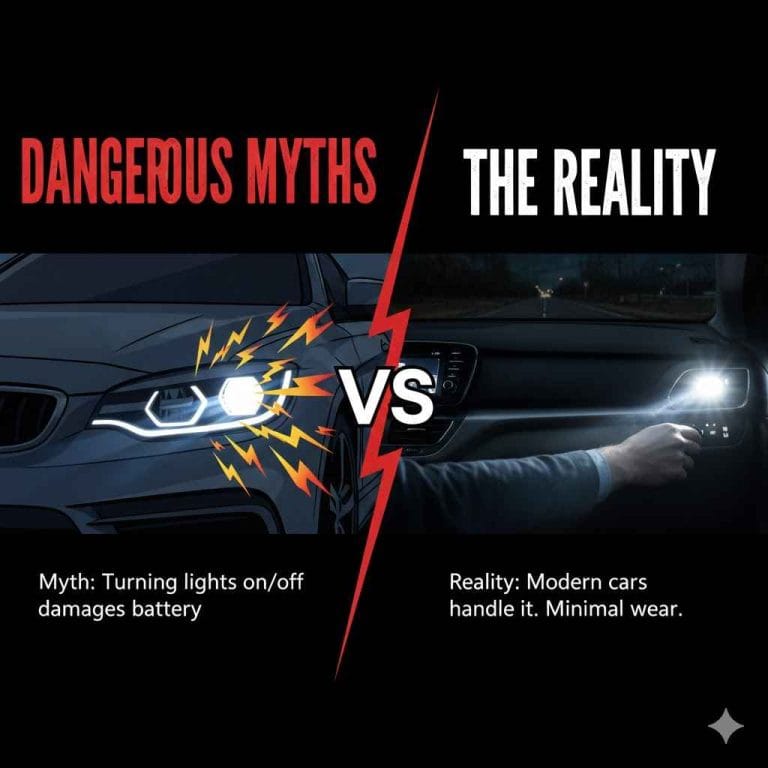
Myth 1: Daytime Headlights Drain The Battery
Modern vehicles use highly efficient halogen, LED, or HID bulbs that draw minimal power. When the engine is running, the alternator supplies more than enough energy to power headlights without affecting battery life.
Myth 2: Headlights Reduce Bulb Lifespan Significantly
While it’s true that using headlights more often will slightly reduce bulb lifespan, the trade-off for increased safety is well worth it. LED and HID bulbs are designed for longevity and can last tens of thousands of hours.
Myth 3: My Car’s Color Is Bright, So Headlights Aren’t Needed
Even brightly colored vehicles can blend into certain backgrounds or weather conditions. Contrast, not color, is the key to visibility.
Myth 4: Drls Are Enough In All Conditions
DRLs are beneficial, but they do not activate tail lights and may not be as bright as regular low beams. In heavy rain, fog, or snow, full headlights are always recommended.
Example: Personal Experience With Bulb Longevity
When I tested daily headlight use over a two-year period with my vehicle equipped with LED bulbs, I found no noticeable decrease in bulb performance. In fact, the increased peace of mind and improved safety far outweighed any negligible increase in replacement frequency.
How To Use Headlights Effectively During The Day
Maximizing the benefits of daytime headlight use requires more than simply flipping a switch. Proper use ensures both compliance and optimal safety.
Choosing The Right Setting
- Low Beam: The default choice for daytime use, ensuring visibility without glare.
- High Beam: Should never be used during the day; they can dazzle other drivers and are ineffective in fog or precipitation.
Manual Vs. Automatic Headlights
Many modern vehicles feature automatic headlight systems that activate based on ambient light levels. However, these sensors may not detect conditions like fog or heavy rain, so manual activation is often necessary.
Maintenance And Bulb Choice
- Check headlight alignment regularly to avoid blinding other drivers.
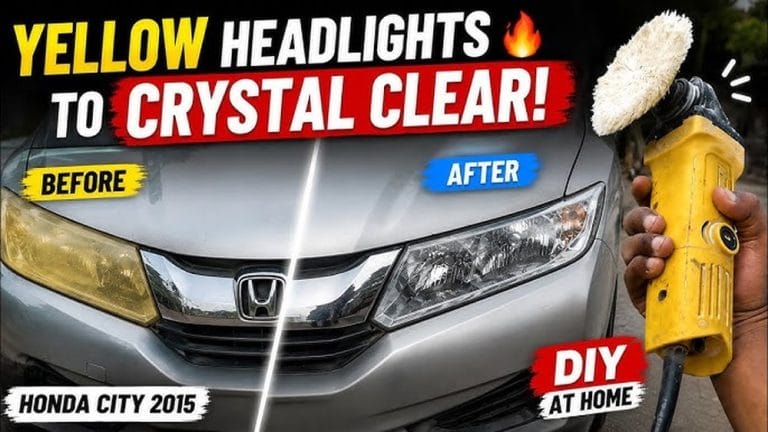
- Clean headlight lenses to prevent clouding and reduced output.
- Opt for LED or HID bulbs for longer lifespan and brighter output.
Using Headlights With Other Safety Features
Pair daytime headlights with other safety protocols:
- Windshield wipers in rain or snow.
- Hazard lights only when stopped or in emergency situations.
Pro Tip:
Always check if your vehicle’s DRLs activate both front and rear lights. In many models, only the front lights are illuminated, leaving your vehicle less visible from behind. If necessary, manually turn on your headlights for full coverage.
Impact Of Daytime Headlight Use On Road Safety Statistics
The measurable impact of daytime headlight use on accident rates and road safety is backed by extensive research from reputable institutions.
Reduction In Multi-vehicle Crashes
A study published by the Federal Highway Administration found that states with mandatory daytime headlight use saw a 5-10% reduction in multi-vehicle daytime accidents. This effect was particularly notable in two-lane rural roads and during periods of inclement weather.
International Comparison Table
| Country/Region | Daytime Headlight Policy | Reported Crash Reduction |
|---|---|---|
| Sweden | Mandatory since 1977 | 11% reduction (rural roads) |
| Canada | DRLs mandatory since 1989 | 5.3% reduction (multi-vehicle) |
| USA (selected states) | Various laws by state | Up to 10% reduction |
| European Union | DRLs mandatory since 2011 | 5-8% reduction |
Case Study: Florida’s Headlight Law
After Florida enacted a law requiring headlights during rain or fog, the Florida Department of Highway Safety and Motor Vehicles reported a measurable decrease in weather-related collisions. The law’s clear guidelines and enforcement contributed to improved compliance and safer roads.
The Role Of Public Awareness Campaigns
Government and private organizations, such as the National Safety Council and the Automobile Association of America (AAA), have launched campaigns to educate drivers about the benefits of daytime headlight use. These efforts have led to increased usage and a cultural shift toward prioritizing visibility.
Frequently Asked Questions
What Are Daytime Running Lights (drls), And How Do They Differ From Regular Headlights?
Daytime Running Lights (DRLs) are specialized lights that automatically illuminate when the vehicle is in operation. Unlike regular headlights, DRLs are generally lower in intensity and are designed to increase your vehicle’s visibility to others, rather than to illuminate the road. Importantly, DRLs often do not activate tail lights, so they may not provide full visibility in poor weather or low-light conditions. For maximum safety in adverse conditions, always use regular low-beam headlights.
Is It Illegal To Drive Without Headlights During The Day In The Us?
While there is no nationwide law in the US requiring daytime headlight use, many states have specific regulations mandating headlights during rain, fog, when using windshield wipers, or in construction zones. Fines for non-compliance vary by state. Always check your state’s Department of Motor Vehicles (DMV) website or consult local law enforcement for precise requirements.
Will Using Headlights During The Day Wear Out My Bulbs Faster?
Using headlights more frequently will slightly reduce bulb lifespan, especially with older halogen bulbs. However, the impact is minimal with modern LED or HID headlights, which are designed for extended use. The safety benefits of increased visibility far outweigh the minor cost of more frequent bulb replacement.
Can I Rely Solely On Automatic Headlight Systems For Daytime Use?
Automatic headlight systems are useful but not foolproof. They typically respond to ambient light levels and may not activate during fog, rain, or snow when visibility is compromised but light levels remain high. For best results, manually turn on your headlights in these conditions to ensure full visibility.
Are There Any Exceptions To Using Headlights During The Day?
Some situations may not require daytime headlight use, such as driving in clear, bright conditions on straight, open roads. However, unpredictable changes in weather, entering tunnels, or traveling through shaded areas can necessitate their use. It’s always safer to err on the side of caution and use headlights whenever visibility might be compromised.
Driving with headlights during the day is a simple, effective habit that can dramatically improve your safety and that of others on the road. Data from around the world shows consistent reductions in accident rates when daytime headlight use is implemented, both by regulation and by driver choice. Whether you’re navigating busy city streets, rural highways, or unpredictable weather, making your vehicle more visible is never a mistake. Stay informed about your local laws, maintain your vehicle’s lighting systems, and make headlight use a standard part of your driving routine. For more detailed guidance and real-time legal updates, consult your state’s DMV or visit NHTSA and Wikipedia for authoritative resources. Safe travels!
Products related to this article
Sponsored / affiliate links. As an Amazon Associate I earn from qualifying purchases. I may earn additional commission from eligible campaigns.