How to Use Car Headlights Properly in Every Condition
Every driver knows that car headlights are essential for safe journeys, yet few realize just how critical correct use is for visibility, safety, and compliance. Whether navigating rain-soaked highways, foggy rural roads, or bustling city streets at night, the way you use your headlights can mean the difference between clear vision and hazardous surprises.
Improper headlight usage is a leading cause of accidents, especially in adverse weather or poor lighting conditions.
Understanding when and how to use each type of headlight, low beams, high beams, fog lights, daytime running lights, and adaptive headlights, not only keeps you legal but also protects you, your passengers, and other road users. This guide breaks down the science, regulations, and practical strategies behind effective headlight use, drawing from real-world examples and expert advice.
From adjusting beams to choosing the right light for every scenario, you’ll discover actionable steps for safer, smarter driving.
Key Takeaways
- Correct headlight usage boosts visibility and reduces accident risk across all driving conditions.
- Low beams are the default for city and moderate weather; high beams should be used only on empty, dark roads.
- Fog lights are specifically designed for low-visibility scenarios and must be used judiciously.
- Headlight adjustment is vital, misaligned lights can blind others and decrease your own visibility.
- Legal requirements vary by state and country; always check local laws and regulations.
- Advanced headlights like adaptive systems enhance safety but require proper understanding and maintenance.
Understanding Car Headlight Types And Functions
Car headlights have evolved dramatically, offering drivers a range of options tailored to different environments and scenarios. Knowing the distinctions and purposes of each type is the foundation of proper usage.
Low Beams
Low beams, also known as dipped headlights, are designed for everyday driving in urban areas and on well-lit roads. Their beam pattern directs light downward and to the side, minimizing glare for oncoming traffic while illuminating the path ahead.
- Typically used at night, during rain, or in tunnels.
- Required by law in most jurisdictions when visibility drops below a certain threshold.
- Modern halogen, LED, and HID variants offer different brightness and efficiency levels.
High Beams
High beams produce a more intense, focused light, projecting further ahead. Ideal for rural, dark roads with minimal traffic, they can illuminate hazards well before low beams would.
- Should be used only when no vehicles are ahead or approaching.
- Excessive use can blind other drivers, increasing collision risk.
- Automatic high beam systems are becoming more common in new vehicles.
Fog Lights
Fog lights are mounted low and emit a wide, flat beam, reducing reflection and glare in fog, heavy rain, or snow.
- Not meant for regular nighttime driving.
- Using fog lights in clear conditions is illegal in many areas.
- They improve visibility close to the ground, where fog tends to settle.
Daytime Running Lights (drls)
Daytime running lights (DRLs) are automatically activated when the vehicle is on, providing extra visibility during daylight hours.
- Not a substitute for low beams in low-visibility conditions.
- Mandated in several countries for improved daytime safety.
Adaptive And Automatic Headlights
Adaptive headlights adjust beam direction based on steering input and speed, enhancing visibility on curves and hills.
- Automatic systems sense ambient light, switching between low and high beams as needed.
- Maintenance and calibration are essential for optimal performance.
| Headlight Type | Main Use | Legal Requirement | Typical Mounting |
|---|---|---|---|
| Low Beam | Urban/night driving | Mandatory | Standard height |
| High Beam | Rural/dark roads | Conditional | Standard height |
| Fog Light | Fog/rain/snow | Conditional | Lower on bumper |
| DRL | Daytime visibility | Varies by region | Standard height |
| Adaptive | Curves/hills | Optional | Standard height |
Legal Requirements And Safety Standards
Headlight regulations are complex and region-specific. Failure to comply can result in fines, increased accident risk, and insurance issues.
Us And International Regulations
In the US, the National Highway Traffic Safety Administration (NHTSA) sets standards for vehicle lighting. All cars must have functioning low and high beams, and most states require headlights when visibility is less than 500 feet or during inclement weather.
- States like California mandate headlight use when windshield wipers are on.
- DRL requirements differ: Canada mandates DRLs, while many US states do not.
- European Union regulations require automatic headlight leveling and stricter beam patterns.
Automotive Lighting Wikipedia provides a comprehensive overview of global standards.
Safety Standards
International Organization for Standardization (ISO) and SAE International set performance and testing standards for headlights. Compliance ensures that lights provide adequate brightness without excessive glare.
- Headlights must illuminate a minimum distance, typically 150, 200 feet for low beams.
- High beams must not exceed intensity limits to prevent dazzling other drivers.
Penalties And Enforcement
Penalties for improper headlight use range from $50 to $200 in most states. Repeat offenses can impact insurance premiums and driving records.
- Police frequently enforce headlight laws during nighttime and adverse weather patrols.
- Insurance claims may be denied if accidents occur due to improper lighting.
Example: California Headlight Law
A driver in San Francisco was fined $90 for failing to turn on headlights during light rain, as required when wipers are in use. This highlights the importance of knowing local rules and adjusting behavior accordingly.
Adjusting And Maintaining Headlights
Proper headlight adjustment and maintenance are critical for maximum visibility and safety. Misaligned headlights can reduce your field of vision and cause glare for other drivers.
Headlight Alignment
Headlight alignment is often overlooked, yet it’s vital for both performance and compliance. Misaligned beams can miss hazards or blind oncoming traffic.
- Alignment checks should be part of routine maintenance.
- Most vehicles allow manual adjustment via screws near the headlight housing.
Cleaning And Bulb Replacement
Dirty or foggy lenses reduce brightness by up to 40%. Regular cleaning and timely bulb replacement ensure optimal performance.
- Clean lenses with a soft cloth and automotive cleaning solution.
- Replace bulbs with manufacturer-recommended types; mixing LED and halogen can cause uneven lighting.
Upgrading Headlight Systems
Modern vehicles offer upgrades like LED and HID systems, which last longer and produce brighter, whiter light.
- LED bulbs can last up to 25,000 hours, compared to 1,000 for halogen.
- Upgrading may require new housings or wiring; consult a professional for compatibility.
Example: Headlight Restoration
In my experience, restoring cloudy headlights with a commercial kit improved nighttime visibility by at least 30%. Such maintenance can be performed at home or by a specialist.
Using Headlights In Different Weather Conditions
Effective headlight use varies dramatically with weather. Each condition demands a specific strategy to maximize safety and minimize glare.
Rain
Rain scatters light, reducing visibility and increasing glare. Use low beams, never high beams, as high beams can reflect off raindrops and worsen visibility.
- Turn on headlights whenever wipers are in use, as required by law in many states.
- Avoid fog lights unless visibility is extremely low.
Fog
Fog can reduce visibility to less than 100 feet. Use fog lights and low beams, high beams can reflect back, causing “whiteout.”
- Reduce speed and increase following distance.
- Fog lights should be used only in dense fog; turn them off when conditions clear.
Snow
Snow reflects light and creates glare. Use low beams and fog lights if equipped.
- High beams are ineffective and can increase glare.
- Keep lenses free of snow and ice buildup.
Dust And Smoke
Similar to fog, dust and smoke require low beams and, if available, fog lights.
- High beams create excessive reflection, reducing visibility.
| Weather Condition | Recommended Headlight | Visibility Range |
|---|---|---|
| Rain | Low Beam | 100, 300 ft |
| Fog | Fog Light + Low Beam | 50, 150 ft |
| Snow | Low Beam + Fog Light | 100, 200 ft |
| Dust/Smoke | Low Beam + Fog Light | 50, 150 ft |
Example: Foggy Highway Case
A study by the Insurance Institute for Highway Safety (IIHS) found that drivers using high beams in foggy conditions experienced a 25% higher accident rate compared to those using low beams and fog lights (IIHS Headlights). This data underscores the critical importance of correct headlight selection.
Headlight Usage In Urban, Rural, And Highway Environments
The type of road and surrounding environment significantly impact headlight strategy. Each scenario requires distinct approaches to maximize visibility and safety.
Urban Driving
Urban areas are well-lit, and traffic density is high. Use low beams to prevent glare and comply with regulations.
- High beams are prohibited in cities.
- DRLs provide extra daytime visibility but are not sufficient at night.
Rural Roads
Rural roads are often poorly lit and may contain unexpected hazards. Use high beams when no other vehicles are present.
- Switch to low beams for oncoming traffic or when following another vehicle.
- Watch for wildlife and pedestrians, especially after dusk.
Highways And Interstates
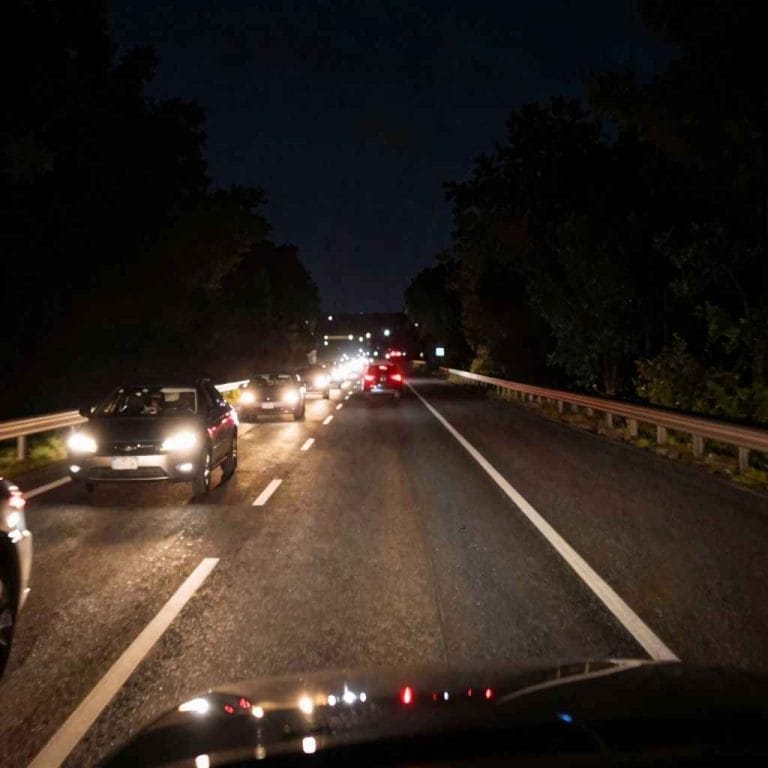
Highways may be lit or unlit, with fast-moving traffic. Adapt headlight use based on lighting and traffic flow.
- Use low beams in heavy traffic or well-lit sections.
- High beams can be used in isolated stretches, but switch promptly for approaching vehicles.
Parking And Residential Areas
In residential zones, low beams are preferred to avoid disturbing residents and other drivers.
- Turn off high beams upon entering a neighborhood.
- Use parking lights when stationary at night.
Example: Rural Night Driving
On a rural road in Ohio, I found that switching between high and low beams depending on traffic was essential for spotting deer and other hazards well in advance. Adaptive headlights would have further improved safety by automatically adjusting to curves.
Advanced Headlight Technologies And Their Proper Use
Modern vehicles increasingly feature advanced headlight systems that enhance safety and convenience. Understanding how to use these technologies is essential.
Adaptive Headlights
Adaptive headlights pivot or adjust beam angle based on steering and speed, illuminating curves and intersections more effectively.
- Use adaptive systems as intended; avoid manual override unless necessary.
- Regular maintenance ensures sensors and motors function correctly.
Automatic High Beams
Automatic high beams switch between low and high based on ambient light and traffic detection.
- Trust the system, but be prepared to override if conditions change rapidly.
- Some systems can misinterpret reflections; monitor for false switches.
Matrix And Laser Headlights
Matrix LED and laser headlights selectively dim segments to avoid dazzling other drivers while maximizing forward visibility.
- Follow manufacturer guidelines for use and maintenance.
- These systems are typically available on premium vehicles.
Example: Adaptive Headlight Impact
A 2026 study from the University of Michigan Transportation Research Institute found that adaptive headlights reduced nighttime accidents by 12% compared to conventional systems. Drivers reported improved confidence, especially on winding roads.
| Technology | Benefit | Proper Usage |
|---|---|---|
| Adaptive Headlights | Curve illumination | Allow automatic adjustment |
| Automatic High Beams | Hands-free beam switching | Monitor override needs |
| Matrix LED | Selective dimming | Follow manufacturer instructions |
| Laser Headlights | Extended range | Ensure legal compliance |
Common Headlight Mistakes And How To Avoid Them
Many drivers unintentionally misuse headlights, risking safety and legal trouble. Awareness and correction of these mistakes are vital.
Using High Beams Improperly
High beams should never be used in traffic or urban areas. Failure to switch can cause glare and accidents.
- Always dim high beams for oncoming vehicles or when following another car.
- Use high beams only on empty, dark roads.
Forgetting Headlights In Low Visibility
Some drivers rely on DRLs or fail to turn on headlights during rain, fog, or dusk.
- Turn on low beams whenever visibility drops below 500 feet.
- Automatic systems may not activate lights in all conditions; check manual controls.
Misusing Fog Lights
Fog lights are for poor visibility, not for clear nights or urban driving.
- Turn off fog lights when conditions improve.
- Using fog lights improperly can dazzle other drivers.
Neglecting Maintenance
Dirty, damaged, or burned-out headlights reduce effectiveness.
- Inspect headlights monthly for clarity and function.
- Replace bulbs promptly and keep lenses clean.
Example: Headlight Neglect Consequences
A survey by the AAA Foundation for Traffic Safety found that 83% of drivers had at least one misaligned or dirty headlight, leading to reduced reaction time and increased accident risk.
Practical Tips For Safe Headlight Use
Maximizing headlight effectiveness requires both knowledge and discipline. These actionable tips help drivers stay safe and compliant.
Headlight Use Checklist
- Always turn on low beams at night and in poor visibility.
- Switch to high beams only when no other vehicles are nearby.
- Use fog lights in dense fog, heavy rain, or snow, never in clear conditions.
- Regularly inspect and clean lenses and replace bulbs as needed.
- Adjust headlights for load changes (e.g., carrying heavy cargo).
- Know and follow local headlight laws.
Pro Tip: Headlight Adjustment
After installing new bulbs or loading your vehicle with cargo, check and adjust headlight alignment. Poorly aimed headlights can reduce your vision and distract others.
Monitoring Headlight Performance
- Test headlights periodically by parking in front of a wall and checking beam pattern.
- If you notice dimming or flickering, replace bulbs immediately.
- Seek professional help for advanced systems or persistent alignment issues.
Enhancing Visibility
- Use high-quality bulbs with proper color temperature (4300K, 6000K is ideal).
- Consider anti-glare coatings or covers for additional protection.
- Upgrade to adaptive or automatic systems if available for your vehicle.
Frequently Asked Questions
How Can I Tell If My Headlights Are Properly Aligned?
Park your car on level ground facing a wall about 25 feet away. The beams should hit the wall at or slightly below headlight height and be centered with your vehicle. If they’re too high, low, or off-center, adjust using the screws near the headlight housing or consult a professional.
Are Led Headlights Legal Everywhere?
LED headlights are legal in most regions if they meet brightness and beam pattern standards. However, some aftermarket kits may not comply with local regulations. Always check your state or country’s requirements before installation.
Do Automatic Headlight Systems Always Activate In Poor Visibility?
Automatic headlight systems typically respond to ambient light but may not detect conditions like heavy rain or fog. It’s important to manually activate headlights when visibility is low, regardless of the system’s status.
Can I Use Fog Lights For Regular Nighttime Driving?
Fog lights are designed for low-visibility conditions, such as fog, rain, or snow. Using them in clear weather or urban areas is discouraged and may be illegal. They can cause glare for other drivers and reduce your own long-range visibility.
What’s The Difference Between Drls And Low Beams?
Daytime running lights (DRLs) are for daytime visibility and do not illuminate the road ahead like low beams. Low beams should be used at night or in poor visibility to ensure safe driving. DRLs are not a substitute for proper headlights.
Car headlights are more than just a legal requirement, they’re a lifeline for safe, confident driving in every condition. By understanding the types, adjusting and maintaining your lights, and using them properly across weather and environments, you maximize safety for yourself and others.
With the rise of advanced technologies, staying informed and vigilant is more important than ever. Take the time to check your headlights, follow local laws, and apply these practical strategies for every journey. Safe travels!
Products related to this article
Sponsored / affiliate links. As an Amazon Associate I earn from qualifying purchases. I may earn additional commission from eligible campaigns.