Car Light Not Switching Off? Here’S Why And How to Fix It
Few automotive issues are as frustrating, and potentially costly, as car lights that refuse to turn off. Whether it’s headlights, interior dome lights, or dashboard illumination, persistent lighting can drain your battery overnight, lead to electrical faults, or even signal deeper mechanical problems.
For many drivers, this issue seems to arise without warning, leaving them wondering whether a quick fix is possible or if a professional repair is inevitable.
Understanding why your car lights won’t switch off is crucial for both immediate troubleshooting and long-term vehicle health. This comprehensive guide examines the most common causes, diagnostic methods, and step-by-step solutions. We’ll also provide real-world examples, expert insights, and comparison tables to help you make informed decisions, whether you’re a hands-on DIYer or prefer to consult a mechanic.
Key Takeaways
- Stuck car lights are often caused by faulty switches, relays, wiring issues, or user error.
- Battery drain is a primary risk; prompt diagnosis and action can prevent costly jump-starts or battery replacement.
- Step-by-step troubleshooting can help you identify whether the issue is simple (like a door left ajar) or complex (like a wiring short).
- Certain car models are prone to specific light-related issues, case studies reveal patterns and best practices.
- Professional help is recommended for complex electrical problems, but many fixes can be handled at home with basic tools.

Credit: www.powerstop.com
Common Reasons Car Lights Won’t Switch Off
Understanding why your car lights remain on is the first step toward solving the issue. The root cause may vary depending on the type of light and your vehicle’s make and model.
Faulty Door Switch Or Sensor
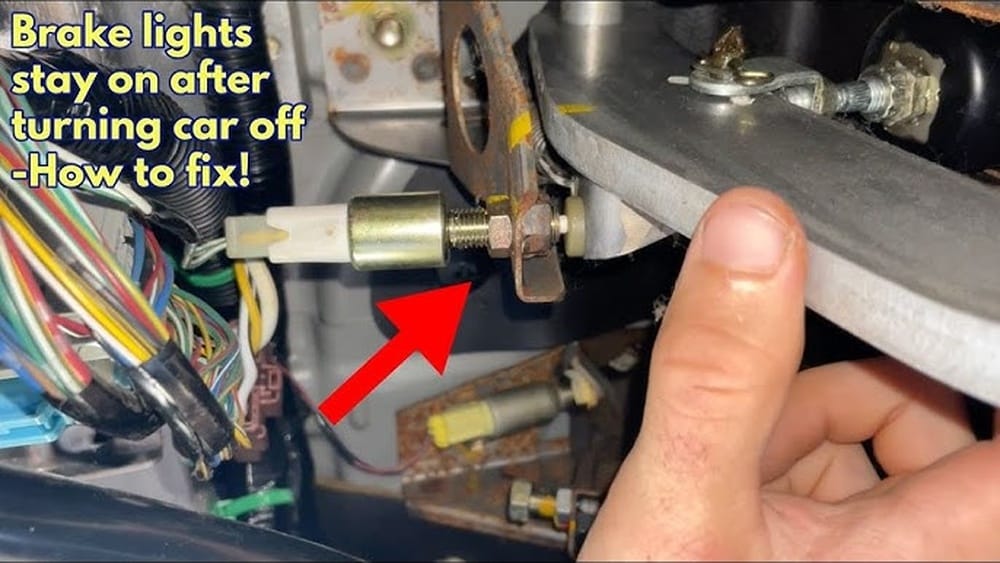
Most interior lights are controlled by door switches or sensors. If a door switch is stuck or malfunctioning, the car’s system might “think” a door is still open, even when it’s not.
- Symptoms: Dome or courtesy lights stay on, dashboard shows an open-door warning.
- Example: On some older Ford vehicles, a sticky door switch can keep the interior lights on until manually fixed.
Headlight Switch Malfunction
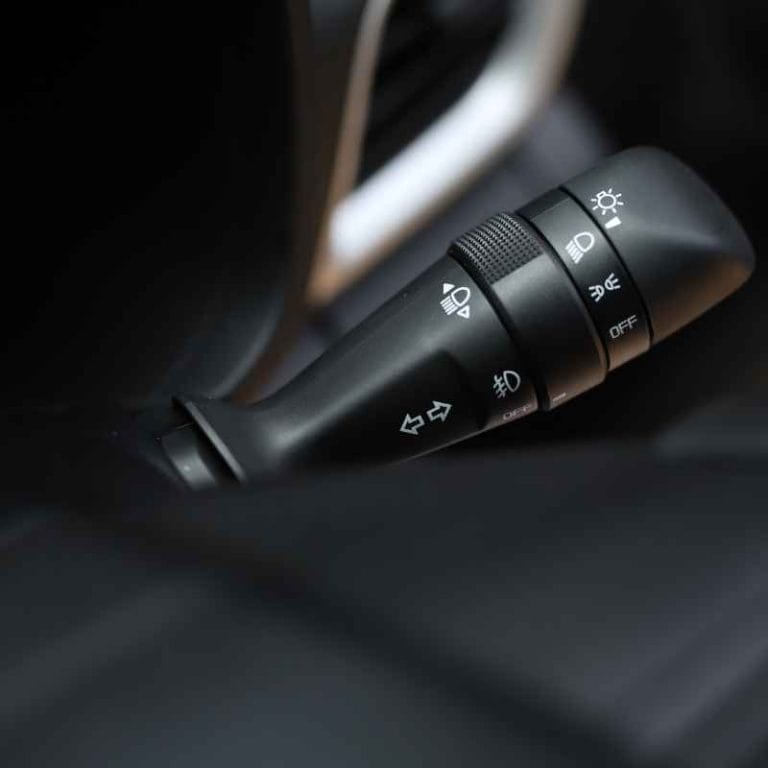
A worn or faulty headlight switch can result in headlights remaining on even after the vehicle is turned off. Over time, repeated use can degrade the switch’s internal components.
- Symptoms: Headlights stay on regardless of switch position.
- Pro Tip: Try toggling the switch several times; if lights flicker, the switch may be failing.
Relay Or Timer Faults
Modern vehicles often use relays or electronic timers to control lighting systems. If a relay sticks or a timer fails, lights may not turn off as designed.
- Symptoms: Lights turn on and off at random, or remain on after the car is turned off.
- Example: In my experience, a stuck headlight relay in a 2012 Honda Accord caused recurring battery drains until replaced.
Faulty Light Sensor (automatic Headlights)
Automatic headlight systems use light sensors to detect ambient lighting. A faulty sensor can cause headlights to stay on even in daylight.
- Symptoms: Headlights never turn off, regardless of outside light.
- Pro Tip: Cover the sensor with a dark cloth to check if lights respond.
Wiring Issues Or Short Circuits
A damaged wire or electrical short can cause persistent lighting. This is more common in older vehicles or those with aftermarket modifications.
- Symptoms: Random lighting behavior, fuses blowing repeatedly.
- Warning: Electrical shorts can be a fire hazard; consult a professional if you suspect this issue.
User Error Or Feature Overlooked
Sometimes, the solution is simple, manual override switches, “auto” light settings, or reading lights left on can all be culprits.
- Symptoms: Specific lights (like map or trunk lights) remain on.
- Example: Many vehicles have delayed lighting features that keep lights on for up to 30 seconds after locking.
Diagnosing The Problem: Step-by-step
Before you can fix the problem, accurate diagnosis is essential. Follow these steps to pinpoint the underlying cause.
Step 1: Identify Which Light Is Stuck
- Headlights: Could indicate a switch or relay issue.
- Interior Lights: Often tied to door switches or manual override.
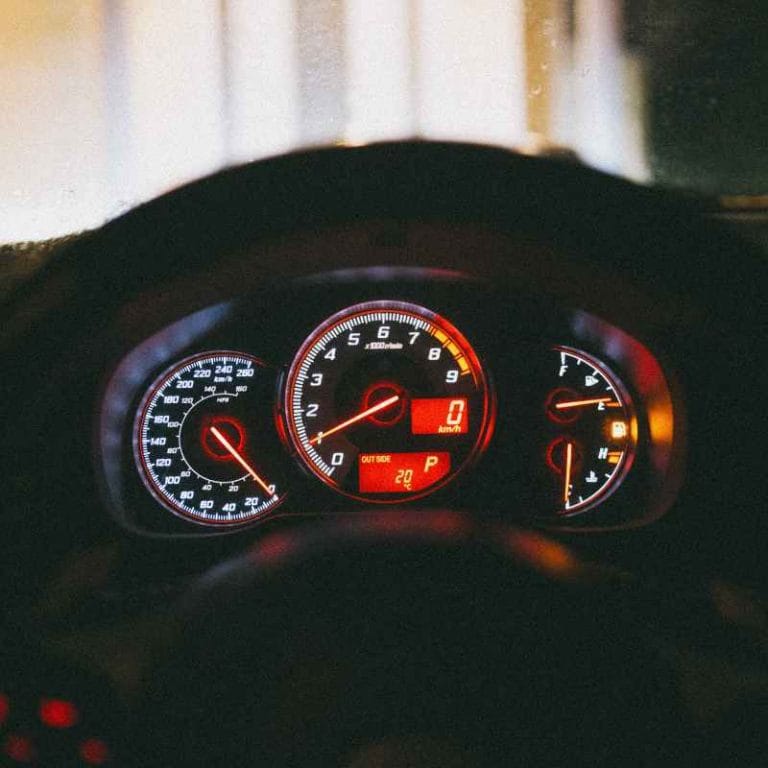
- Dashboard Lights: May be connected to dimmer switches or sensors.
Step 2: Check Basic Settings And User Controls
- Inspect all switches (headlight, dimmer, interior light).
- Review your car’s manual for lighting features, some systems have “courtesy delay” settings.
Step 3: Inspect Door Latches And Switches
- Open and close all doors firmly.
- Look for broken or sticky door switches near the latch.
- Use the dashboard indicator to verify door closure status.
Step 4: Test The Headlight Switch
- Turn the switch on and off several times.
- If the switch feels loose or unresponsive, it may need replacement.
Step 5: Listen For The Relay
- With the car off, listen for a clicking sound from the fuse box when toggling lights.
- No sound could indicate a failed relay.
Step 6: Check For Aftermarket Modifications
- Inspect wiring for alarms, remote starters, or stereo upgrades.
- Disconnect aftermarket accessories to see if the problem resolves.
Step 7: Examine The Light Sensor (if Equipped)
- Locate the sensor (usually on the dashboard).
- Cover it to see if the lights respond.
Step 8: Inspect Fuses And Wiring
- Check the fuse box for blown fuses.
- Look for signs of melted wires or corrosion.
Example: Diagnosing A 2016 Toyota Camry
A 2016 Toyota Camry owner noticed his headlights stayed on after removing the key. By following the above steps, he discovered the “auto” headlight setting was engaged, and the light sensor was covered by a dashboard mat. Removing the mat resolved the issue.

Credit: www.youtube.com
How To Fix: Solutions For Each Common Cause
Once you have identified the root cause, targeted solutions can save time and money. Here’s how to address each major culprit.
Fixing A Faulty Door Switch
- Tools Needed: Screwdriver, contact cleaner, replacement switch (if necessary)
- Steps:
- Locate the door switch, usually a small plunger near the hinge.
- Remove the switch and inspect for corrosion.
- Clean contacts with electrical cleaner.
- Replace the switch if cleaning doesn’t work.
- Pro Tip: Lubricate the plunger to prevent future sticking.
Replacing A Headlight Switch
- Tools Needed: Screwdriver set, replacement switch, owner’s manual
- Steps:
- Disconnect the battery to avoid electrical shock.
- Remove dashboard panels to access the switch.
- Unplug and replace the switch.
- Test before reassembling the dash.
- Example: According to a Popular Mechanics guide, most switches can be replaced in under an hour with basic tools.
Replacing A Relay Or Timer
- Tools Needed: Owner’s manual, replacement relay
- Steps:
- Locate the fuse box and identify the correct relay.
- Swap with a new relay (or test with a similar one from another circuit).
- Observe if the problem resolves.
Repairing A Light Sensor
- Tools Needed: None for testing, replacement sensor if defective
- Steps:
- Clean the sensor area.
- Test by covering/uncovering the sensor.
- Replace if unresponsive.
Addressing Wiring Issues
- Tools Needed: Multimeter, wiring diagram, electrical tape
- Steps:
- Inspect visible wiring for damage.
- Use a multimeter to test for continuity.
- Repair or replace damaged sections.
Resetting Delayed Lighting Features
- Steps:
- Consult your vehicle’s manual for delay settings.
- Adjust or reset as needed.
Table: Common Causes And Fixes
| Issue | Likely Cause | DIY Fix | Tools Required | Difficulty |
|---|---|---|---|---|
| Headlights stay on | Switch/Relay Fault | Replace switch/relay | Screwdriver, relay | Medium |
| Interior lights stay on | Door switch/sensor | Clean/replace switch | Contact cleaner, screwdriver | Easy |
| Lights on after ignition off | Timer/relay fault | Replace relay/timer | Owner’s manual, relay | Medium |
| Auto headlights won’t turn off | Sensor or setting | Check sensor/adjust setting | None or sensor | Easy |
| Random lighting issues | Wiring short | Repair wiring | Multimeter, tape | Hard |

Credit: www.go-parts.com
The Impact Of Persistent Lighting: Data And Consequences
Failing to resolve lighting issues can have significant repercussions for your vehicle and wallet. Here’s what the data shows.
Battery Drain And Replacement Costs
Leaving car lights on can quickly deplete your battery. According to the American Automobile Association (AAA), battery drain from lights left on is a leading cause of roadside assistance calls, especially in colder climates.
- Average cost of a new car battery: $100, $250 (depending on vehicle type)
- Cost of jump-start service: $50, $100 per incident
Electrical System Stress
Persistently active lights can cause overheating of wiring and connectors, potentially leading to shorts or even electrical fires. A 2026 report from the National Fire Protection Association (NFPA) found that electrical faults, including lighting issues, account for over 7% of vehicle fires in the US.
Table: Battery Drain Times By Light Type
| Light Type | Average Power Draw (Watts) | Time to Drain 48Ah Battery | Notes |
|---|---|---|---|
| Halogen Headlights | 110 | ~4 hours | Both headlights on |
| LED Headlights | 40 | ~11 hours | More efficient |
| Interior Dome Light | 10 | ~48 hours | Single bulb |
| Multiple Dome/Map Lights | 30 | ~16 hours | All interior lights on |
Resale Value And Inspection Failures
Persistent electrical faults can negatively impact your car’s resale value. Many pre-owned vehicle inspections include a check for lighting malfunctions. Issues that appear unresolved may raise red flags for potential buyers or result in failed safety inspections.
Example: Battery Drain In Cold Weather
A Minnesota driver found his car wouldn’t start after leaving the headlights on overnight in subzero temperatures. The cold weather reduced battery capacity, making recovery impossible without a tow. This scenario is common in northern states, where AAA reports a 30% increase in battery-related service calls during winter months.
Real-world Examples And Case Studies
Learning from others’ experiences can provide insight into your own car light issues. Here are three real-world cases highlighting different causes and solutions.
Case Study 1: The Stuck Door Switch (subaru Outback)
A 2015 Subaru Outback owner noticed his dome light remained on, even after all doors were closed. After checking each door, he found the rear hatch switch was sticky from accumulated dirt. Cleaning the switch with electrical contact cleaner restored normal function, saving a trip to the dealer.
Case Study 2: Faulty Headlight Relay (honda Accord)
A 2012 Honda Accord’s headlights wouldn’t turn off, draining the battery repeatedly. After testing the headlight switch and fuses, the owner swapped out the headlight relay, resolving the issue. This part cost less than $20 and was replaced in under 10 minutes.
Case Study 3: Wiring Issue From Aftermarket Alarm (chevrolet Silverado)
A Chevrolet Silverado owner installed an aftermarket alarm system. Soon after, the headlights began staying on after the car was off. Investigation revealed a wiring splice for the alarm had shorted, providing constant power to the lighting circuit. Repairing the wire and using a proper connection method fixed the problem.
Table: Common Problems By Vehicle Age
| Vehicle Age | Common Lighting Issue | Likelihood | Best First Step |
|---|---|---|---|
| 0, 5 years | Sensor/feature error | Low | Check settings |
| 6, 10 years | Relay/switch wear | Medium | Test switch/relay |
| 11+ years | Wiring corrosion/shorts | High | Inspect wiring |
Preventive Maintenance And Best Practices
Preventing light-related electrical issues is easier, and cheaper, than dealing with a dead battery or failed inspection. Here are key maintenance tips.
Regular Inspection Of Switches And Sensors
- Check door switches for stickiness or corrosion every 6 months.
- Test all lighting controls during routine oil changes.
Cleanliness Is Key
- Keep sensors and switches free of dirt and moisture.
- Wipe down dashboard and sensor areas regularly.
Battery Health
- Test your battery at least once per year, especially before winter.
- Replace batteries that are more than 4, 5 years old.
Careful With Aftermarket Installs
- Use professional installers for alarms, remote starters, or audio upgrades.
- Ask for a wiring diagram and verify that all connections are insulated.
Consult Your Owner’s Manual
Many lighting issues are unique to specific makes and models. Your car’s manual will include diagrams and troubleshooting steps specific to your vehicle.
When To Call A Professional
Some lighting issues can be safely managed at home, but others require specialized tools or expertise. Here’s how to know when it’s time to seek professional help.
Signs You Need A Mechanic
- Multiple lights affected at once
- Repeatedly blown fuses
- Melted wires or burning smell
- No response after replacing switches or relays
Benefits Of Professional Diagnosis
- Access to advanced diagnostic tools (OBD-II scanners, wiring diagrams)
- Ability to trace hidden wiring faults
- Faster, safer repairs for complex electrical systems
Choosing The Right Repair Shop
- Look for ASE-certified technicians or dealerships specializing in your brand.
- Read online reviews and ask about warranty on repairs.
- For electrical work, ensure the shop has experience with your vehicle’s systems.
Example: Dealership Vs. Independent Shop
A 2017 BMW owner faced a persistent dashboard light issue. The dealership quoted $350 for diagnosis, while a local independent shop solved the problem for $120. Both offered warranties, but the dealership’s included software updates. Consider your priorities, price, expertise, or additional services, before choosing.
Frequently Asked Questions
What Should I Do If My Car Lights Won’t Turn Off And I’m Away From Home?
If you’re unable to fix the lights immediately, disconnect the negative terminal of your battery to prevent it from draining. Use a wrench to loosen the terminal, then reattach it once you’re ready to drive again. This method ensures your battery remains charged until the root issue can be addressed.
Can Leaving My Car Lights On Overnight Damage More Than Just The Battery?
Yes, persistent lighting can overheat wiring, degrade relays, and cause connectors to corrode. Prolonged battery drain may also stress the alternator once you jump-start the car. In rare cases, electrical shorts from persistent current can increase fire risk.
Are Certain Car Brands Or Models More Prone To Lighting Issues?
Some makes and models have known weaknesses, older Ford and GM vehicles often experience door switch failures, while certain European brands rely heavily on sensors that can malfunction. Consult forums or brand-specific resources for model-specific advice, and consider a pre-purchase inspection for used vehicles.
What Tools Should I Keep In My Car To Address Lighting Issues?
A basic toolkit should include a screwdriver set, electrical tape, spare fuses, and a pocket multimeter. Keeping a headlamp or flashlight is also helpful for nighttime troubleshooting. If you regularly encounter electrical issues, a portable jump starter can be a lifesaver.
How Can I Prevent Future Light-related Electrical Problems?
Perform routine inspections of switches and sensors, keep electrical contacts clean, and use caution with aftermarket installations. Replace your battery before it reaches end-of-life, and consult your owner’s manual for recommended maintenance intervals. Investing in professional installation for new electronics minimizes the risk of wiring faults.
Persistent car lighting issues can be stressful, but understanding the causes and solutions empowers you to act quickly and avoid costly repairs. Whether you’re troubleshooting a sticky door switch at home or consulting a professional for complex wiring problems, proactive maintenance and informed decisions will help keep your vehicle reliable. For more detailed electrical system information, check resources like the Automotive Lighting Wikipedia page or your manufacturer’s official service guides.
Products related to this article
Sponsored / affiliate links. As an Amazon Associate I earn from qualifying purchases. I may earn additional commission from eligible campaigns.