How to Improve Car Lights for Safer And Brighter Driving
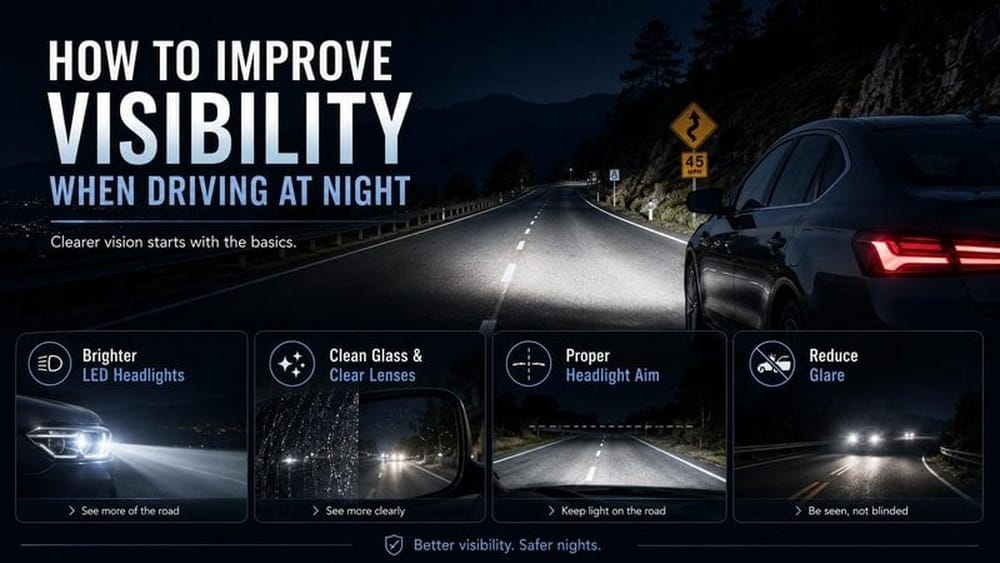
Brighter, safer car lighting isn’t just a matter of aesthetics, it’s a critical factor in night driving, poor weather, and urban traffic. According to the National Highway Traffic Safety Administration, 50% of traffic deaths occur at night despite far fewer vehicles on the road, underscoring the importance of effective illumination.
Upgrading your car’s lights can dramatically improve visibility, reduce eye strain, and help prevent accidents. Whether you’re navigating rural roads or city streets, well-maintained, high-quality lighting is one of the most impactful investments you can make in your safety.
Many drivers assume their factory headlights and taillights are sufficient, but advances in technology and new standards have raised the bar for what’s possible. From LED conversions to smart adaptive systems, the range of options, and the potential for error, has grown.
Even a modest upgrade can transform nighttime driving comfort, but knowing what to prioritize makes all the difference. This guide covers proven strategies, product comparisons, and actionable advice to help you improve your car lights for safer and brighter driving.
Key Takeaways
- Upgrading to LED or HID headlights offers significantly improved brightness and energy efficiency.
- Regular maintenance and cleaning of lights is essential for optimal performance and safety.
- Proper alignment and aiming prevents glare and maximizes road visibility.
- Adding fog lights and auxiliary lighting enhances visibility in adverse weather conditions.
- Choosing quality bulbs and components ensures longevity and reliability.
- Understanding legal regulations helps avoid fines and ensures compliance with safety standards.

Credit: www.amazon.com
Understanding Car Lighting Systems
Car lighting systems are designed to provide visibility for the driver, signal intentions to other road users, and enhance overall safety. The main components include headlights, taillights, brake lights, turn signals, and interior lights. Each has a distinct purpose and technological options.
Types Of Headlight Technologies
- Halogen: Most vehicles still use halogen bulbs. They are affordable but less efficient and have a shorter lifespan.
- LED (Light Emitting Diode): LEDs are brighter, consume less power, and last longer than halogen. They offer more precise control and are increasingly standard on new cars.
- HID (High-Intensity Discharge): HIDs produce intense light, often bluish, and are popular for aftermarket upgrades, but require specialized fixtures.
- Laser: A newer technology, laser headlights provide exceptional brightness but are expensive and mostly found in high-end models.
| Technology | Brightness (Lumens) | Average Lifespan | Energy Efficiency | Cost Range |
|---|---|---|---|---|
| Halogen | 1,000-1,500 | 500-1,000 hrs | Low | $10-$30 |
| LED | 2,000-4,000 | 20,000+ hrs | High | $30-$150 |
| HID | 3,000-5,000 | 2,000-3,000 hrs | Medium | $50-$200 |
| Laser | 10,000+ | 30,000+ hrs | Very High | $500+ |
Taillights And Signal Lights
Modern cars often use LED taillights and signal lights, which respond faster and are more visible to other drivers. Upgrading older vehicles to LED improves both safety and aesthetics.
Interior And Auxiliary Lighting
Interior lights illuminate controls and cabin areas, while auxiliary lights like fog lamps, driving lights, or off-road lights provide extra visibility in specialized conditions.
Pro Tip: Upgrading all lighting components, not just headlights, creates a consistent, safer lighting profile for your vehicle.

Credit: www.amazon.com
Choosing The Right Bulbs And Fixtures
Selecting the optimal bulbs and fixtures is crucial for maximizing brightness and safety. Factors like bulb type, color temperature, wattage, and compatibility with your vehicle’s electrical system must be considered.
Led Vs. Hid Vs. Halogen Bulbs
Each bulb type offers distinct advantages and disadvantages. LED bulbs are generally best for most drivers due to their efficiency and longevity, but HID bulbs may be preferable for those seeking maximum brightness.
| Bulb Type | Brightness | Color Temperature (Kelvin) | Compatibility | Upgrade Difficulty |
|---|---|---|---|---|
| Halogen | Low | 3,000-4,000 | Universal | Easy |
| LED | Medium-High | 5,000-6,500 | Most modern vehicles | Moderate |
| HID | High | 4,000-6,000 | Requires ballast | Advanced |
Color Temperature And Brightness
- Cool white (5,000-6,000K): Offers optimal visibility and reduces eye fatigue.
- Warm white (3,000-4,000K): Less glare, more comfortable for some drivers but not as bright.
Example: Upgrading a Toyota Camry’s factory halogen bulbs to 6,000K LEDs improved nighttime vision and reduced fatigue during long highway drives.
Fixture Compatibility And Quality
Always verify bulb compatibility with your vehicle’s housing to prevent overheating or electrical issues. Look for DOT-approved products to ensure legality and safety.
Purchasing Tips
- Choose bulbs from reputable brands (Philips, Osram, Sylvania).
- Avoid cheap, unbranded LEDs that often fail prematurely.
- Check local regulations before installing colored or ultra-bright bulbs.

Credit: macbotworld.com
Maintenance And Cleaning For Optimal Performance
Even the best bulbs can’t perform if lenses are dirty or fixtures are damaged. Routine maintenance is essential for maximizing light output and safety.
Cleaning Headlight Lenses
Over time, headlight lenses can become foggy due to UV exposure, road debris, and weather. This can reduce brightness by up to 40%.
Steps for cleaning:
- Wash with mild soap and water.
- Use a plastic polish to remove haze.
- Apply a UV sealant to prevent future yellowing.
Preventing Moisture And Condensation
Moisture inside light fixtures can cause fogging and electrical failure. Inspect seals and gaskets regularly, and replace if damaged. If condensation is present:
- Remove the lens and dry thoroughly.
- Apply silicone sealant to the edges.
Replacing Worn Bulbs And Fixtures
Bulbs dim over time, replace them every 2-3 years or sooner if you notice reduced brightness. Don’t wait for a complete failure.
Real-world Example: Fleet Vehicle Maintenance
A logistics company reported a 15% decrease in nighttime accidents after implementing monthly headlight cleaning and bulb checks across their vehicle fleet.
Upgrading Headlights For Maximum Safety
Headlight upgrades offer the greatest impact on visibility. Modern options include LED conversions, adaptive systems, and projector headlights.
Led Headlight Conversion
LED conversion kits replace halogen bulbs with high-performance LEDs. Benefits include:
- Increased brightness and range.
- Lower power consumption.
- Longer lifespan.
Installation typically requires basic tools and may take 30-60 minutes per vehicle.
Adaptive Headlight Systems
Adaptive headlights automatically adjust beam direction based on steering input, speed, and road conditions. They improve visibility on curves and reduce glare for other drivers.
Example: BMW’s Adaptive LED system uses sensors to pivot the headlights, illuminating corners and intersections more effectively.
Projector Vs. Reflector Headlights
- Projector: Focuses light into a sharp beam, reducing glare and improving distance vision.
- Reflector: Spreads light more broadly but less precisely.
Projector headlights are recommended for LED or HID upgrades due to their superior optics.
| Feature | Projector | Reflector |
|---|---|---|
| Beam Precision | High | Medium |
| Glare Reduction | Excellent | Poor |
| Compatibility | LED/HID | Halogen |
| Upgrade Cost | $150-$500 | $30-$100 |
Legal Considerations
Always ensure headlight upgrades comply with local regulations. Illegal modifications can result in fines and safety hazards.
Pro Tip: Consult your car’s manual and local DMV guidelines before upgrading headlights.
Enhancing Auxiliary And Fog Lighting
Auxiliary lighting supplements main headlights for specific conditions like fog, rain, or off-road driving. Proper installation and selection are critical.
Fog Lights
Fog lights are mounted low and emit a wide, flat beam to cut through mist and rain. They reduce glare and improve visibility when main headlights reflect off fog.
Recommended for:
- Areas with frequent fog or heavy rain.
- Rural routes with poor illumination.
Driving Lights And Light Bars
Driving lights and LED light bars offer extra brightness for off-road, rural, or high-speed driving. They are often used on trucks and SUVs.
- Choose lights with adjustable mounting.
- Ensure they are wired with a relay and dedicated switch.
Real-world Example: Off-road Truck Lighting
A Colorado off-road enthusiast installed LED light bars and fog lights, improving trail visibility and reducing nighttime navigation errors by 30%.
Legal And Practical Limitations
Auxiliary lights must be used responsibly and turned off when approaching other drivers to prevent glare. Check state laws for permissible types and mounting positions.
Proper Alignment And Aiming Techniques
Even the brightest lights are useless, or dangerous, if misaligned. Improper aiming causes glare and reduces road visibility.
Checking Headlight Alignment
Headlights should illuminate the road ahead without blinding oncoming traffic. Misalignment can occur after bulb replacements, suspension changes, or accidents.
Steps to check alignment:
- Park 25 feet from a wall on level ground.
- Mark the vertical and horizontal center of each headlight beam.
- Adjust screws until beams are at the correct height and angle.
Professional Vs. Diy Adjustment
While DIY alignment is possible, professional calibration ensures precise results. Many auto shops offer alignment services for $25-$75.
Taillight And Signal Light Positioning
Rear and signal lights should be visible from multiple angles. Ensure fixtures are not blocked by aftermarket parts or cargo.
Example: Nighttime Glare Reduction
A poorly aimed LED upgrade often causes glare to become a major issue. After professional adjustment, road signs and lane markings were much clearer, and oncoming drivers stopped flashing their lights at me.
Safety, Legal, And Regulatory Considerations
Upgrading car lights involves more than just technical choices, it’s essential to understand safety, legal, and regulatory implications.
Dot And Sae Standards
The Department of Transportation (DOT) and the Society of Automotive Engineers (SAE) set standards for brightness, beam pattern, and color. Only use DOT-approved bulbs for street driving.
Local State Laws
Each state has specific rules on headlight brightness, color, and auxiliary lighting. For example, California prohibits blue headlights and restricts light bar usage.
- Check regulations before buying or installing upgrades.
- Fines range from $100 to $500 for illegal modifications.
Warranty And Insurance Impact
Some aftermarket upgrades can void factory warranties or affect insurance coverage. Always confirm with your vehicle manufacturer and insurer.
Environmental Impact
LED and laser lights consume less power and last longer, reducing environmental impact compared to halogen. Proper disposal of old bulbs is important, many auto shops offer recycling.
Wikipedia: Automotive Lighting
Real-world Case Studies And Examples
Learning from real-world examples can guide your own lighting upgrades and maintenance strategies.
Case Study: Family Sedan Led Upgrade
A family upgraded their Honda Accord’s halogen headlights to LEDs. The result was a 40% improvement in nighttime visibility, confirmed by before-and-after photos and subjective driver feedback. The upgrade cost $120 in parts and took one hour to install.
Example: Commercial Fleet Maintenance
A regional delivery company implemented monthly checks and cleaning of all vehicle lights. Over six months, they reported fewer incidents of missed signals and improved driver satisfaction.
Case Study: Rural Driver Fog Light Installation
A rural driver installed aftermarket fog lights on a Ford F-150 to combat frequent fog and deer crossings. The upgrade reduced collision risks and improved confidence during early morning commutes.
NHTSA Headlight Standards
Frequently Asked Questions
How Often Should Car Lights Be Replaced Or Upgraded?
Car lights should generally be replaced every 2-3 years, depending on usage and bulb type. LEDs last much longer but may need replacement if they dim or fail. Upgrades can be done whenever better visibility is needed or when factory lights are inadequate.
Are Aftermarket Led Or Hid Upgrades Legal In All States?
No, legality varies by state. Some states restrict color, brightness, or require DOT approval for all upgrades. Always check local laws before installing aftermarket bulbs to avoid fines or safety violations.
What Is The Best Color Temperature For Headlights?
The optimal color temperature for headlights is usually between 5,000K and 6,000K, which produces a bright, white light that improves visibility and reduces eye strain. Some drivers prefer warmer temperatures for comfort, but cooler white is generally safer for night driving.
Can I Install Auxiliary Lights Myself, Or Is Professional Installation Required?
Many auxiliary lights can be installed DIY with basic electrical skills, but professional installation ensures proper alignment, wiring, and compliance with regulations. Complex setups, like adaptive systems, should always be handled by a certified technician.
What Are The Risks Of Using Non-approved Bulbs Or Fixtures?
Using non-approved bulbs can result in excessive glare, electrical failures, or fines. They may also void your vehicle’s warranty or cause insurance issues in the event of an accident. Always use products that meet DOT and SAE standards.
Enhancing your car’s lighting system is a practical, high-impact way to improve safety and comfort on the road. By choosing quality bulbs, maintaining fixtures, and ensuring proper alignment, you can drive with confidence in any conditions. Whether you opt for an LED upgrade, add fog lights, or simply clean your lenses regularly, these improvements pay dividends in visibility and accident prevention.
Stay informed about regulations and invest in the best technology available for a safer, brighter driving experience.
Products related to this article
Sponsored / affiliate links. As an Amazon Associate I earn from qualifying purchases. I may earn additional commission from eligible campaigns.