Car Headlights Vs High Beams: When to Use Which One
Car Headlights Vs High Beams: When To Use Which One
Whether you’re a daily commuter, a weekend road-tripper, or a professional driver, understanding the difference between car headlights and high beams is crucial for both safety and legal compliance. The way you illuminate the road doesn’t just affect your own visibility; it has a direct impact on every other driver, cyclist, and pedestrian you encounter. Yet, confusion around when to use low beams versus high beams is common, even among experienced motorists. Misusing these lighting systems can lead to decreased visibility, glare for other drivers, and even costly traffic violations.
A surprising number of accidents occur because drivers either overuse or underuse their high beams, or simply fail to switch between them and their regular headlights at the right times. With evolving car technologies, new headlight types, and stricter traffic laws, the stakes are higher than ever.
This article provides a comprehensive, data-driven guide to the differences between car headlights and high beams, the science behind their use, real-world scenarios, and authoritative advice to ensure you’re always driving with the right lights at the right time.

Credit: auxito.com
Key Takeaways
- Car headlights (low beams) and high beams serve distinct purposes and should be used in different driving conditions.
- High beams provide a longer, brighter light pattern ideal for rural or poorly lit roads, but can cause dangerous glare if used around other vehicles.
- Traffic laws regarding headlight and high beam use vary by state and country, misuse can result in fines or penalties.
- Proper use of headlights significantly reduces nighttime accident risk and improves overall road safety.
- Modern cars offer advanced lighting technologies (like adaptive beams), but understanding basic headlight etiquette remains essential.
- Always adjust your headlight use based on road conditions, weather, and the presence of other road users.

Credit: streetsurvival.info
Understanding Car Headlights And High Beams
To use your vehicle’s lighting system effectively, it’s important to grasp how car headlights and high beams are designed, how they function, and why their correct use is critical.
What Are Car Headlights (low Beams)?
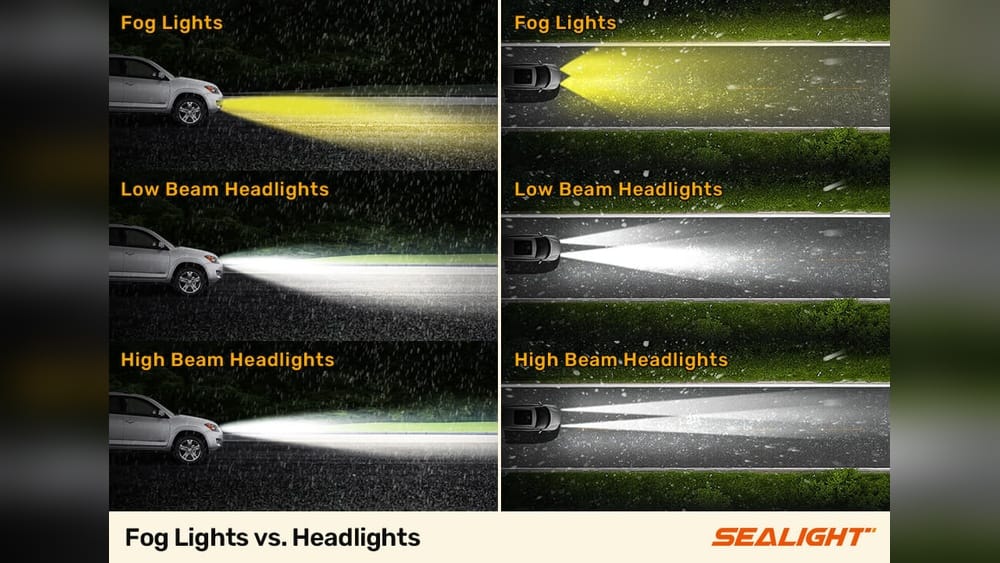
Low beams, commonly referred to as standard headlights, are the primary front-facing lights on your vehicle. They are engineered to provide sufficient illumination of the road ahead without causing glare for other drivers. Low beams project a light pattern that is:
- Angled downward toward the road
- Wider than high beams, illuminating both the lane and roadside
- Limited in range (typically up to 200 feet)
This design ensures you can see obstacles, road markings, and pedestrians, while minimizing the risk of blinding oncoming motorists. According to the National Highway Traffic Safety Administration (NHTSA), low beams are suitable for most night driving situations and during poor weather conditions when visibility is reduced.
What Are High Beams?
High beams (or main beams) are a secondary setting on your vehicle’s headlights, intended for situations where you need enhanced long-range visibility. High beams:
- Project a brighter, more focused light pattern
- Extend visibility up to 350-500 feet in front of the vehicle
- Are not angled downward, resulting in potential glare for others
High beams are invaluable on rural roads, highways without street lighting, and in areas where obstacles or wildlife are common. However, because of their intensity and range, they can severely impair the vision of oncoming drivers or those ahead of you.
Technical Differences Between Low Beams And High Beams
The engineering behind low and high beams differs in several key aspects:
| Feature | Low Beams | High Beams |
|---|---|---|
| Beam Angle | Angled downward | Straight ahead |
| Illumination Distance | ~200 feet | 350, 500 feet |
| Light Intensity | Moderate | High |
| Glare Risk | Low | High |
| Usage | Urban/traffic/wet/fog | Rural/empty roads |
Understanding these differences is the first step toward safer, more responsible driving.
Importance Of Proper Headlight Usage
The Insurance Institute for Highway Safety (IIHS) reports that nearly 50% of traffic fatalities occur at night, even though only a quarter of travel happens after dark. Effective headlight use is a proven way to mitigate this risk. In my experience, even seasoned drivers often underestimate the impact that correct lighting can have on reaction times and accident prevention.
Proper use of low and high beams ensures both your safety and the safety of others.
Credit: carlightvision.com
When To Use Car Headlights (low Beams)
Knowing when to rely on your low beams is essential for legal compliance and road safety.
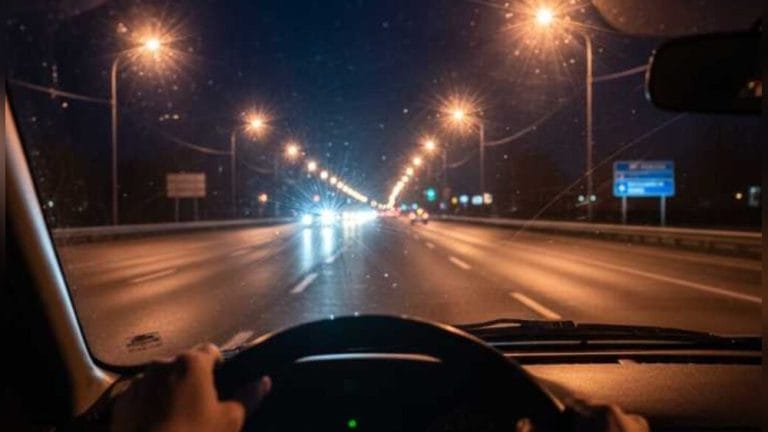
Nighttime Driving In Urban And Suburban Areas
Low beams are designed for areas where:
- Street lighting is present
- Other vehicles are nearby (oncoming or ahead in your lane)
- Pedestrians and cyclists are likely to be present
In these environments, the downward angle and limited range of low beams prevent glare and allow for safe navigation without disturbing others.
Poor Weather Conditions
Low beams should be your default in adverse weather, such as:
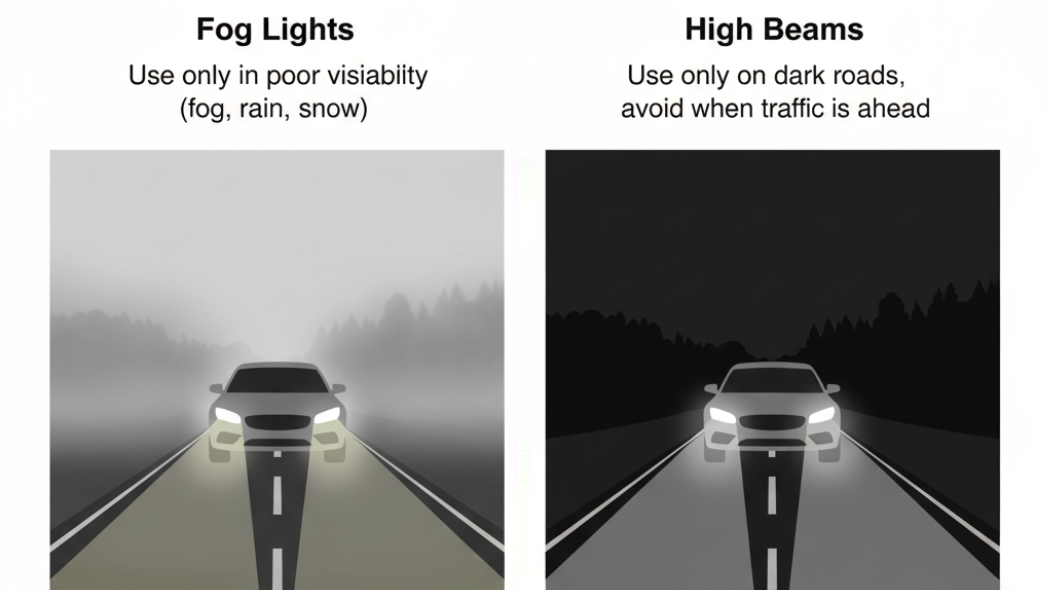
- Rain, snow, or fog: High beams can reflect off water droplets or snowflakes, actually reducing your visibility.
- Dusty or smoky roads: As with fog, high beams amplify glare in the air.
Example: According to the California Driver Handbook, drivers must use low beams in fog, as high beams will “reflect back and cause glare.”
Dusk And Dawn
During twilight hours, visibility can be deceptively low. Low beams make your vehicle more conspicuous to other road users without overwhelming their vision.
Passing Other Vehicles Or Approaching Traffic
Whenever you encounter:
- Oncoming vehicles within 500 feet
- Vehicles ahead in your lane within 300 feet
You must switch to low beams to prevent blinding other drivers. Many states, including Texas and New York, enforce this through traffic laws.
Entering Tunnels Or Parking Structures
Lighting often changes quickly in tunnels or covered parking. Using low beams ensures you’re visible to others while adapting to the reduced light.
When To Use High Beams
High beams are a powerful tool for maximizing visibility, but only in the right circumstances.
Rural Or Unlit Roads
The most appropriate situation for high beam use is on rural highways, country roads, or any area with:
- No street lighting
- Sparse or absent traffic
- Potential wildlife crossings
On these roads, hazards may appear suddenly, and the extra distance illuminated by high beams provides critical reaction time.
Highway Driving With Little Traffic
When driving on highways at night with little to no traffic, high beams can help you spot:
- Debris or obstacles
- Road signs
- Animals at the roadside
However, you must be vigilant about switching back to low beams when vehicles approach from the opposite direction or are ahead of you.
Navigating Construction Zones
In poorly lit or under-construction areas, high beams can reveal temporary barriers, machinery, or workers that may not be visible with low beams alone, provided there are no other vehicles or workers directly in your line of sight.
Off-roading Or Private Roads
If you’re driving off-road or on private property without nearby traffic, high beams offer maximum visibility for uneven terrain or unexpected obstacles.
Specific Legal Requirements For High Beam Use
Many jurisdictions specify when you must switch off high beams:
- Within 500 feet of oncoming vehicles (most US states)
- Within 200-300 feet of a vehicle ahead (varies by state)
- In inclement weather or fog, high beams are often prohibited
For a comprehensive overview, refer to the NHTSA Headlights Information page.
Legal Considerations And Regulations
Headlight and high beam usage is governed by strict laws to promote safety and reduce the risk of accidents caused by glare.
Us Federal And State Laws
While federal guidelines set minimum standards for headlight performance, state laws determine:
- When headlights must be on (usually from sunset to sunrise, and during adverse weather)
- When high beams can be used
- Penalties for misuse (fines, points on license)
Example: In California, it is illegal to use high beams within 500 feet of an oncoming car or 300 feet of a car you are following. Violations can result in fines of up to $238.
International Standards
Headlight rules are equally strict outside the US:
- United Kingdom: High beams must be dipped when another vehicle is approaching or you are following another car.
- Australia: Similar requirements, with additional penalties for misuse.
Common Penalties For Misuse
Consequences for improper high beam use include:
- Monetary fines (typically $50, $250 in the US)
- License points
- Insurance premium increases for repeated offenses
Headlight Inspection And Maintenance Laws
Several states require regular headlight inspections as part of annual vehicle safety checks. Non-compliance can lead to your car failing inspection and being banned from the road until fixed.
Comparison: Headlight Laws By Region
| Region | High Beam Distance Limit (Oncoming) | High Beam Distance Limit (Following) | Fine Range |
|---|---|---|---|
| California | 500 feet | 300 feet | $50, $238 |
| United Kingdom | Required to dip at any visible vehicle | Required to dip at any visible vehicle | £50, £100 |
| Australia | 200 meters (~656 feet) | 200 meters (~656 feet) | AUD 110, 220 |
To avoid legal trouble, always review your local regulations or consult a professional.
The Science Of Headlight Glare And Visibility
The relationship between lighting and visibility is rooted in physics, human biology, and road engineering.
How Headlight Glare Impacts Vision
Glare occurs when intense light enters the eye, creating discomfort or temporary blindness. According to the AAA Foundation for Traffic Safety, headlight glare can reduce a driver’s ability to see objects by up to 70%.
Effects On Reaction Time And Accident Risk
- Reduced visibility: Glare from high beams can obscure obstacles, road markings, or pedestrians.
- Delayed reaction times: The National Safety Council (NSC) notes that drivers exposed to glare may take up to 1.4 seconds longer to react, a significant difference at highway speeds.
- Higher accident rates: The IIHS reports that improper high beam use contributes to thousands of nighttime accidents annually.
The Role Of Eye Adaptation
The human eye needs several seconds to adapt between bright and dark conditions. Sudden exposure to high beams can leave drivers “night blind,” struggling to see until their eyes adjust.
Weather And Atmospheric Effects
- Fog: High beams scatter off water droplets, creating a “white wall” and reducing forward visibility.
- Rain and snow: Similar scattering occurs, making low beams the safer choice.
Technologies To Reduce Glare
Modern vehicles may offer:
- Automatic high beam assist: Sensors detect oncoming traffic and switch beams accordingly.
- Adaptive lighting: Beam patterns adjust based on speed, steering, and traffic.
These systems aim to maximize visibility while minimizing the risk of glare.
Real-world Scenarios And Case Studies
Learning from real driving situations can help you make better decisions about when to use headlights or high beams.
Scenario 1: Rural Night Driving
A study by the IIHS found that rural roads without street lighting have a fatal crash rate three times higher than urban roads at night. In one documented case, a driver traveling on an unlit country highway failed to use high beams, resulting in a collision with a deer.
The investigation determined that the driver’s reaction time would have doubled if high beams had been used, potentially avoiding the accident.
Scenario 2: Urban Commute With Oncoming Traffic
During a typical city commute, frequent oncoming vehicles and well-lit roads make high beam use inappropriate. In my experience, I once encountered a driver who failed to dip their high beams at an intersection. The resulting glare made it nearly impossible to see a pedestrian crossing, highlighting the dangers of misuse.
Scenario 3: Adverse Weather On The Interstate
A Pennsylvania Department of Transportation report describes a multi-vehicle pileup during heavy fog. Several drivers mistakenly used high beams, which reflected off the fog and reduced everyone’s visibility. Emergency responders cited improper headlight use as a contributing factor.
Scenario 4: Off-road Adventure
A group of off-road enthusiasts navigating a forest trail at night relied on high beams and auxiliary lights. With no other vehicles around, this maximized their ability to spot downed branches and uneven terrain, demonstrating the right context for high beam use.
Scenario 5: Technology In Action
A recent review of adaptive headlight technology by Consumer Reports found that vehicles equipped with automatic high beam assist reduced driver error by 25%. The system seamlessly switched beams, improving safety without requiring manual intervention.
How To Switch Between Headlights And High Beams Safely
Properly toggling between low and high beams is more than just flipping a switch, it’s a matter of timing, awareness, and etiquette.
Recognizing When To Switch
Use these cues:
- Approaching headlights: Dim high beams when you see another vehicle’s lights ahead.
- Closing on a vehicle: Switch to low beams when you catch up to another car in your lane.
- Entering urban areas: Return to low beams as soon as streetlights or traffic appear.
Using The High Beam Indicator
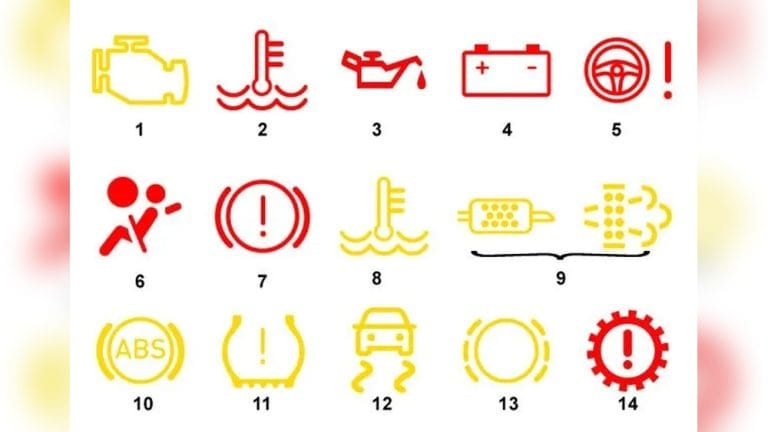
Most vehicles have a blue dashboard light that signals when high beams are active. Always check this indicator to avoid accidental misuse.
Best Practices For Headlight Switching
- Look for reflective surfaces: Road signs or markers may indicate an approaching vehicle around a bend.
- Be proactive: Dim your lights early, before your beams can affect another driver’s visibility.
- Practice courtesy: If another driver flashes their headlights at you, it’s often a sign your high beams are causing glare.
Technology-assisted Switching
Many new cars feature automatic high beam systems that use sensors to detect traffic and manage beams for you. Always familiarize yourself with your car’s lighting controls and settings.
Common Mistakes To Avoid
- Leaving high beams on in traffic
- Forgetting to switch after passing
- Using high beams in fog or snow
Pro Tip: Practice switching between low and high beams in a safe, empty parking lot to build muscle memory and confidence.
Headlight Technology: From Halogen To Adaptive Systems
Modern vehicles offer a range of lighting technologies, each with unique advantages and considerations for beam use.
Halogen Vs. Hid Vs. Led Headlights
| Type | Brightness | Lifespan | Cost | Common Usage |
|---|---|---|---|---|
| Halogen | Standard | 500, 1,000 hours | Low | Most older vehicles |
| HID (Xenon) | High | 2,000+ hours | Medium | Luxury/some modern cars |
| LED | Very High | 15,000+ hours | High | Most new vehicles |
LED and HID systems are often paired with adaptive lighting features, which further enhance safety.
Adaptive Headlights
Adaptive headlights automatically adjust beam direction and intensity based on:
- Steering angle
- Vehicle speed
- Presence of other vehicles
This helps ensure optimal illumination without causing glare.
Automatic High Beam Assist
This feature uses cameras and sensors to detect traffic and toggle high beams on or off. It’s increasingly available in mid-range and premium vehicles.
Retrofitting And Aftermarket Options
Drivers of older vehicles can often upgrade their headlights, but should ensure any modifications comply with local regulations.
Maintenance And Alignment
Regardless of technology, headlight maintenance is critical:
- Clean lenses regularly
- Check alignment annually
- Replace bulbs as needed
Neglecting these tasks can dramatically reduce effectiveness and increase the risk of glare or accidents.
Safe Driving Tips For Nighttime And Low-visibility Conditions
Optimizing your headlight use is just one aspect of safe night driving.
Maximize Your Visibility
- Keep headlights and windshield clean
- Adjust your mirrors to reduce glare from vehicles behind you
- Wear anti-reflective glasses if you have prescription lenses
Control Your Speed
Reduced visibility means less reaction time. Drive slower than you would during the day, especially on unfamiliar or poorly lit roads.
Scan The Road Ahead
Look further down the road than usual. Use peripheral vision to watch for movement at the roadside, such as animals or pedestrians.
Watch For Road Signs And Markings
Reflective signs and lane markers are designed to catch your headlights. Use them to judge curves, intersections, or potential hazards.
Avoid Distractions
Stay focused, avoid using mobile devices, and minimize in-cabin lighting that could affect your night vision.
Be Aware Of Fatigue
Driving at night is more tiring. Take breaks as needed, and avoid driving if you feel drowsy.
Use Fog Lights Correctly
If your vehicle has fog lights, use them in conjunction with low beams during fog, heavy rain, or snow, not as a substitute for high or low beams.
Frequently Asked Questions
What Should I Do If Another Driver Fails To Dim Their High Beams?
If an oncoming driver does not switch off their high beams, avoid looking directly at their lights. Instead, focus on the right edge of your lane or the white line to guide your steering. You may also briefly flash your own high beams to signal the other driver, but avoid escalating the situation.
Are Automatic High Beam Systems Always Reliable?
Automatic high beam assist systems are generally accurate but may not detect every situation, such as motorcycles or vehicles without headlights. Always remain attentive and be prepared to override the system manually if needed.
How Do I Know If My Headlights Are Properly Aligned?
Improperly aligned headlights can reduce visibility and cause glare. To check alignment, park on a flat surface facing a wall and observe the light pattern. The beams should be level and point slightly downward. For precise adjustment, refer to your vehicle’s manual or consult a professional mechanic.
Can I Use High Beams In Heavy Rain Or Snow?
No. High beams should not be used in heavy rain or snow, as the intense light can reflect off water or snowflakes and make it harder to see. Use low beams and, if equipped, fog lights for better visibility in these conditions.
What Are The Signs That My Headlights Need Maintenance Or Replacement?
Dimming, flickering, yellowing of the headlight lens, or uneven light patterns are signs your headlights may need attention. Regularly inspect your lights and replace bulbs or clean lenses as needed. If you notice reduced nighttime visibility, schedule a professional checkup.
References
- NHTSA Headlights Information
- Insurance Institute for Highway Safety (IIHS): Headlights
Mastering the use of car headlights and high beams is a fundamental skill for every driver. By understanding the differences, following legal guidelines, and practicing proper etiquette, you’ll not only enhance your own safety but contribute to a safer driving environment for everyone.
Remember, the right lighting choice at the right time could make all the difference on your next nighttime journey.
Products related to this article
Sponsored / affiliate links. As an Amazon Associate I earn from qualifying purchases. I may earn additional commission from eligible campaigns.