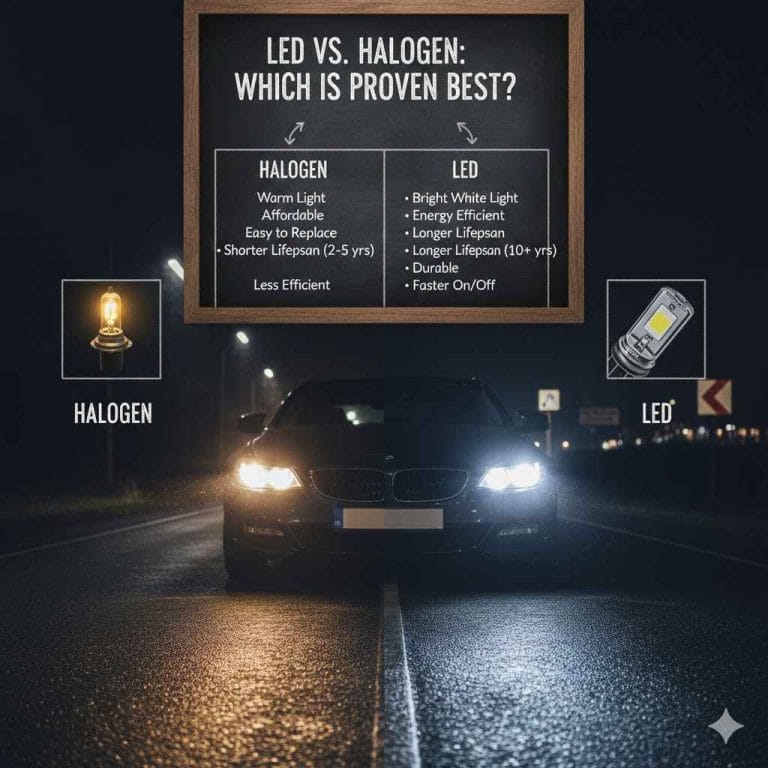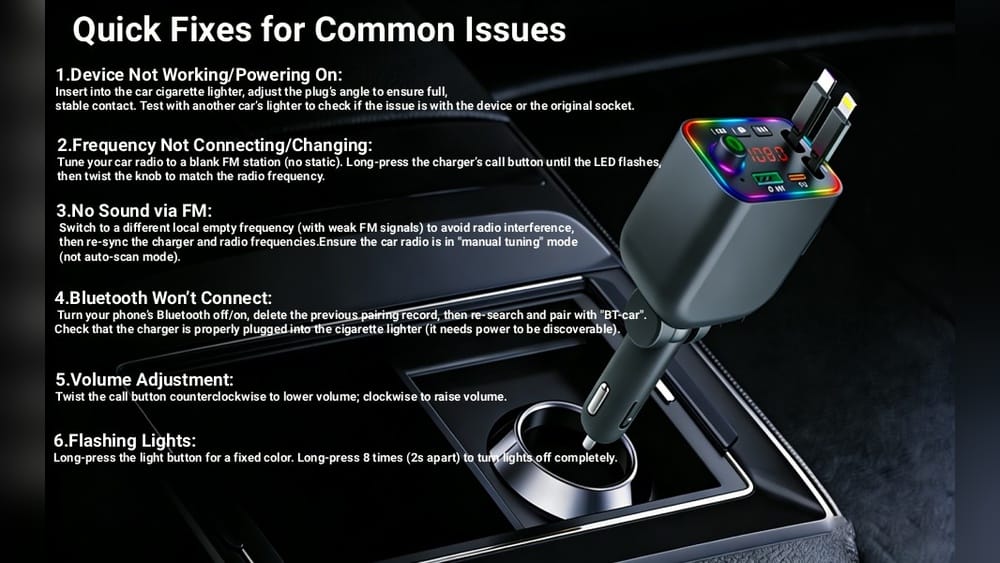
How to Turn Off Auto Lights on Your Car (Quick Fix)
Many modern vehicles come equipped with automatic headlights, a feature designed to improve safety and convenience. These lights turn on or off based on ambient light levels, such as at dusk or when entering a tunnel, reducing the chances of driving with lights off at night. However, there are times when drivers need to turn off auto lights, perhaps for car shows, battery preservation during maintenance, or personal preference. If you’ve ever found yourself frustrated by headlights that refuse to turn off when you want them to, you’re not alone.
Understanding how to disable or adjust your car’s automatic lighting system can be tricky. Each manufacturer uses a different configuration, and what works for a Toyota Camry may not apply to a Chevrolet Malibu or Honda Accord. This guide breaks down the reasons you might want to turn off auto lights, the steps for different vehicle types, the associated risks and benefits, and how to troubleshoot common issues. Whether you’re a DIY enthusiast or a daily commuter, you’ll find practical solutions here.
Key Takeaways
- Automatic headlights can usually be turned off or adjusted, but methods vary by make and model.
- Disabling auto lights may involve dashboard controls, menu settings, or, in rare cases, fuse removal.
- Turning off auto lights can impact safety and may not be legal in all regions, check your local laws.
- Common issues include sensors malfunctioning or settings not saving; troubleshooting steps are provided.
- Consult your owner’s manual or a professional for model-specific instructions to avoid damaging your vehicle.

Credit: www.youtube.com
Understanding Automatic Headlights
Automatic headlights are designed to enhance driving safety and convenience by ensuring your lights are always on when needed. This technology, while a boon for many, can sometimes create frustrations for drivers who wish to have more manual control over their lighting system.
What Are Automatic Headlights?
Automatic headlights use a light sensor, usually mounted on the dashboard or rearview mirror, to detect ambient light levels. When it gets dark or you enter a dim environment, the system triggers the headlights. This feature has become standard on most vehicles manufactured after 2010, particularly in markets like North America and Europe.
How Do They Work?
The system’s light sensor constantly monitors the surrounding light. If levels drop below a preset threshold, it sends a signal to the car’s body control module (BCM) or lighting control module (LCM) to activate the headlights. Conversely, when light levels rise, the system turns the headlights off.
Some vehicles also tie this function to the windshield wipers, activating headlights automatically in rainy conditions.
Benefits And Drawbacks
Benefits:
- Ensures headlights are on in low-light situations, reducing accidents.
- Reduces the chance of forgetting to turn lights on or off.
- May increase vehicle resale value.
Drawbacks:
- Less manual control, which can be frustrating in certain scenarios (e.g., car shows, battery maintenance).
- Sensors can fail, resulting in headlights staying on or off at inappropriate times.
- Some systems can be overly sensitive to shadows or brief changes in light.
Real-world Example
A 2026 Honda Accord owner reported that their headlights would remain on even during bright daylight due to a malfunctioning ambient light sensor. This resulted in unnecessary battery drain and frustration, prompting them to seek ways to manually override the system.

Credit: www.youtube.com
Why Drivers Want To Turn Off Auto Lights
While automatic headlights offer safety and convenience, there are legitimate reasons why drivers might wish to disable or override this feature. Understanding these motivations can help you decide if turning off auto lights is right for you.
Car Shows And Vehicle Maintenance
At car exhibitions, owners often want to display their vehicles with specific lighting or none at all, to highlight paintwork or modifications. Similarly, during maintenance or detailing, keeping the lights off can prevent battery drain and avoid accidental burns from hot bulbs.
Battery Preservation
If your car’s auto lights stay on due to a faulty sensor or wiring, it can quickly drain the battery, especially if you need to leave the car in accessory mode for diagnostics or repairs. Disabling auto lights can help conserve battery life in these situations.
Personal Preference And Control
Some drivers simply prefer manual control over their vehicle’s features. Automatic systems can be seen as intrusive or inconsistent, especially if the sensor sensitivity doesn’t match the driver’s expectations.
Privacy And Security
In certain situations, such as when entering a gated community late at night, drivers may not want lights automatically illuminating their arrival. Manual control offers more discretion.
Example
In my experience, while working on a friend’s 2018 Toyota Camry, the auto lights repeatedly activated during a battery replacement, leading to unnecessary battery depletion. Disabling the auto lights temporarily resolved the issue.
Methods To Turn Off Auto Lights: Step-by-step Guide
Disabling or adjusting automatic headlights varies widely depending on your vehicle’s make, model, and year. Below, we outline the most common methods, from simple dashboard controls to more advanced solutions.
Using Dashboard Controls
Many vehicles offer a dedicated headlight control dial or switch on the dashboard or steering column. Here’s how to use it:
- Locate the Control Dial: Usually marked with symbols like “AUTO,” a headlight, and “OFF.”
- Turn to ‘OFF’ Position: Rotate the dial from “AUTO” to “OFF.” In some models, this disables the auto lights entirely.
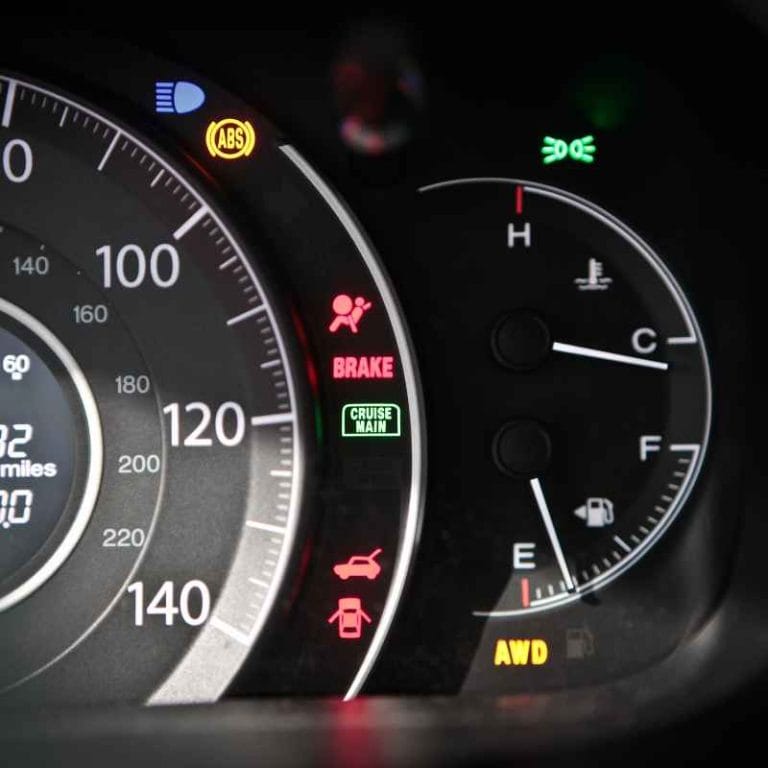
- Check for Confirmation: Some vehicles display a dashboard indicator when lights are manually off.
Pro Tip: Not all cars allow the headlights to be fully turned off while the engine is running, especially newer models.
Adjusting Settings Via Vehicle Menu
Advanced vehicles (2015+) often feature customizable lighting through the infotainment system:
- Access the Settings Menu: Use the central touchscreen or instrument cluster controls.
- Navigate to ‘Lighting’ or ‘Vehicle Settings’: Look for headlight or exterior lighting options.
- Disable ‘Auto Headlights’: Toggle the setting off.
- Save and Exit: Follow prompts to confirm changes.
Example: On a 2020 Ford Explorer, the auto lights can be turned off via the “Lighting” menu in the central infotainment system.
Removing The Headlight Sensor (advanced)
For vehicles without an “OFF” setting, some owners choose to temporarily disconnect the ambient light sensor. This method is more technical and not recommended unless you’re comfortable with vehicle electronics.
- Locate the Sensor: Typically on the dashboard, near the windshield.
- Disconnect the Sensor: Remove the trim and carefully unplug the sensor.
- Test the System: The car may revert to manual headlight control or default to lights-on, depending on the make.
Warning: Disabling safety features could affect other systems and may void warranties.
Pulling The Headlight Fuse (last Resort)
As a final measure, you can remove the headlight fuse from the fuse box. This is not recommended for daily driving, as it disables headlights entirely.
- Locate the Fuse Box: Usually under the hood or in the cabin.
- Identify the Correct Fuse: Refer to your owner’s manual.
- Remove the Fuse: Use a fuse puller.
Pro Tip: Always replace the fuse before normal driving to restore headlight function.
Comparison Table: Common Methods To Turn Off Auto Lights
| Method | Difficulty | Reversibility | Risk Level | Best For |
|---|---|---|---|---|
| Dashboard Control | Easy | High | Low | Most drivers |
| Infotainment Menu | Moderate | High | Low | Modern vehicles |
| Sensor Disconnect | Hard | Medium | Medium | Technically skilled users |
| Fuse Removal | Hard | High | High | Temporary situations |
Manufacturer-specific Instructions
Toyota
Most modern Toyota models feature an “OFF” position on the headlight dial. For vehicles without this, consult the owner’s manual for possible menu settings.
Honda
Many Honda vehicles, especially post-2016, lack a true “OFF” setting. The auto lights can sometimes be adjusted using the central display menu.
Ford
Ford typically allows manual override via the control dial or touchscreen settings. Some vehicles revert to “AUTO” when restarted.
Chevrolet
Chevrolet models often rely on a sensor; disconnecting the sensor may be necessary if no manual control is provided.
Credit: www.infinitiofbeachwood.com
Risks And Considerations When Turning Off Auto Lights
While manual control offers flexibility, turning off auto lights introduces certain risks and potential legal concerns. It’s important to weigh these before proceeding.
Safety Implications
Automatic headlights are designed to reduce accidents caused by poor visibility. Disabling them increases the risk of driving without proper illumination, particularly at dusk or in tunnels.
- NHTSA studies have shown that proper headlight usage can reduce nighttime accidents by up to 20%. (Source: NHTSA)
- Forgetting to turn on headlights manually is a common cause of traffic stops and citations.
Legal Restrictions
Some regions, such as certain US states and Canadian provinces, mandate that headlights be on at all times or when wipers are in use. Tampering with automatic headlight systems may violate local laws.
- Pro Tip: Always check your state’s Department of Motor Vehicles website before disabling auto lights.
Warranty And Insurance
Modifying your vehicle’s electrical system, especially by disconnecting sensors or pulling fuses, can void warranties and affect insurance claims in the event of an accident.
Impact On Other Vehicle Systems
Some vehicles tie other features, like dashboard illumination, tail lights, or adaptive cruise control, to the auto light system. Disabling it may cause unexpected behavior or warning lights.
Example
A 2019 Chevrolet Malibu owner disconnected their auto light sensor, only to discover that their dashboard lights no longer dimmed at night, creating a distraction.
Troubleshooting Common Auto Light Issues
If your automatic headlights aren’t behaving as expected, there are several diagnostic steps you can take before resorting to disabling them.
Headlights Won’t Turn Off
- Check for a Stuck Sensor: Debris or a sticker covering the light sensor can cause headlights to stay on.
- Inspect Control Settings: Make sure the dial isn’t set to “ON” or “AUTO.”
- Cycle the Ignition: In some cars, headlights remain on for a preset delay after shutting off the engine.
Headlights Turn On Prematurely
- Adjust Sensitivity (if available): Some vehicles allow you to tweak sensor sensitivity in the vehicle settings.
- Clean the Sensor: Dust or dirt can cause false readings.
- Update Software: Check for recalls or updates from your dealer.
Error Messages Or Warning Lights
If disabling the system triggers error codes or dashboard warnings, you may need to reconnect components or reset the vehicle’s body control module.
When To Consult A Professional
If you’re unable to resolve issues, or if disabling auto lights causes other malfunctions, visit a certified mechanic or dealership. They have diagnostic tools to safely adjust or repair the system.
Pro Tip: Never cut wiring or bypass modules without professional advice, as this can compromise critical safety features.
Real-world Case Studies And Examples
Understanding how other drivers have approached auto light issues can offer practical insights and cautionary tales.
Case Study 1: Disabling Auto Lights For A Car Show
A car enthusiast with a 2017 Mazda 6 needed all external lights off for a judged car show. Since the vehicle lacked a true “OFF” setting, they accessed the vehicle’s fuse box and temporarily removed the headlight fuse. After the event, the fuse was replaced, restoring normal operation.
Case Study 2: Sensor Malfunction In A Family Suv
A 2020 Subaru Outback owner experienced persistent auto lights during daylight due to a sensor partially covered by a parking pass. After removing the obstruction and cleaning the sensor, normal function returned without the need for further intervention.
Case Study 3: Attempting Sensor Disconnect In A Luxury Sedan
A Mercedes-Benz E-Class owner tried disconnecting the ambient light sensor to regain manual control. However, this triggered dashboard error messages and disabled other features, demonstrating the risks of modifying integrated vehicle systems.
Data Table: Outcomes Of Different Methods
| Vehicle | Method Used | Success | Side Effects | Owner Satisfaction |
|---|---|---|---|---|
| Mazda 6 (2017) | Fuse Removal | Yes | Temporary loss of headlights | High |
| Subaru Outback (2020) | Sensor Cleaning | Yes | None | High |
| Mercedes E-Class | Sensor Disconnect | No | Error messages | Low |
Comparing Manual Vs. Automatic Headlights
Deciding whether to keep auto lights enabled or switch to manual control depends on your driving habits and priorities. Below is a comparison of the two systems.
| Feature | Automatic Headlights | Manual Headlights |
|---|---|---|
| Convenience | High | Medium |
| Safety | High | Variable |
| Control | Low | High |
| Battery Protection | Good (unless malfunctioning) | Good (if lights remembered to be off) |
| Legal Compliance | Usually compliant | Requires vigilance |
Pro Tip: For most drivers, leaving auto lights enabled is the safest and most convenient option. Only disable them if you have a clear, temporary need.
Best Practices For Managing Headlight Settings
If you decide to adjust or disable your auto headlights, follow these best practices to minimize risks and complications.
Always Carry Out Changes Safely
- Use insulated tools when working with fuses or wiring.
- Disconnect the battery if working on the sensor to avoid short circuits.
Document Any Changes
Keep a record of any modifications for future reference or resale. This helps mechanics and future owners understand your vehicle’s history.
Revert To Default After Temporary Needs
After car shows, maintenance, or other events, restore auto light function to maximize safety and compliance.
Check For Software Updates
Manufacturers may release updates that improve auto light performance or add more manual control options. Check with your dealership or on the official manufacturer website.
Consult Your Owner’s Manual
Every vehicle is different. Your owner’s manual is the most authoritative resource for understanding your lighting system.
- For in-depth vehicle wiring diagrams, check ALLDATA.
Frequently Asked Questions
How Do I Know If My Car Has Automatic Headlights?
Most vehicles equipped with auto headlights have a control dial labeled “AUTO,” or display an icon on the dashboard when the feature is active. You can also consult your owner’s manual or check manufacturer specifications online. In some cars, you’ll notice the headlights turning on and off without manual input when driving through tunnels or at dusk.
Will Disabling Auto Lights Affect My Car’s Warranty?
In many cases, physically modifying or disconnecting sensors, or removing fuses, can void parts of your vehicle’s warranty, especially for electrical or lighting systems. Using the dashboard or menu controls to turn off auto lights usually does not affect the warranty.
Always check your warranty documentation or consult your dealer before making changes.
Can I Adjust The Sensitivity Of The Auto Light Sensor?
Some vehicles allow you to adjust the sensitivity of the ambient light sensor via the settings menu, letting you control how quickly the auto lights activate. If your car does not have this feature, you may need to consult a dealership or automotive electrician for possible software updates or sensor calibration.
What Should I Do If My Headlights Stay On After I Turn Off The Engine?
Many vehicles have a “follow-me-home” feature, keeping headlights on for a set time after shutting off the engine. If your headlights remain on indefinitely, check the light control settings, ensure nothing is covering the light sensor, and consult your owner’s manual.
Persistent issues may indicate a faulty relay or sensor that requires professional diagnosis.
Are There Legal Penalties For Disabling Automatic Headlights?
In some regions, disabling or tampering with safety features like auto headlights can result in fines or failed vehicle inspections. Laws vary by state and country; always verify local regulations before making changes. Even if legal, driving without headlights in low-light conditions can result in traffic citations and increased accident risk.
Disabling or adjusting your car’s automatic headlights can be a useful skill for specific scenarios, but it’s essential to understand the methods, risks, and legal implications. Always consult your owner’s manual and consider professional advice before making significant changes. Safe driving should remain your top priority, and for most drivers, the auto light feature is a valuable safety asset.
By following the steps and guidelines outlined here, you can make informed decisions about your vehicle’s lighting system.
Products related to this article
Sponsored / affiliate links. As an Amazon Associate I earn from qualifying purchases. I may earn additional commission from eligible campaigns.
 CARLOCK Anti Theft Car Device - Real Time 4G Car Tracker & Car Alarm System. Comes with Device & Phone App. Tracks Your Car in Real Time & Notifies You Immediately of Suspicious
 RamPro Hide A Key Magnetic Key Holder Under Car - Hide A Key for Your Car So You Never Lock Out - Plastic Magnet Key Hider to Store a Spare for Your Home, Storage, Office, or Vehicle