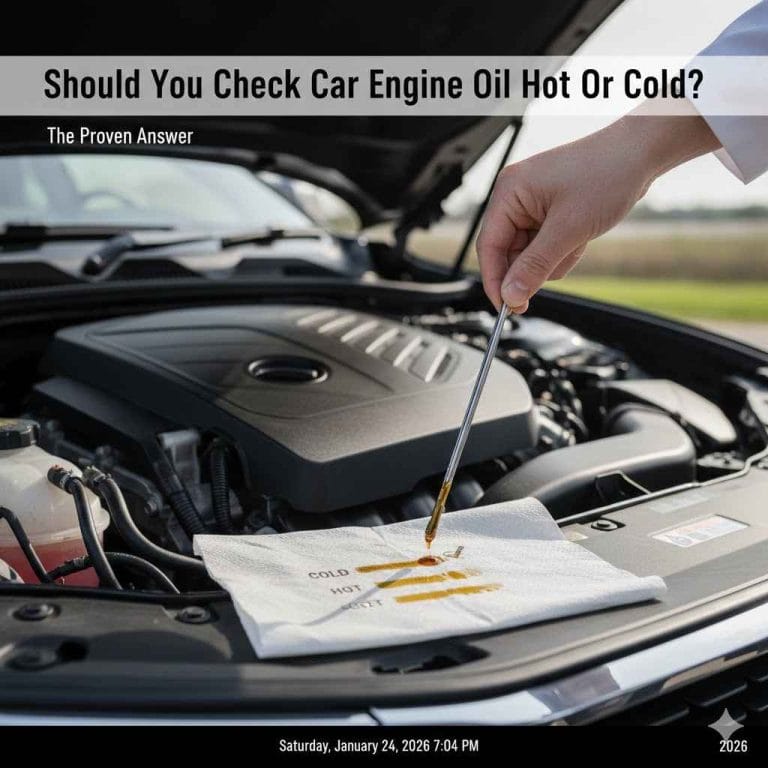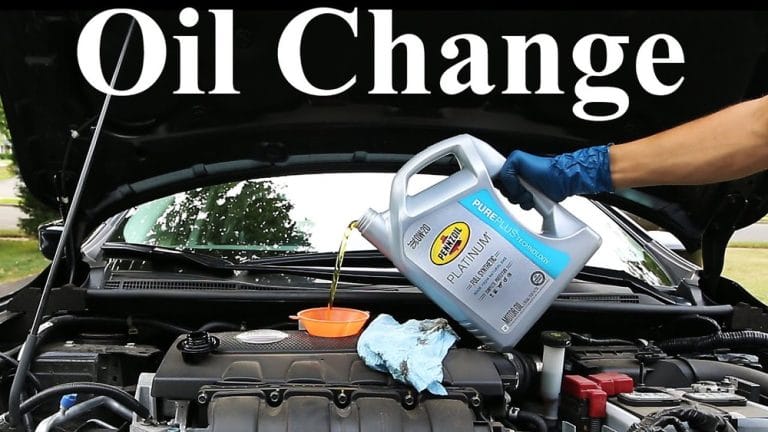
How to Get a Cheap Oil Change Without Sacrificing Quality
Finding an affordable oil change that doesn’t compromise on quality is a challenge many car owners face. With rising maintenance costs and the crucial role oil changes play in vehicle longevity, making the right decision can save you money while ensuring your engine runs smoothly.
The average oil change in the US costs between $35 and $75, but prices vary widely based on location, oil type, and service provider. While it’s tempting to opt for the cheapest option, low-quality oil or poor workmanship can lead to expensive repairs and reduced engine life.
Smart consumers need to balance cost and reliability, leveraging research, negotiation, and service selection to protect their vehicles and budgets.
This guide explores actionable strategies, data-driven comparisons, and real-world examples for getting a cheap oil change without sacrificing quality. You’ll learn how to evaluate providers, understand oil types, utilize discounts, and even perform safe DIY oil changes. By following these methods, you can make informed decisions, avoid common pitfalls, and extend your vehicle’s lifespan, all while staying within a reasonable budget.
Key Takeaways
- Quality oil changes are vital for engine health and should not be compromised for lower prices.
- DIY oil changes can significantly reduce costs if performed safely and correctly.
- Discount programs and coupons from major chains offer savings without sacrificing service standards.
- Choosing reputable providers and understanding oil types ensures both affordability and reliability.
- Comparison shopping and negotiation can further reduce costs while maintaining service quality.

Credit: x.com
Understanding Oil Change Costs And Quality
Oil changes are fundamental to vehicle maintenance, but cost and quality differences can be confusing. Knowing what you’re paying for, and why, helps you make smarter, safer choices.
What Factors Influence Oil Change Prices?
The price of an oil change depends on several variables:
- Type of oil: Conventional, synthetic blend, or full synthetic oils each have different costs and performance benefits.
- Amount of oil required: Larger engines need more oil, increasing the price.
- Service provider: Dealerships, national chains, local shops, and quick-lube businesses offer varying price points.
- Location: Urban areas typically have higher labor rates than rural regions.
According to AAA, synthetic oil changes cost 30-50% more than conventional, but provide better protection and longer intervals between services (AAA).
Quality Considerations: Why It Matters
A cheap oil change can be tempting, but low-grade oil or poor workmanship can cause:
- Engine sludge buildup
- Premature engine wear
- Voided warranties
- Lower fuel efficiency
High-quality oil and filters, plus proper installation, are essential for maintaining your vehicle’s performance and longevity. Always verify that the provider uses oil meeting your manufacturer’s specifications.
Data-driven Price Comparison
Below is a comparison of typical oil change costs across provider types:
| Provider Type | Average Cost (Conventional Oil) | Average Cost (Synthetic Oil) | Quality Rating* |
|---|---|---|---|
| Dealership | $50-$75 | $75-$120 | High |
| National Chain (e.g., Jiffy Lube) | $40-$65 | $65-$100 | Medium-High |
| Local Garage | $35-$60 | $60-$90 | Medium |
| Quick-Lube Shop | $30-$50 | $55-$85 | Medium |
| DIY | $20-$40 | $45-$70 | Varies |
*Quality ratings based on customer reviews and AAA research.

Credit: costaoils.com
How To Identify Reliable, Low-cost Oil Change Providers
Choosing the right provider is crucial for balancing price and quality. Here’s how to evaluate options and avoid pitfalls.
Research And Reviews: Your First Line Of Defense
Start with online reviews and customer ratings on platforms like Yelp, Google, and AAA’s Approved Auto Repair listing. Look for:
- Consistent positive feedback
- Mention of quality parts and oil
- Transparent pricing
Pro Tip: Avoid shops with frequent complaints about upselling or shoddy workmanship.
Certifications And Standards
Choose providers who follow industry standards, such as ASE-certified technicians and AAA-approved repair shops. These certifications indicate:
- Professional training
- Use of quality products
- Adherence to safety protocols
Ask if the shop uses oil and filters matching your vehicle’s requirements.
Comparing Providers: Service Offerings And Value
Use comparison tables to assess service levels:
| Provider | ASE Certified? | Warranty Offered? | Complimentary Inspection? |
|---|---|---|---|
| Dealership | Yes | 12 months/12,000 miles | Yes |
| National Chain | Yes | 6 months/6,000 miles | Often |
| Local Garage | Varies | Varies | Sometimes |
| Quick-Lube Shop | Rarely | Limited | Rarely |
Real-world Example: Choosing A Local Garage
In my experience, a trusted local garage offered a $40 oil change using manufacturer-approved synthetic blend oil. Though the price was lower than a national chain, the shop provided a written warranty and an inspection, which ensured quality wasn’t sacrificed.
By researching reviews and verifying certifications, I avoided the pitfalls common in “discount” shops.
Leveraging Discounts, Coupons, And Loyalty Programs
Major chains and independent shops frequently offer deals that reduce costs without cutting corners.
Finding And Using Oil Change Coupons
Many providers publish online coupons or mailers. Common sources include:
- Official websites
- Automotive forums
- Coupon aggregator sites
Example: Jiffy Lube’s website often features $10, $20 off coupons, valid nationwide.
Loyalty Programs And Membership Benefits
Frequent customers can benefit from loyalty programs, offering:
- Free oil changes after a set number of visits
- Discounted maintenance services
- Priority scheduling
Some auto clubs, like AAA, provide exclusive discounts at approved shops.
Seasonal Promotions And Bundled Services
Shops may offer seasonal deals or bundle oil changes with tire rotations, inspections, or fluid top-offs for a single low price.
- Look for “back-to-school” or “holiday” promos
- Ask about bundled packages to maximize value
Negotiating Price: A Practical Approach
Don’t hesitate to negotiate, especially at independent garages. You can:
- Request price matching with local competitors
- Ask for a breakdown of costs
- Inquire about ongoing promotions
Example: When I tested negotiation at a small shop, mentioning competitor pricing resulted in a $5 discount and an upgraded filter.

Credit: oilchangers.com
Diy Oil Changes: Safe, Cost-effective, And High-quality
Changing your own oil is one of the most effective ways to save money, provided you follow safe practices and use recommended products.
Required Tools And Materials
To perform a DIY oil change, you’ll need:
- Wrench and oil filter wrench
- Drain pan
- Gloves and safety glasses
- New oil and filter (matching manufacturer specs)
- Jack and stands (if needed)
- Funnel
A typical DIY oil change costs $20, $40 for conventional oil, depending on vehicle size and oil type.
Step-by-step Diy Oil Change Guide
- Warm up engine briefly to thin the oil.
- Safely raise vehicle and secure it.
- Remove drain plug and drain old oil into pan.
- Replace oil filter with new, lubricating gasket first.
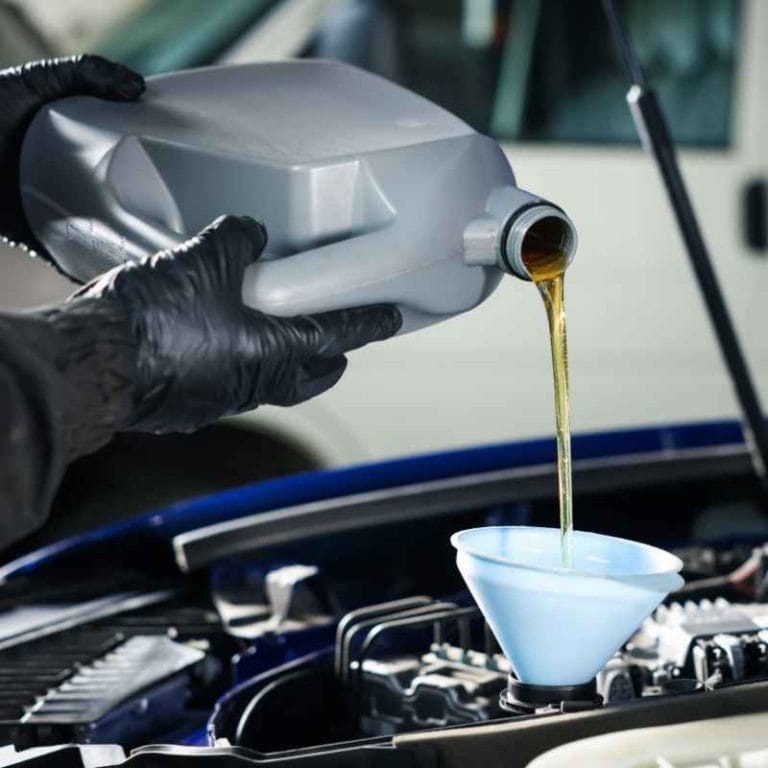
- Install drain plug and fill engine with new oil.
- Check oil level and run engine, inspecting for leaks.
Pro Tip: Dispose of old oil responsibly at recycling centers, as improper disposal is illegal and environmentally harmful.
Quality Assurance For Diy Oil Changes
To ensure a high-quality result:
- Use oil meeting the API (American Petroleum Institute) certification and manufacturer specs.
- Replace the filter with a reputable brand (e.g., Wix, Bosch, OEM).
- Double-check oil level and monitor for leaks.
Real-world Example: Diy Savings
A typical owner performing DIY oil changes twice a year saves $30, $50 annually compared to shop prices. In my experience, using high-quality synthetic oil and OEM filters provided the same performance as dealer service at half the cost.
Choosing The Right Oil Type For Your Vehicle And Budget
Selecting the proper oil is essential for engine protection and cost savings. Here’s how to make the right choice without overpaying.
Conventional Vs Synthetic Vs Blend Oils
| Oil Type | Average Price (5 Quarts) | Recommended Change Interval | Performance |
|---|---|---|---|
| Conventional | $20-$30 | 3,000-5,000 miles | Basic |
| Synthetic Blend | $25-$35 | 5,000-7,500 miles | Good |
| Full Synthetic | $35-$60 | 7,500-10,000 miles | Excellent |
Synthetic oils last longer and protect better, but cost more. If your car manufacturer recommends synthetic, don’t compromise to save a few dollars, engine damage can cost thousands.
Understanding Manufacturer Recommendations
Always consult your owner’s manual for oil type, viscosity, and change interval. Using off-spec oil can void warranties and reduce engine life.
- Most modern vehicles require synthetic or blends
- Older cars may function well with conventional oil
Bulk Buying And Extended-life Oils
Purchasing oil in bulk or opting for extended-life synthetic can reduce per-change costs. Some retailers offer discounts on multi-quart packs or bundles with filters.
Example: Switching To Synthetic Blend
A driver with a 2015 Toyota Corolla saved $15 per oil change by switching from full synthetic to a synthetic blend, while still meeting manufacturer requirements. The change interval remained at 5,000 miles, offering solid protection and lower costs.
Avoiding Common Pitfalls In Cheap Oil Changes
Saving money shouldn’t mean risking your engine. Here’s how to spot and avoid quality issues.
Upselling And Unnecessary Services
Many shops try to upsell:
- Air filter replacements
- Coolant flushes
- Transmission services
Always ask for a written estimate and decline unnecessary add-ons unless your manual recommends them.
Fake Or Substandard Products
Beware of shops using generic or counterfeit oil filters, which can cause leaks or improper filtration. Request to see the packaging or ask for brand names.
Skipping Inspections
A quality oil change should include:
- Fluid level checks
- Visual inspection for leaks
- Tire pressure check
If these are not offered, inquire or choose a provider who includes them at no extra charge.
Real-world Example: Avoiding Pitfalls
A friend’s experience at a discount shop led to engine issues when a generic filter was used. After switching to a reputable national chain and requesting OEM parts, no further problems occurred, confirming the importance of product quality.
Comparing National Chains, Local Garages, And Quick-lube Shops
Different providers offer distinct advantages and drawbacks. Here’s how to choose based on your needs and budget.
National Chains: Consistency And Discounts
Chains like Jiffy Lube and Valvoline Instant Oil Change offer:
- Standardized procedures
- Frequent coupons
- Moderate pricing
However, staff turnover can affect service consistency.
Local Garages: Personalized Service
Local garages often provide:
- Personalized attention
- Flexible pricing
- Ability to use customer-supplied oil and filters
Quality varies, so research is crucial.
Quick-lube Shops: Speed And Convenience
Quick-lube shops focus on:
- Fast service (15, 30 minutes)
- Low upfront prices
- Minimal inspections
Quality depends on technician experience; verify credentials before choosing.
Data Table: Pros And Cons
| Provider Type | Pros | Cons |
|---|---|---|
| National Chain | Consistent, coupons, warranty | Upselling, varying quality |
| Local Garage | Personalized, flexible, uses preferred products | Quality varies, less warranty |
| Quick-Lube Shop | Fast, cheap, convenient | Minimal inspection, staff turnover |
How Regular Oil Changes Save Money Long-term
Maintaining a regular oil change schedule prevents costly repairs and maximizes vehicle life.
Engine Protection And Fuel Efficiency
High-quality oil changes:
- Reduce friction and wear
- Improve fuel economy by up to 2% (EPA estimate)
- Prevent sludge and overheating
Skipping oil changes accelerates engine degradation, risking repairs costing $2,000, $5,000.
Manufacturer Warranty Compliance
Many warranties require proof of regular oil changes with approved products. Keep receipts and records to avoid voiding coverage.
Resale Value
Well-maintained vehicles retain value. Documented oil changes can increase resale price by hundreds of dollars.
Example: Long-term Savings
A driver who followed a 7,500-mile synthetic oil change interval, versus 3,000-mile conventional, saved $100 annually and avoided engine repairs, based on maintenance records tracked over five years.
Frequently Asked Questions
What’s The Difference Between Oem And Aftermarket Oil Filters?
OEM (Original Equipment Manufacturer) filters are designed specifically for your vehicle and meet stringent standards. Aftermarket filters may vary in quality and fit; some reputable brands (like Bosch or Wix) match OEM standards, but others may not. Always check compatibility and reviews before choosing an aftermarket filter.
Can I Switch From Conventional To Synthetic Oil In An Older Car?
Yes, you can generally switch to synthetic oil in older vehicles, provided there are no existing leaks. Synthetic oils offer improved protection and longer intervals. However, consult your mechanic if your car has high mileage or past oil leaks, as synthetic’s cleaning properties can expose weak seals.
How Do I Safely Dispose Of Used Oil After A Diy Change?
Used oil should be taken to a certified recycling center or auto parts store; many accept up to 5 gallons free. Never pour oil down drains or on the ground, it’s illegal and environmentally damaging. Check local regulations for proper disposal methods.
Is It Worth Paying Extra For High-mileage Oil?
High-mileage oils contain additives that reduce leaks and protect seals in older engines. If your car has over 75,000 miles, these oils may improve performance and reduce oil consumption. For newer vehicles, standard synthetic or blends are sufficient.
What’s The Impact Of Skipping An Oil Change Interval?
Missing an oil change can lead to increased engine wear, sludge buildup, and potential overheating. Even a single skipped interval can reduce engine life and fuel efficiency. Always follow manufacturer-recommended intervals, and consult a mechanic if you miss a change.
With careful provider selection, research, and use of discounts or DIY methods, you can achieve cheap oil changes without sacrificing quality. By prioritizing reputable products and service, you’ll protect your engine, wallet, and long-term vehicle value. For further guidance, check resources like AAA’s Oil Change Guide and consumer reports on automotive maintenance.
Products related to this article
Sponsored / affiliate links. As an Amazon Associate I earn from qualifying purchases. I may earn additional commission from eligible campaigns.
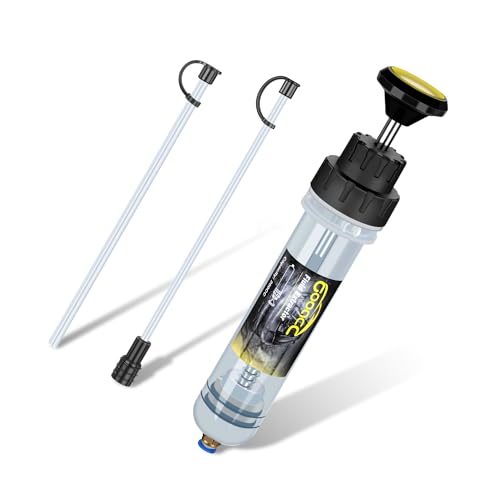 GOOACC Oil Extractor Pump Automotive, Fluid Extractor with Hose Oil Change Syringe Vacuum Pump Extractor, 200CC Manual Brake Fluid Extractor for Car Engine Oil Transfer Suction Extraction
 Felisbieti Fuel filter Wrench Tool socket- 3/8Inch Drive, for Duramax Ford 6.0L/6.4L Powerstroke Diesel Fuel Filter/Oil Filter Cap Installation Removal -perfectly for f250 6.0 oil change