How to Remove Rust Spots From a Car Before They Spread
If rust has only lifted paint and not perforated metal, you can stop it at home. Once a probe or pick breaks through, move to body repair. If you leave it alone, a small spot can creep under paint, swell filler, and turn a cheap touch-up into panel repair or replacement. This guide shows how to inspect, clean, seal, and repaint the smallest safe repair, plus when to stop and get help.
Rust spots: surface or serious?
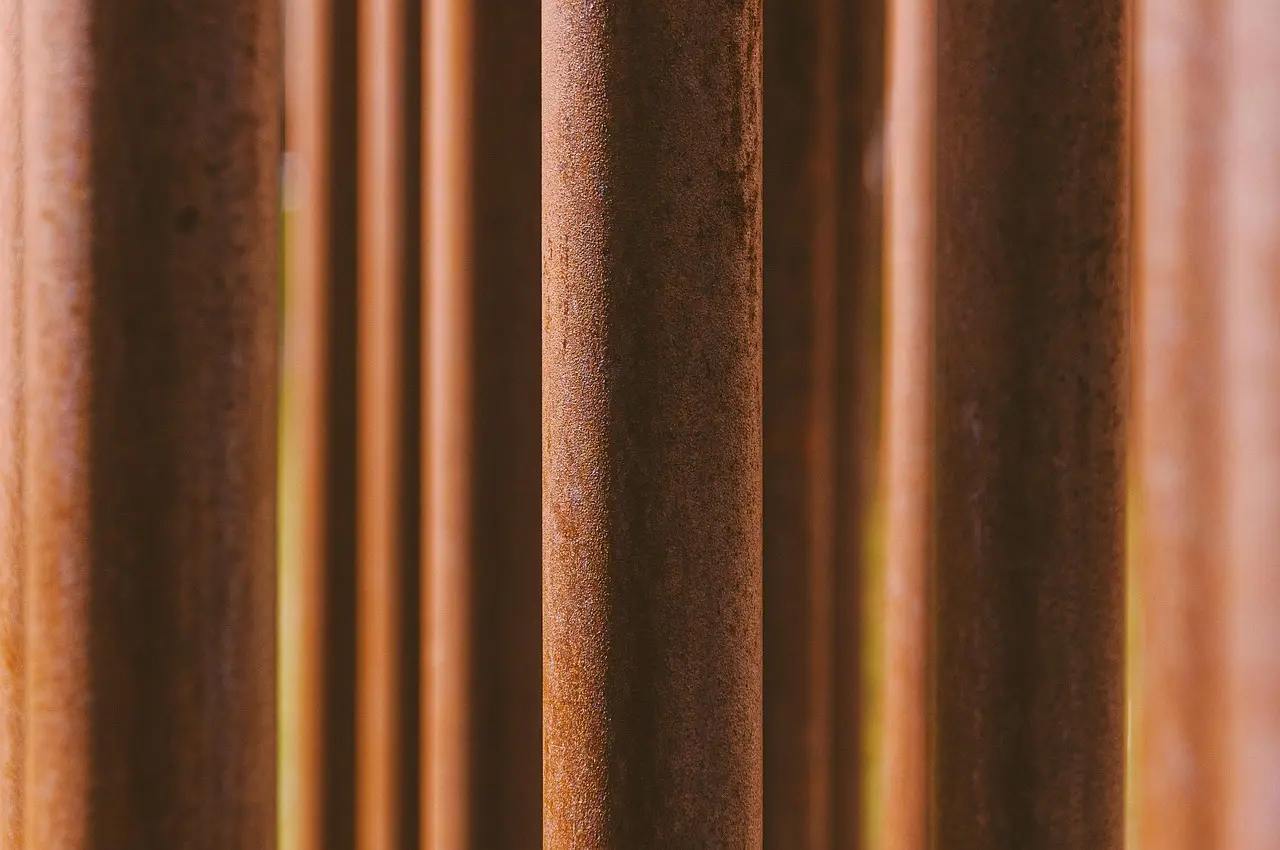


Rust is repairable at home only when it stays on the surface of the panel. If the paint has bubbled, treat it as a warning sign: it may still be a DIY repair if sanding shows the rust stays on the surface, but if a pick breaks through or the metal opens up, you are past cosmetic cleanup and into deeper corrosion. The first sanding pass tells you a lot.
What bubbling paint usually means
Bubbling paint usually means moisture has crept under the coating and corrosion is lifting the finish from below. That spot may still be small on the outside while the damage spreads under the paint film. Treat bubbles as a warning, not a paint-only problem.
How to tell surface rust from penetration
Surface rust is early-stage corrosion on painted exterior metal. It can often be removed without cutting tools or a welder. After the first sanding pass, look for three things: clean orange staining with solid metal behind it, thin pitting that stops at the surface, or steel that opens into holes. Only the first two stay in DIY range.
| Symptom | Likely rust type | Next action |
|---|---|---|
| Orange stain on intact paint | Surface rust near a chip | Wash, mask, sand, prime, and repaint the spot |
| Paint bubble with firm metal underneath after sanding | Surface rust with trapped moisture | Keep sanding until clean metal shows, then seal fast |
| Flaky scale that keeps lifting | Deeper corrosion | Stop cosmetic repair and inspect for panel damage |
| Visible pinholes or a probe breaks through | Penetrating rust | Send to a body shop or metal repair |
| Rust in a seam, hem, or folded edge | Hidden corrosion | Stop sanding and move to professional repair |
When to stop and send it out
Stop the DIY plan when rust shows pinholes, seam rust, or any sign of penetration. Stop sooner if the spot is on a structural edge, near a welded seam, or keeps returning after sanding. A body shop can evaluate whether the panel needs section repair instead of another cosmetic coat.
Where rust starts first
Rust usually starts where water, grit, and road salt sit against the body. Wheel arches, rocker panels, door bottoms, chip edges near trim, and seams are common trouble spots because they trap moisture longer than flat painted areas.
Wheel arches and rocker panels
Wheel arches catch spray and debris. Rocker panels sit low and take repeated hits from water and salt. Both areas should be checked closely for bubbling paint, soft spots, and rust that hides behind trim or under seam sealer.
Door bottoms and trim edges
Door bottoms collect water inside the skin and along drain paths. Trim edges and molding lines often hide chips that start corrosion. If rust begins where the panel folds over, treat it as a deeper repair until sanding proves otherwise.
Chips and seams
Stone chips near trim can start rust under a tiny break in the paint. Seam rust is more serious because corrosion can travel inside the folded joint where you cannot fully see it. Do not assume a small visible spot is the whole problem.
Rust repair checklist
This checklist gives you the smallest safe repair path. It assumes the rust is still surface rust after inspection and the metal is not perforated. Keep the work area dry and stop if a hole, seam failure, or heavy scale appears.
| Check | Pass condition | Stop/go rule |
|---|---|---|
| Paint bubble | Bubble sands to solid metal | Go if no hole appears |
| Flaky scale | Scale clears and leaves sound metal | Go only if scale does not extend into a seam |
| Bare metal | Metal is clean and dry after sanding | Go only if priming starts quickly |
| Visible pinhole | None remain after sanding | Stop and send to body repair if any remain |
| Seam rust | Not present | Stop DIY if rust reaches a folded edge or seam |
What you need before you start
Gather mechanic gloves, a long-sleeve shirt, a respirator, and safety glasses before sanding starts. You also need a sander and a hand scraper, and a grinder with sanding wheels for stubborn spots. Painter’s tape marks off the rust section and keeps the repair small.
Sandpaper grits and prep solvent
Use about 40-grit for aggressive rust removal, 120-grit for feathering edges, 220-grit for smoothing, 320-grit for primer prep and follow-up, and about 1000-grit for wet sanding. Keep a surface cleaner approved by the paint system on hand for the cleaning step before primer, and use it per paint manufacturer directions.
How do you remove rust spots?
Start by washing the area thoroughly, then dry it fully before any sanding. Mask the repair zone with painter’s tape, remove rust until bare metal shows, and feather the paint edge so the repair blends into the surrounding finish. Do not prime over loose corrosion.
Wash, dry, and mask the area
Wash the panel well with car soap, a clean mitt, and running water to remove grit and road film. Dry it completely with a microfiber towel and, if needed, compressed air around seams and scratches, because moisture left there can restart corrosion. Mark the work zone with painter’s tape so you do not chase rust farther than necessary.
Sand to clean metal
Begin with enough cutting power to strip rust, then move to finer grits as the metal clears. Use 40-grit only where corrosion is heavy. Once the orange staining is gone, switch to 120-grit and then 220-grit so the repair edge is smooth and ready for coating.
Say your door has a rust spot the size of a dime near the lower edge. If the first pass reveals solid metal with no pinhole, a small spot repair is still reasonable. If the same area opens into a hole after a few more passes, stop there and switch to body repair.
Feather, clean, and prime
Feather the surrounding paint so the edge does not telegraph through the new coating. Wipe the repair with a surface cleaner approved by the paint system, let it dry, and move fast once bare metal is exposed. Bare metal flashes rust quickly if it sits unprotected, especially in humid air.
How do you keep rust from coming back?
Rust comes back when bare steel is left exposed, primer is skipped, or the repair traps moisture. Clean metal needs epoxy primer first. After paint and clear coat cure, finish with wet sanding, polish, and wax.
Use epoxy primer on bare metal
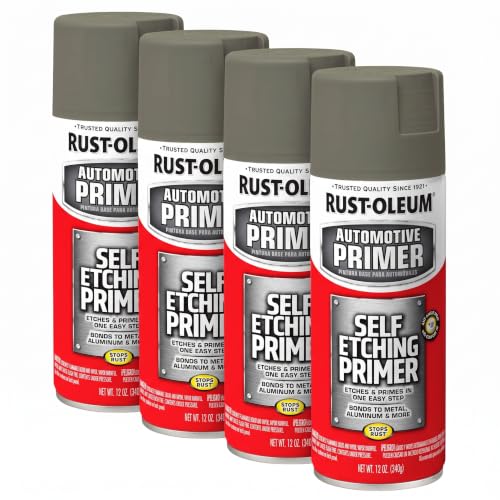
Epoxy primer belongs on cleaned bare metal because it seals the surface before corrosion can restart. Apply it after the panel is clean and dry, and let it dry before applying the next layer.
Apply lacquer primer, paint, and clear coat
After the epoxy primer steps, apply paint and clear coat in the order the coating system calls for. The repair stack is only as good as the prep beneath it.
Wet sand, polish, and wax after cure
Once the finish has cured, wet sand with 1000-grit if the surface needs leveling. Then use polishing compound and wax to restore gloss and help protect the finish. Do not rush this step; polishing uncured clear can drag or haze the coating.
Suppose a rear wheel arch has a spot repair that looks flat after clear coat but feels slightly rough. If the clear has cured enough for that step, wet sanding with 1000-grit can smooth the texture. If the edge still shows rust bleed, the repair was stopped too early.
Can vinegar remove rust from car paint?
Vinegar can loosen light surface rust on removable parts, but it is not a preferred fix for painted body panels. It may soften surrounding finish, leave residue, and fail on rust that has already moved under the paint. Use proper sanding and coating steps for bodywork.
What is the best way to keep rust from returning?
The best protection is a clean repair sequence: remove rust completely, dry the metal, prime bare steel quickly, and seal the finish with paint and clear coat. Keep chips touched up early, especially on wheel arches, rocker panels, door bottoms, and seam edges where rust starts first.
When is DIY no longer the right fix?
DIY stops making sense when rust reaches pinholes, flakes off in layers, or lives in a seam that you cannot fully expose. It also stops making sense when the panel may be structural. At that point, the right repair is metal work, not more sanding and filler.
Pinholes and flaky scale
Visible pinholes mean the corrosion has already punched through the steel. Heavy flaky scale means the metal is losing material and may keep collapsing after sanding. Either condition can turn a spot repair into a larger repair than the outside of the panel first suggested.
Seam rust and hidden edges
Rust in hem flanges, lap joints, or folded seams is hard to seal from the outside. Even if the visible spot looks small, moisture may be traveling inside the joint and the rust can keep returning from trapped corrosion inside the seam. Stop sanding when the rust line disappears into an edge you cannot open safely.
DIY cost versus body-shop repair
A small DIY spot repair usually costs far less than body-shop work, but only if the damage stays shallow and contained. The tradeoff is time: you spend the labor, while a shop charges for assessment, corrosion removal, panel prep, and refinishing. Once rust is deep, the shop route often prevents a larger bill later.
Frequently asked questions
How do I remove rust spots from a car before they spread?
Wash the area, dry it fully, mask the repair with painter’s tape, and sand until the rust is gone and bare metal is sound. If the first sanding pass exposes pinholes, seam damage, or heavy flaky scale, stop the DIY work and send it out before the corrosion spreads farther under the paint.
Can I stop surface rust on my car without repainting the whole panel?
Yes, if the rust is confined to a small spot and the metal is still solid. You can feather the edge, prime the bare metal, and blend the repair locally. Repainting the whole panel is usually unnecessary for a contained surface-rust spot that has not perforated the steel.
What grit sandpaper should I use to remove rust on a car?
Start coarse only where needed. Finer grits are better once the rust is gone and the edge needs blending.
Do I need primer after sanding rust off a car?
Yes. Bare metal should be cleaned and primed quickly so flash rust does not form before the finish goes on. Epoxy primer goes on cleaned metal first. Skipping primer leaves the repair exposed and shortens the life of the touch-up.
When is rust on a car too deep to fix at home?
Rust is often too deep for home repair when a probe or pick breaks through, when pinholes appear, when corrosion runs through a seam, or when the metal flakes off in layers. Those signs point to penetrating rust, and cosmetic sanding will not restore the panel safely.
What is the best way to keep rust from coming back after repair?
Remove every trace of loose rust, clean and dry the metal, seal bare steel with epoxy primer, then finish with paint, clear coat, polishing compound, and wax. Also touch up chips early, because water entry at a fresh chip can restart corrosion long before the old repair fails.
How do I know if rust is just surface rust or serious rust?
Surface rust stays on the outer layer and usually sands back to solid metal. Serious rust shows bubbling paint, flaky scale, pinholes, seam involvement, or a break-through after the first sanding pass. If any of those appear, treat it as deeper corrosion and stop the cosmetic repair.
Products related to this article
Sponsored / affiliate links. As an Amazon Associate I earn from qualifying purchases. I may earn additional commission from eligible campaigns.