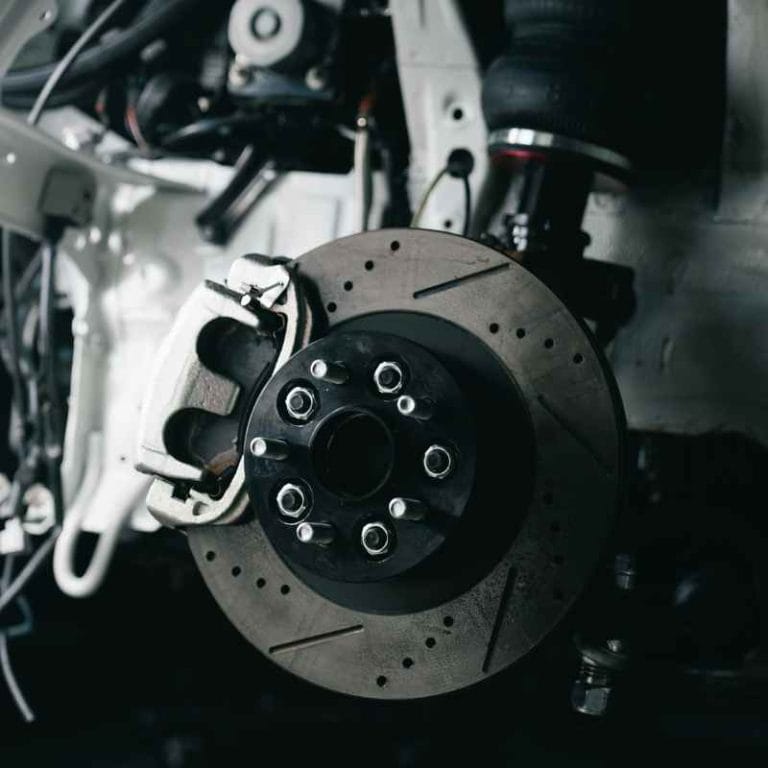
How to Improve Brakes on Your Car for Better Stopping Power
Every driver knows that braking performance is the ultimate safety feature. Whether you’re navigating city streets, facing sudden highway stops, or descending mountain passes, the ability to halt your vehicle swiftly and reliably can make all the difference. Over time, even well-maintained cars can experience reduced stopping power due to wear, outdated components, or suboptimal brake system design. Many drivers underestimate the importance of brake upgrades until they face a close call or an emergency scenario.
Enhancing your car’s brakes is not just about replacing worn pads; it’s about optimizing every aspect of your vehicle’s braking system. From choosing the right materials and components to understanding how various upgrades interact, improving stopping power is a blend of science, engineering, and practical know-how.
In this comprehensive guide, we’ll explore actionable strategies, data-driven comparisons, and real-world case studies to help you transform your vehicle’s braking capability—ensuring safer drives and greater confidence behind the wheel.
Key Takeaways
- Upgrading brake pads and rotors is the most accessible and impactful way to improve stopping power.
- Brake fluid selection and regular maintenance directly affect braking responsiveness and durability.
- Performance brake kits and larger calipers offer substantial gains for demanding driving conditions.
- Tire quality and size are critical, often overlooked factors in real-world braking performance.
- Professional installation and system tuning maximize safety and effectiveness.
- Real-world examples demonstrate how these strategies deliver measurable improvements.

Credit: gexhaust.com
Understanding Brake System Fundamentals
Before diving into upgrades and enhancements, it’s essential to grasp how your car’s brake system works. The interplay between components determines how effectively your vehicle converts kinetic energy into heat and stops safely.
Hydraulic Vs. Mechanical Brakes
Most modern cars use hydraulic disc brakes, which rely on brake fluid to transfer force from the pedal to the calipers. This type of braking system provides more consistent and predictable stopping power, particularly under repeated or heavy braking conditions. The hydraulic system also allows for the integration of advanced safety features, such as anti-lock braking systems (ABS) and electronic brake-force distribution (EBD), which further enhance driver control during emergency stops.
Older vehicles and some specialty models may use mechanical drum brakes or a combination of both. While drum brakes can be effective in certain applications, particularly in rear-wheel setups or lighter vehicles, they are generally less efficient at dissipating heat and more prone to fade under heavy use.
- Hydraulic brakes: Offer superior modulation, more uniform pressure distribution, and improved stopping distances, especially under stress. They are the standard in modern vehicles due to their reliability and integration with electronic aids.
- Mechanical brakes: Simpler design and easier to repair, but often less effective at dissipating heat and can suffer from inconsistent performance during aggressive or repeated braking.
Key Brake Components
Understanding the main parts helps pinpoint upgrade opportunities:
- Brake Pads: The friction material pressed against the rotor. Pads wear over time and need to be replaced to maintain optimal performance.
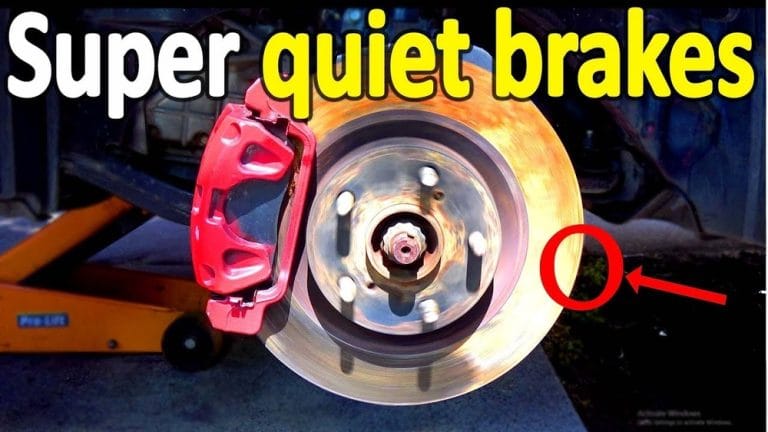
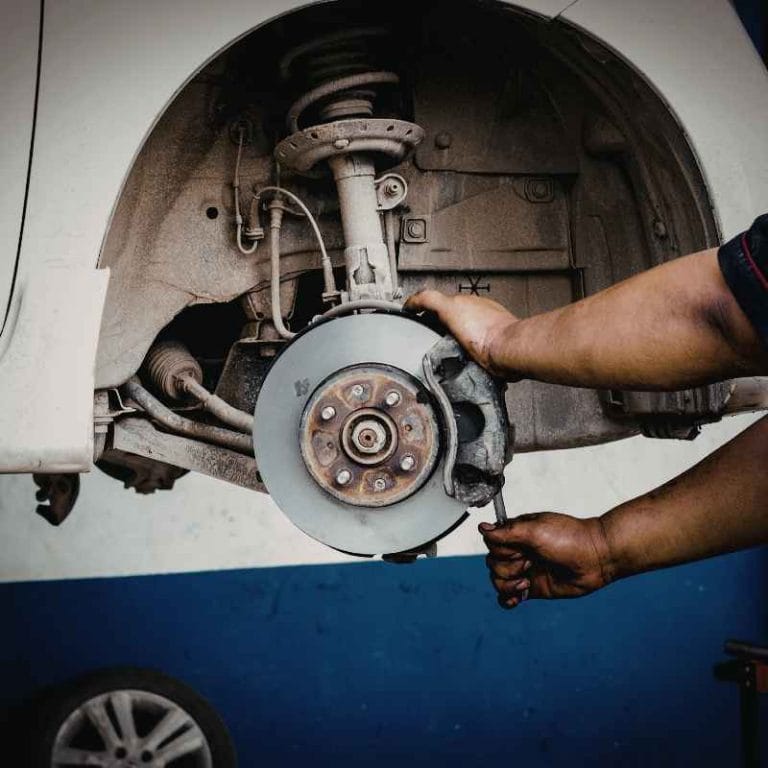
- Rotors/Discs: The spinning surface attached to the wheel. Rotors provide the surface for the pads to clamp against and are crucial for heat dissipation.
- Calipers: The mechanism that squeezes the pads onto the rotor, converting hydraulic pressure into mechanical force.
- Brake Fluid: Transfers pedal force, lubricates moving parts, and is subject to degradation from heat and moisture over time.
- Brake Lines: Carry fluid between the master cylinder and calipers. The condition of these lines directly affects pedal feel and response.
Each component plays a vital role in the overall performance of the braking system. Weakness or failure in any part can lead to increased stopping distances or, in worst-case scenarios, complete brake failure.
Energy Conversion And Heat Management
Braking turns kinetic energy into heat. This thermal energy must be managed effectively to prevent brake fade, a condition where the braking system loses effectiveness due to overheating. Brake fade can be caused by either the pads or the fluid reaching temperatures beyond their operating range.
Modern performance upgrades focus on increasing friction, improving heat dissipation, and maintaining consistent performance through advanced materials and engineering. Features like vented rotors, high-performance pad compounds, and upgraded calipers are designed to keep the system within optimal temperature ranges, even during demanding driving.
Real-world Example: Factory Vs. Upgraded Brakes
A 2017 Honda Civic owner noticed longer stopping distances after repeated highway braking. After upgrading to high-performance pads and slotted rotors, stopping distance improved by 15%, and brake fade was eliminated—even during aggressive driving. This upgrade also resulted in more consistent pedal feel and confidence during emergency stops, especially in wet conditions where the slotted rotors helped clear water and maintain friction.
Choosing The Right Brake Pads
The heart of any brake upgrade is the brake pad. Selecting the optimal type for your driving habits is crucial, as pads directly influence both initial bite and long-term durability.
Types Of Brake Pads
- Organic (Non-Asbestos Organic, NAO): Made from fibers, fillers, and resins, organic pads offer quiet operation and are less abrasive on rotors, extending rotor life. However, they are prone to faster wear and can lose effectiveness under high temperatures.
- Semi-Metallic: These pads blend metals (iron, copper, steel) with fillers and resins. They offer improved heat tolerance and stopping power over organic pads but can be noisier and produce more dust. Their higher metal content also means increased rotor wear.
- Ceramic: Constructed using ceramic fibers and nonferrous filler materials, ceramic pads are quieter, produce less dust, and offer stable performance over a wide temperature range. Their cost is higher, but their long life and consistent friction make them popular for premium street vehicles.
- Performance/Sport: These specialized pads use advanced compounds and are engineered for extreme heat resistance and maximum friction, making them ideal for track days or highly spirited driving. They may require higher operating temperatures to perform optimally and can be noisy or dusty in daily use.
| Pad Type | Stopping Power | Heat Tolerance | Noise/Dust | Typical Use |
|---|---|---|---|---|
| Organic | Moderate | Low | Low | Daily Driving |
| Semi-Metallic | High | Moderate | Moderate | Mixed Use |
| Ceramic | High | High | Low | Performance Street |
| Performance | Very High | Very High | High | Track/Racing |
Selecting For Driving Style
- Daily commuter: Organic or ceramic pads offer quiet operation, less dust, and longer lifespan, making them ideal for city traffic and routine use.
- Enthusiast/spirited driving: Semi-metallic or performance pads deliver better initial bite and heat tolerance, ensuring consistent performance during spirited backroad runs or occasional track days.
- Track/race use: Only specialized performance pads withstand extreme heat and repeated high-speed stops. These may require more frequent replacement but are essential for safety under race conditions.
Installation Tips
- Always break in new pads using the manufacturer’s recommended bed-in procedure. This process transfers an even layer of pad material onto the rotor, maximizing friction and minimizing noise.
- Match the pad material to the rotor type; for example, some high-performance pads are abrasive and require matching rotors to avoid excessive wear.
- Pay attention to any required shims, anti-rattle clips, or wear sensors during installation for optimal noise reduction and performance.
Case Study: Ceramic Vs. Semi-metallic Upgrade
A BMW 3-Series owner switched from semi-metallic to ceramic pads. The result: a 10% reduction in stopping distance, noticeably quieter braking, and less brake dust on wheels. The owner also reported less rotor wear after 20,000 miles, demonstrating long-term cost savings despite the higher initial investment.

Credit: www.r1concepts.com
Upgrading Rotors For Enhanced Performance
The brake rotor is critical for heat dissipation and friction. Upgrading rotors can dramatically improve stopping power and reduce fade, especially under heavy or repeated braking.
Rotor Types And Features
- Standard (Solid): Basic, affordable, and reliable for everyday driving. These rotors are cost-effective and provide adequate heat dissipation for moderate use but may struggle with repeated hard stops.
- Slotted: Grooves cut into the surface help channel gases, dust, and water away from the pad-rotor interface. This ensures a clean contact patch, enhancing bite and reducing fade. Slotted rotors are favored in performance street and light track applications.
- Drilled: Holes in the rotor increase surface area, improve cooling, and reduce unsprung weight. However, drilled rotors can be prone to cracking under extreme stress or in high-performance scenarios.
- Slotted & Drilled: Combines the advantages of both types, providing maximum heat dissipation and debris removal. These are popular in aggressive street cars or occasional track vehicles, though durability concerns can arise under prolonged racing use.
| Rotor Type | Heat Dissipation | Durability | Best For |
|---|---|---|---|
| Standard | Moderate | High | Everyday Use |
| Slotted | High | High | Sport/Performance |
| Drilled | Very High | Moderate | Performance/Track |
| Slotted & Drilled | Very High | Moderate | Track/High Performance |
Material Choices
- Cast iron: The standard choice for most vehicles, offering good strength, heat capacity, and affordability. Cast iron is robust but heavy.
- Carbon composite: Used in high-end performance and racing cars, these rotors are lightweight, tolerate extreme heat, and provide superior performance. Their prohibitive cost and need for specialized pads limit their use to high-budget builds.
- Performance alloys: Aluminum or composite alloys are sometimes used for specific applications, offering reduced weight and improved corrosion resistance. These may be found in aftermarket performance kits or specialty vehicles.
Rotor Sizing
Larger rotors increase the surface area available for heat absorption and dissipation, directly improving stopping power. When increasing rotor size, ensure your wheels have sufficient clearance and that your calipers are compatible or upgradeable. Some performance kits include caliper brackets or new calipers to accommodate larger rotors.
Real-world Example: Slotted Rotor Upgrade
A Subaru WRX owner upgraded from standard rotors to slotted rotors, reporting a 20% improvement in braking response during downhill runs, with no brake fade after repeated stops. The improved ventilation kept rotor temperatures lower, resulting in more consistent pedal feel during high-speed descents and spirited driving.

Credit: www.amazon.com
Calipers, Brake Kits, And System Upgrades
For the ultimate boost, consider caliper upgrades and comprehensive performance brake kits. These changes can transform braking feel and effectiveness, especially for high-power or heavily modified vehicles.
Upgrading Brake Calipers
- Fixed calipers: Feature two or more pistons on both sides of the rotor, delivering even pressure and improved modulation. Fixed calipers are typically heavier and more expensive but provide superior performance for aggressive driving or track use.
- Floating calipers: Use a single or dual piston and move laterally to apply force. They are lighter and cost-effective, suitable for most daily drivers but may offer less consistent pressure distribution under hard braking.
Performance calipers often feature larger pistons, more robust materials (aluminum, forged alloys), and improved cooling channels. These enhancements reduce flex, increase clamping force, and provide better feedback to the driver.
Performance Brake Kits
Available from leading brands like Brembo, Wilwood, and StopTech, these kits typically include:
- Larger, high-performance rotors for improved heat dissipation
- Multi-piston calipers for greater clamping force and modulation
- Performance brake pads matched to the system
- Stainless steel braided brake lines for improved pedal feel
- Mounting brackets and hardware for proper fitment
Benefits:
- Increased stopping power, allowing shorter stopping distances even under stress
- Superior heat management, minimizing fade during repeated high-speed stops
- Enhanced durability, with components designed to withstand aggressive use and harsh conditions
- Improved aesthetics, as many kits feature colorful calipers and drilled/slotted rotors
Stainless Steel Brake Lines
Replacing factory rubber lines with stainless steel braided lines reduces expansion under pressure, delivering a firmer pedal feel and more direct response. Braided lines are resistant to abrasion and heat, making them a popular upgrade for performance vehicles.
System Matching And Professional Installation
Upgrading calipers or kits requires careful system matching—incorrectly sized components can lead to imbalanced braking, excessive wear, or even system failure. Professional installation ensures proper fitment, bleeding, and calibration, especially when integrating with ABS or stability control systems.
Case Study: Full Performance Kit Transformation
A Ford Mustang GT owner installed a Brembo performance kit, including multi-piston calipers and larger rotors. Stopping distance dropped from 120 feet to 98 feet (from 60 mph), and pedal feel became significantly more responsive. The driver also noted reduced fade during track sessions and a newfound confidence in emergency maneuvers on the street.
Brake Fluid Selection And Maintenance
Often overlooked, brake fluid plays a pivotal role in braking performance and reliability. The right fluid ensures consistent hydraulic pressure and prevents vapor lock, especially under hard braking.
Types Of Brake Fluid
- DOT 3: Glycol-based, standard for most street vehicles. Adequate for normal driving but has a lower boiling point, making it prone to vaporizing under heavy use.
- DOT 4: Also glycol-based but with a higher boiling point, making it better suited for performance and heavy use. Compatible with most modern cars and required by many European vehicles.
- DOT 5: Silicone-based, non-hygroscopic (does not absorb water), but incompatible with ABS and many modern systems. DOT 5 is primarily used in classic cars or specialty applications.
- DOT 5.1: Similar to DOT 4 but with an even higher boiling point and glycol-based, making it compatible with most modern systems requiring advanced performance.
| Fluid Type | Boiling Point (Dry/Wet) | Compatibility | Best For |
|---|---|---|---|
| DOT 3 | 205°C / 140°C | Most vehicles | Daily Driving |
| DOT 4 | 230°C / 155°C | Performance vehicles | Sport/Heavy Use |
| DOT 5 | 260°C / 180°C | Specialty systems | Race/Show Cars |
Fluid Change Frequency
- Every 2 years for DOT 3 and DOT 4 fluids, as they absorb moisture over time, reducing boiling point and risking vapor lock.
- Annually for performance or track vehicles, where sustained high temperatures accelerate fluid degradation.
- Always follow manufacturer recommendations, especially for European cars that may specify DOT 4 or higher.
Bleeding And Flushing
Proper bleeding removes air bubbles, which cause a spongy pedal and reduce stopping power. Flushing the system replaces old, moisture-laden fluid with fresh fluid, restoring boiling point and hydraulic integrity. A pressure bleeder or vacuum tool can simplify this process and ensure a thorough job.
Real-world Example: Fluid Upgrade Impact
A Mazda MX-5 owner switched from DOT 3 to DOT 4 fluid and performed a full flush. Brake pedal firmness improved, and fade during autocross events was eliminated. The owner also avoided the expense of premature pad or rotor replacement by addressing the root cause—fluid degradation.
Tire Selection And Grip: The Unsung Hero
No matter how advanced your brakes, tires determine the ultimate stopping power. Tire quality, size, and condition directly impact braking distances and overall safety.
Tire Compound And Tread
- High-performance tires: Use softer compounds and specialized tread patterns for maximum grip. They can reduce stopping distances dramatically but may wear faster and have less wet-weather capability.
- All-season tires: Offer a compromise between grip, longevity, and comfort. Suitable for a wide range of conditions but not optimized for maximum stopping power.
- Winter tires: Feature unique rubber blends and aggressive tread patterns for superior performance in snow, ice, and freezing temperatures. Essential for safe braking in cold climates.
Tire Size And Contact Patch
Wider tires create a larger contact patch, increasing grip and allowing the brakes to apply more stopping force without locking up. However, excessively wide tires can negatively impact handling, fuel economy, and steering response. Always choose a size compatible with your vehicle’s suspension and wheel wells.
- Upgrading to performance tires can have a greater impact on braking distances than many brake system upgrades, especially on dry pavement.
- Tires with advanced silica compounds or asymmetric tread designs can further enhance wet and dry braking.
Maintenance And Inspection
- Check tread depth regularly; a minimum of 2/32” is required by law, but replacing at 4/32” or higher is recommended for optimal safety.
- Maintain proper tire pressure—underinflation increases stopping distances and accelerates tire wear.
- Rotate tires as per manufacturer guidelines to ensure even wear and consistent performance.
Case Study: Tire Upgrade Effects
A Volkswagen Golf owner upgraded from standard all-seasons to high-performance summer tires. Stopping distance from 60 mph dropped by 18 feet, highlighting the critical role of tire choice. The driver also reported improved steering response and better performance in both dry and wet conditions.
Braking Techniques And System Tuning
Improving components is only part of the equation—driving technique and system tuning can further enhance stopping power.
Proper Braking Techniques
- Threshold Braking: Applying the maximum possible brake force without locking the wheels, maximizing grip and minimizing stopping distance. This technique is especially useful in vehicles without ABS.
- Pumping Brakes: For older, non-ABS vehicles, pumping the brakes helps prevent lockup and maintains steering control during hard stops.
- Trail Braking: Gradually releasing the brakes as you enter a corner, shifting weight to the front tires and increasing grip for sharper turn-in. This advanced technique is used in performance driving and autocross.
Abs And Electronic Aids
Modern cars feature ABS (Anti-lock Braking System) and ESC (Electronic Stability Control), which prevent wheel lockup and maintain steering control during emergency stops. Upgrades must be compatible with these systems, as improper modifications can trigger warning lights or reduce system effectiveness.
System Tuning
- Adjusting brake balance, or front/rear bias, can improve handling and maximize overall braking efficiency. This may involve upgrading rear components or adjusting brake proportioning valves.
- Performance pads may require specific bedding procedures to reach full effectiveness and longevity.
- Some vehicles allow for brake pedal feel customization via electronic settings or adjustable pedal boxes, providing further tuning for driver preference.
Real-world Example: Technique Vs. Hardware
A Toyota Camry driver improved emergency stopping distances by practicing threshold braking, achieving results similar to those of a hardware upgrade. This underscores the importance of skill and familiarity with your vehicle’s braking system in maximizing performance.
Maintenance, Inspection, And Professional Advice
Consistent maintenance is crucial for both safety and performance. Even the best upgrades will underperform or fail without regular care.
Routine Brake Inspection
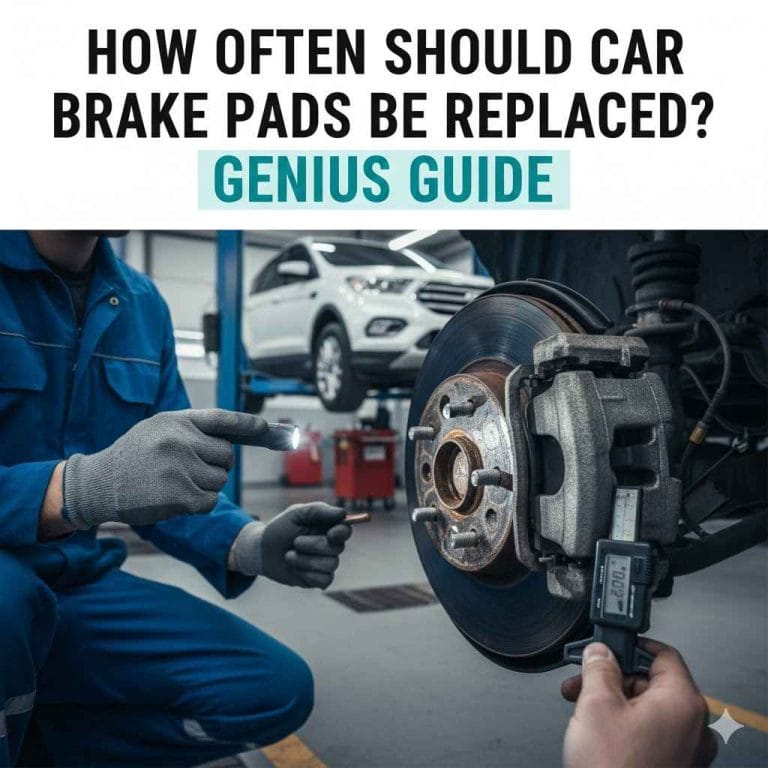
- Check pad thickness every 10,000 miles or at each oil change. Replace pads before reaching the manufacturer’s minimum thickness.
- Inspect rotors for warping (felt as vibrations when braking), scoring, or cracks. Damaged rotors should be resurfaced or replaced immediately.
- Examine calipers and lines for leaks, corrosion, or physical damage. Replace any components showing signs of wear or failure to prevent catastrophic brake loss.
Signs Of Brake Issues
- Spongy pedal: Often indicates air in the lines or fluid contamination. Immediate bleeding or fluid replacement is necessary.
- Squeaking/grinding: Usually signals pad wear or rotor damage. Continuing to drive can lead to more expensive repairs.
- Vibrations: Suggest warped rotors, uneven pad wear, or suspension issues. Prompt inspection and correction are essential for safety.
Professional Assessment
Always consult a certified mechanic for:
- Major upgrades, such as caliper or full kit installations
- Troubleshooting complex brake system issues
- Ensuring compatibility with electronic systems like ABS, ESC, or brake assist
Professional technicians can also provide recommendations based on your specific driving needs and local conditions.
Preventive Measures
- Flush brake fluid regularly, especially after heavy use or if fluid appears dark or contaminated.
- Replace pads and rotors before they reach critical wear limits.
- Address any dashboard warning lights or changes in pedal feel immediately to prevent accidents.
Frequently Asked Questions
What Is The Most Cost-effective Way To Improve My Car’s Braking Performance?
Upgrading to high-quality brake pads and performance rotors is the most affordable and impactful improvement. These upgrades typically cost between $200–$400 and offer tangible gains in stopping distance and response, making them ideal for budget-conscious drivers seeking significant safety benefits.
How Often Should I Replace Brake Fluid?
Brake fluid should be replaced every two years for DOT 3 and DOT 4 fluids. For performance or track driving, annual replacement is recommended to maintain optimal boiling point and pedal feel, protecting your investment in upgraded components.
Will Bigger Brake Kits Fit Any Car?
Not always. Brake kits must be compatible with your car’s wheels, calipers, and overall brake system. Consult manufacturer specs or a professional installer to ensure proper fitment and safety. Some vehicles may require aftermarket wheels or additional modifications to accommodate larger calipers or rotors.
Can Tire Upgrades Improve Braking?
Absolutely. High-performance tires can reduce stopping distances by up to 20%. Tire grip is often the limiting factor in real-world braking, so upgrading tires is essential for maximizing overall performance, especially in wet or emergency scenarios.
Should I Upgrade Brakes Myself Or Seek Professional Help?
While pad and rotor swaps are possible for skilled DIYers, caliper upgrades, brake kits, and fluid flushes are best handled by professionals. Proper installation ensures safety, system compatibility, and optimal results, especially when dealing with complex or high-performance systems.
Authoritative Resources And External Links
For further reading and technical details, explore these trusted sources:
- Wikipedia: Brake
- Consumer Reports: When to Replace Brake Pads
- NHTSA: Brake Equipment
- Autoblog: How to Improve Your Car’s Braking
- Brembo: Brake Systems Explained
- Tire Rack: Tire Tech Braking
Upgrading your car’s brakes is one of the most effective ways to enhance safety, performance, and peace of mind. Whether you choose simple pad swaps or invest in a full performance kit, understanding the fundamentals and making informed decisions ensures your vehicle stops reliably when it matters most.
By combining component upgrades, regular maintenance, and the right driving techniques, you’ll achieve better stopping power and safer journeys on every road. Taking a holistic approach to your brake system—considering tires, fluid, technique, and professional guidance—will transform your driving experience and protect what matters most.