How to Deep Clean a Car After a Long Road Trip
Deep clean a car after a long road trip by clearing loose debris first, then vacuuming, spot-treating stains, wiping hard surfaces, washing mats, and finishing with odor control. Start with dry debris before any liquid cleaning. If you skip that order, grit can scratch, spills can set deeper, and odors can linger in fabric, vents, and the trunk. Below is a contamination-based reset system for dust, crumbs, mud, spills, pet mess, and material-specific risks.
Prep the cabin before tackling exterior dirt


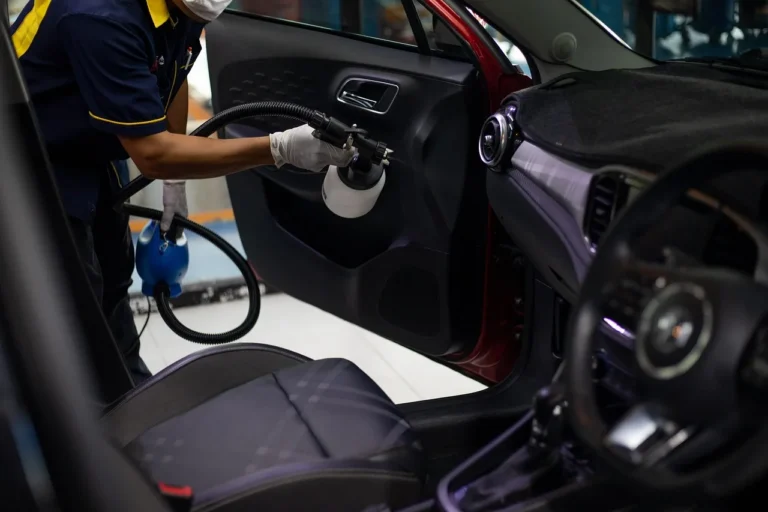
Start with trash, wet items, and loose cargo, then vacuum the cabin before washing the exterior if the interior has food, sand, pet hair, or damp clothing. Dry debris is easier to remove before it gets pushed into carpet or seams, and a quick cabin-first reset keeps grit from spreading as you move items around.
Quick reset versus full deep clean
A quick reset fits a car that is cluttered but not heavily stained: clear trash, vacuum the footwells, wipe the main touch points, and deal with wet items. A fuller deep clean adds stain treatment, mat washing, glass work, vent dusting, trunk cleanup, and exterior washing. A complete interior deep cleaning requires about two hours.
-
Remove loose items first. Pull out bottles, wrappers, tissues, chargers, and anything else rolling under seats or in the cargo area. That keeps you from vacuuming around clutter and helps you spot spills before they set.
-
Separate wet from dry. Bag damp towels, swimsuits, and rain-soaked gear before they sit on fabric seats or in the trunk. Moisture trapped in the cabin can drive odors and slow drying.
-
Vacuum before liquids. Use a vacuum with multiple nozzles so you can reach tight spaces, including between seat creases and under pedals. That order removes grit first and lowers the risk of rubbing sand deeper into fabric.
-
Wash the exterior later. If the cabin is full of crumbs, dust, or pet hair, finish the interior first and then move outside. Washing paint before cleaning the cabin only adds one more surface that can be re-dusted during the interior work.
Road trip cleanup matrix
This table maps the mess to the safest first move. Use it to decide what gets handled with a dry tool first, what needs a spot cleaner, and what should wait until the surface is fully dry.
| Contamination type | Safest first step | Best product/tool | Common mistake to avoid |
|---|---|---|---|
| Crumbs | Vacuum loose pieces before wiping | Vacuum with multiple nozzles | Smearing crumbs into seams with a wet towel |
| Sand | Lift grains dry from seats and mats | Slim vacuum nozzle | Rubbing sand deeper into fabric |
| Mud | Let heavy mud dry, then break it up | Vacuum, soft brush, microfiber cloth | Scrubbing wet mud into carpet fibers |
| Drink spills | Blot immediately, then clean the residue | Microfiber cloth, mild upholstery cleaner | Flooding the seat with liquid |
| Sunscreen or oily residue | Wipe lightly, then repeat with a cleaner | All-purpose interior cleaner, microfiber cloth | Using too much product and leaving film |
| Bug splatter | Soften residue before wiping glass or paint | Glass cleaner, mild shampoo or soap | Dry-wiping and dragging grit across the surface |
| Pet hair | Vacuum first, then use a cloth on stubborn patches | Vacuum with multiple nozzles | Brushing hair deeper into upholstery |
| Wet clothing moisture | Remove damp gear and ventilate the cabin | Dry towels, open doors and windows | Leaving wet fabric on carpet overnight |
| Dusty vents | Vacuum dust near the vent openings, then wipe | Soft brush attachment, microfiber cloth | Pushing dust farther into the vent fins |
| Trunk clutter | Empty the trunk and sort what goes back in | Vacuum, microfiber cloth | Cleaning around loose gear instead of removing it |
| Sticky fingerprints | Wipe once, then inspect under bright light | All-purpose interior cleaner, microfiber cloth | Leaving residue on piano-black trim |
| Road grime on exterior paint | Rinse and wash after the cabin is done | Mild shampoo or soap | Using dish soap or wiping dry dust across paint |
What tools do you need?
You do not need a giant detailing kit to reset a road-trip mess. The essentials are a vacuum with multiple nozzles, microfiber cloths, an all-purpose interior cleaner, glass cleaner, mild shampoo or soap, and, if you want a full finish, protective wax after the exterior wash.
Core tools and what they do
- Vacuum with multiple nozzles. Used for tight spaces. A slim nozzle reaches between seat creases and under pedals, and it is the primary tool for crumbs, sand, dust, and pet hair.
- Microfiber cloth. Used for safe wiping. It should be soft to avoid scratching, and it works on dashboards, handles, cup holders, and panels. At least 2–3 microfiber cloths.
- All-purpose interior cleaner. Used on dashboards, handles, cup holders, and panels. Pair it with a microfiber cloth to remove sticky fingerprints and spills without soaking the surface.
- Glass cleaner. Used to restore visibility. It helps after dust, bugs, and film buildup on interior and exterior glass.
- Mild shampoo or soap. Used for gentle washing. It is suitable for exterior cleaning after road grime.
- Protective wax. Used after washing. It is the finishing step in a complete cleaning job and helps protect paintwork.
Testing cleaners on hidden areas first to check for discoloration. That matters on leather, alcantara-like surfaces, and piano-black trim, where a product can leave a mark that is obvious in daylight.
How do you deep clean the car interior?
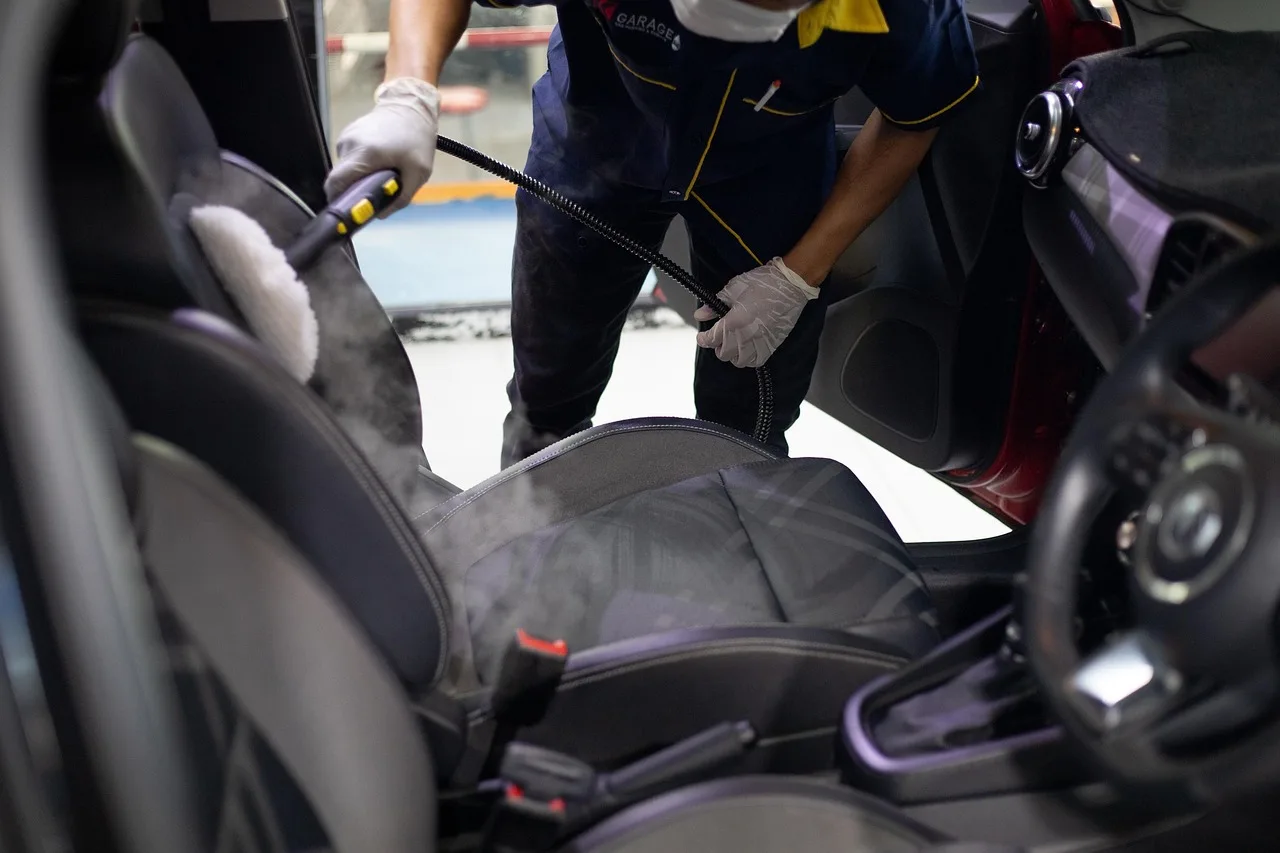
Deep clean the cabin by vacuuming first, then wiping hard surfaces, then treating upholstery, carpets, and mats, and finally cleaning glass and vents. That order limits grit transfer and keeps moisture under control. The same guide describes a wet-dry vacuum with crevice and upholstery attachments as the best choice for this kind of work.
-
Vacuum the cabin thoroughly. Start with seats, then carpets, then crevices, and finish with under-seat areas and the trunk. Vacuuming is about 60% of the deep-clean battle, so slow passes matter more than speed.
-
Wipe hard surfaces next. Use an all-purpose interior cleaner on dashboards, handles, cup holders, and panels, then follow with a microfiber cloth. Keep the cloth damp, not wet, so you do not leave streaks or residue.
-
Treat fabric carefully. Use diluted upholstery cleaner sparingly on fabric and carpet, then agitate with a soft brush using circular motions. Too much liquid can soak padding and trap odor.
-
Clean glass and vents. Use glass cleaner on interior and exterior glass, then wipe vent openings with a dry microfiber cloth or a soft brush attachment. That removes haze and helps keep dust from blowing back into the cabin.
-
Dry the interior fully. Open doors and windows for at least 30 minutes after cleaning. Ventilation lowers the chance of musty smells and helps any cleaner residue flash off.
Material-specific risks
- Fabric. Lift grit before any liquid treatment. If you over-wet fabric, moisture can spread below the top layer and leave odor behind.
- Leather. Use a lightly damp microfiber cloth and avoid heavy soaking. Excess cleaner can leave slick residue and attract dust.
- Rubber mats. Remove them from the car, wash separately, and dry them before reinstalling. Wet mats can transfer moisture to carpet.
- Touchscreens. Put cleaner on the cloth, not on the screen. Heavy spraying can seep into edges and leave streaks.
- Piano-black trim. Wipe with almost no pressure. This finish shows lint, haze, and scratches quickly.
- Alcantara-like surfaces. Use minimal liquid and a soft brush. Aggressive scrubbing can flatten the nap and make the spot look darker.
How do you get sand, crumbs, and pet hair out of your car?
Use a vacuum with the right nozzle, work from top to bottom, and keep liquids away until the grit is gone. Sand and crumbs should come out dry first; pet hair often needs a second pass and a little patience on fabric, carpet, and seat creases.
Vacuum nozzle choices for tight spaces
A slim nozzle is a common starting point for seat tracks, console gaps, door pockets, and under pedals. The crevice attachment reaches narrow seams where crumbs and sand collect, while a wider upholstery attachment covers seat bottoms and carpet faster. That combination is why a wet-dry vacuum with crevice and upholstery attachments is described as best.
-
Start with seat creases. Push the nozzle along the seams before you touch the seat surface with a cloth. That reduces the chance of grinding grit into the fabric.
-
Vacuum the floor in sections. Move the mats out first, then vacuum the exposed carpet, then the mats themselves. This keeps sand from falling back onto a clean area.
-
Lift pet hair in passes. Vacuum once, change angle, then vacuum again. Hair that clings to fabric often releases only after the pile is lifted from more than one direction.
Say your back seat has a noticeable layer of beach sand after a weekend trip. A dry vacuum pass gets the loose grains out first; a wet cleaner before that would only drag the sand into the weave and make the spot harder to remove.
How do you clean spills, stains, and smells?
Clean spills and odors by blotting first, then using the least liquid needed for the stain type, and then drying the area completely. Drink spills, sunscreen, and damp clothing each leave a different residue, and each one can create smell if moisture stays trapped in fabric or under floor mats.
Drink spills and sticky residue
Blot liquid with a microfiber cloth, then use an all-purpose interior cleaner or an upholstery cleaner suited to the surface. Do not scrub hard; spreading the spill can enlarge the stain and drive sugar deeper into the fabric. A common first-timer mistake is adding more cleaner each time the spot still looks dark. That only delays drying.
Sunscreen and oily marks
Sunscreen leaves a slippery film on armrests, seat bolsters, and door handles. Wipe the area with a microfiber cloth and a small amount of all-purpose interior cleaner, then buff with a clean cloth to remove residue. On piano-black trim, use very little product so the panel does not haze.
Wet clothing moisture and odor control
Wet swimsuits, rain jackets, and damp towels need to leave the cabin first. After that, open doors and windows for at least 30 minutes, and remove floor mats so air can reach the carpet beneath them. If the spill was organic, enzyme-based cleaners are better than generic products for that stain type.
Suppose a bottle of sports drink tipped over in the footwell and soaked the carpet edge. Blot the top layer first, then use a small amount of cleaner and dry towels. If the area stays damp under the mat, the smell can return even after the surface looks clean.
Should you wash the exterior or vacuum the interior first?
Vacuum the interior first when the cabin has sand, crumbs, pet hair, wet gear, or sticky spills. Those messes can move around while you work. Wash the exterior after the cabin is under control, then finish with wax if you want a complete reset and the paint is fully dry.
Exterior wash and finish
Use mild shampoo or soap for gentle washing after road grime, rather than a harsh household cleaner. Rinse off bug splatter and dust from glass, dry the vehicle, and then apply protective wax as the last step. That keeps road film from being dragged across the finish during the wash and gives the paint a protective layer after cleaning.
-
Rinse loose grit away. Start with the lower panels and glass where road film collects. That reduces the chance of rubbing grit into the paint during the wash.
-
Wash with mild soap. Use mild shampoo or soap in the wash water and a clean microfiber cloth or sponge. That is gentle enough for routine post-trip cleanup.
-
Clear the glass. Use glass cleaner on exterior glass after bug spots and dust are gone. Wipe with a clean microfiber cloth so visibility improves without streaks.
-
Apply wax after drying. Protective wax belongs after the vehicle is dry and clean. It is the finishing step, not a substitute for washing.
Frequently asked questions
How to deep clean a car after a long road trip
Remove trash and wet items first, vacuum the cabin, then clean hard surfaces, mats, upholstery, glass, vents, and the trunk. Finish by drying the interior and washing the exterior with mild shampoo or soap. That order keeps grit out of fabric and reduces the chance of new stains while you work.
How do you deep clean a car interior after a road trip?
Use a vacuum with multiple nozzles for seats, carpets, and crevices, then wipe dashboards, handles, cup holders, and panels with an all-purpose interior cleaner and microfiber cloth. Treat fabric sparingly, clean glass, and ventilate the cabin for at least 30 minutes after finishing.
What should I clean first after a dusty road trip car?
Clean loose trash and dry dust first, then vacuum before any liquid cleaner touches the surface. Dust behaves like grit, so if you wipe first, you can push it deeper into seams, carpet, and trim. Focus on the cabin before exterior washing if the interior is the messier part.
How do I get sand, crumbs, and pet hair out of my car?
Use a vacuum with a slim nozzle to reach between seat creases, under pedals, and along carpet edges. Vacuum in multiple directions for pet hair, and do not add liquid until the dry debris is gone. That keeps sand from embedding and crumbs from turning into paste.
What tools do I need to deep clean a car at home?
The core set is a vacuum with multiple nozzles, microfiber cloths, all-purpose interior cleaner, glass cleaner, mild shampoo or soap, and protective wax for the exterior finish. A soft brush helps on carpet and vents, and at least 2–3 microfiber cloths makes it easier to keep dirty and clean tasks separate.
How do I remove road trip smells and sticky spills from a car?
Blot spills right away, clean the residue with the least liquid needed, and dry the area fully. Remove wet clothing and damp gear from the cabin, then open doors and windows for at least 30 minutes. If the stain is organic, enzyme-based cleaners are better than generic products.
Products related to this article
Sponsored / affiliate links. As an Amazon Associate I earn from qualifying purchases. I may earn additional commission from eligible campaigns.