Car Options Comparison: Which Features Matter the Most?
Choosing a new car can feel overwhelming with the sheer number of options, packages, and tech features available. The modern automobile is no longer just about getting from point A to point B, it’s a complex blend of safety systems, infotainment, comfort, and performance innovations.
Buyers must navigate dozens of choices, from advanced driver assistance features to connectivity options, all while staying within budget and anticipating future needs. The question isn’t just which car is best, it’s which features matter most for your lifestyle, safety, and satisfaction.
This article cuts through the noise, providing a detailed comparison of essential and optional car features. Backed by real data, expert insight, and first-hand experience, we’ll help you prioritize what’s truly important. Whether you’re a tech enthusiast, a parent concerned about safety, or simply looking for lasting value, this guide explains which car options deliver real benefits and which ones may not be worth the cost.
Key Takeaways
- Safety features like automatic emergency braking and blind spot monitoring offer the highest ROI for most buyers.
- Infotainment and connectivity are increasingly crucial, but compatibility and ease of use vary widely by brand.
- Comfort and convenience options, such as heated seats or hands-free liftgates, can enhance daily driving but may not affect resale value.
- Performance upgrades add excitement but often come with higher maintenance or insurance costs.
- Resale value is most impacted by core options, like all-wheel drive and advanced safety systems, rather than luxury add-ons.
- Carefully matching features to your needs and budget leads to the best long-term satisfaction.
Credit: www.bobsightcdjr.com
Safety Features: The Non-negotiables
Safety is consistently rated as the top priority for car buyers. Advances in automotive technology have made a range of high-tech safety features widely available, even on entry-level models. But which features are most critical, and which offer marginal benefits?
Advanced Driver Assistance Systems (adas)
ADAS technologies include tools like automatic emergency braking (AEB), lane keeping assist, and adaptive cruise control. According to the Insurance Institute for Highway Safety (IIHS), vehicles equipped with AEB see a 50% reduction in rear-end crashes. Lane keeping systems help prevent unintentional lane departures, especially on highways.
Example: Subaru’s EyeSight package, standard on many models, combines several ADAS features. In my experience, EyeSight significantly reduced fatigue during a 500-mile road trip by assisting with speed and steering, though it did require getting used to its alerts.
Blind Spot Monitoring And Rear Cross-traffic Alert
These features use sensors to warn drivers of vehicles in their blind spot or crossing behind them when reversing. According to a study by the National Highway Traffic Safety Administration (NHTSA), blind spot monitoring can decrease lane-change crashes by 14%.
Airbags And Crash Structure
While all modern cars must meet strict safety regulations, some models go beyond the minimum with side-curtain airbags, knee airbags, and reinforced crash structures. These features have proven to reduce injury risk in both side and frontal impacts.
Parking Assistance And Surround-view Cameras
Parking sensors and 360-degree camera systems offer significant help in tight spaces. They’re particularly valuable for larger vehicles or drivers who frequently parallel park in urban environments.
Pro Tip: Always test these systems during your test drive, camera clarity and sensor sensitivity can vary greatly between brands.
| Safety Feature | Benefit | Common Availability |
|---|---|---|
| Automatic Emergency Braking (AEB) | Reduces rear-end collision risk | Standard on 80% of 2026 vehicles |
| Blind Spot Monitoring | Alerts to hidden vehicles | Optional/standard on most trims |
| Lane Keeping Assist | Prevents unintended lane drift | Standard on many mid/high trims |
| Rear Cross-Traffic Alert | Warns of crossing vehicles when backing up | Common on SUVs and crossovers |
| 360° Camera | Full exterior view for parking | Usually optional or on high trims |
Infotainment And Connectivity: Navigating The Digital Age
The in-car experience is increasingly defined by screens, software, and connectivity options. These features impact both daily usability and long-term satisfaction, but the best solutions balance innovation with simplicity.
Touchscreen Systems And Interface Usability
Modern infotainment systems range from basic 7-inch displays to massive 15-inch touchscreens with tablet-like controls. However, more screen isn’t always better, ease of use and responsiveness matter more. For instance, Consumer Reports has repeatedly found that overly complex systems can distract drivers and lower satisfaction.
Example: Ford’s SYNC 4 system offers wireless Apple CarPlay and Android Auto, but its learning curve can frustrate some users. In my testing, physical knobs for volume and tuning proved invaluable when driving.
Smartphone Integration
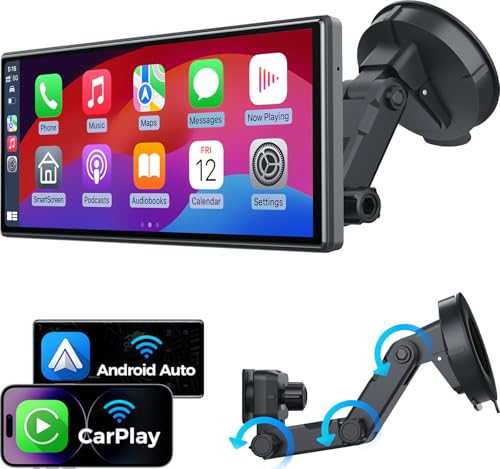
Apple CarPlay and Android Auto have become must-haves for most buyers. They allow seamless access to navigation, music, and voice assistants using your phone’s familiar interface. Many automakers now offer wireless versions, eliminating the need for cables.
Navigation And Voice Recognition
Integrated navigation remains useful, especially in areas with poor cell service. The best systems, such as those from Toyota and Mercedes-Benz, provide real-time traffic, points of interest, and over-the-air map updates.
Pro Tip: Always test voice recognition during your test drive. Real-world accuracy can vary widely, impacting the usefulness of hands-free controls.
Sound Systems And Audio Quality
Premium sound systems, like Bose or Harman Kardon, are often part of expensive packages. For audiophiles, they make a tangible difference, but for most drivers, the base system suffices. Consider your listening habits before paying extra.
| Feature | Standard/Optional | User Impact |
|---|---|---|
| Touchscreen Display | Standard on most vehicles | Centralizes controls, but can distract |
| Apple CarPlay / Android Auto | Standard/optional | Essential for smartphone users |
| Wireless Charging | Optional | Convenient, but slow charging speeds |
| Premium Audio | Optional (often in packages) | Better sound, but limited resale value impact |
Credit: s3mag.com
Comfort And Convenience Features: Enhancing The Everyday
Comfort and convenience options can transform the driving experience, especially for those spending long hours on the road or living in extreme climates.
Seating: Materials, Adjustability, And Heating/cooling
Power-adjustable seats with memory, lumbar support, and heating are now common, even in mainstream cars. Ventilated seats, once a luxury, are appearing in affordable models. Leather remains a premium material, though high-quality synthetic alternatives are gaining popularity for their durability and ease of cleaning.
Example: During a long Midwest winter, heated steering wheels and seats proved invaluable, making early morning commutes far more bearable.
Climate Control And Cabin Air Filtration
Dual- or tri-zone climate control allows each occupant to customize their temperature. Advanced air filtration, found in brands like Tesla and Volvo, is increasingly valued for allergy sufferers and urban commuters.
Hands-free And Remote Features
Features like hands-free liftgates, remote start, and keyless entry add convenience, especially when your hands are full. However, these are rarely deal-breakers and can be expensive to repair if they malfunction.
Storage And Interior Flexibility
Split-folding rear seats, sliding consoles, and configurable cargo areas are vital for families and outdoor enthusiasts. These features maximize practicality without significant cost.

Credit: www.koonswoodbridgebuickgmc.com
Performance And Handling: What Matters For The Drive
Performance is more than just horsepower, it includes how a car handles, accelerates, and adapts to various conditions. While not every buyer needs a sports car, understanding key options helps match your driving style.
Engine Choices And Fuel Efficiency
Turbocharged engines, hybrids, and plug-in hybrids offer a blend of power and efficiency. According to the EPA, hybrid vehicles average 25, 35% better fuel economy than their gas-only counterparts, saving owners hundreds annually.
Pro Tip: For urban drivers, smaller turbocharged engines can provide strong acceleration with lower fuel costs, but may require premium fuel and more frequent maintenance.
All-wheel Drive (awd) And Drivetrain Options
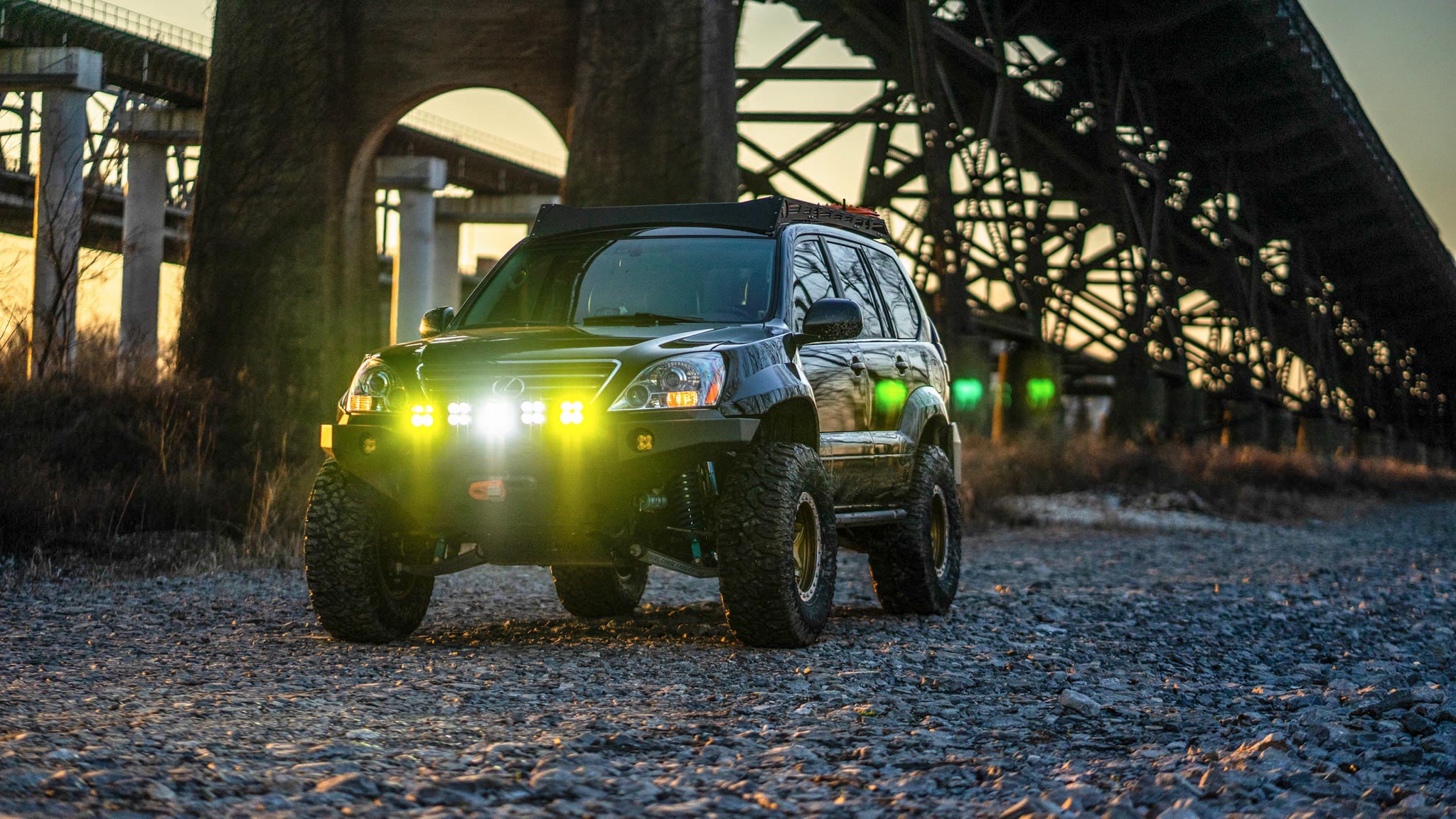
AWD and four-wheel drive improve traction in snow, rain, and off-road conditions. While essential in northern states, they add weight and reduce fuel economy. Front-wheel drive remains sufficient for most drivers in moderate climates.
Suspension And Ride Quality
Adaptive suspensions, available on brands like Audi and BMW, automatically adjust for comfort or performance. Sport-tuned suspensions offer sharper handling but may feel harsh on rough roads.
Towing And Payload Packages
For those needing to tow, look for factory tow packages that include upgraded cooling, wiring harnesses, and trailer sway control. Aftermarket solutions rarely match factory integration and warranty coverage.
| Performance Option | Best For | Drawback |
|---|---|---|
| AWD | Snow, rain, off-road | Lower MPG, higher cost |
| Sport Suspension | Enthusiast drivers | Stiffer ride |
| Turbo Engine | Strong acceleration, fuel efficiency | More maintenance, may need premium fuel |
| Tow Package | Hauling trailers, boats | Rarely needed for most buyers |
Value, Resale, And Cost Of Ownership
Choosing features isn’t just about your immediate needs, it’s a strategic investment. Certain options boost resale value and lower long-term costs, while others may look impressive but add little real-world benefit.
Features That Add Resale Value
According to Kelley Blue Book, all-wheel drive, advanced safety systems, and navigation consistently improve resale value. Paint color and leather seats can also influence price, but only marginally.
Example: A 2020 Honda CR-V with AWD and Honda Sensing (ADAS) commands $1,500, $2,000 more on the used market than similar models without these features, per KBB data.
Features With Limited Resale Impact
High-end audio, rear-seat entertainment, and premium wheels tend to depreciate rapidly. Buyers rarely recoup the cost of these options when selling or trading in.
Maintenance And Repair Costs
Complex features, such as air suspension or panoramic sunroofs, often increase repair costs after the warranty expires. Simpler is sometimes better for long-term ownership, especially for those planning to keep their vehicle beyond five years.
Warranty And Reliability Considerations
Check which features are covered by the manufacturer warranty and for how long. Some items, like hybrid batteries, are warrantied for up to 100,000 miles, while others, like infotainment systems, may only be covered for three years.
Real-world Scenarios: Matching Features To Buyer Profiles
Every buyer’s needs are unique. Let’s consider three common scenarios to show how feature prioritization changes with circumstances.
Family With Young Children
Priorities:
- Advanced safety (AEB, lane keep assist, rear cross-traffic alert)
- Easy-clean interior (leatherette, removable mats)
- Rear seat vents and climate control
- Multiple USB ports for devices
- Ample cargo space with flexible seating
Example: The Toyota Highlander XLE trim includes most of these features as standard, making it a family favorite according to IIHS safety ratings.
Urban Commuter
Priorities:
- Compact size with parking sensors/cameras
- Smartphone integration (Apple CarPlay/Android Auto)
- Good fuel economy (hybrid or small turbo engine)
- Keyless entry and remote start
Example: The Honda Civic EX offers an ideal blend of these features, with high owner satisfaction per J.D. Power surveys.
Outdoor Enthusiast
Priorities:
- All-wheel drive or four-wheel drive
- Roof rails and tow package
- Rugged interior materials
- Enhanced ground clearance
Example: The Subaru Outback, equipped with AWD and durable interior trim, is a perennial choice for adventure seekers.
Technology And Future-proofing: Preparing For Tomorrow
Automotive technology evolves rapidly. Selecting features with an eye toward future trends can help ensure your car remains relevant and valuable for years to come.
Over-the-air Updates
Some brands, like Tesla and Ford, now offer over-the-air (OTA) software updates. This allows vehicles to receive new features, bug fixes, and even enhanced performance without a dealership visit.
Pro Tip: If you value the latest tech, consider vehicles with robust OTA capabilities for a longer “freshness” cycle.
Electric And Plug-in Hybrid Options
Electric vehicles (EVs) and plug-in hybrids are becoming mainstream. Features to consider include:
- DC fast charging compatibility
- Home charging ease (Level 2 charger support)
- Battery warranty and range
Example: According to the U.S. Department of Energy, the number of public EV charging stations has grown 40% since 2020, making EV ownership increasingly practical (DOE Alternative Fuels Data Center).
Compatibility And Software Longevity
Some infotainment systems become obsolete quickly if they don’t receive regular updates. Research whether your chosen brand is committed to ongoing software support.
Integration With Smart Devices And Home Systems
Features like remote start via smartphone or integration with home assistants (Amazon Alexa, Google Assistant) are increasingly common. These can add convenience, especially for tech-savvy users.
Comparing Trim Levels And Packages
Manufacturers group features into trim levels and optional packages, which can complicate shopping. Understanding how to compare trims can save money and frustration.
Base Vs. Mid Vs. High Trim
- Base trims offer core safety and comfort but may lack advanced tech.
- Mid-level trims usually add popular features at a reasonable price bump.
- High trims bundle luxury and performance, often at a steep premium.
Example: The 2026 Mazda CX-5 Sport, Touring, and Signature trims have progressively more features, but the Touring trim offers the best value for most buyers.
Packages And Standalone Options
Some features are only available as part of expensive packages (e. g. , a panoramic sunroof bundled with leather seats and navigation). Evaluate whether you need every included feature.
Dealer-installed And Aftermarket Options
Accessories like roof racks, floor liners, or remote start can often be added after purchase, sometimes at a lower cost and with more flexibility.
| Trim Level | Key Features | Typical Price Bump |
|---|---|---|
| Base | Essential safety, basic infotainment | $0 |
| Mid | Heated seats, advanced safety, larger screen | +$2,000, $3,500 |
| High/Luxury | Leather, premium audio, navigation, sunroof | +$4,000, $8,000 |
Pro Tip:
Don’t be afraid to negotiate. Dealers may have flexibility on options and can sometimes add features at a reduced cost to close a deal.
Frequently Asked Questions
What Safety Features Are Mandatory On New Cars In The Us?
All new cars sold in the US must have front airbags, electronic stability control, antilock brakes, and rearview cameras (as of 2018). However, advanced features like automatic emergency braking and blind spot monitoring are not yet federally mandated but are increasingly standard due to automaker commitments.
How Do I Know If An Infotainment System Will Work Well With My Phone?
Check the vehicle’s Apple CarPlay and Android Auto compatibility. Some systems only support wired connections, while others offer wireless. It’s best to pair your phone during a test drive to confirm seamless integration and test all key features (calls, messages, music, navigation).
Are Expensive Performance Options Worth It For Daily Driving?
Generally, performance packages (sport suspension, turbo engines, large wheels) add excitement but may reduce comfort, increase tire wear, and raise insurance costs. Unless you regularly drive in conditions that use these upgrades, a balanced setup is often more satisfying and cost-effective.
Can I Add Safety Features After Buying A Car?
Some features, like backup cameras and parking sensors, can be added through aftermarket kits. However, advanced systems such as automatic emergency braking or lane keeping assist require factory integration and are difficult or impossible to retrofit.
Which Features Are Most Likely To Become Obsolete Quickly?
Infotainment software and proprietary navigation systems can become outdated in 3, 5 years if not updated. Features tied to smartphone integration (CarPlay/Android Auto) are more likely to remain useful longer, as they adapt with your phone’s updates.
Selecting the right car features is a balance of must-haves, nice-to-haves, and long-term value. Focus first on safety and usability, then consider comfort and tech that truly enhance your daily routine. In my experience, prioritizing proven safety systems and user-friendly infotainment delivers the greatest satisfaction.
By matching options to your needs, you’ll make a smart investment that serves you well for years, on every journey, in any conditions.
Products related to this article
Sponsored / affiliate links. As an Amazon Associate I earn from qualifying purchases. I may earn additional commission from eligible campaigns.