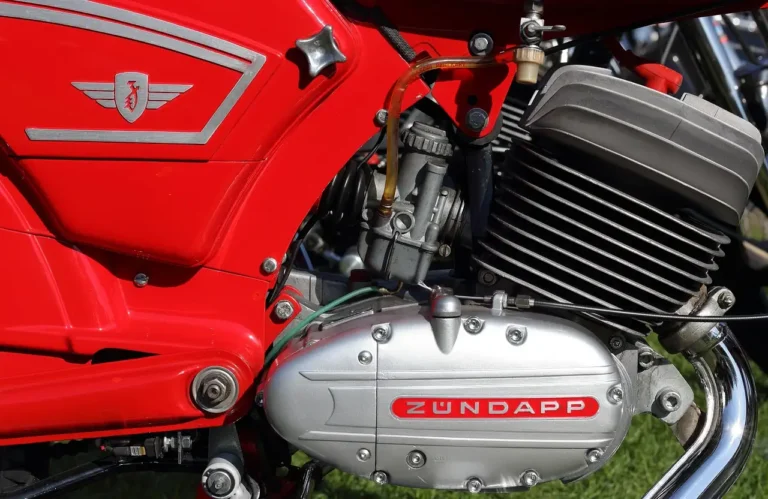
How to Choose the Right Carburetor Rebuild Kit
Choose the smallest carburetor rebuild kit that matches the exact carb type, fixes the specific failure mode, and matches OEM gasket, needle, and accelerator-pump fitment. A broad kit can leave leaks, wrong metering parts, or extra teardown work after reassembly. OEM service parts catalogs and rebuild manuals consistently treat carburetor service as model-specific rather than universal, and ethanol-blended fuel increases the need to verify seal material compatibility before ordering. This guide shows how to read carb IDs, identify wear patterns, and compare OEM fitment before you buy. [OEM parts catalog/service manual guidance; ethanol compatibility guidance]
What a carb rebuild kit includes
A carburetor rebuild kit is a parts set for restoring worn seals, metering parts, and fuel-handling components inside a specific carburetor family. The right kit is usually application-specific, not universal, because gasket shape, needle profile, jetting, accelerator-pump design, and choke hardware vary by carb body and engine family. [OEM parts catalogs; service manuals]
Typical contents include gaskets, O-rings, springs, float valve parts, jets, diaphragms, washers, and seals. Bronco kits, for example, include gaskets, precision made brass jets, o-rings, springs, and float valve. Carburetor City says its kits contain wear parts like gaskets, diaphragms, washers and o-rings. [OEM-style kit listings; manufacturer kit descriptions]
Basic gasket kit vs full rebuild kit
A basic gasket kit fits a narrow repair. Use it when the carb body is sound, the float moves freely, and the leak is from hardened gaskets or dried seals only. If the failure is limited to sealing surfaces, that is the smallest correct buy. For a broader teardown decision, see step-by-step carburetor rebuild. [OEM service manuals; gasket-service guidance]
Do not use a gasket-only kit for hard starting, flooding, or fuel starvation unless inspection shows the metering parts are still serviceable. That shortcut usually leaves the fault in place because float-valve wear, jet blockage, or diaphragm damage is not corrected by gaskets alone. [OEM rebuild guidance; float/needle wear behavior]
Choke, primer, and diaphragm parts
Some kits focus on one subsystem instead of the whole carburetor. The same source lists separate elaborate kits for specific carb families and models, and other listings separate choke valve kits or primer pump kits from full rebuild kits. [OEM-style catalog structure; manufacturer kit descriptions]
That matters when the failure is isolated. If the choke plate, primer bulb, or accelerator-pump diaphragm is the damaged part, a partial repair kit can be the smallest correct buy, provided the carb ID, choke style, and pump layout match exactly. [OEM parts catalogs; service manuals]
Which wear items matter most?
Inspect the float, needle and seat, diaphragms, jets, and every rubber seal first. The same source says ethanol content can damage old rubber parts, so aged seals deserve close attention on any carb fed with modern ethanol-blended fuel. Ethanol guidance from marine and small-engine sources consistently warns that older elastomers and fuel-system seals can harden, swell, or crack over time if they are not ethanol-compatible. [Ethanol compatibility guidance; manufacturer material specs]
If the float is fuel-soaked, the needle tip is grooved, or a diaphragm is brittle at the fold lines, move up from a gasket kit to a full rebuild kit. If the body is warped, pitted, or corroded through, replacement is often the better call. Float saturation, needle-seat wear, and sealing-surface damage are classic rebuild indicators in OEM service procedures. [OEM service manuals; float/needle wear behavior]
How do I find the right carburetor rebuild kit?
Start with the carburetor itself, not the engine alone. Read the carb tag, casting number, and stamped code, then match that to the exact engine make, model, and year range. After that, separate single-barrel from multi-barrel design and confirm whether the unit is OEM or an aftermarket substitute. That order matters because OEM catalogs and service manuals index rebuild parts by carb code, not by “close enough” appearance. [OEM parts catalogs; service manuals]
Many kits are built for one carb family only, and marine or off-road applications can use different seals, choke pieces, or venting details than road-vehicle versions of the same-looking carb body. [Marine/application-specific fitment guidance; OEM catalogs]
Read the carb tag and casting
Look for a tag, stamped number, or cast-in family code on the carb body. Search that exact identifier first. If the carb has a tag missing, compare throttle-bore count, choke style, bowl shape, and fuel inlet location against the service listing. A carb ID is the best fitment starting point because casting families often share visual similarities but use different gaskets, jets, and pump components. [OEM parts catalogs; service manuals]
Match the engine make, model, and year
Use the engine application, not just the carb brand. A Honda CRF50 rebuild kit is listed for 2004-2022 models, a Honda CR125 carburetor repair kit is listed for 2000-2001, a Honda Foreman 450 rebuild kit is listed for 1998-2003, and a Honda Fourtrax 300 choke valve kit is listed for 1988-1993.
Separate single-barrel from multi-barrel units
A single-barrel carb uses a different gasket stack, float layout, and often a different choke or primer setup than a two-barrel or four-barrel unit. Do not order by brand alone. A Weber 32/36 kit will not fit every Weber, and a Holley 4150 kit will not fit every Holley. Barrel count, choke style, and accelerator-pump design must all line up with the kit contents. [OEM parts catalogs; service manuals]
Which failure mode are you fixing?
Match the kit to the symptom and the part that actually failed. Fuel leaks, hard starting, flooding, hesitation, and poor idle can point to different wear parts. The smallest correct kit is the one that replaces the worn piece, not every part in the carburetor. [OEM troubleshooting charts; float/needle wear behavior]
Fuel leak or hard starting
If fuel seeps from the bowl seam, throttle shaft area, or gasket surfaces, inspect gasket hardening first. If the leak comes with a dry, cracked seal and the float still measures correctly, a basic gasket kit may be enough. If fuel level control is off, step up to float valve parts too. This is the point where a gasket-only repair is appropriate versus a larger rebuild. [OEM service manuals; gasket-service guidance]
Stuck float or worn needle and seat
Flooding at idle, raw fuel in the intake, or wet plugs usually points to float or needle-and-seat wear. A needle with a grooved tip or a seat with debris scoring needs replacement. If the float is fuel-logged or distorted, replacement is safer than trying to reuse it. OEM service manuals describe these as wear items because they control fuel level and can cause rich running or flooding when the tip or seat no longer seals. [OEM service manuals; float/needle wear behavior]
Hesitation, flooding, or blocked jets
Flat spots and hesitation under throttle often track back to clogged jets or passages. In that case, choose a full rebuild kit or an elaborate kit with the correct jets for the carb family. Bronco kits include precision made brass jets, which suits carburetors that need both cleaning and metering-part replacement. [OEM service manuals; manufacturer kit descriptions]
Diaphragm hardening and ethanol damage
Hard starting after storage, weak accelerator-pump action, or a torn vacuum diaphragm points to rubber failure. If ethanol has hardened the old seals, replace all compatible rubber parts in one pass. Make sure the new kit uses fuel-resistant polymers and seals rated for modern ethanol-blended fuel, especially in marine and stored-fuel applications where degradation accelerates. [Ethanol compatibility guidance; marine/application-specific fitment guidance]
Suppose a 4-barrel Holley 4150 starts leaking from the bowl gasket and the accelerator pump still moves smoothly. A gasket-focused kit may solve it. If the same carb also shows a sunk float and a grooved needle tip, the smaller kit is no longer enough.
Fitment workflow: how to verify the right kit before ordering
Use this workflow when the choice is unclear: find the carb ID, confirm OEM versus clone, then inspect the exact wear points against the listing. Fitment usually fails because the carb family, choke style, throttle-bore count, or pump design does not match the kit contents—not because the kit is “bad.” [OEM parts catalogs; service manuals]
Where to find carb numbers
Check the carb tag, stamped body code, casting number, and any plate attached to the air horn or main body. If the tag is missing, use the engine’s service manual or OEM parts catalog to cross-reference by bore count, choke type, and fuel inlet location. Marine carbs may also carry application-specific numbers tied to the engine package rather than the vehicle model. [OEM parts catalogs; marine/application-specific fitment guidance]
How to verify OEM vs clone
Compare the body casting, throttle shaft layout, choke hardware, and accelerator-pump arrangement to the OEM diagram. Clone carbs can share a visual profile with OEM units but differ in gasket shape, jet stack height, or seal depth. If the listing says OEM-only, treat that as a hard compatibility limit unless the seller provides an exact clone cross-reference. [OEM parts catalogs; service manuals]
Step-by-step inspection checklist by symptom
For a leak, inspect bowl gaskets, float height, bowl warpage, and throttle-shaft wear. For hard starting or flooding, inspect the float for fuel saturation, the needle tip for grooves, and the seat for scoring. For hesitation, inspect jets, passages, and accelerator-pump action. For cold-start problems, inspect choke plates, choke linkage, and primer parts. [OEM troubleshooting charts; float/needle wear behavior]
Kit types by carb family
Carb family matters because the internal layouts differ. Carburetor City offers rebuild kits for Mikuni, Dellorto, Keihin, Solex, Weber, and more. Carb Kits rebuilds and sells kits for Aisan, Carter, Holley, Mikuni, Solex, Stromberg, SU, Weber, Zenith, and more. Those names are not interchangeable. [OEM parts catalogs; manufacturer catalog structure]
Mikuni and Keihin
These are common on bikes and ATVs, and their kits often track by model family and year rather than by a generic size. Look closely for jets, diaphragms, and float valves that match the exact carb code. A close-looking kit can still miss the right needle profile. [OEM parts catalogs; service manuals]
Weber, solex, Holley, and Aisan
These families often appear on cars and light trucks, though Aisan also appears in other applications. A Holley 4150 kit, for example, is specific to that platform. The Allstate Carburetor 4150 Holley Carburetor Rebuild Kit is a complete set, but a 4150 kit is still not a fit-all answer for every Holley carb.
The YTEACIUL Edelbrock 1406 kit appears to fit 1405/1406/1407/1411 patterns and includes a brass float and other essentials, though it is limited to a relatively narrow application range. If your carb is not one of those exact castings, do not force the fit.
Dellorto and Stromberg
These names show up on motorcycles, European vehicles, and some specialty applications. They are usually sold by exact model rather than generic barrel count. That makes identification more important, not less, because one-family kits may still have different jetting, choke, or pump parts. [OEM parts catalogs; service manuals]
Bike, ATV, car, marine, and industrial fitment
Fitment changes with application. A bike or ATV carb may use a different primer or choke part than a marine or industrial unit, even if the body shape looks similar. A marine carb also needs attention to seal material because fuel exposure and storage patterns differ from road vehicles. [Marine/application-specific fitment guidance; ethanol compatibility guidance]
Carburetor rebuild matrix
| Symptom | Likely worn parts | Required kit contents | When to stop rebuilding and replace the unit |
|---|---|---|---|
| Fuel seep at bowl seam | Gasket hardening, flat sealing surfaces | Basic gasket kit, seals, O-rings | Replace if the body is warped or the flange is cracked |
| Flooding or raw fuel smell | Float wear, needle and seat wear | Full rebuild kit with float valve, float, gaskets, O-rings | Replace if the float pivot boss is damaged or the seat threads strip |
| Hesitation under throttle | Jet blockage, dirty passages | Full rebuild kit with jets, washers, gaskets, springs | Replace if passages stay blocked after cleaning or the bore is badly pitted |
| No accelerator-pump response | Diaphragm brittleness, torn pump seal | Choke/primer/pump sub-kit or full rebuild kit with diaphragms | Replace if the pump housing is warped or the lever bore is worn oval |
| Stale fuel, split rubber, recurring leaks | Ethanol damage, aged seals | Full rebuild kit with fuel-resistant polymers and compatible rubber seals | Replace if corrosion has eaten the passages or the casting is porous |
How do I choose a carburetor rebuild kit for my model?
Choose the kit that matches your exact carb family, engine application, and year range, then narrow it by the specific wear pattern. If the carb needs only sealing, buy the smallest gasket kit that covers those joints. If the float, needle, or jets are worn, move to a full rebuild kit. [OEM parts catalogs; service manuals]
For a clean decision, compare the listing against OEM compatibility and note whether the kit is elaborate, complete, or partial. Carb Kits says some carburetors are rebuilt with better fit than exchange units, but that only helps when the kit matches the carb correctly. Marine and clone-carb applications deserve extra verification because apparently similar carbs can differ in seal and choke details. [OEM parts catalogs; marine/application-specific fitment guidance]
- Identify the carb tag, casting code, and barrel count.
- Match the exact engine make, model, and year range.
- Inspect the float, needle and seat, jets, diaphragms, and seals.
- Choose the smallest kit that includes the worn parts.
- Confirm OEM compatibility and seal material for ethanol-blended fuel.
- After installation, check idle and mixture settings and retune if the listing says pre-jetted or tuning-needed.
Basic service kit
Choose this when the carb is mechanically sound and the main issue is dried seals, a minor leak, or a simple service interval. This is the lightest option, so it makes sense only when inspection shows the metering parts are still usable.
Elaborate rebuild kit
Choose this when the carb needs more than sealing: float valve parts, jets, springs, washers, and multiple seals. Carburetor City’s separate elaborate kits for specific carb families and models fit this category. The downside is cost and extra parts you may not need.
Choke valve or primer pump kit
Choose this when the failure is isolated to cold-start hardware. The drawback is simple: it will not fix a worn float, dirty jet, or leaking bowl gasket.
What should you check before ordering?
Check the exact OEM fitment, the application notes, and whether the kit is built for your carb family only. Some kits are built to work with OEM carburetors only, so aftermarket clones may need different parts even when the body shape looks close. [OEM parts catalogs; service manuals]
Also check whether the carb is pre-jetted or needs tuning after installation. A kit can fit and still need mixture or idle adjustments. If the listing says the kit is for a specific year range, treat that range as part of the fitment, not a loose suggestion. [OEM parts catalogs; service manuals]
A model-specific kit can be the right buy if the carb tag matches. If the body is corroded and the passages are pitted, a kit will not recover the casting.
Use fresh fuel, drain old fuel during storage, and replace rubber parts with fuel-compatible seals when the carb is already open. That keeps the next teardown shorter. [Ethanol compatibility guidance]
Mistakes to avoid
The most common error is buying by brand name alone. Another is choosing a gasket kit for symptoms that point to float, needle, or diaphragm failure. A third is ignoring body wear, because a warped or corroded carb may still leak after a perfect rebuild. [OEM troubleshooting charts; float/needle wear behavior]
Do not assume one kit fits bikes, ATVs, cars, marine, and industrial engines equally. Do not buy a universal kit if the listing is tied to an OEM carburetor or a single year range. And do not skip the seal material check when ethanol-blended fuel is in the tank. [OEM parts catalogs; ethanol compatibility guidance; marine/application-specific fitment guidance]
Our picks by need
Holley 4150 full rebuild: Allstate Carburetor 4150 Holley Carburetor rebuild kit

This is the right lane for a Holley 4150 that needs a complete set, not a patch. The listed pros include a 6.5 power valve, accelerator pumps in two sizes, and quick-release non-stick gaskets, which makes it useful for a full teardown. The drawback is the narrow fit: it is for the 4150 pattern, not every Holley.
Based on the published product details, it suits a rebuild where metering parts and sealing parts both need attention. If your carb only needs one gasket or a single seal, this is more kit than you need.
Edelbrock AFB 4-barrel rebuild: YTEACIUL Edelbrock 1406 carburetor rebuild kit

That makes it a strong match when the float system is part of the fault. The drawback is the model-specific fit, so it is not a fallback for other AFB-style carbs.
At $23.99, it can be a value buy for a carb that needs the listed essentials. If the carb body is warped or the exact casting is different, the low price does not make it the right part.
Weber 32/36 service: Weber Redline 32/36 DGV DGAV DGEV carburetor rebuild repair Kit 92.3237.05

This is aimed at the common Weber 32/36 DGV, DGAV, and DGEV variants. It is a good fit when you already know the family and need a repair and reseal kit rather than a generic carb set. The drawback is that it covers common 32/36 variants, not every Weber built.
For a carb that hesitates, leaks, or needs a proper reseal after storage, the family-specific approach is the point. If your carb tag does not match the 32/36 pattern, keep looking.
Needle and seat replacement: Carburetor needle and Seat.100 orifice for Ford Autolite Motorcraft 2100 2150 4100 replacement

The listed Viton tip and .100 orifice are useful details for a targeted repair. The drawback is obvious: it fixes one wear point, not the whole carburetor.
Choose this only when inspection shows the rest of the carb is serviceable and you do not need jets, gaskets, or diaphragms. It is a parts solution, not a full rebuild solution.
Frequently asked questions
What is a carb rebuild kit?
It is a parts set for restoring worn carburetor internals such as gaskets, O-rings, springs, float valves, jets, diaphragms, washers, and seals. The right kit is chosen by carb family and application, not by generic size alone. [OEM service manuals]
What parts are included in a carburetor rebuild kit?
Common contents are gaskets, O-rings, springs, float valve parts, jets, diaphragms, washers, and seals. Some kits also include choke or primer parts, and Bronco kits include precision made brass jets. Always check the exact contents list before you buy. [Manufacturer kit descriptions; OEM-style catalog structure]
Do I need a carburetor rebuild kit or just a gasket kit?
Use a gasket kit only when inspection shows hardened seals and otherwise healthy metering parts. Choose a rebuild kit when the float, needle and seat, jets, or diaphragms are worn. If the body is warped or corroded, replacement is usually the better option. [OEM service manuals; float/needle wear behavior]
How do I know if a rebuild kit fits my OEM carburetor?
Match the OEM carb number, engine application, and year range, then check whether the kit is made for OEM carburetors only. Confirm the barrel count, choke type, and accelerator-pump style before ordering. A close-looking family match is not enough. [OEM parts catalogs; service manuals]
Can I rebuild a single barrel carburetor with a universal kit?
Usually no. Single-barrel carbs still vary by family, year, and application, and universal kits often miss the correct gaskets, jets, or pump parts. Use a model-specific kit unless the listing states exact compatibility with your carb code. [OEM parts catalogs; service manuals]
Products related to this article
Sponsored / affiliate links. As an Amazon Associate I earn from qualifying purchases. I may earn additional commission from eligible campaigns.
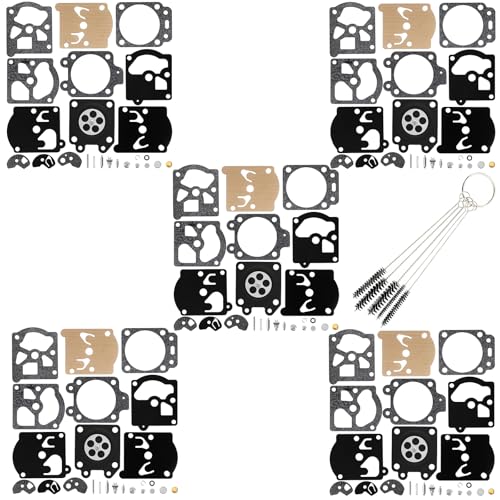 QAZAKY Pack of 5 Carburetor Rebuild Repair Kit Compatible with K10-WAT WA WT 2-Cycle Carb String Trimmer Leaf Blower Chainsaw Poulan Weedeater Ryobi Ryan IDC Homelite Lawnboy Toro McCulloch Craftsman
 LIDSCURA 37-485 Carburetor Rebuild Kit, Replacement for Holley 4150 4150C Carburetors Models, Including 600 CFM, 650 CFM, 700 CFM, 750 CFM, 800 CFM, and 850 CFM