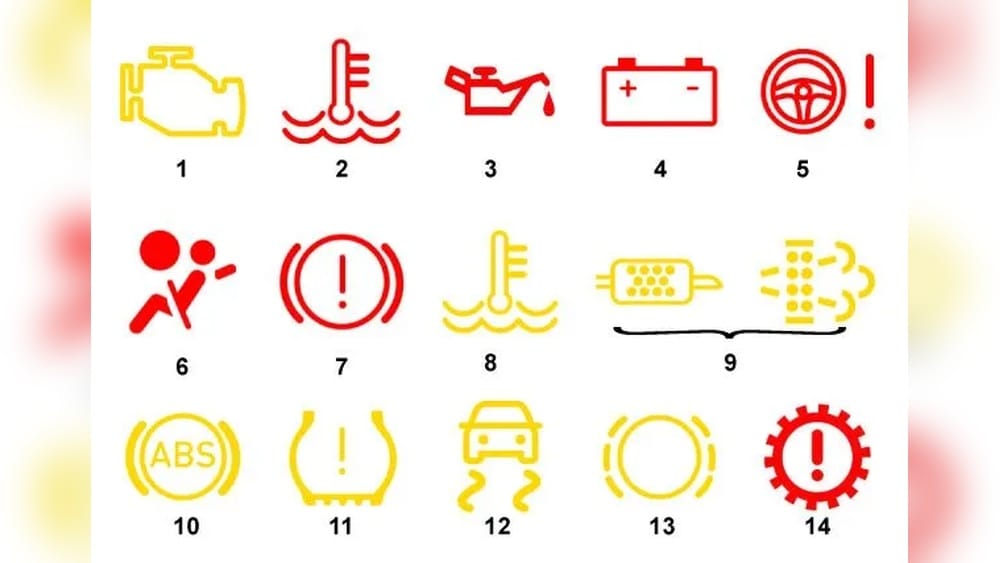
Car Problem Light Symbols: What Each Warning Sign Means
Car Problem Light Symbols: What Each Warning Sign Means
You’re driving along when suddenly a bright, mysterious symbol flashes on your dashboard. For many drivers, these car problem light symbols are an unsettling mystery, should you pull over immediately, or can you keep driving? Understanding what these warning signs mean is essential, not only for your safety but also for preventing costly repairs down the road.
Modern vehicles are packed with sensors and onboard diagnostics, making dashboards more informative than ever. However, with over 30 different symbols in common use, ranging from the notorious check engine light to less obvious indicators like the tire pressure warning, it’s easy to feel overwhelmed. This comprehensive guide demystifies each symbol, explains what action you need to take, and helps you prioritize the most urgent alerts.
Key Takeaways
- Dashboard warning lights communicate essential information about your vehicle’s health and safety.
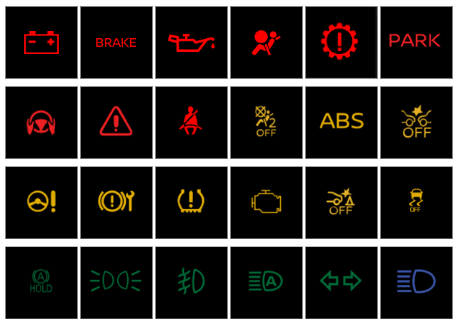
- Color coding is key: Red means stop or immediate attention, yellow/orange suggests caution, and green/blue is informational.
- Some warning lights (like the engine temperature or oil pressure) require immediate action to prevent engine damage.
- Ignoring warning signs can lead to expensive repairs and safety risks.
- Familiarizing yourself with common symbols empowers you to respond appropriately and maintain your vehicle’s reliability.
Credit: www.coulternissan.com
The Basics: Understanding Car Dashboard Warning Lights
Car dashboards have evolved into powerful diagnostic tools, but to interpret them correctly, it’s important to understand their color coding and general categories.
Color Coding And Severity
Dashboard lights use a color system to indicate urgency:
- Red: Immediate action required. Issues affecting safety or major systems.
- Yellow/Orange: Caution or warning. Attention needed soon, but not necessarily immediately.
- Green/Blue: System is active or information only. No action needed.
According to the National Highway Traffic Safety Administration (NHTSA), misinterpreting red warning lights is a leading cause of roadside breakdowns.
Categories Of Warning Lights
Most warning lights fall into these categories:
- Engine and Powertrain
- Safety Systems
- Fluids and Filters
- Lighting and Visibility
- Convenience and Information
Understanding these categories helps you prioritize your response.
How Dashboard Warning Systems Work
Modern cars use an On-Board Diagnostics (OBD-II) system, standard on vehicles manufactured after 1996 in the U.S. Sensors throughout the vehicle monitor performance and safety, triggering dashboard symbols when anomalies are detected.
Example: When the OBD-II system detects a misfire, it illuminates the check engine light and stores a diagnostic trouble code, which technicians can read to pinpoint the problem.

Credit: heartautocare.com
Essential Engine And Powertrain Warning Lights
Engine and powertrain lights alert you to potential mechanical failures, sometimes indicating issues that could cause severe or irreversible damage if not addressed.
Check Engine Light
The check engine light (often a stylized engine symbol or “SERVICE ENGINE SOON” text) is one of the most recognized and feared indicators.
- What it means: A problem has been detected in the engine or emissions system.
- Urgency: Varies, flashing indicates a serious issue (like a misfire or catalytic converter damage), while a steady light is less urgent but still requires diagnosis.
- Action: Have the code read as soon as possible. Many auto parts stores offer free OBD-II code readings.
Example: A loose gas cap can trigger the check engine light. Tightening it may resolve the problem, but persistent illumination requires professional assessment.
Engine Temperature Warning Light
This thermometer symbol signals overheating.
- What it means: Engine coolant temperature is too high.
- Urgency: Immediate. Continuing to drive can cause head gasket failure or engine warping.
- Action: Pull over, turn off the engine, and let it cool. Check coolant levels once safe; seek help if the problem persists.
Oil Pressure Warning Light
Usually depicted as an oil can, this is one of the most critical alerts.
- What it means: Oil pressure is dangerously low.
- Urgency: Immediate. Driving without proper lubrication can destroy the engine.
- Action: Stop the engine immediately. Check oil level, if low, add oil. If the light stays on, seek professional service.
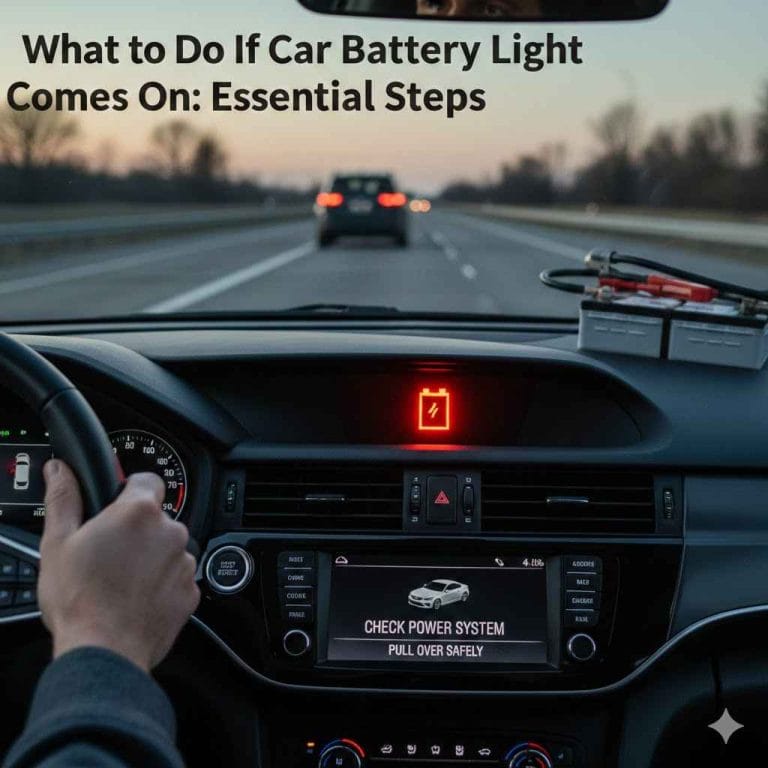
Battery/charging System Warning Light
A battery icon or “ALT”/“GEN” text means trouble with the charging system.
- What it means: The alternator isn’t charging the battery.
- Urgency: High. Your vehicle may soon lose electrical power.
- Action: Turn off unnecessary electrical devices and drive to a repair facility. If the vehicle loses power, you may need a tow.
Transmission Temperature Warning Light
A gear with a thermometer indicates overheating transmission fluid.
- What it means: Transmission is overheating, which can cause internal damage.
- Urgency: High.
- Action: Pull over, shift to park or neutral, and let the car idle until it cools. Have the transmission checked.
Comparison Table: Engine Warning Light Actions
| Warning Light | Symbol | Urgency | Recommended Action |
|---|---|---|---|
| Check Engine | Engine Outline | Medium to High | Scan codes, service soon |
| Engine Temp | Thermometer | Immediate | Stop, cool engine, check coolant |
| Oil Pressure | Oil Can | Immediate | Stop engine, check/add oil |
| Battery/Charging | Battery | High | Drive to shop, minimize electrical use |
| Transmission Temp | Gear with Thermometer | High | Cool transmission, seek service |

Credit: www.youtube.com
Safety And Security Warning Lights
Safety-related lights are designed to keep you and your passengers protected. Ignoring these can compromise crucial systems.
Brake System Warning Light
A red exclamation mark or “BRAKE” text.
- What it means: Could indicate low brake fluid, worn pads, or an engaged parking brake.
- Urgency: Immediate if the light stays on while driving.
- Action: Stop safely and check the parking brake and fluid levels. If unresolved, have the brakes inspected immediately.
Anti-lock Braking System (abs) Warning Light
Usually “ABS” in a circle.
- What it means: ABS is disabled, but standard brakes may still function.
- Urgency: Medium. ABS improves control in slippery conditions.
- Action: Drive cautiously; have the system checked soon.
Airbag/supplemental Restraint System (srs) Light
A figure with an inflated airbag.
- What it means: Airbags may not deploy in a crash.
- Urgency: High.
- Action: Schedule a diagnostic test. Do not ignore, especially if the vehicle is involved in a collision.
Tire Pressure Monitoring System (tpms) Warning
A horseshoe-shaped symbol with an exclamation point.
- What it means: One or more tires are underinflated.
- Urgency: Medium. Low tire pressure affects handling and fuel economy.
- Action: Check and inflate tires to recommended pressures.
Security Indicator Light
A car with a key or padlock symbol.
- What it means: Issue with the vehicle’s anti-theft system.
- Urgency: Low to Medium. May prevent starting.
- Action: Try another key or consult your manual.
Example: Brake System Warning In Action
In my experience, ignoring a persistent brake system warning led to a costly repair after brake fluid leaked, damaging the master cylinder. Addressing warnings early is far less expensive and safer than waiting until symptoms worsen.
Fluids, Filters, And Maintenance Indicators
These lights help you keep your car running smoothly and efficiently.
Low Coolant Warning Light
A symbol resembling waves with an arrow.
- What it means: Coolant level is low.
- Urgency: Medium to High.
- Action: Check coolant reservoir and add appropriate fluid. Persistent warnings suggest a leak or faulty sensor.
Low Washer Fluid Warning Light
Wavy lines with a dotted arc above.
- What it means: Windshield washer fluid is low.
- Urgency: Low.
- Action: Top off fluid at your convenience.
Maintenance Required/service Reminder Light
Wrench or spanner icon, sometimes “SERVICE” text.
- What it means: Routine maintenance is due (oil change, inspection).
- Urgency: Low. Not a critical failure.
- Action: Schedule service soon.
Fuel Level Warning Light
Gas pump symbol.
- What it means: Fuel is low.
- Urgency: Medium. Risk of running out.
- Action: Refuel promptly.
Diesel Particulate Filter (dpf) Warning Light
A rectangle with dots or a filter symbol, found in diesel vehicles.
- What it means: DPF is clogged.
- Urgency: Medium. Prolonged driving with a clogged DPF can cause performance issues.
- Action: Follow your vehicle’s recommended DPF regeneration procedure.
Comparison Table: Maintenance And Fluids Warning Lights
| Warning Light | Symbol | System Affected | Action Needed |
|---|---|---|---|
| Low Coolant | Waves with Arrow | Cooling | Add coolant, check for leaks |
| Low Washer Fluid | Wavy Lines, Arc | Visibility | Top off fluid |
| Service Reminder | Wrench/Spanner | General Maintenance | Schedule service |
| Fuel Level | Gas Pump | Fuel System | Refuel soon |
| DPF Warning | Filter with Dots | Exhaust | Regenerate or service DPF |
Lighting And Visibility Warning Lights
Lights related to visibility keep you safe during inclement weather or night driving.
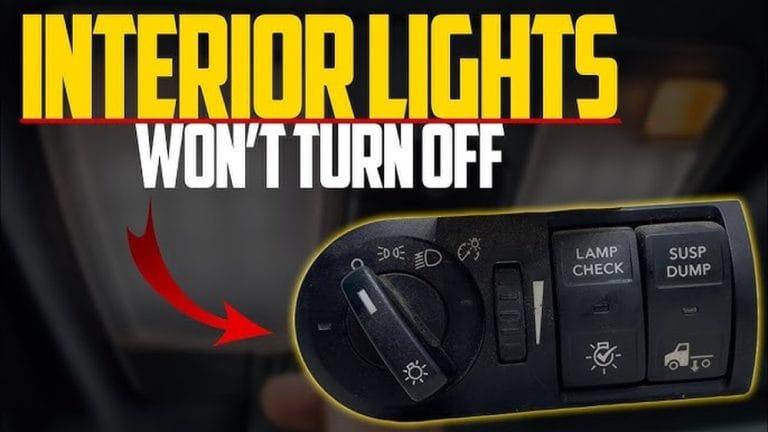
Headlight Indicator Light
A green or blue light, often a headlamp symbol.
- What it means: Headlights or high beams are active.
- Urgency: None. Informational.
Fog Light Indicator Light
A lamp with lines and a wavy line through it.
- What it means: Front or rear fog lights are on.
- Urgency: None. Used for low-visibility conditions.
Turn Signal/indicator Light
Flashing arrow(s).
- What it means: Turn signal is on. Rapid flashing may indicate a burned-out bulb.
- Urgency: Low.
- Action: Replace bulbs if necessary.
Automatic Lighting System Warning
A light bulb with an exclamation point.
- What it means: Problem with automatic headlight or exterior lighting system.
- Urgency: Low to Medium.
- Action: Check exterior lights; consult your manual or technician if unresolved.
Example: Lighting Malfunction Case Study
A 2017 study by the Insurance Institute for Highway Safety (IIHS) found that vehicles with malfunctioning exterior lights are 27% more likely to be involved in nighttime accidents (source: IIHS). Regularly checking and heeding warning lights can prevent accidents.
Advanced Driver Assistance And New Technology Symbols
As vehicles become smarter, more advanced warning lights appear. Here’s how to interpret some of the most common.
Lane Departure Warning Light
A car drifting between lines.
- What it means: The vehicle is unintentionally leaving its lane.
- Urgency: Low to Medium.
- Action: Steer back or check lane-keeping system.
Forward Collision Warning Light
A car with stars or lines ahead.
- What it means: Imminent risk of collision detected.
- Urgency: High. Take immediate action.
- Action: Brake or steer to avoid impact.
Adaptive Cruise Control Indicator Light
A speedometer with a car and arrows.
- What it means: Adaptive cruise control is active or malfunctioning.
- Urgency: Low to Medium.
- Action: If malfunctioning, drive manually.
Blind Spot Monitoring Warning Light
A car with side waves or an illuminated side mirror icon.
- What it means: Object detected in blind spot.
- Urgency: Medium. Avoid changing lanes.
Parking Assist/proximity Sensor Warning Light
A “P” with arcs or a car with sonar waves.
- What it means: Proximity sensors detect an object close to the vehicle.
- Urgency: Low.
- Action: Use caution when maneuvering.
Data Table: Advanced Driver Assistance Warning Lights
| Warning Light | Symbol | System | Recommended Response |
|---|---|---|---|
| Lane Departure | Car & Lane Lines | Lane Keeping | Steer back, check system |
| Forward Collision | Car & Stars | Collision Avoidance | Brake/steer immediately |
| Adaptive Cruise | Speedometer & Car | Cruise Control | Monitor system, drive manually if needed |
| Blind Spot | Car & Waves | Blind Spot Monitor | Avoid lane change |
| Parking Assist | P & Arcs | Proximity Sensors | Use caution, check surroundings |
Decoding Less Common Warning Lights
While the above symbols are the most frequently encountered, some vehicles have unique or less common lights.
Electronic Stability Control (esc) Warning
A car with wavy lines behind it.
- What it means: ESC system is off or malfunctioning.
- Urgency: Medium. ESC helps prevent skids.
- Action: Drive with caution; have the system checked.
Power Steering Warning Light
A steering wheel with an exclamation mark.
- What it means: Power steering assist is reduced or lost.
- Urgency: Medium to High.
- Action: Steering will be harder; have the system serviced.
Door/ajar Warning Light
A car with open doors symbol.
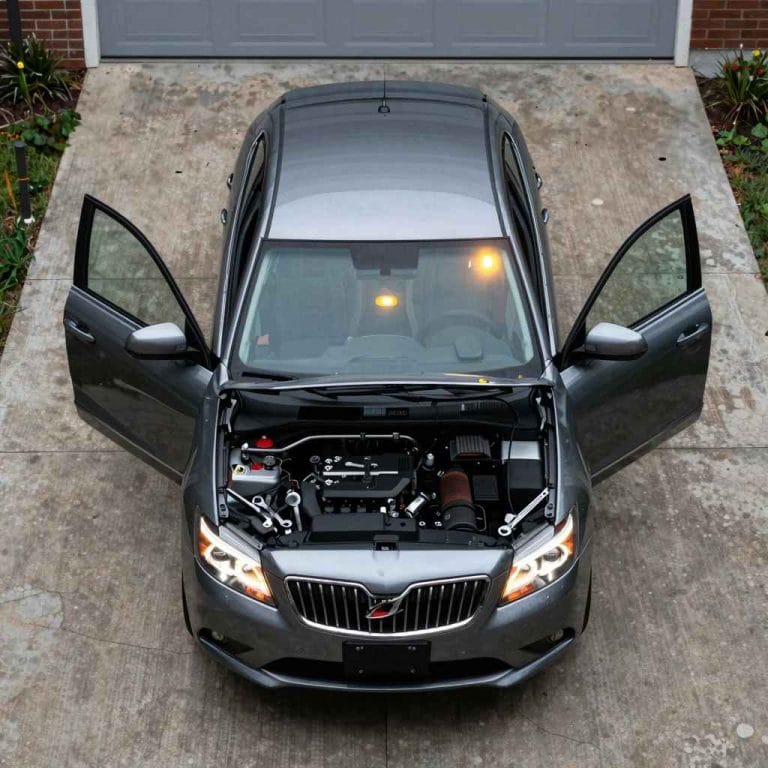
- What it means: One or more doors (including trunk or hood) are open.
- Urgency: Low. Check all doors.
Key Not Detected/immobilizer Warning Light
A key or car with a slash.
- What it means: The key fob is not detected or there is an immobilizer issue.
- Urgency: Low to Medium.
- Action: Replace battery or consult manual.
Example: Electronic Stability Control System
A 2018 study by the NHTSA showed that electronic stability control reduces fatal single-vehicle crashes by 49% for cars (source: NHTSA). Responding promptly to ESC warning lights is crucial for safety.
Real-world Scenarios: What To Do When A Warning Light Appears
Knowing what a symbol means is only half the battle, acting correctly prevents further damage and ensures safety.
Scenario 1: Check Engine Light On The Highway
You’re traveling at 65 mph when the check engine light appears.
- If steady: Note any change in performance. Schedule a scan and service soon.
- If flashing: Reduce speed, avoid heavy acceleration, and seek service immediately.
Scenario 2: Oil Pressure Warning In City Traffic
The oil can icon lights up during your commute.
- Pull over as soon as it’s safe.
- Check oil level. If low, add oil. If the light stays on, call for a tow.
- Warning: Driving with low oil pressure can destroy your engine in minutes.
Scenario 3: Tire Pressure Warning Before A Road Trip
The TPMS light appears the morning of a long drive.
- Use a gauge to check all tires.
- Inflate to the recommended pressure found on the driver’s door jamb or owner’s manual.
- Inspect for punctures or leaks.
Scenario 4: Airbag Warning Light After A Minor Accident
After a fender bender, the airbag light comes on.
- Airbags may not deploy in another collision.
- Schedule immediate diagnostic and repair.
Tips For Interpreting And Responding To Warning Lights
- Read your owner’s manual: Each vehicle may use slightly different symbols or meanings.
- Don’t ignore red lights: These often signal safety or major mechanical issues.
- Use OBD-II scanners: For check engine or system lights, a scanner reveals diagnostic codes.
- Know when to stop driving: Engine temperature, oil pressure, and brake system warnings require you to stop immediately.
- Schedule regular maintenance: Many lights can be avoided with routine checks.
Pro Tip: If you’re unsure about a warning light, most auto parts stores will scan codes for free. This quick check can help you decide if it’s safe to continue driving or if you need immediate service.
Frequently Asked Questions
What Should I Do If A Warning Light Comes On While Driving At Night?
If a warning light illuminates at night, first check the color. If it’s red, safely pull over as soon as possible and consult your owner’s manual or call for assistance. For yellow/orange lights, reduce speed and avoid aggressive driving until you can investigate further. Always ensure your headlights and exterior lights are functioning to maintain visibility.
Can I Drive With The Check Engine Light On?
It depends on the situation. If the check engine light is steady and the car drives normally, you can often drive short distances to a repair shop. However, if the light is flashing, reduce speed, avoid heavy loads, and seek immediate service. A flashing light signals a severe problem, such as a catalytic converter issue, that can lead to expensive damage.
Why Do Some Warning Lights Turn Off By Themselves?
Some warning lights, such as the tire pressure or maintenance reminders, may reset automatically once the underlying issue is fixed (like inflating tires or completing an oil change). However, if a light goes off but symptoms persist, have the system checked to ensure the problem is truly resolved.
How Can I Tell If A Warning Light Indicates A False Alarm?
Occasionally, warning lights can be triggered by sensor malfunctions or electrical glitches. If the light appears with no other symptoms, try restarting the vehicle. If the warning persists or is accompanied by unusual noises, odors, or changes in performance, have the vehicle inspected by a technician.
Are Warning Lights The Same In All Vehicles?
While many warning symbols are standardized, some manufacturers use unique symbols or combine functions. Always refer to your vehicle’s owner’s manual for symbol meanings. Newer models may feature additional lights for advanced driver-assistance systems not present in older cars.
When you recognize and respond appropriately to car problem light symbols, you’re not just protecting your investment, you’re ensuring the safety of everyone on the road. In my experience, taking warning lights seriously and seeking timely maintenance is the best way to avoid breakdowns and costly repairs.
Empower yourself by learning your dashboard’s language, and you’ll drive with greater confidence and peace of mind.
Products related to this article
Sponsored / affiliate links. As an Amazon Associate I earn from qualifying purchases. I may earn additional commission from eligible campaigns.
 Safego H11 Halogen Headlight Bulb - 12V 55W, High/Low Beam Fog Light Replacement,Halogen Light Bulbs,DOT Compliant,Universal Lighting Accessories for Cars,Not fit 24V Vehicles,Pack of 2
 Tevlaphee Universal Steering Wheel Brake Lock Anti-Theft Retractable Double Hook Car Clutch Pedal Lock for Car Truck SUV Van Security with 3 Keys