How Long Should a Car Engine Last? Parts That Affect Lifespan
A well-kept car engine often lasts about 150,000 to 250,000 miles, and many are reported to reach around 300,000 when oil stays clean, cooling parts work, and repairs happen on time. Missed maintenance lets small leaks, overheating, and contamination turn into worn bearings, warped heads, and sudden failure. This guide breaks down the parts that shorten engine life fastest and how driving habits change the risk.
Maintenance beats mileage for engine longevity


Most modern engines are commonly said to fall in the 150,000 to 250,000-mile range when maintenance stays steady and the cooling system stays healthy. Highway-heavy use usually pushes that higher, while repeated short trips, overdue oil changes, and overheating pull it down fast.
Typical mileage ranges
A common rule of thumb looks like this: normal mixed use often lands around 150,000 to 200,000 miles; highway-heavy use with consistent oil and coolant service can stretch to about 250,000 to 300,000 miles or more; severe service may wear an engine out well before 150,000 miles. Severe service means lots of short trips, long idling, towing, dusty roads, or frequent high load.
The number that matters most is not the odometer by itself. Maintenance history, oil level discipline, and whether the engine has ever been overheated matter more than a single mileage figure.
Why maintenance history matters more than one number
A clean service record keeps wear gradual. Missed oil changes, a leaking radiator, or a weak water pump can turn a long-life engine into a short-life engine because damage compounds inside bearings, rings, and head surfaces. A 180,000-mile engine with clean oil and no overheating can be a better bet than a 90,000-mile engine that has been run low on oil.
Engine lifespan risk matrix
This matrix ranks the parts that do the most damage when they fail, and it separates slow wear from sudden engine-killing events. Use it as a risk map: if a part mainly causes warning signs and wear, it is usually cheaper to catch early; if it can overheat, lose oil pressure, or break valvetrain timing, the repair can jump straight to rebuild territory.
| Part | Failure mode | Early warning signs | Likely damage if ignored | Type of fix |
|---|---|---|---|---|
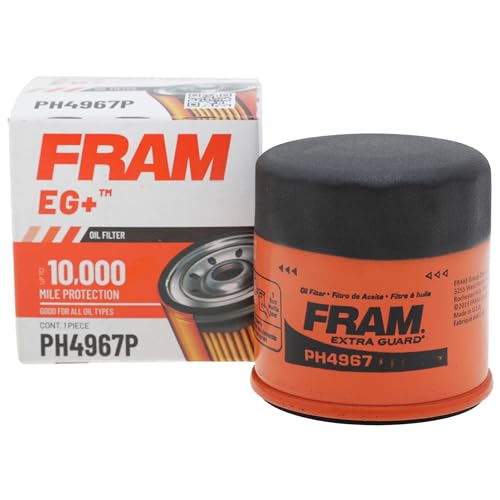
| Engine oil and oil filter | Wrong viscosity, overdue change, low level, clogged filter, oil starvation | Low dipstick level, lifter noise, hot idle pressure drop, dirty oil | Bearing wear, cam wear, chain wear, seizure | Cheap preventive maintenance |
| Cooling system | Thermostat stuck, radiator restriction, water pump leak, weak coolant | Rising temperature, coolant loss, heater loss, overflow tank smell | Warped head, blown head gasket, cracked block or head | Cheap preventive maintenance until overheating starts |
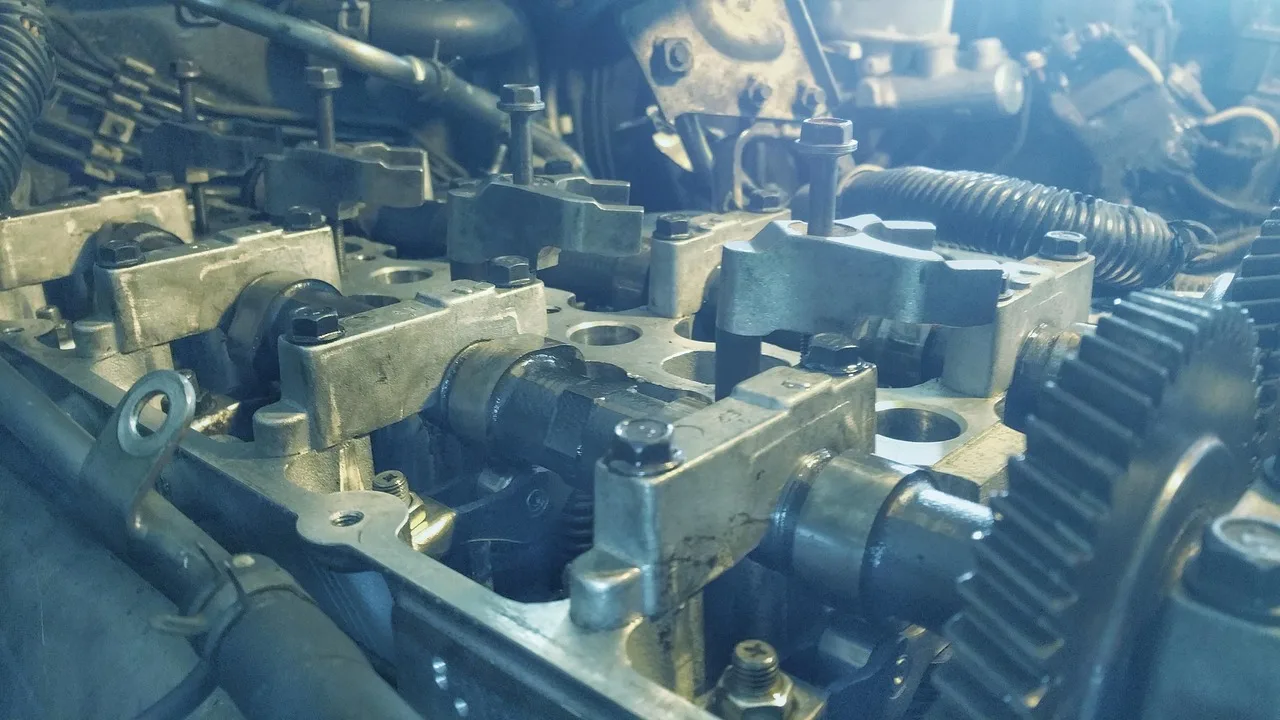
| Timing belt or chain | Belt wear, chain stretch, guide wear, tensioner failure | Rattle on start-up, timing codes, rough running | Valve-to-piston contact on interference engines | Preventive service, then major repair if it fails |
| Head gasket | Seal failure from heat or pressure | Coolant loss, white smoke, milkshake oil, bubbling tank | Overheating, cylinder damage, warped head | Major repair or rebuild trigger |
| Pistons and rings | Ring wear, scuffing, poor sealing | Oil use, blow-by, low compression, fouled plugs | Loss of power, oil contamination, deep bore wear | Major repair or rebuild trigger |
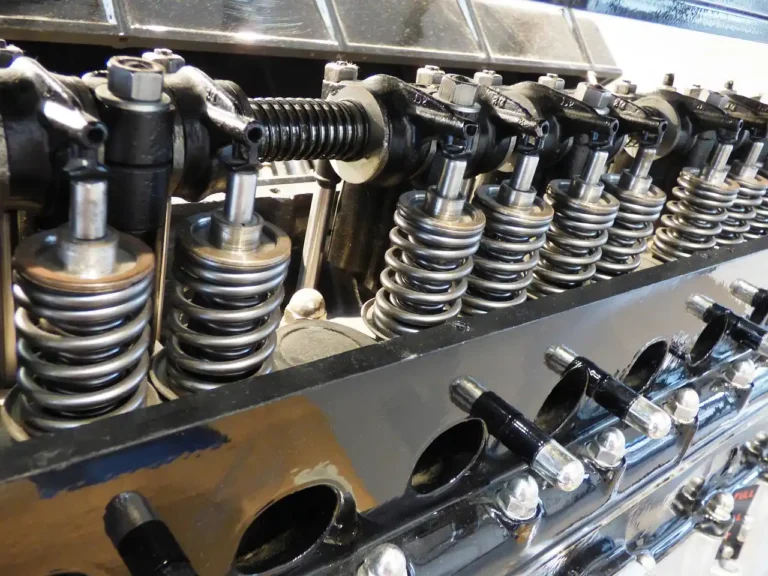
| Valvetrain | Valve wear, cam wear, lifter failure, clearance problems | Ticking, misfire, rough idle, low compression | Burned valves, loss of sealing, cam damage | Often rebuild-level |
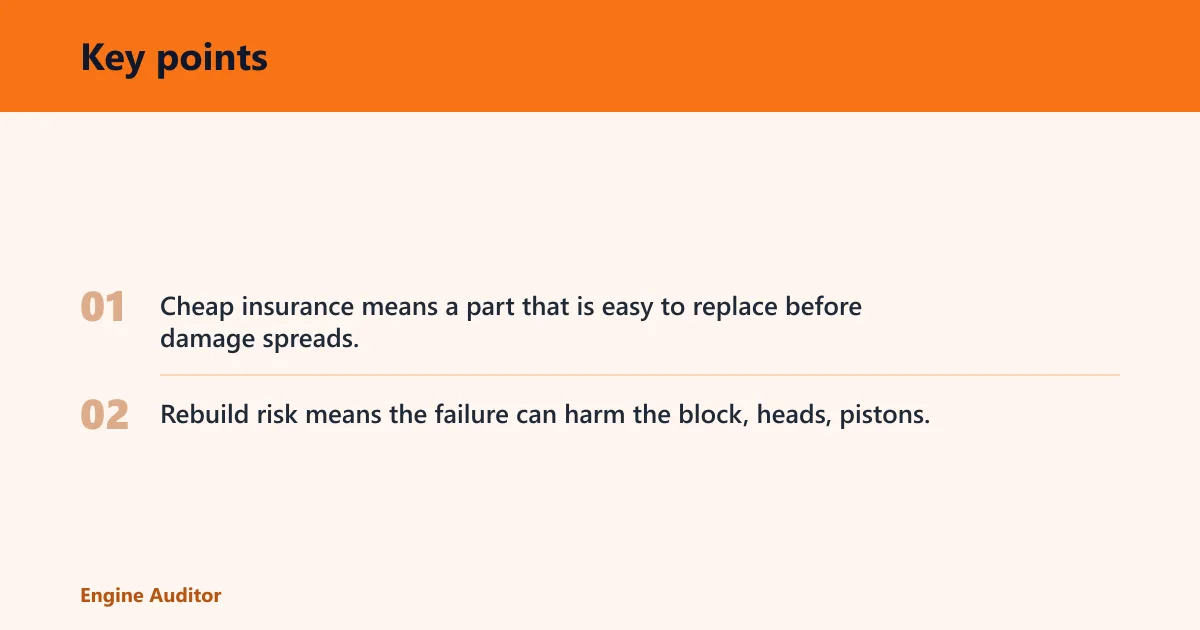
Cheap insurance means a part that is easy to replace before damage spreads. Rebuild risk means the failure can harm the block, heads, pistons, or crank enough that a simple parts swap no longer solves the problem.
Which parts wear out first?
The first parts to move from healthy to weak are usually the oil filter, oil itself, spark plugs, coils, coolant, thermostat, and timing service parts. These do not always kill an engine on their own, but they often start the chain that leads to bigger damage.
Engine oil and oil filter
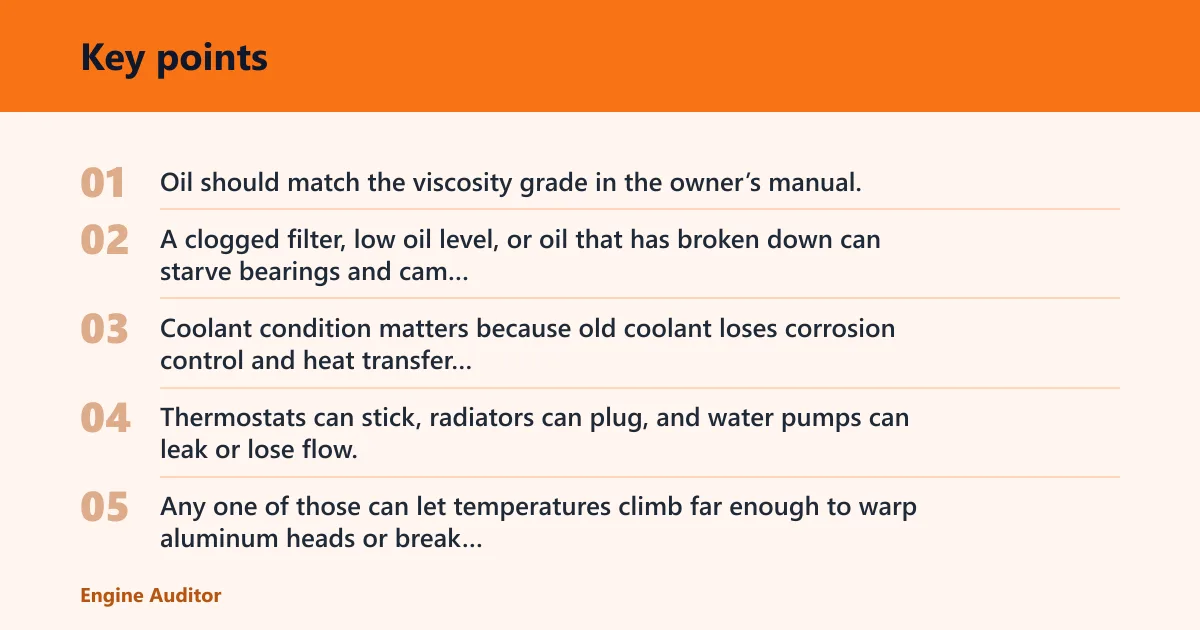
Oil should match the viscosity grade in the owner’s manual, and change intervals should follow the severe-service schedule when the vehicle does short trips, idles a lot, or tows. A clogged filter, low oil level, or oil that has broken down can starve bearings and cam surfaces of lubrication.
Cooling system parts
Coolant condition matters because old coolant loses corrosion control and heat transfer quality. Thermostats can stick, radiators can plug, and water pumps can leak or lose flow. Any one of those can let temperatures climb far enough to warp aluminum heads or break the head gasket seal.
Spark plugs, coils, injectors, and fuel filter
Spark plugs wear out on schedule, and coil packs can fail without much warning. Fuel injectors and the fuel filter matter because contamination and poor spray pattern can cause lean running, rough idle, and misfire. Misfire is not harmless; unburned fuel can overheat the catalytic converter and stress the engine under load.
Timing belt or timing chain
Timing belts need replacement at the interval listed by the maker, often about 60,000 to 100,000 miles, though some are said to run longer. Chains are usually longer-lived, but chain stretch, guide wear, and tensioner failure still happen. On an interference engine, a broken belt or failed chain can bend valves and destroy the top end in one event.
Can overheating ruin an engine early?
Yes. One overheating event can damage an engine, and repeated heat spikes make the odds worse. The usual path is thermostat failure, water pump trouble, radiator restriction, then head gasket damage, warped surfaces, and loss of compression.
Thermostat, radiator, and water pump failures
A stuck thermostat can block coolant flow. A clogged radiator cannot shed heat well. A weak water pump reduces circulation. These failures often begin with a rising gauge, coolant smell, or heater output that turns weak at idle. Catching them early is usually far cheaper than fixing heat damage.
Head gasket damage after overheating
After a hot run, a head gasket can leak combustion pressure into the cooling system or let coolant enter the cylinders. Common signs include coolant loss with no clear puddle, white exhaust smoke, oily coolant, milky oil, and bubbles in the reservoir. If the engine keeps overheating, repair cost climbs fast because the head may need machining and the block may need inspection for warpage.
Why aluminum blocks and heads are more sensitive to heat
Aluminum parts shed heat quickly, which helps cooling, but they also expand more than cast iron. That makes them more sensitive to hot spots and warpage. Cast iron blocks tolerate abuse a bit better, but even cast iron can crack or distort after serious overheating. Rebuildability depends on whether the bores, deck, and head surfaces still clean up within spec.
Picture a 2.4-liter four-cylinder that starts using coolant once a week and runs hot on the interstate. If the driver keeps topping it off and driving, the next failure may be a warped head, not just a thermostat.
How do oil problems shorten engine life?
Oil problems shorten engine life by removing the thin film that keeps moving parts apart. Wrong viscosity, delayed changes, low level, and oil starvation can wear bearings, cam lobes, lifters, and timing parts long before the engine feels obviously weak.
Viscosity grade and change interval
Use the viscosity grade listed by the manufacturer. Too thin at operating temperature can lower protection; too thick can slow flow on cold starts. Change intervals depend on use, but severe service usually needs shorter intervals than highway cruising. Oil that stays in too long picks up fuel, soot, and acids that attack surfaces.
Low oil level and oil starvation
Low oil level is one of the fastest ways to hurt an engine. A leak, consumption, or neglected top-off can uncover the pickup during hard cornering, braking, or hill climbs. Once oil pressure drops, bearing wear accelerates, and a rod bearing failure can end the engine quickly.
Oil pressure loss, sludge, and bearing wear
Sludge blocks oil return paths and filter passages. That can leave the top end noisy and the bottom end underfed. Look for lifter tick, oil-pressure warnings, and dark tar-like buildup under the cap. If the engine has been run low on oil for a while, rod and main bearings are usually the first major wear points.
Pistons, rings, and valvetrain wear
Pistons, rings, and valvetrain parts usually wear gradually, then show up as low compression, oil use, rough idle, and noise. These parts often do not fail all at once, but when they do reach the wear limit, the engine loses power and burns more oil.
Compression loss, blow-by, and oil consumption
Worn piston rings let combustion pressure escape past the piston, which is blow-by. That can push oil vapor into the intake, raise crankcase pressure, and increase oil consumption. A worn cylinder can also show low compression, hard starting, and blue smoke after deceleration or long idle.
Camshaft, lifter, and valve wear
The camshaft and lifters depend on steady lubrication and correct clearance. Too little oil, dirty oil, or a failed lifter can cause ticking, misfire, and lost valve lift. Burned valves can follow if a cylinder runs hot or misfires for too long, because sealing gets worse and heat concentrates on the valve face.
Lubrication dependence and clearance issues
Valvetrain parts live on tight clearances. That means oil quality matters, and so does startup wear. A noisy top end on cold start may point to low oil pressure, a worn lifter, or a chain tensioner that is not filling properly. Those are warning signs, not background noise to ignore.
How does driving style affect engine lifespan?
Driving style changes wear by changing heat, load, and contamination. Short trips, idling, towing, heavy throttle, and dusty roads all reduce life faster than steady highway use because they raise soot, fuel dilution, heat load, or abrasive intake wear.
Short trips and idling
Short trips never let oil fully warm up, so moisture and fuel stay in the crankcase longer. That speeds sludge formation. Long idling also reduces oil splash and can leave the engine running hot without enough airflow through the radiator, especially with a weak cooling fan or clogged radiator.
Towing, high load, and hard acceleration
Towing and hard acceleration raise cylinder pressure and coolant temperature. That adds stress to rings, bearings, the transmission load on the engine, and the cooling system. A common first-timer mistake is towing near the limit in hot weather while ignoring the temperature gauge until the first warning light appears.
Dusty environments and contamination
Dusty roads make air filtration matter. If the intake path leaks or the air filter is neglected, abrasive dirt can wear cylinder walls and rings. That kind of wear is gradual, but it can shorten engine life by tens of thousands of miles because sealing and compression can decline together.
- Check oil level on a level surface and top off before it reaches low.
- Use the viscosity grade and change interval the maker lists for your use pattern.
- Replace coolant on schedule and inspect hoses, radiator, thermostat, and pump.
- Do not ignore misfires, overheating, knock, smoke, or coolant loss.
- Follow timing belt or chain service before damage starts, especially on interference engines.
What parts make a car engine last longer?
The parts that protect engine life most are the ones that control oil flow, heat, and combustion quality. Clean oil and filter service, a sound cooling system, healthy plugs and coils, clean fuel delivery, and on-time timing service keep wear slow instead of destructive.
If those parts stay in spec, the engine is much more likely to age by gradual wear than by sudden failure. That is the difference between a tired engine and a ruined one.
What are signs that an engine is near the end of its life?
Persistent smoke, low compression, repeated misfires, oil pressure problems, coolant loss, loud knock, and hard starting are the clearest signs. One symptom can come from a small fault, but several together usually mean the engine has moved beyond routine service and into major repair territory.
Look for blue smoke from oil burning, white smoke from coolant entry, and black smoke from rich fueling or misfire. Add in coolant mixing with oil, repeated overheating, and a check engine light that returns after repairs, and the risk of a full teardown rises quickly.
When is an engine worth rebuilding instead of replacing?
Rebuild makes sense when the block and heads are still usable, the vehicle is otherwise worth keeping, and the failure is confined to wear parts such as rings, bearings, valves, or the head gasket. Replacement makes more sense when the block is cracked, the engine has severe heat damage, or the repair bill approaches the value of the vehicle.
Interference engines often justify quicker action after timing failure because bent valves and piston damage can spread fast. A non-interference engine may survive a timing failure with less internal damage, which can make repair cheaper. If the crank journals, bores, or deck surfaces are badly damaged, the cost-to-save math usually points away from rebuilding.
Frequently asked questions
How many miles should a car engine last?
A well-maintained engine often lasts 150,000 to 250,000 miles, and highway-heavy use can push that higher. Short trips, overheating, and poor oil control pull the number down. The service record matters more than the odometer alone because two engines with the same mileage can be in very different condition.
Does regular oil change really extend engine life?
Yes. Regular oil changes reduce sludge, wear, and oil starvation risk. They also protect bearings, camshafts, lifters, and timing parts. Oil changes are not the only factor, but they are one of the cheapest ways to delay major wear, especially on engines that see short trips or heavy load.
Can timing belt or timing chain failure kill an engine?
Yes. On many interference engines, a broken belt or failed chain can let pistons hit open valves, bending valves and damaging pistons or heads. Even on non-interference engines, timing failure can leave you stranded and may still create secondary damage if the engine keeps cranking or running poorly.
How much does maintenance affect engine lifespan?
Maintenance can change lifespan far more than one mileage number suggests. Clean oil, correct coolant, timely timing service, and healthy ignition and fuel parts keep wear gradual. Neglect turns manageable faults into chain-reaction damage, which is why an engine with disciplined service often outlasts a lower-mileage engine with poor records.
Products related to this article
Sponsored / affiliate links. As an Amazon Associate I earn from qualifying purchases. I may earn additional commission from eligible campaigns.