Can Aluminum Wheels Be Repaired? Honest Answer Inside
It’s a sinking feeling. You’ve hit a pothole, scraped a curb, or noticed a strange wobble. Your car’s wheels are precious, and when they get damaged, it’s easy to panic.
Aluminum wheels, in particular, look great but can seem delicate. You’re probably wondering, “Can aluminum wheels actually be fixed?”
Aluminum wheels can often be repaired, depending on the type and severity of the damage. Minor issues like curb rash, scuffs, and even some bends are fixable. However, severe damage like cracks or significant structural compromise usually means replacement is the safer, necessary option. It’s always best to have a professional assess the damage.
Understanding Aluminum Wheel Damage
Aluminum wheels are popular for their looks and lighter weight. This can make your car more fuel-efficient and handle better. But, they can also get damaged in several ways.
Knowing these helps you understand repair options.
The most common issue people face is curb rash. This happens when your tire rubs against a curb. It leaves scrapes, gouges, and scuffs on the wheel’s face and lip.
It’s mostly a cosmetic problem. But sometimes, it can go deeper.
Other damage includes bends. This often comes from hitting a big pothole hard. The impact can bend the wheel’s rim.
This can cause a vibration when you drive. It might also affect tire seating. A bent wheel is more serious than just scraped paint.
Cracks are the most serious type of damage. They can form from a strong impact or over time due to stress. Cracks usually appear on the barrel or spokes.
A cracked wheel is unsafe. It can fail suddenly, leading to a loss of control.
Sometimes, wheels can also suffer from corrosion. This is common on older wheels or those exposed to salt and harsh weather. It can look like pitting or white powdery spots.
This is usually a cosmetic issue but can weaken the metal over time.
Let’s dive into what each type of damage means for repair. It’s not a simple yes or no for all problems. The metal itself and how it’s damaged play a big role.
Experts look at the alloy type and the location of the damage. This helps them decide if a repair is safe and effective.
My Own Wheel Scare: A True Story
I remember one crisp autumn evening. I was driving home from a late meeting. The road was dark, and I wasn’t paying enough attention.
Suddenly, my front passenger tire slammed into a massive, unseen pothole. The thud was sickening. My car jolted violently.
I pulled over immediately, heart pounding.
I got out and looked. The tire seemed okay, thankfully. But the wheel?
It had a nasty, deep gouge right along the edge. It looked like someone had taken a giant chisel to it. I felt a wave of dread wash over me.
My car is my lifeline, and I love how my alloy wheels look. I pictured huge repair bills or even needing a whole new wheel. I imagined the cost and the hassle of taking it to a shop.
I spent that night worrying, imagining the worst-case scenarios.
Types of Aluminum Wheel Damage and Repair Possibilities
Not all damage is created equal. This is a key point when thinking about aluminum wheel repair. Let’s break down what can be fixed and what usually can’t.
Understanding Different Damage Types
Cosmetic Damage: This includes scrapes, scuffs, and minor curb rash. Think surface-level marks. These are generally the easiest to fix.
Repair shops can often sand, fill, and repaint these areas. The goal is to make the wheel look new again. It’s about restoring the appearance.
Structural Damage: This is more serious. It includes bends, cracks, and significant warping. Hitting a large object like a pothole or debris can cause this.
These issues affect the wheel’s integrity. Safety is the main concern here.
Corrosion: This appears as pitting or a chalky white substance. It’s common on older wheels. It happens when the protective coating breaks down.
While often cosmetic, severe corrosion can weaken the metal over time. It might need careful cleaning or refinishing.
The repair process often depends on the metal alloy used. Most car wheels today are made from aluminum alloys. These can vary in strength and composition.
Some are more prone to cracking than others. Some are easier to straighten.
For cosmetic damage, like wheel scratches, a skilled technician can restore the finish. They might use specialized fillers for deeper gouges. Then, they’ll sand, prime, and paint or powder coat the wheel.
This can make it look almost brand new. It’s important that the repair is done well. A poor job can make it obvious that the wheel was damaged.
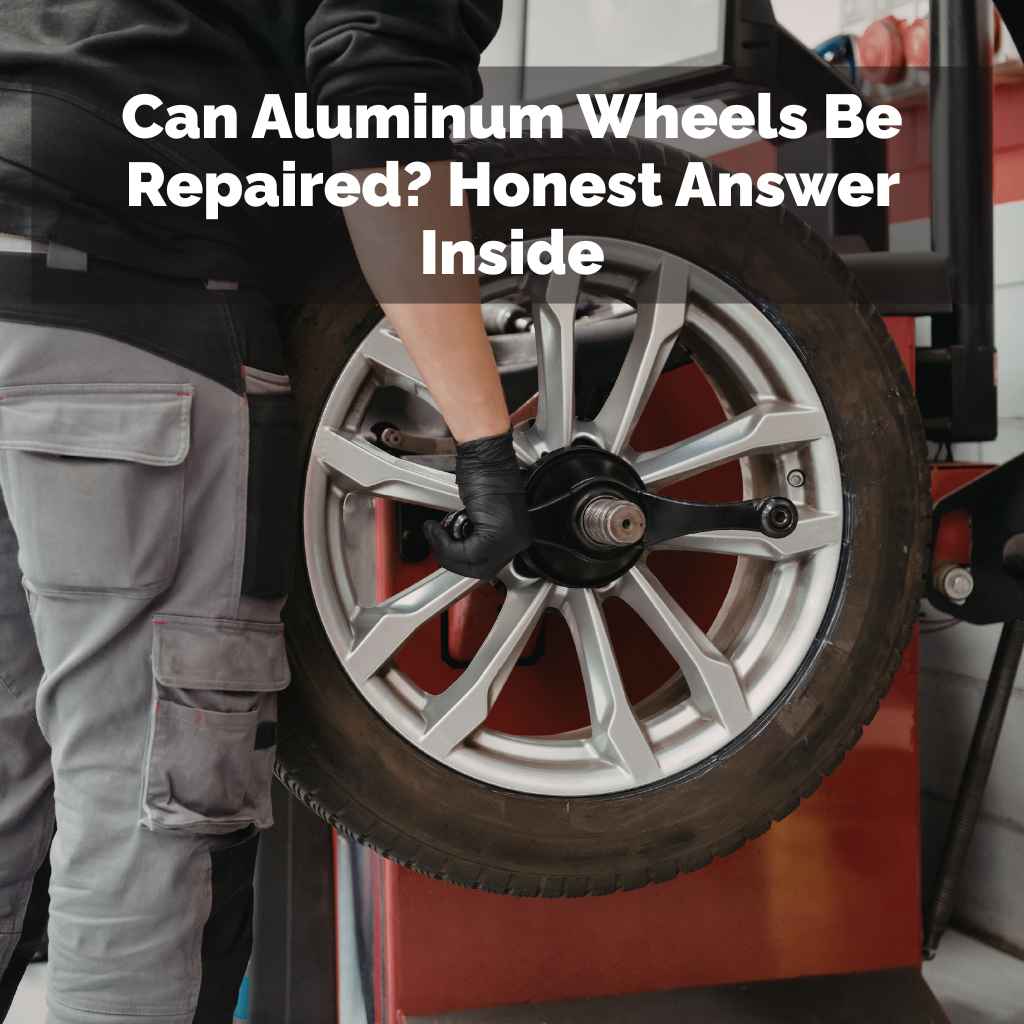
Bent wheels are trickier. A slight bend on the outer rim might be straightened. Shops use hydraulic machines for this.
They carefully apply pressure to bend the metal back. However, if the bend is severe or affects the wheel’s seating surface, it might not be repairable. Over-bending can weaken the aluminum.
It’s a balance between fixing it and ensuring it’s safe.
Cracks are the biggest red flag. Repairing a crack in an aluminum wheel is often not recommended. Why?
Because welding aluminum to fix a crack can change the metal’s temper and strength. It might seem fixed, but it could be a weak point. A failed repair could lead to the wheel breaking apart while driving.
This is extremely dangerous. Most experts will tell you to replace a cracked aluminum wheel.
This is why a professional assessment is so important. They have the tools and knowledge to tell if a repair is safe. They can assess the depth of the damage.
They can also check for hidden issues that you might not see.
The Repair Process: What to Expect
If your aluminum wheels have minor damage, a repair shop can often make them look great again. The process typically involves a few key steps. It’s more involved than just slapping some paint on.
How Cosmetic Wheel Repair Works
Assessment: The technician first checks the damage. They determine if it’s cosmetic or structural. They’ll look for bends, cracks, or severe pitting.
Cleaning: The damaged wheel is thoroughly cleaned. Any dirt, brake dust, or old paint is removed. This ensures a good surface for repair and refinishing.
Repairing Scratches and Gouges: For curb rash and deeper scratches, a filler might be used. This is a special material that bonds to aluminum. It’s sanded smooth to match the wheel’s contour.
Minor dents might be hammered out carefully.
Straightening (if needed): If the wheel is slightly bent, a specialized machine is used. It applies controlled pressure to bend the rim back into its original shape. This requires skill to avoid over-stressing the metal.
Priming and Painting: Once the surface is smooth and straight, a primer is applied. Then, the wheel is painted to match its original finish. Many shops offer color matching or can refinish the entire wheel in a new color.
Clear Coat/Powder Coating: A protective clear coat is applied to seal the paint. Some high-end shops offer powder coating. This is a very durable finish applied electrostatically and then baked.
This whole process can take anywhere from a few hours to a couple of days. It depends on the shop’s workload and the complexity of the repair. It’s often more affordable than buying new wheels.
For a single damaged wheel, it’s usually the best financial choice.
What about structural repairs? Some shops might claim to repair bends or even minor cracks. However, it’s crucial to understand the risks.
A straightened bent wheel might not be as strong as it was originally. A welded crack is a gamble. For peace of mind and safety, many vehicle owners choose replacement for anything beyond minor cosmetic issues.
I once saw a friend try to fix a deep gash on his own. He used some kind of metal putty and spray paint. It looked okay from a distance.
But up close, you could tell. And he admitted he always felt a little nervous driving on that wheel. He said he wished he’d just taken it to a pro, or even bought a used one in good condition.
When is Replacement the Only Option?
There are times when trying to repair an aluminum wheel just isn’t worth the risk. Safety has to be the top priority. Your wheels are directly connected to your car’s steering and braking.
Any failure there is incredibly dangerous.
Cracks are the biggest indicator for replacement. As I mentioned, welding aluminum wheels to fix cracks can be unreliable. The heat from welding can weaken the metal around the repair.
This creates a potential failure point. Imagine driving at highway speeds and a wheel fails. It’s a catastrophic scenario.
Severe Bends or Warping: If a wheel has been impacted very hard, it might be severely bent or warped. Sometimes the metal is stretched or deformed beyond its original limits. Trying to force it back into shape can weaken it significantly.
If the bend is on the bead seat area (where the tire seals), it’s almost always a replacement. A proper seal is critical for tire pressure.
Significant Structural Damage: This includes missing pieces of metal, deep impact points that have compromised the structure, or signs of metal fatigue. These are signs that the wheel has been through too much stress. It’s no longer sound.
Corrosion That Weakens Metal: While minor corrosion is cosmetic, if it has eaten deep into the metal, it can weaken the entire structure. This is more common on very old wheels or those that have been poorly maintained. A visual inspection might not reveal the full extent of the internal damage.
Multiple Unrepaired Damages: If a wheel has had several separate incidents of damage, even if each was minor, the cumulative stress can weaken it. It might be better to replace it than risk a failure.
It’s also important to consider the cost of repair. Sometimes, a complex cosmetic repair can be almost as expensive as a new or a good used wheel. If you have a rare or high-end wheel, getting it repaired might be worth it.
But for most common factory wheels, replacement can be more cost-effective if the damage is extensive.
A reputable wheel repair shop will be honest with you. If they believe a repair is unsafe or not cost-effective, they should tell you. They might suggest looking for a replacement wheel.
Sometimes, you can find good deals on used wheels from salvage yards or online marketplaces. Just make sure to inspect them carefully.
Quick Check: Should I Replace My Wheel?
- Visible cracks anywhere on the wheel? Replace.
- Deep bends or tire bead seat damage? Replace.
- Missing metal or large chunks broken off? Replace.
- Severe pitting or corrosion that looks like it ate into the metal? Consider replacement.
- Unsure if a bend or impact has weakened it? Get a professional opinion. If in doubt, replace.
Thinking about replacement brings up another point: matching. If you replace one wheel, it should ideally match the other three. The color, style, and finish are important.
If you can’t find an exact match, sometimes people opt to replace two wheels on the same axle. This keeps them looking balanced. Replacing all four might be necessary if the new ones look very different from each other or if you want a complete refresh.
DIY vs. Professional Aluminum Wheel Repair
When faced with a damaged wheel, the temptation to fix it yourself can be strong. There are many DIY kits and videos online for things like curb rash. But there’s a big difference between a quick touch-up and a proper, safe repair.
For minor cosmetic issues, like a light scuff, you might be able to do a decent job. This often involves sanding the area smooth. Then, you might use a touch-up paint pen or spray paint that matches your wheel color.
The key here is patience and careful work.
However, even with DIY cosmetic fixes, there are limitations. Getting the paint to perfectly match the factory finish can be hard. You might end up with a spot that looks different.
Also, DIY methods might not be as durable. They could chip or peel more easily.
When it comes to anything structural, like a bend or a crack, DIY is a definite no-go. These repairs require specialized equipment and expertise. Trying to straighten a bent wheel with a hammer or trying to weld a crack yourself is incredibly dangerous.
You don’t have the tools to check if the repair is safe. You could end up creating a much bigger problem.
Professional wheel repair shops have:
- Specialized Machines: For straightening bent rims.
- Proper Welding Equipment: Though often not used for cracks in aluminum wheels, they have it for other repairs.
- Paint Matching Systems: To get the closest possible color match.
- Powder Coating Ovens: For a durable, factory-like finish.
- Expertise: Technicians know the properties of aluminum alloys. They can identify potential weaknesses.
I once helped a friend clean out his garage. He had a set of wheels he had tried to repair himself. One had a nasty curb rash.
He’d sanded it down and used some sort of filler. It looked okay from afar. But as we looked closer, the filler wasn’t perfectly smooth.
You could see where he’d tried to match the paint. It was a constant reminder of the damage. He said he’d saved some money, but he was never fully happy with the result.
He eventually ended up buying a used set that was in better condition.
If your wheel has a bend, a crack, or significant structural damage, do yourself a favor and get a professional opinion. Even if they tell you it needs replacement, at least you’ll know you made the safest choice. The cost of a repair is often less than the cost of a new wheel.
But the cost of an accident caused by a failed wheel is immeasurable.
The Economics of Repair vs. Replacement
Let’s talk money. When your aluminum wheel is damaged, your first thought might be, “How much is this going to cost?” The decision to repair or replace often comes down to budget and practicality.
Cost of Repair:
- Cosmetic Repair (Curb Rash, Scratches): This can range from $100 to $300 per wheel. It depends on the extent of the damage and the finish. A simple sand and repaint is cheaper. A full refinish or powder coating is more.
- Structural Repair (Bends): Straightening a bent rim might cost $150 to $350 per wheel. Again, this depends on the severity and the shop.
Cost of Replacement:
- New OEM (Original Equipment Manufacturer) Wheel: These are wheels made by your car’s manufacturer. They are usually the most expensive. Prices can range from $250 to $800 or even more for luxury or performance vehicles.
- Aftermarket Wheels: These are made by companies other than the car manufacturer. Prices vary widely, from $100 to $600+ per wheel. Quality can also vary.
- Used Wheels: You can find used wheels from junkyards, online marketplaces, or specialty dealers. Prices can be $50 to $250 per wheel. You must inspect them carefully for damage.
Repair vs. Replace: Key Factors
Type of Damage: Cosmetic is usually repairable. Structural (cracks, severe bends) often means replacement.
Severity: Minor scrapes are cheap to fix. Major structural issues are expensive or impossible to fix safely.
Wheel Value: Is it an expensive factory wheel or a common aftermarket one? High-value wheels might justify a higher repair cost.
Age and Condition: An older, corroded wheel might not be worth repairing, even if the damage is cosmetic.
Availability of Replacement: Can you easily find a matching replacement wheel? If not, repair might be your only option for a match.
For a minor curb rash on a $400 wheel, paying $150 to repair it makes sense. You keep your matching set and save $250. But if a wheel has a crack, replacing it is the only safe choice, even if a repair shop claims they can fix it.
What if you have a rare or classic car wheel? Sometimes, the cost to repair is extremely high. But replacing it is impossible.
In these cases, investing in a skilled restoration might be the only way. These are specialized services and can cost thousands.
My neighbor recently hit a nasty pothole that bent one of his factory alloy wheels. He got quotes to repair it, which were around $200. He also looked up the price of a new OEM wheel, which was $650.
He decided to go with the repair to save money. He was happy with the result. It looked just like the other wheels.
He said it was a good balance of cost and outcome.
Protecting Your Aluminum Wheels
Once you’ve repaired or replaced your wheels, you’ll want to keep them looking good. Prevention is always better than cure. Here are some tips:
Tips to Keep Your Wheels in Top Shape
Drive Carefully: Be aware of your surroundings. Avoid potholes, uneven roads, and curbs whenever possible. Slow down in construction zones or areas with debris.
Watch the Curbs: When parking, give yourself plenty of space. Make wide turns. If you misjudge, try to stop before hitting the curb, or at least scrape it gently rather than grinding hard.
Clean Regularly: Wash your wheels regularly with a pH-neutral wheel cleaner. Brake dust is corrosive. Letting it sit can damage the finish.
Use a soft cloth or mitt. Avoid abrasive brushes.
Protect the Finish: After cleaning and drying, consider applying a wheel sealant or wax. This adds a protective layer. It makes cleaning easier next time and can offer some protection against minor scuffs.
Check Tire Pressure: Properly inflated tires provide a better cushion against road impacts. They also help prevent damage to the wheel rim.
Avoid Harsh Chemicals: Many common household cleaners are too harsh for wheel finishes. Stick to products specifically designed for automotive wheels.
Consider Rim Protectors: Some tires have a raised lip that extends slightly beyond the wheel rim. This can offer some protection against minor curb contact.
Proper maintenance can extend the life of your wheels. It helps them maintain their aesthetic appeal. And it can prevent costly repairs down the line.
Think of it as an investment in your car’s appearance and value.
Even with the best care, accidents can happen. Potholes are a real menace, especially in certain parts of the country. Road salt in winter can also wreak havoc on wheels.
So, while protection is key, understanding repair options is also vital.
Common Misconceptions About Wheel Repair
There’s a lot of information out there, and not all of it is accurate. Let’s clear up a few common myths about fixing aluminum wheels.
Myth vs. Reality
Myth: All wheel damage is easily repairable.
Reality: While cosmetic damage often is, structural issues like cracks usually require replacement for safety.
Myth: DIY kits can fix any scratch.
Reality: DIY kits are best for very minor, superficial scuffs. They can’t fix deep gouges or structural problems and might not match perfectly.
Myth: Welding an aluminum wheel crack is always a safe fix.
Reality: Welding can alter the metal’s properties and create a weak point. It’s often not recommended for safety-critical parts like wheels.
Myth: A bent wheel just needs to be hammered back into shape.
Reality: Professional straightening uses precise machinery to avoid over-stressing the metal. Hammering can cause unseen damage.
Myth: If it looks okay, it is okay.
Reality: Damage isn’t always visible. Internal stress or unseen cracks can exist.
A professional assessment is key.
It’s easy to be misled by quick fixes or promises that sound too good to be true. Always prioritize safety. If a repair involves structural integrity, it’s best to trust experienced professionals.
When to Seek Professional Help for Your Wheels
You’ve hit a pothole, scraped a curb, or noticed something feels “off” when you drive. When should you definitely call a professional? Here’s a simple guide.
You notice vibrations: If your steering wheel shakes or you feel a shimmy through the car, especially at higher speeds, it could be a bent wheel. This affects balance and can cause uneven tire wear. It’s a sign something is structurally compromised.
You see visible damage: Deep gouges, bends, dents, or cracks are obvious signs of trouble. Don’t ignore them. Even a seemingly small crack can grow over time.
You suspect a leak: If your tire keeps losing pressure, and it’s not the tire itself, the wheel rim might be damaged or corroded. The seal where the tire meets the wheel is critical.
You’re unsure about the damage: If you’re not confident about the extent or type of damage, it’s always best to get a second opinion from an expert. They have the tools to inspect properly.
You want a perfect finish: If you’re aiming for a factory-fresh look, professional refinishing is the way to go. They can match colors and apply finishes that DIY methods can’t.
I remember a time when my friend’s car started pulling sharply to one side. He thought it was just an alignment issue. But when he took it in, the mechanic found that one of his front wheels was slightly bent from a previous accident he’d forgotten about.
The bend was so subtle he hadn’t noticed it, but it was enough to affect the steering. The mechanic straightened it, and the car drove like new again. It was a simple fix, but he wouldn’t have known without a pro checking it.
Don’t hesitate to reach out to a reputable wheel repair shop. They can assess the situation, explain your options, and give you a clear estimate. It’s better to pay for an inspection than to risk a more serious problem or an accident.
Frequently Asked Questions About Aluminum Wheel Repair
Can all types of aluminum wheels be repaired?
No, not all aluminum wheels can be repaired. While cosmetic damage like scuffs and minor bends are often fixable, severe structural damage such as cracks or major deformation usually requires replacement for safety reasons.
What is the most common type of aluminum wheel damage that can be repaired?
The most common type of damage that can be repaired is cosmetic damage, often referred to as “curb rash.” This includes scrapes, scuffs, and minor gouges on the wheel’s surface or lip. These can typically be sanded, filled, and refinished.
Is it safe to drive on a repaired aluminum wheel?
It is generally safe to drive on a professionally repaired aluminum wheel if the damage was cosmetic or a minor structural issue that was properly addressed. However, if the repair involved fixing cracks or severe bends, the safety can be compromised, and replacement is often the recommended course.
How much does it typically cost to repair curb rash on an aluminum wheel?
The cost to repair curb rash on an aluminum wheel typically ranges from $100 to $300 per wheel. This price can vary depending on the severity of the rash, the complexity of the wheel design, and the specific shop performing the work.
Can a bent aluminum wheel be fixed?
Minor bends on the outer rim of an aluminum wheel can often be straightened by professional shops using specialized equipment. However, severe bends or bends that affect the tire seating surface usually make the wheel unsafe and require replacement.
Should I try to repair cracks in my aluminum wheels myself?
No, you should never attempt to repair cracks in aluminum wheels yourself. Welding or using filler on cracks can compromise the wheel’s structural integrity. A cracked aluminum wheel is considered unsafe and should always be replaced immediately.
Final Thoughts on Aluminum Wheel Repair
Dealing with damaged aluminum wheels can be stressful. But knowing your options is half the battle. Most minor scrapes and scuffs can be fixed.
Your wheels can look like new again. For more serious issues, though, safety must come first. Cracks and severe bends often mean it’s time for new wheels.
Always consult with a professional. They can give you the best advice for your specific situation. Keeping your wheels in good shape means safer driving and a better-looking car. See also can wheel bearing noise be intermittent signs and fixes. See also can bad sway bar links cause steering wheel vibration .