Why Is My Honda Civic Stalling? Reasons & Solutions
A sudden stall while driving your Honda Civic can be as alarming as it is inconvenient. Whether it happens at a stoplight, in traffic, or while starting up, engine stalling can leave drivers feeling frustrated and uncertain. While Honda Civics are renowned for their reliability and longevity, no vehicle is immune to mechanical issues. Understanding the root causes of stalling is essential not only for your peace of mind, but also for your safety and the longevity of your car.
This comprehensive guide dives deep into the most common reasons why your Honda Civic might be stalling and provides practical, data-driven solutions. From fuel delivery problems and ignition system failures to sensor malfunctions and vacuum leaks, you’ll gain expert insight into diagnosing and addressing these issues. Backed by real-world examples, comparison tables, and actionable advice, this article is your one-stop resource for getting your Civic running smoothly again.
Key Takeaways
- Stalling in a Honda Civic is commonly caused by fuel system issues, ignition failures, sensor errors, or vacuum leaks.
- Prompt diagnosis and repair can prevent further engine damage and improve safety.
- Regular maintenance and timely part replacement are crucial for minimizing stalling risks.
- Modern Civics have more electronic components; older models may experience mechanical failures more often.
- Professional diagnostics are recommended when DIY solutions do not resolve the issue.
- Real-world examples and data tables in this article help you compare symptoms and solutions.
Common Causes Of Honda Civic Stalling
Understanding why your Honda Civic is stalling starts with identifying the most prevalent underlying causes. These are typically grouped into four main categories, each affecting your car in different ways. The table below summarizes the most frequent culprits and their warning signs.
| Cause | Typical Symptoms | Recommended Action |
|---|---|---|
| Fuel System Issues | Engine sputtering, loss of power, hard starts | Inspect fuel pump, filter, and injectors |
| Ignition System Failures | Rough idle, misfire, check engine light | Check spark plugs, coils, wires |
| Sensor Malfunctions | Unstable idle, poor fuel economy | Scan and replace faulty sensors |
| Vacuum Leaks | High/low idle, hissing noise | Inspect hoses and intake manifold |
Fuel System Issues
A well-functioning fuel system is critical for your Honda Civic’s performance. If any component fails, it can disrupt the air-fuel mixture, leading to stalling.
- Clogged Fuel Filter: Over time, the fuel filter can accumulate debris, restricting fuel flow to the engine. This can cause intermittent stalling, especially under heavy acceleration or at idle.
- Failing Fuel Pump: A weak or failing fuel pump might not deliver enough fuel, causing the engine to starve and stall.
- Dirty or Faulty Fuel Injectors: Fuel injectors that are clogged or malfunctioning can disrupt the spray pattern, leading to poor combustion and stalling.
Ignition System Failures
The ignition system ensures your engine receives a strong, consistent spark. When components degrade, stalling is often the result.
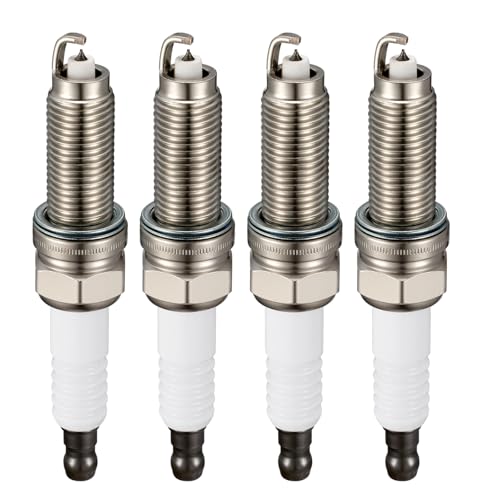
- Worn Spark Plugs: Old spark plugs can cause misfires and poor combustion, leading to rough idling and stalling.
- Faulty Ignition Coils or Wires: Damaged coils or wires can interrupt the spark, especially under load or during startup.
- Ignition Switch Issues: On older Civics, a failing ignition switch can intermittently cut power to the engine.
Sensor Malfunctions
Modern Honda Civics rely on an array of sensors to optimize performance. Failure in these sensors can confuse the engine control unit (ECU), causing it to stall the engine.
- Mass Air Flow (MAF) Sensor: Measures the amount of air entering the engine. A dirty or failed MAF sensor can throw off the air-fuel ratio.
- Crankshaft Position Sensor: Monitors engine speed and position; failure can cause sudden stalls.
- Throttle Position Sensor (TPS): If the TPS sends incorrect data, the ECU may miscalculate the throttle response, causing stalling.
Vacuum Leaks
Vacuum leaks disrupt the balance of air entering the engine, causing rough idle or stalling.
- Cracked or Disconnected Hoses: The vacuum system contains several hoses that can become brittle or disconnected over time.
- Intake Manifold Gasket Leaks: A worn gasket can lead to unmetered air entering the engine.

Credit: www.motor1.com
Diagnosing The Problem: Step-by-step Guide
Identifying why your Honda Civic is stalling requires a systematic approach. Below is a step-by-step guide you can follow to pinpoint the issue efficiently.
Step 1: Observe When The Stalling Occurs
Document the conditions under which your Civic stalls:
- At idle: Points to vacuum leaks, sensor issues, or idle air control valve problems.
- During acceleration: Suggests fuel delivery or ignition system issues.
- At high speed: Indicates possible fuel pump or sensor malfunction.
- When cold/hot: Can help narrow down temperature-sensitive components.
Step 2: Check For Warning Lights
Always look for a Check Engine Light (CEL) or other dashboard warnings. Modern Civics store trouble codes that can be read with an OBD-II scanner.
- Pro Tip: Even if the CEL is off, pending codes may be stored.
Step 3: Listen And Inspect
Use your senses:
- Listen: For hissing (vacuum leak), sputtering (fuel issue), or clicking (ignition problem).
- Smell: For fuel odor (possible leak).
- Look: For frayed wires, cracked hoses, or visible leaks.
Step 4: Conduct Simple Diy Tests
- Fuel Pressure Test: Confirms if the pump is delivering proper pressure.
- Spark Test: Checks for strong, blue spark at each plug.
- Spray Test: Spraying carb cleaner around intake hoses can reveal vacuum leaks.
Step 5: Seek Professional Diagnostics
If basic checks don’t reveal the cause, a certified mechanic can perform advanced diagnostics with specialized tools.
Real-world Example
A 2010 Honda Civic owner noticed intermittent stalling at stoplights. The CEL was on, and a scan revealed a P0171 (System Too Lean) code. After inspecting, a cracked vacuum hose was found and replaced, resolving the issue.
Credit: www.testingautos.com
Solutions For The Most Common Stalling Problems
Once you’ve identified the culprit, applying the correct solution is key to restoring your Civic’s reliability. Here’s how to tackle each common cause.
Fuel System Repairs
Replacing A Clogged Fuel Filter
A clogged fuel filter can be swapped out with basic tools. Always use OEM parts for best results. Replacement intervals vary, but typically every 30,000-60,000 miles is recommended.
Fuel Pump Replacement
If the fuel pump is failing, symptoms will worsen over time. Replacement requires dropping the gas tank on most Civic models, a task best left to professionals unless you have advanced mechanical skills.
Cleaning Or Replacing Fuel Injectors
Dirty injectors can be cleaned with fuel additives, but severe blockages require removal and ultrasonic cleaning or replacement.
Ignition System Solutions
Changing Spark Plugs
Worn plugs are a common cause of stalling. Most Civics require plug changes every 100,000 miles, but inspect sooner if you experience symptoms.
Inspecting And Replacing Coils And Wires
Check for cracks or corrosion on ignition coils and wires. Replace any suspect components as a set to maintain uniform performance.
Ignition Switch Repair
If you have an older Civic with random stalling and power loss, a faulty ignition switch may be to blame. Replacement is straightforward but should be done with care to avoid damaging the steering column.
Sensor And Ecu Fixes
Cleaning The Maf Sensor
A dirty MAF sensor can often be revived with a spritz of MAF cleaner. Never use regular carb cleaner, as it can damage the sensor.
Replacing The Crankshaft Or Throttle Position Sensor
If scans point to a failed crankshaft or throttle position sensor, replacement is necessary. These sensors are usually accessible, but always disconnect the battery before working with electronics.
Ecu Updates And Reflashing
In rare cases, a Honda Civic may need its ECU software updated to resolve stalling. Dealers can perform this service.
Vacuum Leak Repairs
Hose Replacement
Replace any hoses that are brittle, cracked, or loose. Use the correct diameter and material specified by Honda.
Intake Manifold Gasket Replacement
A failed intake manifold gasket can cause persistent vacuum leaks. Replacement involves removing the intake manifold, so consider professional help for this repair.
Example: Sensor-related Stall
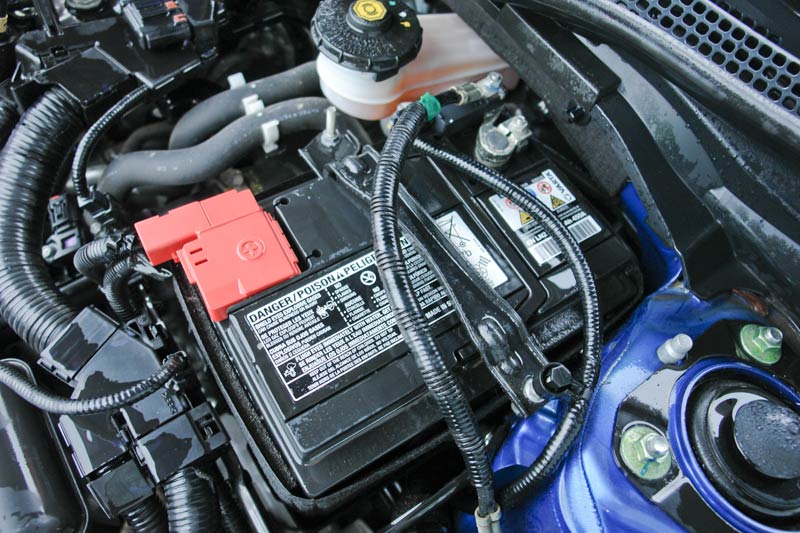
A 2016 Honda Civic began stalling at idle after a battery replacement. The throttle position sensor was found to be out of calibration. A dealer reset the sensor with a scan tool, and the issue was resolved.
Credit: www.hondapartsonline.net
Preventative Maintenance To Avoid Stalling
Regular maintenance is the most effective way to prevent your Honda Civic from stalling unexpectedly. Proactive care keeps the engine running efficiently and catches small problems before they become major issues.
Scheduled Service Intervals
Follow the manufacturer’s maintenance schedule for oil changes, filter replacements, and inspections.
- Oil and Filter: Every 5,000-7,500 miles
- Fuel Filter: Every 30,000-60,000 miles
- Spark Plugs: Every 100,000 miles (or as specified)
- Timing Belt/Chain: As recommended in your manual
Keeping Sensors Clean
Dirt and debris can foul sensors, particularly the MAF and oxygen sensors. Use appropriate cleaners and avoid over-oiling air filters.
Using Quality Fuel And Parts
Always use top-tier gasoline and original Honda or high-quality aftermarket parts. Poor-quality fuel can clog injectors and filters, while substandard parts can fail prematurely.
Battery And Electrical System Checks
A weak battery or poor connections can cause voltage fluctuations, affecting sensors and the ECU. Check battery health and clean terminals regularly.
Example: Preventative Maintenance Success
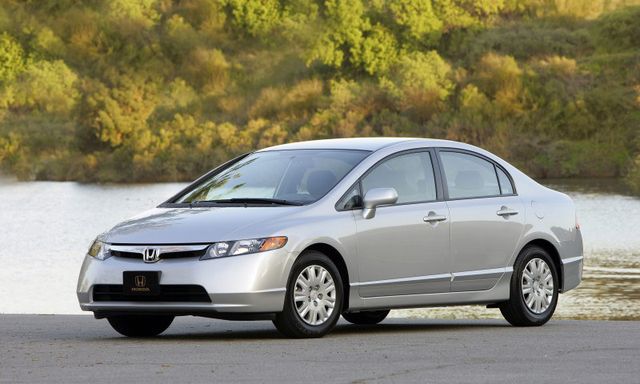
A 2007 Honda Civic owner followed the maintenance schedule precisely and never experienced a stall in 180,000 miles, illustrating the value of routine care.
How Model Year And Mileage Affect Stalling Risks
The likelihood and causes of stalling can vary significantly depending on your Honda Civic’s model year and accumulated mileage. Understanding these differences helps you focus on the most probable culprits.
Older Civics (1990s-early 2000s)
- Common Issues: Ignition switch failures, distributor problems, vacuum leaks
- Best Practices: Regularly inspect ignition components and vacuum hoses; replace aged parts preventatively
Modern Civics (2006-present)
- Common Issues: Sensor failures, electronic throttle problems, ECU glitches
- Best Practices: Use OBD-II scanning for quick diagnosis; keep sensors clean and software updated
High-mileage Civics (100,000+ Miles)
- Common Issues: Fuel pump wear, clogged injectors, worn gaskets
- Best Practices: Replace fuel filter, inspect and clean injectors, check for oil leaks
Data Table: Stalling Risk By Model Year
| Model Year | Most Likely Stalling Causes | Recommended Focus |
|---|---|---|
| 1990-2000 | Ignition, vacuum leaks | Ignition switch, distributor, hoses |
| 2001-2010 | Fuel system, sensors | Fuel filter, injectors, MAF sensor |
| 2011-2026 | Electronic sensors, throttle | Crankshaft sensor, throttle body, ECU |
When To Diy And When To See A Professional
While many Civic owners are comfortable performing basic maintenance and repairs, some stalling issues demand professional expertise. Knowing your limits can save you time, money, and frustration.
Diy-friendly Repairs
- Spark plug and wire replacement
- Air and fuel filter changes
- Simple hose replacements
- Cleaning MAF and throttle body
Tasks Requiring A Professional
- Fuel pump replacement (involves dropping the gas tank)
- ECU reprogramming or reflash
- Advanced electrical diagnostics
- Intake manifold gasket replacement
Pro Tip:
If your Civic stalls without any warning, makes loud noises, or displays multiple error codes, seek professional help immediately. This can prevent further damage and ensure your safety.
Real-world Example
A Civic owner attempted a DIY fuel pump replacement but struggled with the gas tank removal. After a failed attempt, a professional completed the job safely and efficiently, highlighting the importance of knowing when to call for help.
Cost Comparison: Diy Vs. Professional Repair
Repair costs vary widely depending on the nature of the issue and whether you handle it yourself or hire a mechanic. Below is a cost comparison for common Honda Civic stalling fixes.
| Repair | DIY Cost (Parts Only) | Professional Cost (Parts + Labor) |
|---|---|---|
| Spark Plug Replacement | $20 – $40 | $90 – $150 |
| Fuel Filter Replacement | $15 – $30 | $80 – $120 |
| Fuel Pump Replacement | $80 – $200 | $400 – $700 |
| Crankshaft Sensor Replacement | $40 – $80 | $150 – $300 |
| Vacuum Hose Replacement | $10 – $30 | $70 – $150 |
Warning: Attempting complex repairs without proper tools or expertise can lead to more expensive damage.
How To Minimize Stalling Risk In The Future
Prevention is always preferable to repair. By adopting a few best practices, you can minimize the risk of sudden stalls and extend your Honda Civic’s lifespan.
Use Only Quality Parts
Always opt for OEM or high-quality aftermarket parts, particularly for ignition and fuel system components.
Keep Up With Software Updates
Modern Civics rely on electronic controls. Ask your dealer or mechanic about the latest ECU software updates.
Store Your Car Properly
If your Civic sits unused for weeks or months, use a fuel stabilizer and keep the battery charged to prevent fuel degradation and sensor faults.
Pay Attention To Early Warnings
Don’t ignore small symptoms like rough idle, hard starts, or decreased fuel economy. These can be early signs of impending stalling.
Pro Tip:
In my experience, addressing minor issues promptly has consistently prevented larger, more expensive problems later on.
Frequently Asked Questions
What Should I Do If My Honda Civic Stalls While Driving?
If your Civic stalls while driving, safely pull over to the side of the road and switch on your hazard lights. Attempt to restart the engine. If it restarts, drive cautiously to a repair facility. If not, consider calling roadside assistance.
It’s important to note any warning lights or unusual sounds, as these can help your mechanic diagnose the issue more quickly.
Can A Low Battery Cause My Honda Civic To Stall?
Yes, a low or failing battery can cause your Civic to stall, especially in newer models that rely on stable voltage for sensors and the ECU. A weak battery may not supply enough power for ignition or fuel injection, resulting in engine shutdown. It’s wise to have your battery and charging system tested if you’re experiencing repeated stalls.
How Can I Tell If My Civic’s Stalling Is Due To A Bad Sensor?
Sensor-related stalling is often accompanied by a check engine light and may cause erratic idling, poor fuel economy, or inconsistent throttle response. Using an OBD-II scanner can help identify faulty sensors by reading stored error codes. If you don’t have a scanner, many auto parts stores offer free code reading services.
Does Using Poor-quality Fuel Cause Stalling?
Absolutely. Poor-quality or contaminated fuel can clog injectors, filters, and even damage the fuel pump. Symptoms may include rough running, loss of power, and stalling. Always buy fuel from reputable stations and consider using a fuel additive periodically to clean the system.
Is It Safe To Keep Driving A Honda Civic That Stalls Occasionally?
It’s not advisable to continue driving if your Civic stalls, even intermittently. Stalling can create hazardous situations, particularly in traffic or at intersections. Continuing to drive without addressing the root cause can lead to more severe engine damage or unexpected breakdowns.
Schedule a diagnostic check as soon as possible.
A stalling Honda Civic can be unsettling, but with the right knowledge and approach, you can address the issue promptly and confidently. By understanding the most likely causes, following a logical diagnostic process, and applying the appropriate solutions, you’ll keep your Civic reliable for years to come. For more information on Honda Civic maintenance, visit the official Honda Owners Maintenance Schedule or consult a professional mechanic. For additional technical details, the Honda Civic Wikipedia page offers a comprehensive overview of the model’s history and engineering. With careful attention and regular maintenance, your Civic can remain a dependable companion on the road.
Products related to this article
Sponsored / affiliate links. As an Amazon Associate I earn from qualifying purchases. I may earn additional commission from eligible campaigns.