Ford Focus vs Honda Civic: Which Compact Car Is Better?
For most used-car shoppers, the Honda Civic is the safer long-term buy; choose a Ford Focus only if its lower price is at least 15% to 20% below a similar Civic and you accept higher repair risk. Buy the wrong one and depreciation, repair bills, and resale losses can erase the savings. This guide compares reliability, space, depreciation, and used-price spread so you can pick the better fit for your budget and risk tolerance.
| Decision factor | Ford Focus | Honda Civic | Winner |
|---|---|---|---|
| Used entry price | $6,200 to $15,408 for a used 2018 model | $12,114 to $22,048 for a used 2018 model | Ford Focus |
| Fuel economy | 28 miles per gallon average | 32 miles per gallon average | Honda Civic |
| Reliability and long-term odds | 3.1 years remaining life expectancy; 6.2% chance of reaching 200,000 miles | 8.2 years remaining life expectancy; 33.4% chance of reaching 200,000 miles | Honda Civic |
| Safety | No comparable rating was provided here | 5 out of 5 stars average safety rating | Honda Civic |
| Space and packaging | Available as coupe, hatchback, and sedan | More interior volume overall | Honda Civic |
Ford Focus vs Honda Civic: key trade-offs
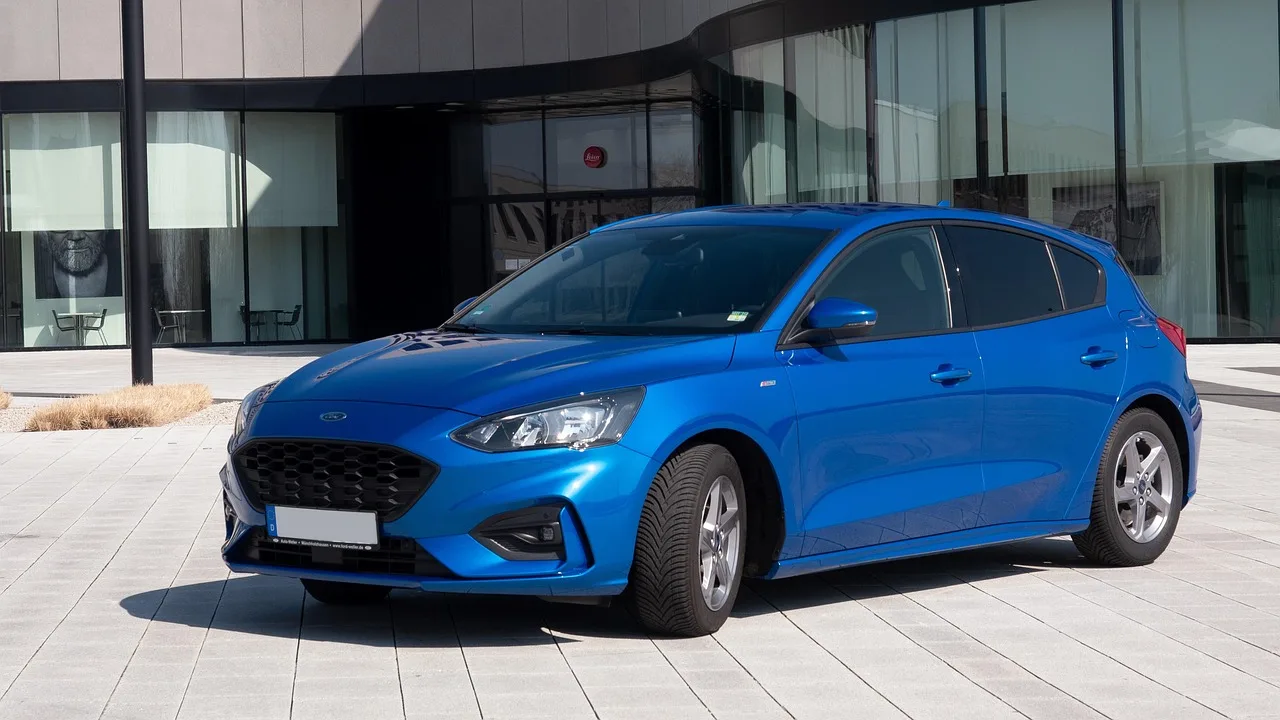
The Ford Focus usually wins on upfront price. The Honda Civic usually wins on fuel use, longevity, safety reputation, and retained value. That split matters more than badge loyalty, because a cheap buy can turn expensive after 100,000 miles if repairs, downtime, and resale losses pile up.
Price versus ownership cost
The Focus is the lower-entry car in the used market, with a 2018 price band of $6,200 to $15,408 versus $12,114 to $22,048 for the Civic. But price alone misses the larger cost picture: the Civic’s stronger resale and better long-term odds help protect money spent up front.
Fuel use and daily commuting
The Civic averages 32 miles per gallon, while the Focus averages 28 miles per gallon. On a regular commute with 87-octane fuel, that gap is modest on one tank and larger over a year of stop-and-go driving.
Longevity and repair risk
The Civic’s remaining life expectancy is 8.2 years, compared with 3.1 years for the Focus. The Civic also has a 33.4% chance of reaching 200,000 miles, versus 6.2% for the Focus, which is the kind of split that matters to shoppers who plan to keep the car through a second set of tires, brakes, and suspension work.
Space and body style
The Civic has more interior volume overall, which usually makes it the easier car for adults in the second row. The Focus was sold as a coupe, hatchback, and sedan, so the answer shifts with body style; a hatchback Focus carries a different cargo shape than a sedan, and a coupe is the least practical option of the group.
Safety and family use
The Civic’s average safety rating is 5 out of 5 stars. That makes it the cleaner pick for teen drivers, carpool duty, and anyone who wants one less question mark when shopping an older compact.
Is the Honda Civic more reliable than the Ford Focus?
Yes. Based on the figures provided here, the Civic has the stronger reliability case by a wide margin: 8.2 years of remaining life expectancy and a 33.4% chance of reaching 200,000 miles, versus 3.1 years and 6.2% for the Focus. That difference usually matters more than a lower purchase price once the odometer climbs past 100,000 miles.
Reliability scores and long-term ownership expectations
A higher remaining life expectancy suggests the Civic is a better fit for buyers who want to keep the car for several more years. The Focus can still fill a short-term need, but the odds favor more repairs and a shorter service life if the prior owner skipped maintenance.
Chance of reaching 200,000 miles
The Civic’s 33.4% chance of reaching 200,000 miles is not a guarantee, but it is a useful signal for long-haul ownership. The Focus’s 6.2% figure says the opposite: buy it only if the discount is large enough to compensate for the lower durability odds.
Projected recalls and common failure patterns
The Focus is the riskier bet for parts and repair exposure in older used-car shopping because the platform aged into a narrower buyer pool, which can make clean examples harder to find and service histories more uneven. The Civic is the safer default for a shopper who wants fewer surprises after 100,000 miles and easier resale if plans change.
Which gets better gas mileage?
The Honda Civic gets better gas mileage than the Ford Focus. The numbers here show a 32 mpg Civic against a 28 mpg Focus, and the Civic also ranks 1 out of 31 for best gas mileage small cars, which lines up with its stronger commuter appeal.
Average mpg and highway range
Average mpg favors the Civic. Highway range will still vary by trim, wheel size, traffic, and driving speed, but the model-level gap is clear enough to matter if you put real miles on the car every week.
Regular unleaded and real-world fuel-cost impact
Both are ordinary compact-car shoppers’ machines, so regular unleaded is the expected fuel type for most trims. The Civic’s 4 mpg advantage is easy to miss on paper, but it adds up over months of commuting and can offset part of the higher used-price difference.
Base-engine comparison by trim family
The Civic’s base engine makes 158 horsepower, and the Focus base engine makes 160 horsepower. The Focus has a slight edge in base power, but that does not translate into better fuel economy; the Civic is still the mileage winner.
Which compact car has more interior space?
The Honda Civic has more interior volume overall, so it is usually the better choice for passengers and cargo. The Focus can still work for solo commuting or small loads, but its body-style mix means you have to look closely at the exact sedan, hatchback, or coupe before judging space.
Front head room and front shoulder room
Exact room figures vary by trim and body style, but the Civic’s larger overall cabin volume is the clue that matters most. If you wear a tall helmet, carry a child seat, or drive with the seat set far back, the Civic tends to be the easier fit.
Rear leg room and cargo space
Rear-seat room is where compact cars usually separate fast. The Civic’s bigger cabin gives rear passengers a better chance of fitting without knees pressed into the front seatbacks, while the Focus hatchback gives you a more flexible cargo opening than the sedan.
How sedan and hatchback body styles change the answer
The Focus comes in coupe, hatchback, and sedan body styles, so its usefulness depends on which one is on the lot. A hatchback Focus can be handy for bulky items, but the Civic still tends to win the overall space conversation because the broader cabin and packaging are easier to live with day to day.
How do used prices compare?
The Ford Focus is cheaper used than the Honda Civic. A used 2018 Focus runs from $6,200 to $15,408, while a used 2018 Civic runs from $12,114 to $22,048, so the Focus’s entry price can leave room in the budget for repairs, tires, and a reserve fund.
Used price range for each model
The price spread is wide enough that trim choice matters. A clean, low-mileage Civic can sit near the top of the range, while a base Focus can look like a bargain until the first major service bill arrives.
Starting MSRP versus category average price
Both are mainstream compact cars, so the new-car sticker was never the whole story. In used shopping, the category average matters less than the actual listing condition, because the cheaper car can become the pricier ownership if it needs tires, brakes, or transmission work sooner.
How trim scarcity changes the deal
Older comparison pages often flatten sedan, hatchback, and performance trims into one bucket. That hides the real market problem: good used Civics are often priced tightly because demand stays high, while the Focus may look cheaper partly because there are fewer buyers competing for it.
Civic vs Focus buyer matrix
Use this matrix as a shopping tool, not a universal ranking. The scores run from 1 to 5, where 5 is best for that use case.
| Use case | Ford Focus: purchase price | Ford Focus: fuel economy | Ford Focus: reliability | Ford Focus: safety | Ford Focus: space | Honda Civic: purchase price | Honda Civic: fuel economy | Honda Civic: reliability | Honda Civic: safety | Honda Civic: space | Best pick |
|---|---|---|---|---|---|---|---|---|---|---|---|
| Budget commuter | 5 | 3 | 2 | 3 | 3 | 3 | 5 | 5 | 5 | 4 | Honda Civic |
| Long-term keeper | 4 | 3 | 1 | 3 | 3 | 3 | 5 | 5 | 5 | 4 | Honda Civic |
| First car or teen driver | 4 | 3 | 2 | 3 | 3 | 3 | 5 | 5 | 5 | 4 | Honda Civic |
| Low-mileage value hunter | 5 | 3 | 2 | 3 | 3 | 3 | 5 | 5 | 5 | 4 | Ford Focus |
Budget commuter
A cheap commute usually sounds like a Focus job, but the Civic wins this scenario once fuel use and long-term risk are counted together. Say your daily round trip is 30 miles and you keep the car five more years; the Civic’s better mpg and stronger reliability make the higher buy-in easier to justify.
Long-term keeper
The Civic is the clear pick for a buyer who wants to keep one compact car for years. Suppose you plan to cross 150,000 miles, then keep driving without starting over with another purchase; the Civic’s 8.2-year remaining life expectancy and much better 200,000-mile odds make that plan less stressful.
First car or teen driver
The Civic is the safer and simpler answer for a new driver. A common first-timer mistake is buying the lowest sticker price and ignoring what happens after the first cooling-system or transmission repair, which is where the Focus can become a bad bargain.
Low-mileage value hunter
The Focus is the right pick only for a buyer who values a low entry price more than long-term durability. If the car will see limited annual miles, has a complete service record, and is priced well below comparable Civics, the savings can make sense.
Choose Honda Civic if… / Choose Ford Focus if…
Choose the Honda Civic if you want stronger retained value, better fuel economy, better safety ratings, and easier ownership beyond 100,000 miles. It is the better fit for commuters, teen drivers, and anyone who wants a used compact car to age with fewer financial surprises.
Choose the Ford Focus if you want a lower used entry price, plan to keep annual mileage modest, and can inspect the exact trim and service history carefully. It is the value play only when the price gap is large enough to offset its weaker reliability and shorter remaining life.
Frequently asked questions
Which gets better gas mileage, Ford Focus or Honda Civic?
The Honda Civic gets better gas mileage. Its 32 mpg average beats the Focus at 28 mpg, and the Civic also ranks 1 out of 31 for best gas mileage small cars. That makes it the better commuter car if fuel cost matters every week.
Is the Ford Focus cheaper used than the Honda Civic?
Yes. The lower purchase price is real, but it should be weighed against the Focus’s weaker long-term reliability outlook.
Which compact car has more interior space, Civic or Focus?
The Honda Civic has more interior volume overall. That usually means more breathing room for rear passengers and a cabin that feels less cramped on longer drives. The Focus changes more by body style, so a hatchback and a coupe will not feel equally practical.
How long does a Ford Focus last compared with a Honda Civic?
The Civic is expected to last longer. Its remaining life expectancy is 8.2 years, while the Focus is at 3.1 years. For used-car buyers, that difference often matters more than the purchase price because it changes how soon you may face another replacement decision.
Is the Ford Focus still a good buy used?
It can be, but only for the right buyer and the right price. The Focus makes sense when it is priced well below a similar Civic, has documented maintenance, and will not be asked to cover very high annual mileage. Otherwise, the Civic is the safer long-term value.
Which compact car is safer, Civic or Focus?
The Civic is the safer choice based on the safety data provided here. Its average safety rating is 5 out of 5 stars, which is a strong mark for an older used compact. For shoppers moving a child seat or a teen driver, that matters as much as fuel economy.
What are the main differences between Civic and Focus?
The Civic is the stronger all-around used buy for reliability, fuel economy, safety, and resale. The Focus mainly wins on lower upfront price and has more body-style variety, including coupe, hatchback, and sedan options. In practical ownership terms, the Civic is the easier car to keep.
Products related to this article
Sponsored / affiliate links. As an Amazon Associate I earn from qualifying purchases. I may earn additional commission from eligible campaigns.
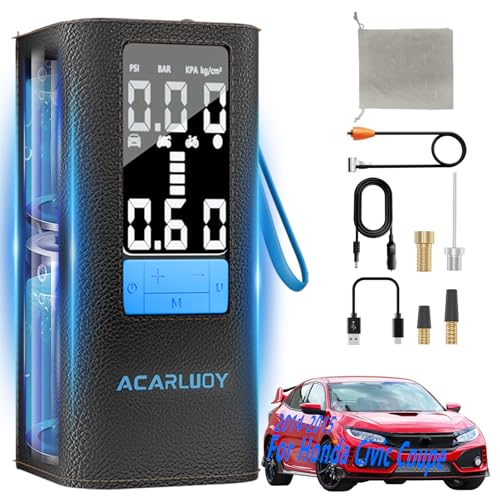 ACARLUOY Portable Air Compressor for Car Tires - 3X Faster Inflation, Fit for Honda Civic Coupe 2014-2015,6000mAh Battery, LCD Screen, LED Light, Auto Shutoff
 ACARLUOY Portable Air Compressor for Car Tires - 3X Faster Inflation, Fit for Honda civic 2008-2012,6000mAh Battery, LCD Screen, LED Light,Auto Shutoff