How To Fix Esp On A Ford Car (Step-By-Step Guide)
Fixing the ESP on a Ford car often involves understanding common causes like wheel speed sensor issues, low brake fluid, or problems with the ABS module. Many issues can be resolved with simple checks, but some require professional diagnostics to ensure your car’s safety systems function correctly.
Understanding Your Ford’s ESP System
ESP stands for Electronic Stability Program. It’s a smart system designed to help you stay in control of your car. Think of it as a helpful co-pilot.
It works with other systems, like the Anti-lock Braking System (ABS) and traction control. When it senses you’re losing control, it can automatically intervene. It does this by applying brakes to individual wheels.
It can also reduce engine power. This helps to prevent skidding or spinning out. This is especially useful in slippery conditions or during sudden maneuvers.
It’s a key safety feature in modern vehicles.
This system relies on various sensors. These sensors constantly monitor your steering wheel’s position and the direction your car is actually moving. If there’s a difference, it signals a potential loss of control.
The ESP then kicks in to correct the path. It uses precise adjustments to bring the car back on track. The goal is always to maintain stability and prevent accidents.
It’s a complex but very effective technology.
In a Ford, this system is often integrated with the ABS. The ABS prevents your wheels from locking up when you brake hard. Traction control stops your wheels from spinning when you accelerate.
ESP uses these capabilities and adds its own layer of control. It helps you steer through difficult situations. It’s a vital part of your car’s active safety features.
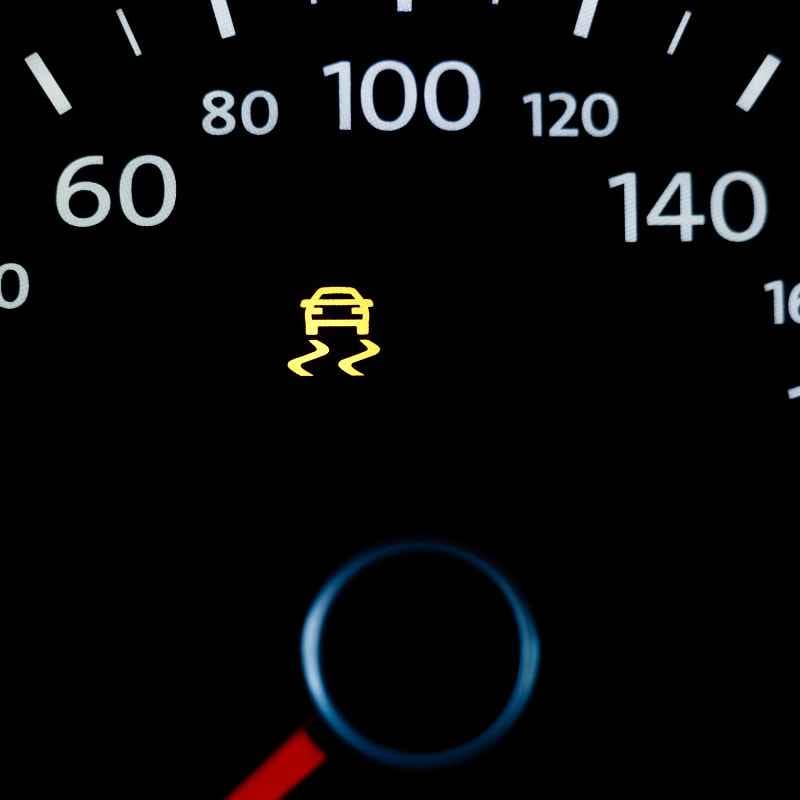
Knowing what it does can help you appreciate its importance. It also helps you understand why a warning light is a signal to pay attention.
My Own Scare with the ESP Light
I remember one rainy Tuesday evening. I was driving home after a long day at work. My mind was on dinner plans.
Suddenly, a little orange light flickered on my dashboard. It was the ESP warning light. My heart did a little jump.
I wasn’t driving erratically. The road was wet, but I was going slow. I felt a slight hesitation in the steering.
Was something seriously wrong? Panic started to bubble up. I pictured expensive repair bills and a car stuck at the mechanic’s.
I pulled over safely. I turned the car off and then back on. The light stayed on.
That’s when I knew it wasn’t a temporary glitch. I drove home very carefully. The rest of the trip felt tense.
I kept thinking about how important that system is. I felt a bit vulnerable without its full support.
That experience taught me a lot. It pushed me to learn more about why these lights come on. It’s easy to feel helpless when your car signals a problem.
But most of the time, there’s a logical reason. And often, it’s something you can figure out or at least understand better. This makes the repair process less scary.
It empowers you to have better conversations with your mechanic. Or, in some cases, you might even be able to fix it yourself. This is what I want to help you with today.
Common ESP Warning Light Triggers
Sudden Braking: Harsh braking can sometimes temporarily confuse the system.
Sharp Turns: Aggressive cornering can also activate the warning.
Rough Roads: Bumpy terrain can jostle sensors, causing a false reading.
System Reset: Sometimes, a simple engine restart clears a temporary fault.
Why Is My ESP Light On? Common Causes
So, why does that ESP light decide to show up? Several things can cause it. Some are simple to fix.
Others are more complex and need a mechanic’s touch. Understanding these common culprits is the first step to solving the problem.
1. Wheel Speed Sensor Issues
Your Ford has wheel speed sensors. These sensors monitor how fast each wheel is spinning. They are crucial for ABS, traction control, and ESP.
If one of these sensors gets dirty, damaged, or goes bad, it sends incorrect information. The ESP system sees this wrong data and assumes there’s a problem. It might think a wheel is spinning too fast or too slow compared to the others.
This can cause the ESP light to come on. You might also notice your ABS light is on at the same time. This is because they share sensor data.
These sensors are usually located near the wheel hub. Dirt, road salt, or physical damage can affect them.
In many cases, a dirty sensor can be cleaned. Sometimes, the wiring to the sensor can become loose or damaged. This is more common after hitting a large pothole or driving over debris.
If the sensor itself is faulty, it will need to be replaced. This is a part that can often be replaced by a handy DIYer, but it’s important to get the correct part for your specific Ford model.
Split Insight: Wheel Speed Sensors
What they do: Measure each wheel’s rotation speed.
Why they fail: Dirt, damage, electrical faults, or wear and tear.
Symptom: ESP and ABS lights illuminate, potential braking issues.
Fix: Cleaning, repairing wiring, or replacing the sensor.
2. Low Brake Fluid Level
Yes, even low brake fluid can trigger your ESP light. The ESP system is closely linked to your braking system. If the brake fluid level drops too low, it can affect the hydraulic pressure.
This pressure is what the ESP relies on to make adjustments. A low brake fluid level often means there’s a leak somewhere in the brake lines. It can also mean your brake pads are very worn.
When brake pads wear down, the caliper pistons extend further. This requires more brake fluid to fill the space. The brake fluid reservoir has a sensor that monitors the level.
When it’s too low, it sends a signal to your car’s computer. This can trigger the ESP light as a warning. It’s a safety measure to alert you to a potentially critical issue.
Checking your brake fluid is a simple task. You can usually see the reservoir under the hood. It’s a translucent plastic tank.
There are usually “min” and “max” lines on the side. If it’s below the “min” line, you need to investigate. You should top it up with the correct type of brake fluid specified in your Ford’s owner’s manual.
However, topping it up without finding the cause of the low level (like a leak or worn pads) is only a temporary fix.
3. ABS Module or Pump Fault
The ABS module and pump are the brains and brawn of your anti-lock braking system. The ESP system relies heavily on the ABS module for its operation. If the ABS module itself develops a fault, or if the pump that controls hydraulic pressure fails, the ESP system will likely detect this.
Modern cars have sophisticated diagnostics. They can identify problems within the ABS control unit. This could be a software glitch, a hardware failure, or a communication error.
When the module or pump isn’t functioning as expected, the ESP light will illuminate. This is often a more serious issue that requires professional diagnosis.
Diagnosing an ABS module or pump issue often involves specialized scan tools. These tools can communicate directly with the car’s computer. They can read error codes stored in the ABS module.
Sometimes, a faulty connection to the module can be the cause. In other cases, the module itself might need to be repaired or replaced. Pump failures can also occur.
These systems are complex and often best left to experienced mechanics. They have the training and equipment to handle these specific repairs safely.
Contrast Matrix: ESP Light Causes
Normal Scenario: All sensors clean, brake fluid at proper level, ABS module functioning perfectly.
Concerning Scenario: Dirty wheel speed sensor, brake fluid low, ABS module error codes present.
What to Do: Check fluid, clean sensors if accessible, seek professional diagnosis for ABS issues.
4. Steering Angle Sensor Problems
The steering angle sensor tells the ESP system which way you are turning the steering wheel. It’s another critical component for maintaining stability. If this sensor fails or sends incorrect readings, the ESP system won’t know your intended direction.
It might think you’re turning when you’re going straight, or vice versa. This confusion will trigger the ESP warning light. The steering angle sensor is usually located within the steering column.
It works by detecting the rotation of the steering wheel. Proper calibration is also important for this sensor. Sometimes, after certain repairs, it needs to be recalibrated to the vehicle.
Symptoms of a faulty steering angle sensor can include the ESP light being on constantly. You might also notice that cruise control or other steering-related functions stop working. Diagnosing and replacing this sensor usually requires a mechanic.
They have the tools to read its data and perform any necessary recalibration. This is because the sensor’s data needs to be precise for the ESP to work correctly.
5. Faulty Yaw Rate Sensor
The yaw rate sensor measures the rate at which your car is rotating or turning. It helps the ESP understand how the car is moving around its vertical axis. If this sensor malfunctions, the ESP system can’t accurately detect if the car is over-steering or under-steering.
This faulty data will lead to the ESP light coming on. The yaw rate sensor is often integrated with the steering angle sensor or located nearby. It’s part of the vehicle’s stability control module.
Like the steering angle sensor, it requires precise data for the system to function effectively.
A faulty yaw rate sensor can cause unpredictable behavior from the ESP system. This can be quite dangerous. If you suspect an issue with this sensor, it’s important to get it checked by a professional as soon as possible.
They can use diagnostic equipment to test its readings and determine if it needs replacement or recalibration.
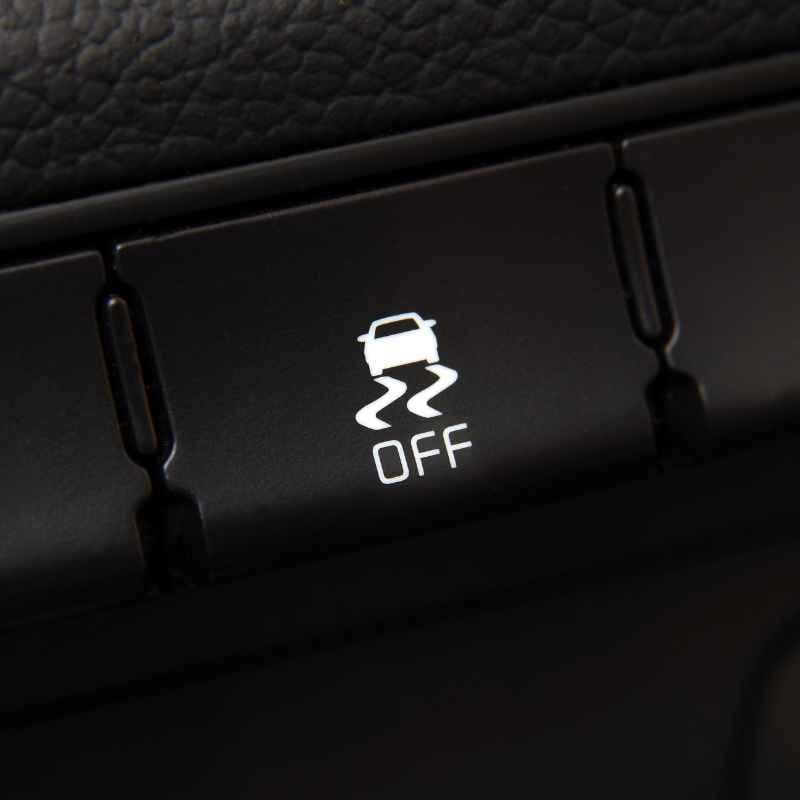
6. ESP Button / Switch Malfunction
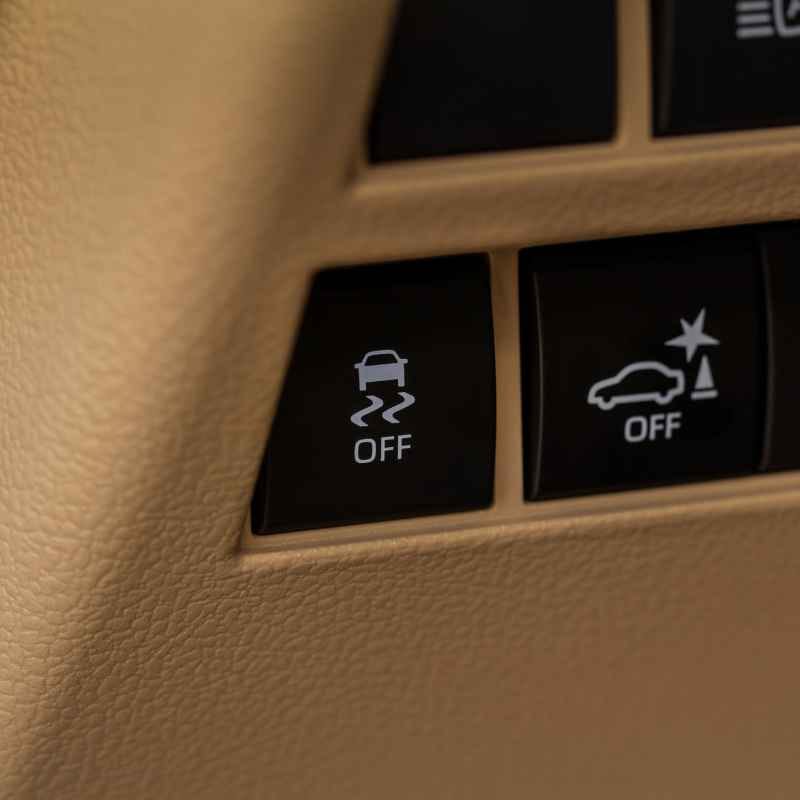
Most Ford vehicles have a button to manually turn the ESP system on or off. This is often done to allow for wheel spin, for example, in deep snow or mud. If this button gets stuck, is faulty, or has a loose connection, it can cause the ESP light to illuminate.
The car’s computer might interpret a stuck button as the system being turned off. Or, it could be an electrical fault within the switch itself. Sometimes, the switch simply needs to be cleaned or has a loose wire.
Other times, the switch assembly itself might need replacement. This is one of the simpler things to check.
Try pressing the ESP button a few times. See if it feels normal. Does it click properly?
Does it seem loose? If it feels odd, or if pressing it doesn’t change the light status (sometimes the light turns off when you press the button to turn ESP on), then the switch itself could be the culprit. This is a relatively easy fix for many people.
Quick-Scan Table: ESP Light Causes
| Cause | Likelihood | DIY Fix Possible? | Professional Needed? |
|---|---|---|---|
| Wheel Speed Sensor | High | Sometimes (cleaning/wiring) | Yes (replacement/diagnostics) |
| Brake Fluid Level | Medium | Yes (topping up/checking pads) | Yes (for leaks) |
| ABS Module/Pump | Medium | No | Yes (diagnostics/repair) |
| Steering Angle Sensor | Medium | No | Yes (diagnostics/calibration) |
| Yaw Rate Sensor | Medium | No | Yes (diagnostics/replacement) |
| ESP Button | Low | Yes (checking/cleaning) | Yes (replacement) |
Step-by-Step Guide to Fixing Your Ford’s ESP
Okay, let’s get down to business. You’ve seen the light, you understand the potential causes. Now, what can you actually do?
We’ll start with the easiest checks and move towards what might need more help.
Step 1: The Simple Restart
This sounds too easy, right? But honestly, for many minor glitches, a simple restart does the trick. Your car’s computer can sometimes experience temporary hiccups.
Turning the car off completely, waiting about 30 seconds, and then turning it back on can clear these transient errors. If the ESP light stays off after a few minutes of driving, you might have been lucky. If it comes back on, proceed to the next steps.
Step 2: Check Your Brake Fluid
This is a vital safety check that anyone can do. Pop your hood. Locate the brake fluid reservoir.
It’s usually a translucent plastic container near the brake master cylinder. Check the fluid level against the “min” and “max” markings. If it’s low, you’ll need to top it up.
Use only the brake fluid type specified in your Ford’s owner’s manual. If it’s significantly low, there might be a leak. Look for wet spots on the brake lines, calipers, or the master cylinder.
Also, consider your brake pads. If they are very worn, the fluid level will be lower. You might need new brake pads soon.
Micro-Sections: Brake Fluid Check
Locate: Find the brake fluid reservoir under the hood.
Observe: Check fluid level against Min/Max lines.
Action: Top up if low with correct fluid type. Investigate leaks if fluid is low.
Step 3: Inspect Wheel Speed Sensors
This is where things can get a little more involved, depending on your car’s design. Wheel speed sensors are typically located near each wheel hub. You might need to get under your car or remove a wheel to see them clearly.
Look for any obvious signs of damage to the sensor itself or its wiring. Check if the wiring is loose, frayed, or disconnected. Sometimes, dirt and road grime can accumulate around the sensor.
If it looks dirty, you can try carefully cleaning it with brake cleaner or electrical contact cleaner. Be gentle, as these sensors can be delicate.
If you see a loose wire, try to resecure it. If the sensor looks physically damaged, it likely needs replacement. If you’re unsure about accessing these sensors, or if cleaning doesn’t help, it’s best to consult a mechanic.
They have the tools to test the sensors properly. They can also replace them if needed.
Step 4: Test the ESP Button
Go to your dashboard and find the ESP button. Usually, it’s labeled with an ESP icon or text. Try pressing it.
Does it feel normal? Does it click? Does the light on the dashboard change status when you press it?
For example, if the ESP is off and the light is on, pressing the button should turn the ESP back on and the light should go off (or vice versa, depending on your car’s logic). If the button feels stuck, or if pressing it has no effect on the light or the system, the button itself might be faulty. Sometimes, a quick spray of electrical contact cleaner around the button can help if it’s just dirty.
If not, the switch assembly may need replacing.
Observational Flow: ESP Light Troubleshooting
Start: ESP light is on.
Step 1: Restart the engine. Light stays on.
Step 2: Check brake fluid. Level is good.
Step 3: Inspect wheel speed sensors. One looks a bit dirty.
Step 4: Clean the suspect sensor. Restart engine. Light is off!
Step 5 (If light stays on): Test ESP button. Button feels okay, no change.
Step 6 (If light stays on): Seek professional diagnosis for sensors or ABS.
Step 5: Scan for Error Codes
If the simple checks don’t resolve the issue, the next logical step is to scan for diagnostic trouble codes (DTCs). Many auto parts stores offer free code scanning services. You can also buy an OBD-II scanner yourself.
This device plugs into a port usually located under the dashboard. It reads codes that your car’s computer has stored. The code will give you a more specific idea of what the system thinks is wrong.
For example, a code like “C1234” might point directly to a specific wheel speed sensor or the ABS module.
Once you have the codes, you can research them online. This will give you a better understanding of the problem. If the codes point to a specific sensor or component, you can then decide if you’re comfortable replacing it yourself or if you need a mechanic.
Remember, clearing the codes is not a fix. You must address the underlying issue.
Step 6: When to Call a Professional
If you’ve gone through the basic checks and code scanning, and the light persists, it’s time to involve a professional mechanic. Issues with the ABS module, steering angle sensor, or yaw rate sensor are complex. They often require specialized diagnostic equipment and expertise.
A skilled mechanic can accurately pinpoint the problem. They can also ensure any repairs are done correctly and safely. Especially when dealing with safety systems like ESP, it’s crucial to have them functioning perfectly.
Don’t be afraid to take your car to a trusted mechanic. Explain the symptoms you’ve observed. Tell them what checks you’ve already performed.
This information can be very helpful. It can save time and money on diagnosis. Remember, your safety and the safety of others on the road depend on these systems working right.
Real-World Context: Driving Habits and ESP
Sometimes, how we drive can influence how our car’s systems react. While ESP is designed to be a safety net, certain driving habits can sometimes trigger the warning light or put unnecessary strain on the system. Understanding these can help prevent future issues.
Aggressive Driving
Frequent hard braking, sudden acceleration, and sharp cornering can stress any vehicle’s systems. While your Ford is built to handle these, consistent aggressive driving can lead to sensors detecting unusual patterns. This might trigger the ESP light temporarily.
It’s like telling your car to work overtime constantly. Over time, this can contribute to wear and tear on components. For example, constant hard braking means your brake pads and rotors work harder.
This can lead to them wearing out faster, which we’ve seen can affect brake fluid levels.
Driving in Harsh Conditions
Driving on very rough roads, in deep snow, heavy rain, or on icy surfaces can make the ESP work harder. While it’s designed for these conditions, extreme situations can sometimes lead to temporary sensor confusion. For instance, a wheel speed sensor might struggle to get a clear reading on a very slippery or bumpy surface.
This might cause a brief ESP light illumination. When you encounter such conditions, it’s always wise to drive cautiously. Slowing down and being smooth with steering and braking is key.
Stacked Micro-sections: Driving Habits
Accelerating: Smooth acceleration is best. Avoid flooring it constantly.
Braking: Gentle braking is preferred. Avoid sudden stops unless necessary.
Steering: Smooth turns prevent unnecessary strain on sensors.
Conditions: Adapt speed and control to weather and road surfaces.
Ignoring Tire Pressure
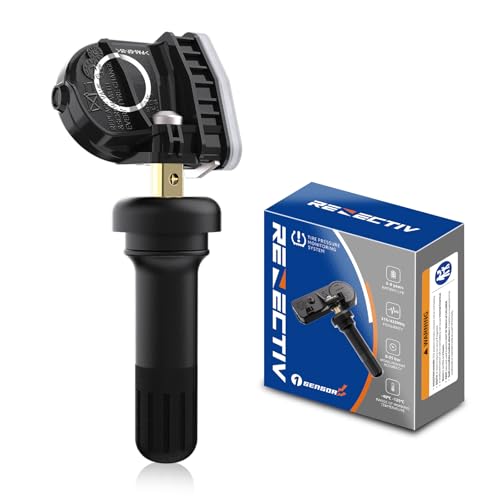
Tire pressure is more important than many people realize. If your tires are significantly under-inflated or over-inflated, it can affect how your car handles. This can also impact the readings from your wheel speed sensors.
Uneven tire wear can also be a consequence. The ESP system relies on all four wheels behaving similarly. Significant differences in tire grip or rotation speed due to incorrect pressure can confuse the system.
It might interpret this as a loss of control. Always maintain the correct tire pressure as recommended by Ford. This information is usually found on a sticker in the driver’s side doorjamb.
What This Means for You: When is the ESP Light Normal?
It’s important to know that sometimes, the ESP light comes on for a very good reason, and it’s not necessarily a problem that needs fixing. It’s designed to alert you when it’s actively intervening.
When the ESP Light Flashes
If the ESP light flashes briefly and then turns off, it usually means the system has activated. This happens when it detects a loss of traction or stability. For example, if you take a corner a little too fast on a wet road, the light might flash.
Or, if you accelerate too hard on slippery surfaces. This is the system doing its job! It’s helping you maintain control.
Once your car is back on a stable path, the light should turn off. If it flashes, it’s a sign to ease up on your driving. It’s not usually an indication of a fault.
When the ESP Light Stays On After a Specific Event
Sometimes, after an event like hitting a large pothole or a sudden jolt, the ESP light might stay on. As mentioned, this could be due to a sensor being temporarily dislodged or a minor electrical connection issue. In many cases, after driving for a bit or turning the car off and on, the system might reset itself, and the light will go out.
This is a common occurrence and often resolves on its own.
When to Worry and What to Check
You should worry if the ESP light stays on continuously after starting the car, or if it comes on and stays on during normal driving. This indicates a persistent fault that the system cannot resolve on its own. Also, if the light is on, and you notice other issues like the ABS light being on, problems with your brakes, or unusual steering behavior, this is a sign of a more serious problem.
These symptoms suggest that a critical safety system might not be functioning correctly. In such cases, it’s crucial to get your vehicle inspected by a qualified mechanic as soon as possible.
A simple check you can do is to see if your cruise control still works. On many Ford vehicles, cruise control is linked to the ESP and ABS systems. If your cruise control stops working when the ESP light is on, it often points to an issue within the ABS or ESP module itself, or a related sensor.
This is a good indicator that professional help is needed.
Quick Fixes and Tips for ESP Issues
While not all ESP problems can be fixed with simple tips, a few things can help prevent issues or address minor ones.
- Keep it Clean: Regularly clean your wheels and wheel wells. This helps prevent excessive dirt buildup around wheel speed sensors.
- Mind the Bumps: Try to avoid hitting potholes and debris. These can jolt sensors and wiring, leading to temporary or permanent faults.
- Check Tire Pressure Often: Ensure your tires are always inflated to the correct pressure. This supports proper sensor readings and vehicle handling.
- Use the ESP Button Wisely: Only turn off ESP when necessary, like in deep snow or mud. Turn it back on promptly once you’re on stable ground.
- Regular Maintenance: Follow your Ford’s recommended maintenance schedule. This includes brake checks and fluid levels.
Tips for Preventing ESP Light Issues
Tire Care: Proper tire inflation is key.
Cleanliness: Keep wheel speed sensors free of debris.
Driving Style: Smooth acceleration and braking helps.
Maintenance: Regular checks of brake fluid and pads.
Frequent Questions About Ford ESP Lights
What does it mean if my ESP light is on and my ABS light is also on?
When both the ESP and ABS lights are illuminated, it strongly suggests a problem within the Anti-lock Braking System. Since the ESP system relies heavily on ABS components, a fault in the ABS module, wheel speed sensors, or related wiring will often trigger both warning lights simultaneously. You will need to have the ABS system diagnosed by a professional.
Can a dead battery cause the ESP light to come on?
A very low or failing battery can sometimes cause various warning lights to appear, including the ESP light. When the battery voltage drops too low, the car’s electronic systems can behave erratically. They might trigger false error codes.
If you’ve noticed slow engine cranking or other electrical issues, checking your battery’s health is a good first step. A simple battery test at an auto parts store can rule this out.
How much does it typically cost to fix an ESP system problem on a Ford?
The cost can vary greatly depending on the cause. Simple fixes like cleaning a sensor or topping up brake fluid can cost very little, perhaps just your time. Replacing a wheel speed sensor might cost between $100-$300.
However, if the ABS module or pump needs replacement, costs can range from $500 to over $1500, depending on the Ford model and parts used. Professional diagnosis fees can also add to the cost, typically ranging from $100-$200.
Is it safe to drive with the ESP light on?
It is generally not recommended to drive for extended periods with the ESP light on, especially if it’s illuminated continuously. The ESP system is a critical safety feature designed to help you maintain control of your vehicle in challenging situations. If it’s off or malfunctioning, you may lose stability assistance.
If the ABS light is also on, your braking performance could be compromised. Drive cautiously and seek professional inspection as soon as possible.
My ESP light came on after I replaced my tires. What could be wrong?
Replacing tires can sometimes indirectly cause the ESP light to come on. If the wheel speed sensors were disturbed during the tire change, or if new tires have a significantly different circumference than the old ones, it can affect sensor readings. Ensure the tires are correctly installed and that no sensor wiring was accidentally damaged or dislodged.
If the issue persists, a mechanic can check for sensor calibration or damage.
Can I turn off my ESP permanently if the light is always on?
While most Ford vehicles have a button to temporarily disable the ESP, permanently disabling it is not advised for safety reasons. If the light is on due to a fault, it’s important to fix the underlying problem. Driving without ESP assistance significantly reduces your vehicle’s ability to prevent skids or loss of control.
It’s always best to have the system repaired so it can function as designed.
Conclusion
Seeing that ESP light on your Ford’s dashboard can be concerning. But by understanding what the system does and what its common triggers are, you’re already ahead. We’ve walked through simple checks like restarting your car and verifying brake fluid.
We’ve also touched on more complex issues like sensors and modules. Remember to address the issue promptly. Keeping your Ford’s safety systems in good working order is crucial for a secure drive.
See also what car does the ford ceo drive the answer may surprise you.
Products related to this article
Sponsored / affiliate links. As an Amazon Associate I earn from qualifying purchases. I may earn additional commission from eligible campaigns.