Ford Ranger vs Toyota Tacoma: Midsize Truck Buyer Guide Comparison
The Ford Ranger fits commuting and towing better, while the Toyota Tacoma usually has the edge in resale and off-road durability. Choose the Ranger for calmer street behavior and the Tacoma for long-term ownership appeal. Pick wrong, and you can end up with a truck that feels too stiff on the highway, short on towing confidence, or more expensive to live with than expected. This comparison breaks down commuting, towing, trail use, rear-seat space, and ownership costs so you can choose a midsize truck that fits your needs.
Ford Ranger vs Toyota Tacoma: the core trade-off
The Ranger is Ford’s midsize truck in the lineup, and Ford describes it as suited to daily tasks and weekend adventures. The Tacoma leans more toward off-road reputation, trim variety, and hybrid availability. If you spend more time on pavement than dirt, the Ranger’s street manners matter. If trail credibility and long-horizon ownership are the priority, the Tacoma stays in the conversation.
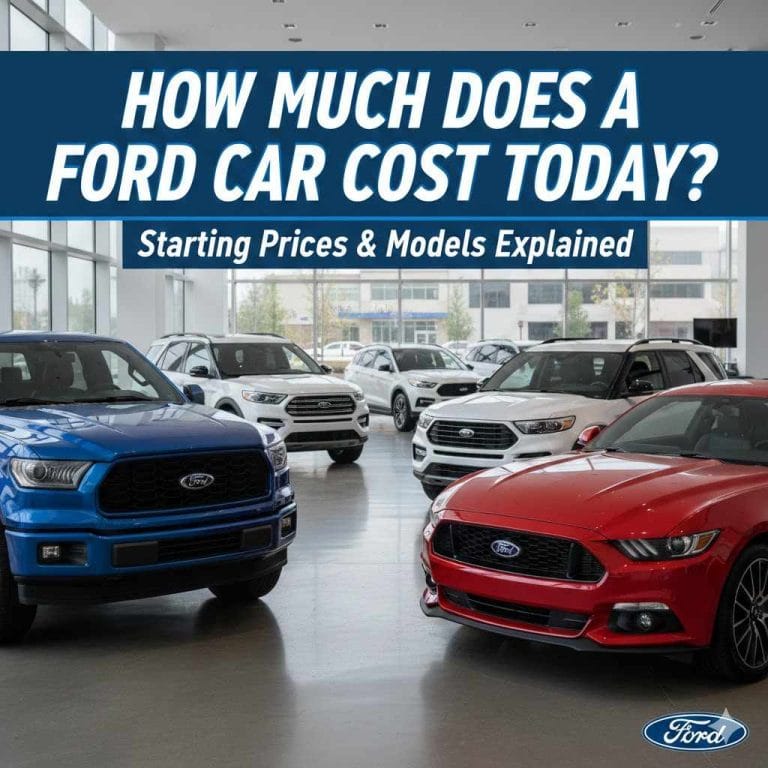
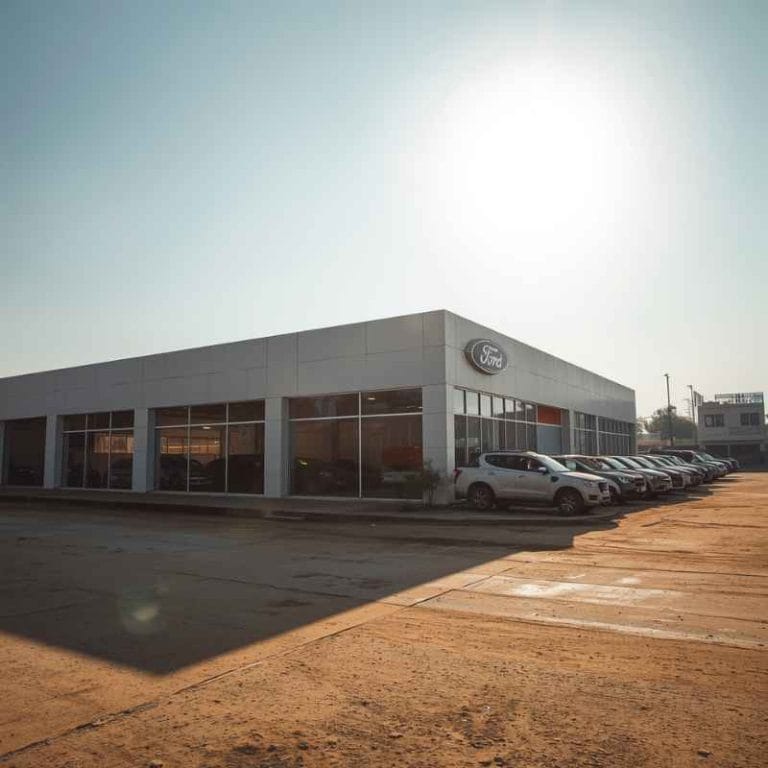
Ford positions the Ranger within its new truck lineup, and Ford’s showroom filters make the use case obvious: towing, fuel economy, seating, and body style all sit front and center. That is a clue. Shoppers are meant to compare the truck by job, not badge.
| Decision factor | Ford Ranger | Toyota Tacoma | Winner |
|---|---|---|---|
| Starting price | 2026 Ranger starts at MSRP $33,350 | Typically starts higher or varies more by trim spread | Ford Ranger |
| Commuting comfort | Stability-focused daily driving with a street-first feel | More trail-focused trim content can trade away some comfort | Ford Ranger |
| Towing for the money | Strong value if you need a midsize tow rig | Competitive, but ratings vary more by powertrain and package | Ford Ranger |
| Off-road hardware | Available 4×4 and trail-oriented trims | Broader off-road reputation and more trail-specific versions | Toyota Tacoma |
| Rear-seat and cab flexibility | Crew cab emphasis with practical daily use | More configuration spread, but some layouts favor bed or trail use over rear-seat room | Tie |
| Ownership cost | Likely lower fuel spend if the drivetrain is configured for efficiency | Often stronger resale case, but off-road trims can raise tire and wear costs | Tie |
Starting price
The Ranger has the cleaner price story at the entry point because the 2026 Ford Ranger starts at MSRP $33,350. That number does not end the discussion, though. Destination fees, option packages, and trim jumps can narrow or widen the real gap fast.
Commuting comfort
The Ranger may have an edge for everyday driving because Ford emphasizes both daily-task use and weekend duty. That usually means easier road manners, less of an off-road-first compromise, and a truck that feels less like a penalty on the morning commute.
Towing value
Both trucks can tow well for the midsize class, but engine-dependent ratings and tow-package requirements matter. A base number on a spec sheet is not the number every buyer gets. If you need a trailer setup, compare the exact engine, axle, and package content before you compare badges.
Off-road hardware
The Tacoma may be the better pick when the route turns rocky because its reputation is built around off-road trims, drive modes, and hardware depth. The Ranger can be fitted for trails, but Toyota’s lineup more often asks trail buyers to stay within the Tacoma family instead of building from a general-purpose trim.
Rear-seat and cab flexibility
Cab choice changes the truck’s usefulness more than many shoppers expect. Crew cab layouts improve rear-seat comfort and family duty, while extended cab-style setups usually preserve a more workable bed or shorter overall length. That trade-off affects parking ease, passenger room, and how annoying the truck feels in tight lots.
How much does the 2026 Ford Ranger cost?
The 2026 Ford Ranger starts at MSRP $33,350, which makes it a relatively accessible way into Ford’s midsize truck lineup. The real transaction price can be higher once destination fees, 4×4 equipment, technology packages, and tow content are added, so base MSRP should be treated as a starting point, not the final number.
Ford’s showroom filtering by towing, fuel economy, seating, and body style matters here because it shows how quickly the price changes by configuration. A buyer who moves from a basic work-oriented build to a better-equipped crew cab with tow gear can land in a very different part of the market.
What changes the price most
- Drivetrain choice, especially 4×4 content.
- Cab type, with crew cab layouts often priced above simpler versions.
- Bed length and package content.
- Tow equipment and off-road trim content.
- Destination fees, which apply before local taxes and registration.
What is the Ford Ranger designed for?
Ford describes the Ranger as suited to daily tasks and weekend adventures, which is a useful shorthand for its job. It is meant to carry people, handle chores, and still leave room for an occasional tow or dirt-road detour without forcing you into a heavy-duty truck.
That positioning matters because it separates the Ranger from larger Ford trucks. It is not trying to be the most capable pickup in the brand. It is trying to be the easier one to live with when full-size capability is unnecessary.
Is the Ford Ranger good for towing and weekend adventures?
Yes, the Ranger is a strong fit for towing and weekend use when you stay inside its rated setup and choose the right tow package. It is built for mixed duty, including weekday errands, small trailers, and occasional campsite or trailhead trips. The key is matching the engine and equipment to the load.
Turbocharging and direct injection are part of Ford’s showroom messaging because low-end torque response matters in a truck. That is useful for pulling away with a trailer or climbing grades. It also helps explain why the Ranger can feel more ready for mixed-use work than a truck tuned only for dirt-trail branding.
Which midsize truck is better for daily driving?
The Ranger is usually the better daily driver because it is easier to live with on pavement, easier to spec for commuting, and less likely to push you toward off-road content you will not use. The Tacoma can still commute well, but buyers often end up paying for capability that stays idle during the workweek.
Ride quality, visibility, and parking
Daily driving is about more than engine output. Ride quality, visibility, and turning size decide whether the truck feels manageable in a crowded garage or grocery lot. A shorter, simpler configuration is easier to place in tight spots, while long-bed or heavily optioned builds can make parking more annoying.
Picture a buyer who spends five days a week in city traffic and parks in a narrow apartment garage. The truck that is easier to place, easier to see out of, and less tiring on rough pavement will feel better long after the spec sheet is forgotten.
Cabin space and rear-seat comfort
Rear-seat room matters more than many truck shoppers expect, especially if the second row is used for kids, coworkers, or gear. Crew cab versions usually do the best job here. If the rear seat is only a backup plan, a smaller cab can save length and make the truck easier to park.
Which truck tows and hauls better?
For towing, the better truck is the one whose exact engine and tow package match your trailer weight, not the one with the best headline number on a brochure. The Ranger has the clearer value case for buyers who want competent midsize towing without moving up to a full-size pickup. The Tacoma is still a serious tow truck, but its ratings and usefulness depend more on configuration.
Engine-dependent tow ratings
That dependency is the important part. A base engine, hybrid setup, or different drive layout can change the number you actually get. Buyers who tow should compare the full configuration, including tow package requirements, rather than assuming every version can handle the same trailer.
Payload and bed utility
Payload and bed utility are tied to cab and bed choice. A truck with a larger cabin may have less room left in the rear bed or may carry less weight, depending on configuration. If you haul mulch, tools, or a dirt bike more often than you tow, bed length and payload reserve can matter more than peak tow rating.
A common first-timer mistake is this
A common first-timer mistake is buying a short-bed crew cab because it feels easiest in the lot, then discovering that the real job needs more bed length and more load room. The fix is simple: compare the configuration against the thing you move most often, not the one that looks best on the showroom floor.
Which is better off road?
The Tacoma is usually the better off-road truck because its trim ladder, drive modes, crawl-control style hardware, and suspension tuning are aimed squarely at trail use. The Ranger can be equipped for dirt, but the Tacoma is the more obvious choice if rocks, mud, and steep grades are the main reason for buying.
4×4 systems and drive modes
Four-wheel drive helps, but it is not the whole answer. Trail-ready drive modes, crawl control, and terrain-specific tuning make rough-surface driving less demanding. Those features matter most when traction is inconsistent and speed is low.
Suspension and tires
Tires and suspension are where off-road packages earn their keep. Aggressive tires can improve grip on dirt, but they can also add road noise and reduce comfort on pavement. Buyers who rarely leave asphalt can end up paying for equipment that makes the truck worse at the thing it does most.
When off-road hardware matters
If your weekends include fire roads, snow-covered trails, or steep access paths to a cabin, the Tacoma’s hardware advantage is useful. If your dirt use is occasional and mild, a less extreme setup can save money, noise, and ride quality without taking away the truck’s core utility.
Buyer-fit matrix: Ranger vs Tacoma by use case
This matrix is the quickest way to separate the trucks by job. Use the score, then read the recommendation underneath each category. The right answer changes when commuting, towing, trail use, rear-seat space, and ownership cost are weighted differently.
| Use case | Ford Ranger | Toyota Tacoma | Recommendation |
|---|---|---|---|
| Commuting | Better street manners and easier daily fit | Good, but more often specced for trail intent | Ranger |
| Towing | Strong value for mixed-use towing | Strong, but configuration matters more | Ranger for value, Tacoma for specific trail-and-tow builds |
| Off-road use | Capable with the right trim | More off-road hardware and reputation | Tacoma |
| Rear-seat comfort | Crew cab emphasis helps daily family use | Varies more by cab and trim | Tie |
| Bed practicality | Easy to spec for work and weekend loads | Good, but some trims prioritize other goals | Ranger |
| Ownership cost | Likely better fuel-cost starting point on many builds | Strong resale case, but more trail gear can raise running costs | Tie |
Commuter-first buyers: choose the Ranger. It is the easier truck to live with if most miles are pavement, traffic, and parking lots.
Tow-first buyers: choose the Ranger if value matters most, or a Tacoma if your preferred build ties towing to a specific trail-ready configuration. Compare the exact tow package, not the brand.
Off-road-first buyers: choose the Tacoma. Its hardware, trim spread, and trail reputation align better with that job.
Rear-seat and family use: choose the cab configuration that gives the most usable room, but start with a crew cab if people ride back there often.
Bed and weekend-duty buyers: choose the Ranger if you want a balanced, practical midsize bed without leaning too hard into specialty hardware.
Ownership cost: neither truck wins by sticker alone. Fuel use, insurance, tires, and depreciation all matter, and Tacoma resale strength can offset some of the higher running-cost risk from more aggressive trims.
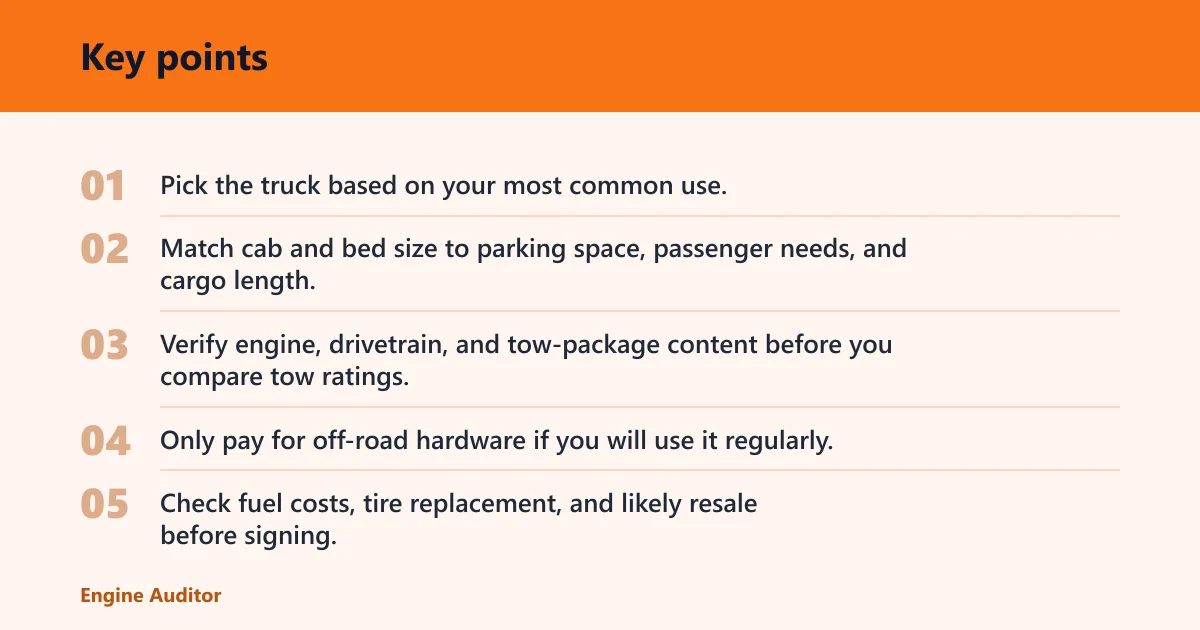
- Pick the truck based on your most common use, not the one extreme trip you might take once a year.
- Match cab and bed size to parking space, passenger needs, and cargo length.
- Verify engine, drivetrain, and tow-package content before you compare tow ratings.
- Only pay for off-road hardware if you will use it regularly.
- Check fuel costs, tire replacement, and likely resale before signing.
Choose Ford Ranger if… / Choose Toyota Tacoma if…
Choose the Ford Ranger if your priority is an easier daily drive, stronger towing value for the money, and a midsize truck that fits commuting and weekend duty without making you pay for trail gear you will barely use. It is also the better answer if you want Ford’s current midsize starting point at $33,350.
Choose the Toyota Tacoma if your priority is off-road hardware, trim variety, and the long-term appeal that comes with its reputation. It also makes sense if you want a truck that leans harder into trail use from the factory and you are willing to accept more configuration-sensitive pricing.
Move up to an F-150 if you need more cab room, more bed room, or more towing margin than a midsize truck should carry. Move down to a Maverick if your life is mostly commuting, light hauling, and city parking, and you do not need the size or cost of a body-on-frame midsize pickup.
Should I buy a Ranger instead of a larger Ford truck?
Yes, if your needs stop at midsize-truck duty. The Ranger is the better fit when you want Ford truck capability without the size, fuel use, and parking burden of a full-size model. If your trailer is heavier, your crew is larger, or your bed work is constant, the larger Ford truck starts to make more sense.
Ford calls its trucks and vans rugged and dependable, and that brand message fits here. But rugged does not mean oversized is always better. The right truck is the one that matches your cargo, commute, and garage.
What Ford truck is the best fit if I need an easy-to-park pickup?
The Maverick is the easiest Ford pickup to park, and the Ranger is the easiest midsize choice when you need more capability than a compact-style truck can provide. The F-150 is the wrong answer for many shoppers who simply want something manageable in tight spaces.
If parking is a daily stress point, prioritize overall length, bed choice, and rear-seat needs before you look at trim badges. The shortest useful configuration usually feels better in real life than a longer build with extra equipment you may not need.
What are the main differences between Ranger, F-150, and Maverick?
The Ranger sits between the Maverick and F-150 in size, price, and capability. The Maverick is the easy-to-park, lighter-duty choice. The F-150 is the larger, more capable truck when towing, payload, and cabin room need to go up. The Ranger is the balanced middle ground.
That middle-ground role is why the Ranger matters. It gives you midsize usefulness without the bulk of a full-size truck, and more capability than a small unibody pickup if your work or hobbies need a real bed and stronger tow capacity.
Frequently asked questions
Which is better: Ford Ranger or Toyota Tacoma?
The Ranger is better for commuters and buyers who tow more than they trail drive, while the Tacoma is better for off-road buyers and shoppers who want stronger resale appeal. If daily comfort and value matter most, start with the Ranger. If trail use matters more, start with the Tacoma.
Products related to this article
Sponsored / affiliate links. As an Amazon Associate I earn from qualifying purchases. I may earn additional commission from eligible campaigns.