Do Car Lights Drain the Battery If Left On? Find Out Now
Every driver has, at some point, faced that sinking feeling: you return to your parked car, turn the key, and nothing happens. The culprit? Often, it’s car lights left on, draining the battery. But how much damage do they really do, and is it always a guaranteed dead battery, or are there factors that change the outcome? Understanding the relationship between your car lights and battery health isn’t just useful, it’s essential for avoiding inconvenient and costly breakdowns.
This article provides a comprehensive look at how car lights interact with your vehicle’s electrical system. We’ll address whether leaving headlights or interior lights on will deplete your battery, examine the impact of different types of lights, and offer proven strategies to protect your car’s battery life.
Real-world examples, data-driven insights, and practical tips will ensure you have the facts to keep your vehicle ready to start when you need it most.
Key Takeaways
- Leaving car lights on can drain your battery, but how quickly depends on the type and duration.
- Modern cars often have features to automatically turn off lights, reducing the risk.
- Battery age and health significantly affect how susceptible your vehicle is to discharge.
- Quick action can sometimes save a battery if lights are left on accidentally.
- Prevention strategies and emergency solutions are available to minimize risk and hassle.

Credit: www.mach1services.com
How Car Batteries Work With Vehicle Lights
Understanding the interplay between your car battery and lighting system is crucial for grasping why leaving lights on can result in a dead battery. The car battery is responsible for providing the initial electrical energy required to start the engine and power various accessories when the engine is off.
The Role Of The Car Battery
The 12-volt lead-acid battery found in most vehicles stores electrical energy created by the alternator while the engine is running. This energy is then used to power components like headlights, taillights, dashboard lights, and interior dome lights when the engine is off. When the ignition is turned off, the alternator stops charging the battery, and any electrical draw comes directly from the battery’s reserves.
Types Of Car Lights And Their Power Consumption
Different types of lights draw varying amounts of power:
- Headlights (halogen): Approx. 55-65 watts each
- LED headlights: 15-45 watts each
- Taillights: 5-10 watts each
- Interior/Dome lights: 2-10 watts each
- Parking lights: 5-10 watts each
Here’s how these compare:
| Light Type | Average Power Draw (Watts) | Potential Battery Drain (Hours to Deplete) |
|---|---|---|
| Halogen Headlights (pair) | 110-130 | 2-4 |
| LED Headlights (pair) | 30-90 | 4-8 |
| Interior Dome Light | 2-10 | Several Days |
| Parking Lights (all) | 20-40 | 1-2 |
Why Lights Drain The Battery
When any light remains on while the engine is off, it draws current from the battery without replenishment. Over several hours, even low-wattage bulbs can sufficiently deplete the battery to prevent the engine from starting. The speed and severity of drain depend on the type of light and the battery’s charge and health.
The Impact Of Battery Age And Condition
An older or poorly maintained battery has a reduced charge capacity and is more susceptible to deep discharge. According to the Battery Council International, batteries lose about 20% of their original capacity each year in hot climates, making them more likely to fail after a brief drain.
Example: In my experience, a three-year-old battery left with headlights on for just 90 minutes resulted in a no-start situation, while a newer battery survived overnight with only the dome light left on.
The Science Of Battery Drain: Real-world Scenarios
To fully appreciate how and when car lights drain a battery, it’s helpful to look at real-world situations and the underlying physics.
Case Study: Headlights Left On Overnight
Suppose you leave your halogen headlights (total draw of around 120 watts) on for 8 hours. A typical car battery has a capacity of around 48 amp-hours at 12 volts.
Calculation:
- 120 watts ÷ 12 volts = 10 amps
- 8 hours x 10 amps = 80 amp-hours
Since the battery only has about 48 amp-hours, this scenario would completely drain the battery and potentially damage its ability to recharge, especially if it’s older.
Case Study: Interior Lights Left On
A single dome light (5 watts) left on overnight:
- 5 watts ÷ 12 volts = 0.42 amps
- 8 hours x 0.42 amps = 3.36 amp-hours
A healthy battery can usually withstand this minor drain, but if the interior light remains on for days, even this small current can lead to a dead battery.
The Effect Of Temperature
Cold weather reduces battery efficiency. At 0°F, a battery can lose up to 60% of its capacity, making it more vulnerable to even modest electrical drains. Conversely, high heat accelerates battery degradation over time, as reported by the American Automobile Association (AAA).
Data Table: Estimated Time To Battery Failure
| Scenario | Light Type | Estimated Time to No-Start | Battery Age |
|---|---|---|---|
| Forgotten Headlights | Halogen | 2-4 hours | New/Healthy |
| Forgotten Headlights | Halogen | 1-2 hours | 3+ years |
| Dome Light Left On | Incandescent | 1-2 days | New/Healthy |
| Dome Light Left On | Incandescent | Overnight | 3+ years |
Pro Tip:
If you discover your lights were left on, turn them off and attempt to start your car immediately. If the car starts, drive for at least 20 minutes to recharge the battery.
Credit: www.hella-bulbs.com
Modern Vehicle Features: Preventing Battery Drain
Car manufacturers have introduced several features to help drivers avoid accidentally draining their batteries.
Automatic Light Shut-off Systems
Many vehicles, especially those produced after the early 2000s, come equipped with an auto-off headlight feature. This function turns off the headlights and sometimes even the dome lights after a set period or when the doors are locked. This reduces the risk of battery drain significantly.
Battery Management Systems
Higher-end and newer vehicles often employ Battery Management Systems (BMS), which monitor the battery’s charge and automatically disable non-essential electrical systems when voltage drops too low. This feature helps ensure there is always enough power to start the engine.
Low Battery Alerts
Some models provide dashboard warnings or audible alerts if lights are left on after the engine is turned off. These reminders offer a crucial last line of defense against accidental drain.
Keyless And Smart Ignition Systems
Keyless ignition systems typically shut off all accessories, including lights, when the car is turned off. Additionally, smart entry and exit systems may automatically dim or turn off interior lights as soon as the vehicle is locked.
Example: A 2026 Honda Accord will automatically turn off its headlights within 15 minutes of the engine being shut down, as detailed in the owner’s manual.

Credit: ultrabrightlightz.com
The Role Of Different Light Types In Battery Drain
Not all car lights are created equal. The type of lighting technology used can significantly affect how quickly your battery is drained if the lights are left on.
Halogen Vs. Led Vs. Hid Lighting
| Light Type | Typical Wattage (Pair) | Relative Battery Impact | Average Lifespan |
|---|---|---|---|
| Halogen | 110-130 | High | 500-1,000 hours |
| LED | 30-90 | Low | 15,000-30,000 hours |
| HID | 70-90 | Moderate | 2,000-3,000 hours |
Halogen bulbs are the most common and have the highest power draw, making them the most likely to drain a battery quickly. LEDs are far more efficient and can run for much longer before causing a dead battery. HID (High-Intensity Discharge) lights fall somewhere in between.
Parking Lights And Daytime Running Lights
Parking lights and daytime running lights (DRLs) are lower-wattage but, if left on for extended periods, can still discharge a battery, especially in older cars without auto-off features.
Aftermarket Lighting And Modifications
Custom lighting, such as underglow kits or high-wattage fog lamps, can increase battery drain risk if installed incorrectly or left on. Always ensure aftermarket accessories are wired through relays and switches that disconnect with the ignition.
Pro Tip:
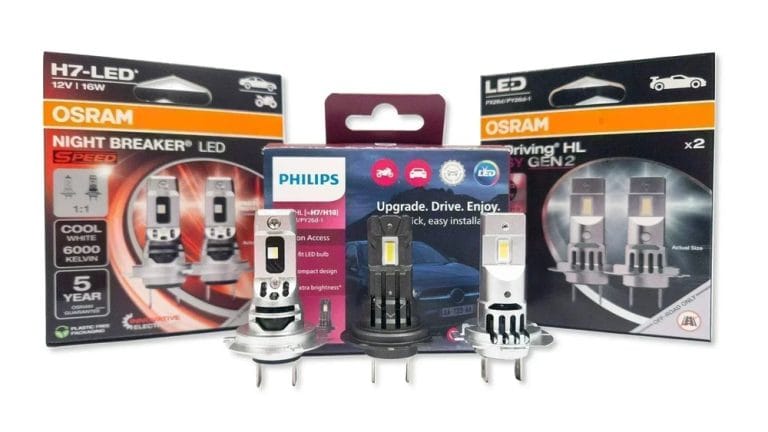
Switching from halogen to LED bulbs in both interior and exterior applications can reduce the risk of battery drain and extend battery life.
Emergency Solutions: What To Do If Your Battery Dies
Despite best intentions, sometimes a battery will drain if lights are left on. Knowing how to respond quickly can reduce inconvenience and prevent further damage.
Jump Starting
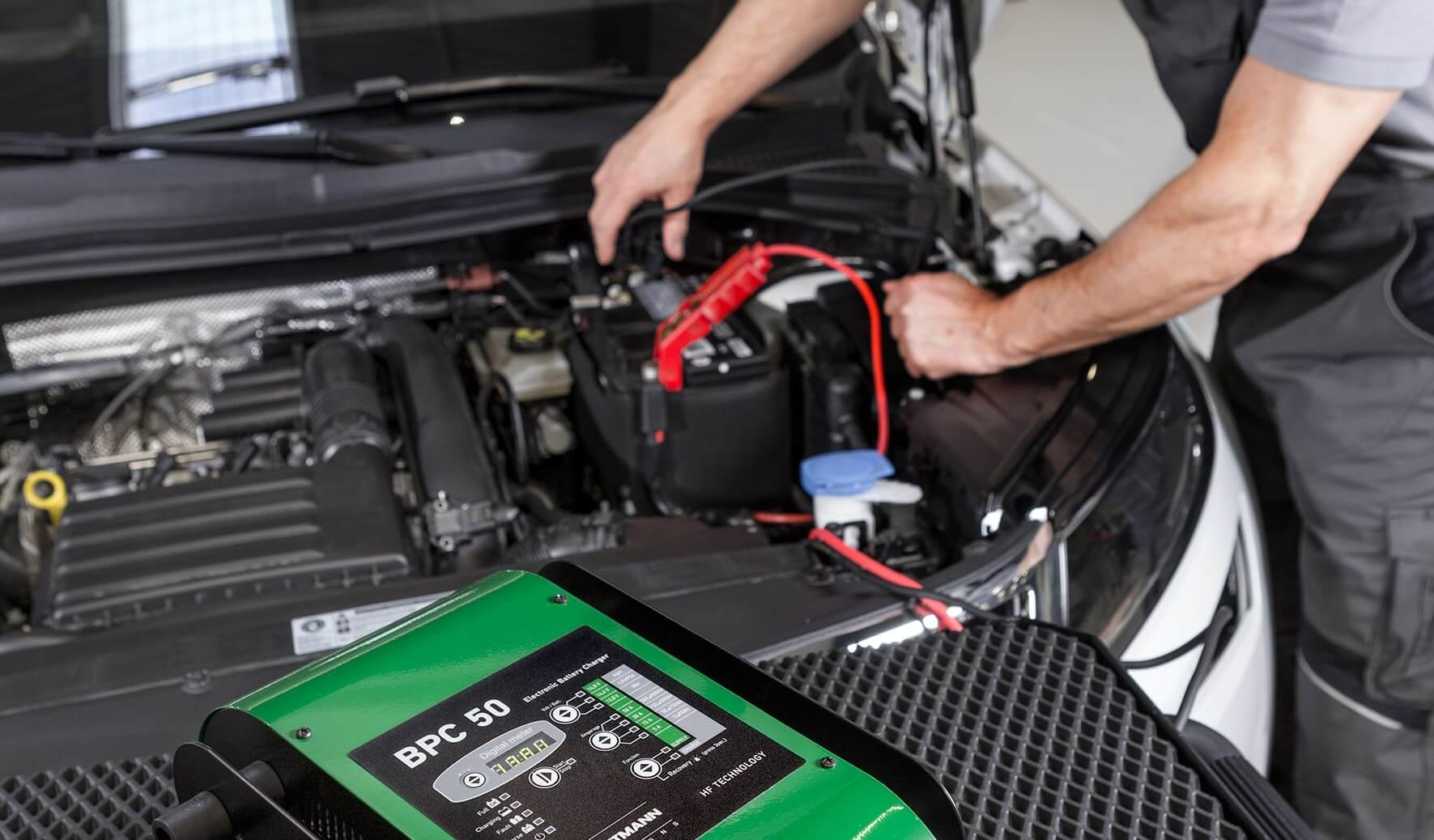
The most common solution is a jump start using jumper cables and another vehicle. It’s essential to connect the cables properly: positive to positive, negative to a ground point on the dead vehicle (not the battery), to avoid sparks.
Portable Jump Starters
Compact lithium-ion jump starter packs are widely available and easy to carry. They allow you to start your car without another vehicle present and are especially useful for emergencies.
Push Starting (manual Transmissions Only)
If you drive a manual transmission car, you can sometimes push start the vehicle. This involves getting the car rolling (with the help of others or on a hill), engaging the clutch in second gear, and releasing it quickly to spin the engine.
When To Replace The Battery
If your battery has been fully drained more than once, its capacity may be permanently reduced. If you notice slow cranking or repeated failures, have the battery tested and consider replacement.
Example:
A driver in Chicago left their headlights on during a snowy night and returned to a dead battery. Using a portable jump starter, they were able to restart the car and drive home. However, the battery failed a load test the next week and was replaced to avoid future issues.
Preventative Strategies: Protecting Your Car Battery
Prevention is the best cure when it comes to battery drain. Incorporating a few simple habits and solutions can save you time, money, and frustration.
Always Double-check Lights
Make it a habit to glance at your dashboard and exterior lights before leaving your vehicle. Many cars have a warning chime or indicator if lights remain on.
Use Automatic Shut-off Features
If your vehicle has an automatic light shut-off system, ensure it is activated. Consult your owner’s manual to adjust settings if needed.
Regular Battery Maintenance
- Clean terminals and check for corrosion.
- Test battery voltage periodically (especially before winter).
- Replace batteries every 3-5 years, or as soon as you notice performance decline.
Install Aftermarket Battery Protection Devices
Battery disconnect switches or low-voltage cut-off devices can be installed to automatically disconnect the battery if voltage drops too low.
Park In Well-lit Areas
When possible, park in well-lit areas where you can easily notice if your lights are left on. This also adds a layer of security.
Example:
A smart battery disconnect device prevents a dead battery even if parking lights are accidentally left on for several hours. The device cut power at a safe threshold, and I was able to start my vehicle without issue.
The Cost Of Battery Drain: Financial And Environmental Impact
Leaving lights on doesn’t just cause inconvenience; it has broader financial and ecological consequences.
Replacement Costs
A new car battery typically costs between $100 and $250, depending on the vehicle type and brand. Repeated drains can also shorten the alternator’s lifespan, resulting in additional repair costs.
Towing And Roadside Assistance
If you’re stranded without jump-start equipment or assistance, towing or roadside service can add another $50-$150 to the bill, depending on location and provider.
Environmental Consequences
Batteries contain lead and sulfuric acid, which are hazardous to the environment if not disposed of properly. Premature battery failure increases the volume of hazardous waste. Proper battery disposal and recycling are crucial, as emphasized by the U.S. Environmental Protection Agency.
Pro Tip:
Many auto parts stores offer free battery testing and recycling, take advantage of these services to minimize your environmental footprint.
Real-world Insights: Drivers’ Experiences And Lessons Learned
Learning from other drivers’ experiences can help you avoid common pitfalls and better understand the risks.
Urban Commuter
A city driver reported leaving their headlights on during a quick grocery run, returning 30 minutes later to a car that wouldn’t start. The battery was nearly new, but the brief drain, combined with cold weather, was enough to require a jump start.
Family Road Trip
A family on vacation left the rear dome light on overnight in their SUV. By morning, the car started sluggishly, but after a 30-minute drive, the battery recovered. They replaced the bulb with an LED to reduce future risk.
Ride-share Driver
A ride-share driver installed aftermarket LED headlights and found that, even after accidentally leaving them on for several hours, the battery still had enough charge to start the vehicle. The upgrade paid off in reduced downtime and maintenance costs.
Pro Tip:
Always keep a set of jumper cables or a portable jump starter in your trunk, regardless of your vehicle’s age or technology.
Frequently Asked Questions
How Long Can Car Lights Be Left On Before The Battery Dies?
The time varies based on the type of lights and the battery’s health. Headlights can drain a new, healthy battery within 2-4 hours, while a single interior light might take a day or more. If your battery is older, it may die much faster.
Can Leaving Led Lights On Still Kill My Battery?
Yes, LEDs use less power, but if left on long enough, they will eventually drain the battery. However, it would take considerably longer compared to halogen bulbs. For example, an interior LED might take several days to cause a no-start situation.
Does A Jump Start Always Fix A Dead Battery From Leaving Lights On?
A jump start can temporarily get your car running, but if the battery was deeply discharged, its overall lifespan may be shortened. After jump-starting, drive for at least 20-30 minutes to help recharge the battery, and have it tested soon after.
Are There Apps Or Tech That Warn You If You Leave Your Lights On?
Yes, many modern vehicles offer companion apps or integration with services like OnStar or FordPass that can notify you if lights are left on or if the battery is running low. Aftermarket solutions, such as Bluetooth battery monitors, are also available.
What Should I Do If My Car Frequently Has A Dead Battery?
Frequent dead batteries may indicate a deeper issue, such as a parasitic drain (an electrical component drawing power when it shouldn’t), a failing alternator, or an aging battery. Have your vehicle inspected by a trusted mechanic or auto electrician to diagnose and resolve the problem.
Parking your car after a long day should be the end, not the start, of your worries. By understanding how car lights interact with your battery, staying mindful of habits, and leveraging modern technology, you can dramatically reduce the risk of accidental battery drain. A few seconds of prevention can save hours of hassle, unexpected expenses, and even help the environment. For more information on automotive electrical systems and battery care, consult reputable resources like Wikipedia or your vehicle’s manufacturer site, or seek guidance from certified professionals. Taking proactive steps today ensures your car is always ready to go when you are.
Products related to this article
Sponsored / affiliate links. As an Amazon Associate I earn from qualifying purchases. I may earn additional commission from eligible campaigns.